Attractions and Places To See around Villanueva Del Río Y Minas - Top 20
Best attractions and places to see around Villanueva Del Río Y Minas offer a blend of historical heritage, natural beauty, and cultural experiences. Nestled in the foothills of Sierra Morena and located in the Vega del Guadalquivir, the town provides diverse landscapes. Visitors can explore ancient Roman ruins, significant industrial sites, and natural features like rivers and artificial lakes. The area is characterized by mountainous terrain, abundant vegetation, and views of the Guadalquivir River.
Best attractions and places to see…
Last updated: July 8, 2026
Canal
Highlight • Structure
The Lower Guadalquivir Canal (also known as the Canal de los Presos) is an irrigation canal, hydraulic infrastructure originally intended to irrigate an …
Translated by Google •
Tip by

Villanueva del Río y Minas Bridge
Highlight • Bridge
Translated by Google •
Tip by

Sign up now to discover places like this
Get recommendations on the best single tracks, peaks, & plenty of other exciting outdoor places.
Sign up for free
Archaeological Site of Mulva-Munigua
Highlight • Historical Site
Translated by Google •
Tip by

Huéznar Reservoir
Highlight • Lake
Translated by Google •
Tip by

Lago Azul
Highlight • Lake
Translated by Google •
Tip by
Sign up for free to discover even more attractions around Villanueva Del Río Y Minas.
Sign up for free
Already have an account?
Start today with a free account
Your next adventure awaits.
Login or Signup
Popular around Villanueva Del Río Y Minas
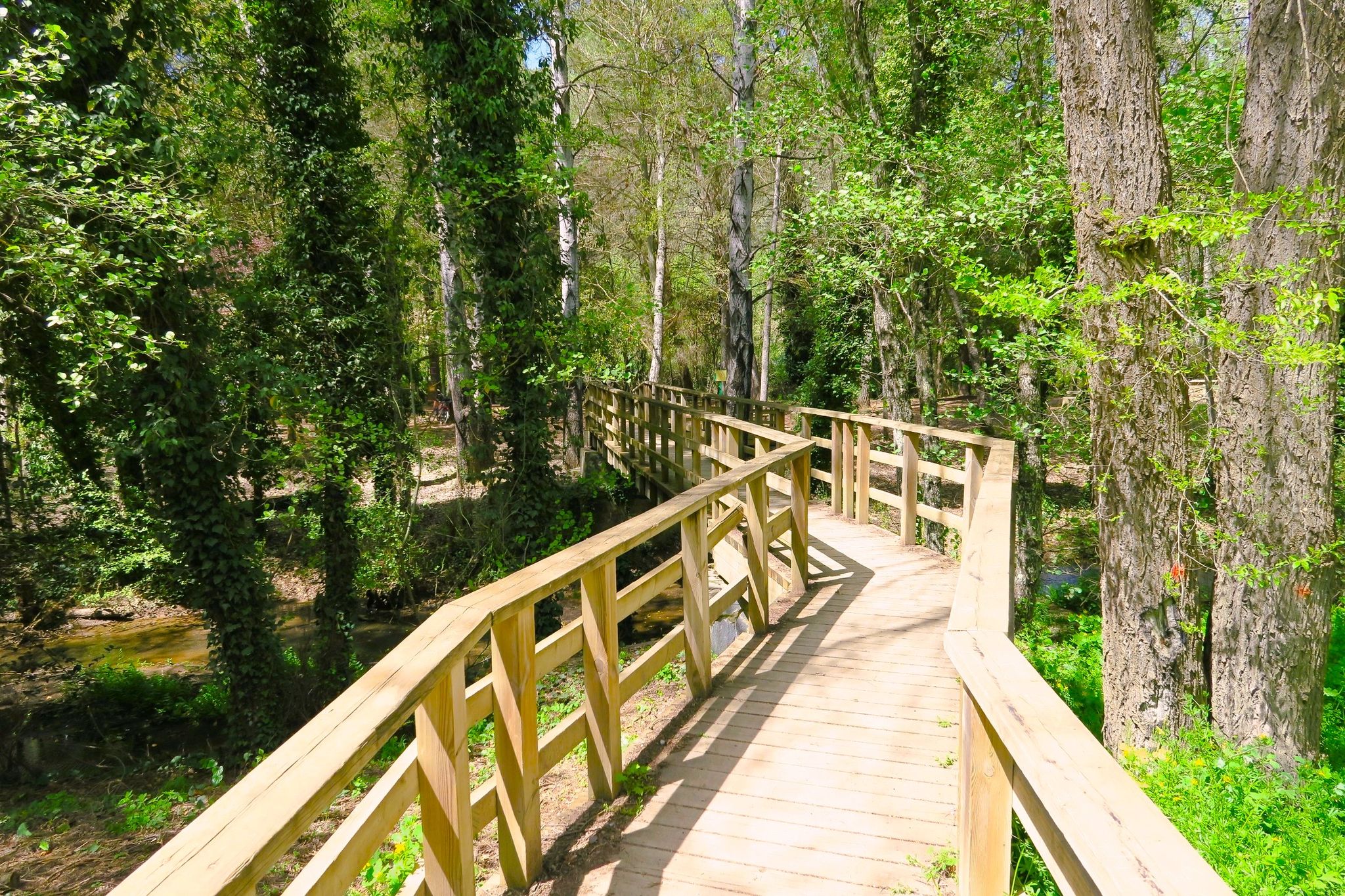
Land, culture, disconnection — Sierra Norte de Sevilla Natural Park
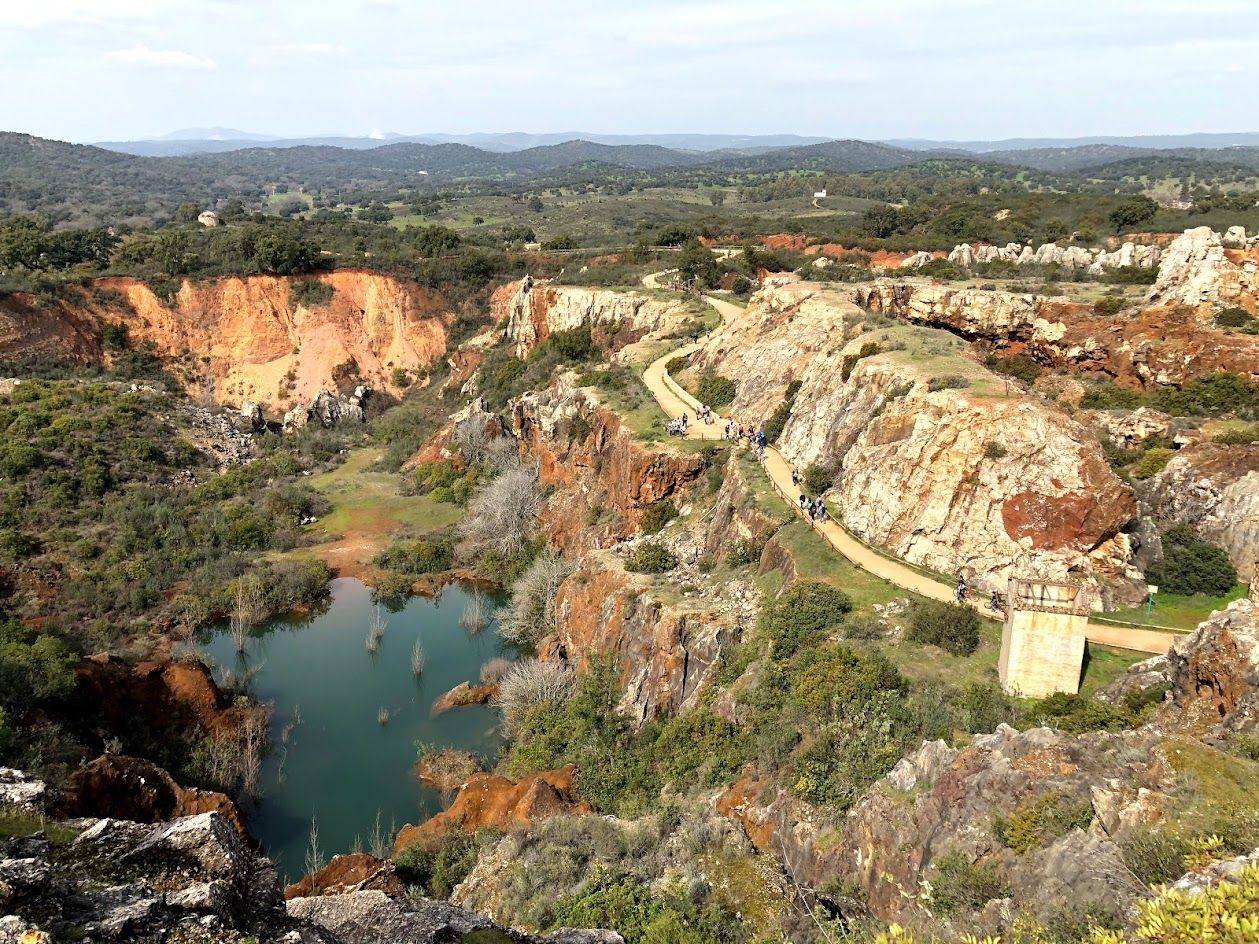
Journey through Spain’s Sierra Morena — Cordoba to Seville by bike
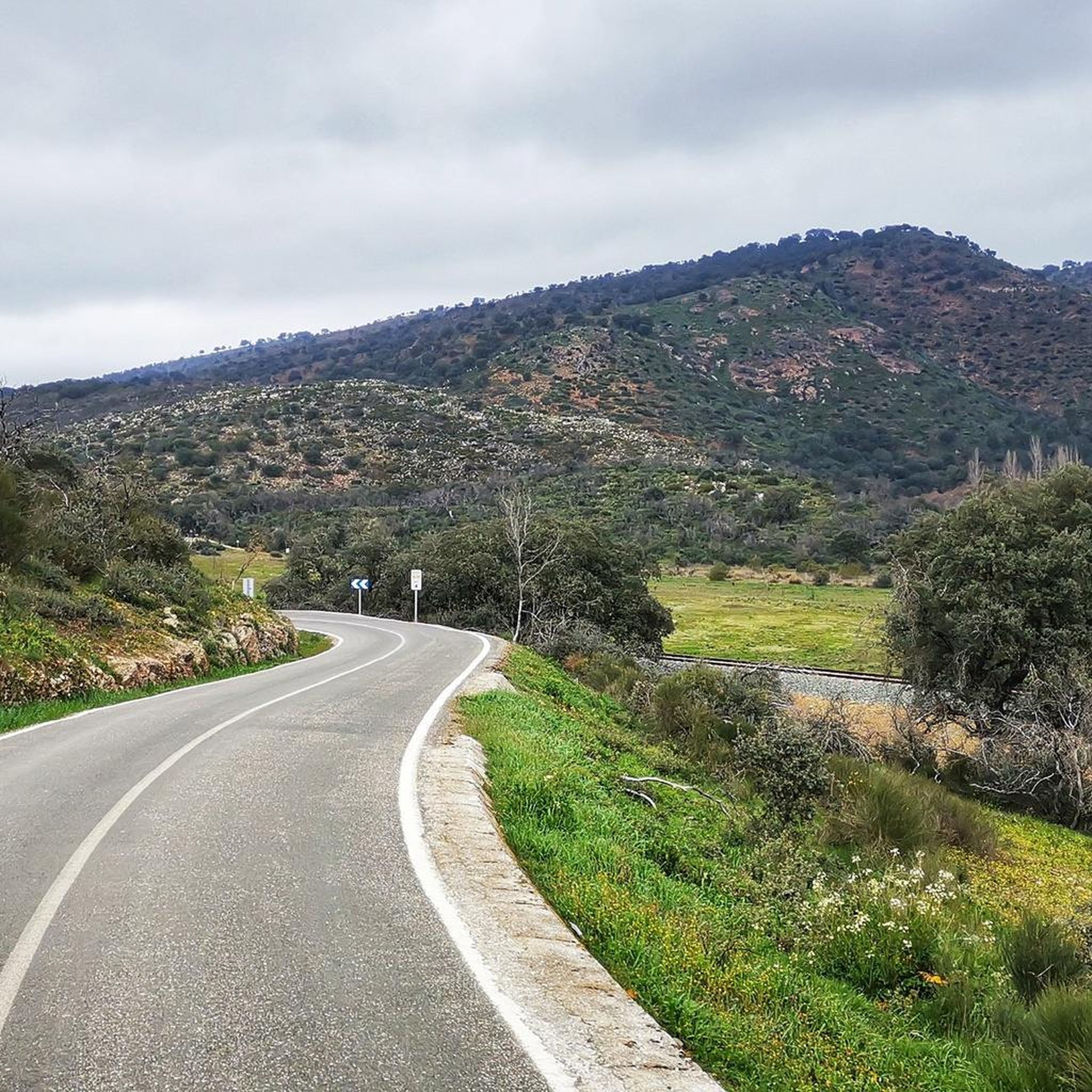
Road Cycling Routes around Villanueva Del Río Y Minas
Hiking around Villanueva Del Río Y Minas
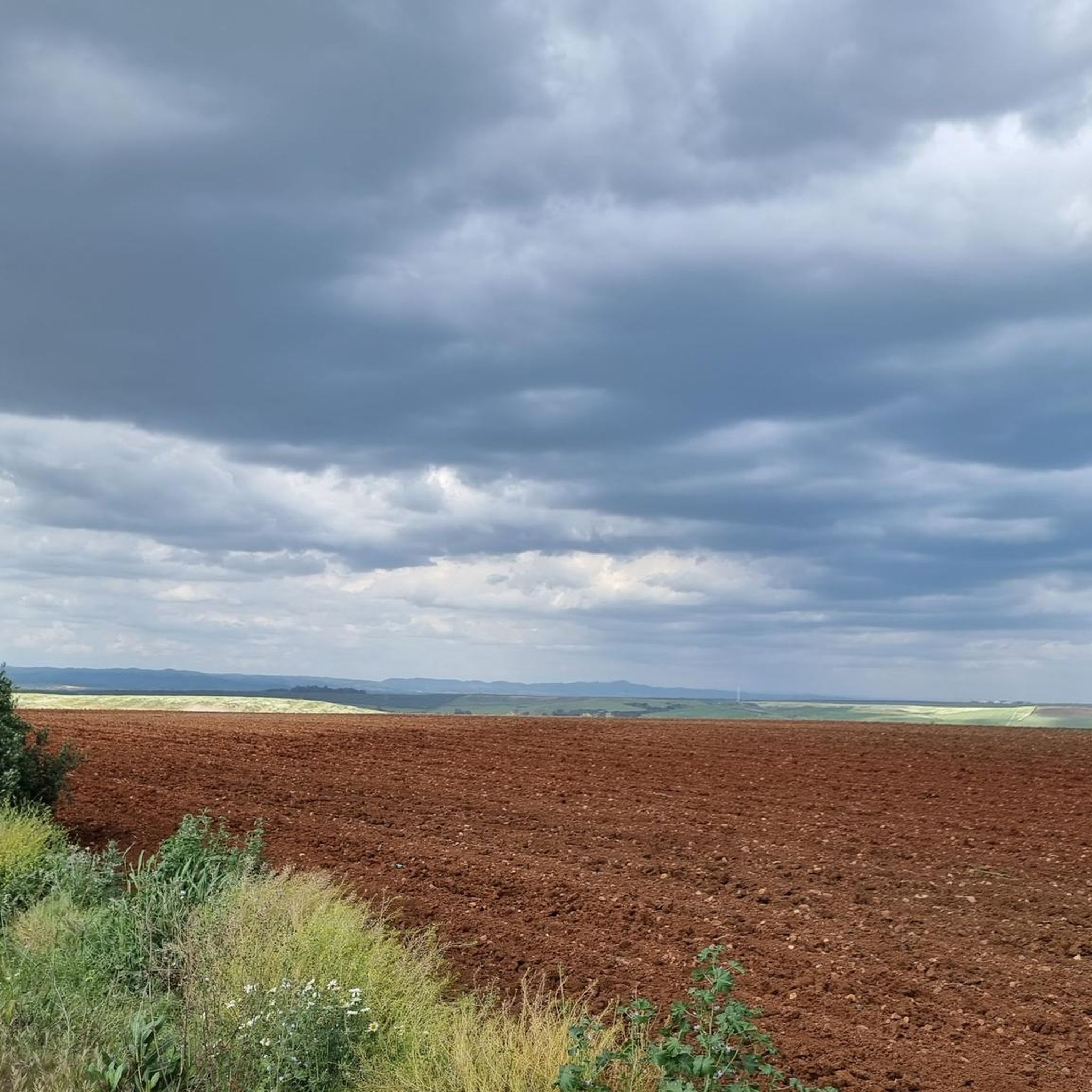
MTB Trails around Villanueva Del Río Y Minas
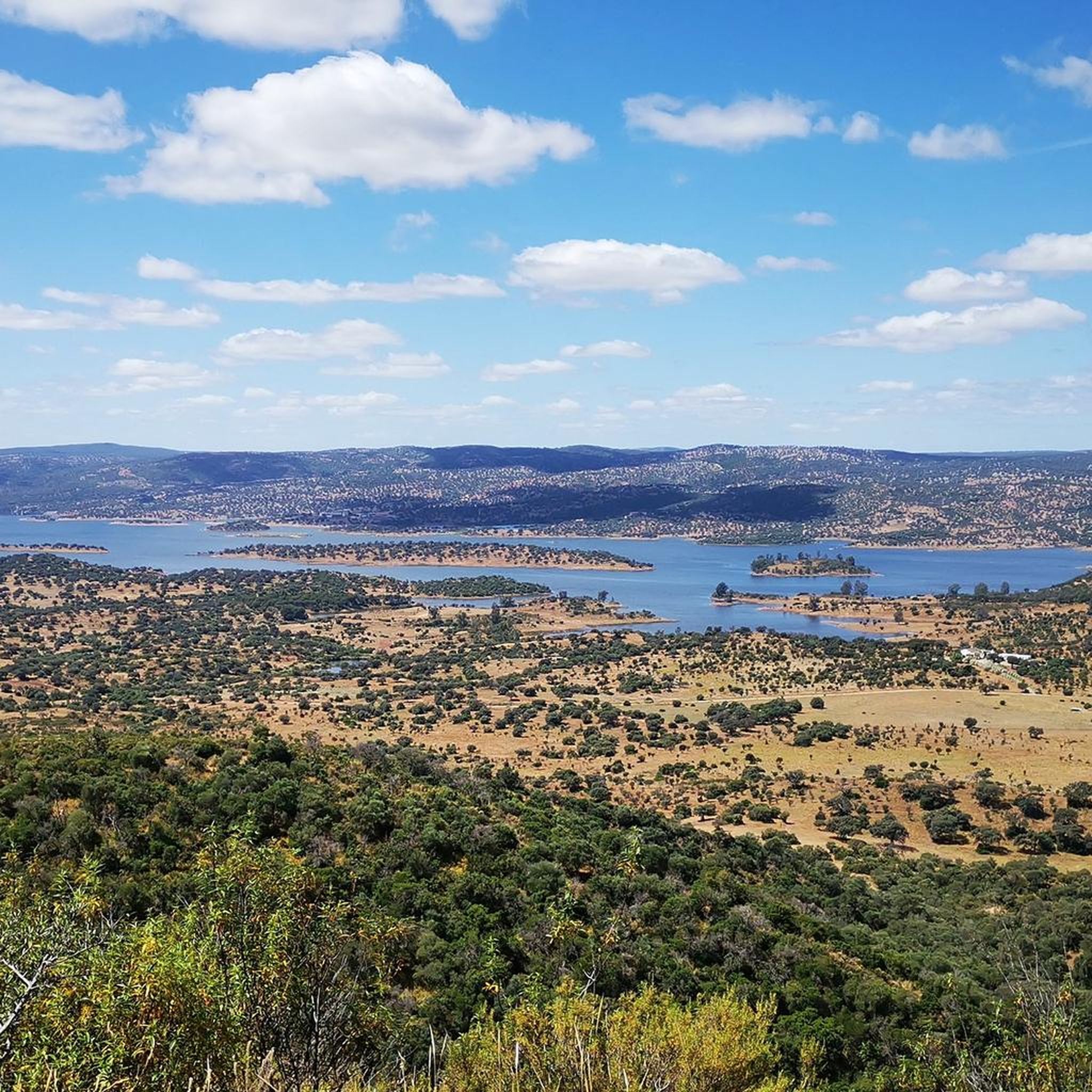
Cycling around Villanueva Del Río Y Minas

Running Trails around Villanueva Del Río Y Minas

Gravel biking around Villanueva Del Río Y Minas


Tips from the Community

Canal de los presos del bajo guadalquivir: The Lower Guadalquivir Canal (also known as the Canal de los Presos) is an irrigation canal, hydraulic infrastructure originally intended to irrigate an area of 56,000 hectares in the provinces of Seville and Cádiz. It currently irrigates an area of 80,000 hectares that falls under the Community of Irrigators of the Lower Guadalquivir. It was built during the first Franco regime by several thousand political prisoners who were framed in the service of militarized penitentiary colonies, created in September 1939. They were the public works of the Franco regime that "for a long time [from 1940 to 1962] used political prisoners as the main labor force".
6
0


This artificial lake represented a mining extraction of land within the town, already known for mining. Currently and after it was abandoned in the seventies, it has been refilled with water to what is now known as Lago Azul.
0
0
Ancient ruins unusual for their location, as they are quite remote from the town of Villanueva del Río y Minas. However, the old shrine is a beautiful place to see!!
0
0
Beautiful bridge that crosses the Rivera del Huesna at the top of the town of Vilanueva del Río y Minas. White and orange bridge, different but beautiful!
1
0


Handsome arch bridge over the Rivera del Huéznar. At the foot of the bridge there is a nice little park.
1
1
Interesting and unusual Roman ruins. At one point it was called a castle but it is actually a sanctuary. It is worth a visit.
1
1
Frequently Asked Questions
What historical sites can I explore in Villanueva del Río y Minas?
The region is rich in history. You can visit the ancient Archaeological Site of Mulva-Munigua, a significant Roman city with ruins of temples, a necropolis, and hot springs. Another important site is Minas de la Reunión, an old mining town where you can see the working-class neighborhood and coal mining shafts, including the notable Pozo 5 Historical Site. Don't miss the 15th-century Mudejar-Gothic Iglesia de Santiago el Mayor in Villanueva del Río, or the Neogothic Iglesia de San Fernando in Minas.
Are there any natural attractions or reserves for outdoor activities?
Yes, the area offers several natural spots. The Arenales del Parroso Nature Reserve is ideal for hiking, biking, horse riding, and even climbing. The River Huéznar provides opportunities for canoeing, and its Fluvial Park Ribera del Hueznar is a great recreational area with picnic spots and a bathing area. You can also visit the Huéznar Reservoir, a lake formed by a dam, or the unique Lago Azul, an artificial lake formed in an old open-pit coal mine.
What kind of outdoor activities can I do near Villanueva del Río y Minas?
The region is excellent for outdoor enthusiasts. You can find numerous trails for hiking, mountain biking, and running. For example, there are easy MTB routes like the "Munigua Family Trail" and moderate hiking options such as the "Archaeological complex of Mulva-Munigua — circular from Villanueva del Río y Minas." You can explore more routes on the MTB Trails around Villanueva Del Río Y Minas, Hiking around Villanueva Del Río Y Minas, and Running Trails around Villanueva Del Río Y Minas guide pages.
Are there family-friendly attractions or activities in the area?
Absolutely! Many attractions are suitable for families. The Villanueva del Río y Minas Bridge is a beautiful spot to visit, and the Huéznar Reservoir and Lago Azul offer scenic views and recreational opportunities. The Fluvial Park Ribera del Hueznar also has picnic spots and a bathing area, perfect for a family day out. Easy hiking and MTB trails, such as the "Munigua Family Trail," are also available.
What is the Canal de los Presos and where can I find it?
The Canal de los Presos del Bajo Guadalquivir, also known as the "Prisoners' Canal," is a significant irrigation canal with a historical past. It was constructed during the Franco regime by political prisoners. You can find sections of this hydraulic infrastructure, which is now vital for irrigating vast areas in Seville and Cádiz provinces. A notable section is the Canal highlight.
What is the best time to visit Villanueva del Río y Minas for outdoor activities?
The region's climate, nestled in the foothills of Sierra Morena and the Vega del Guadalquivir, generally offers pleasant conditions for outdoor activities during spring and autumn. These seasons provide milder temperatures, making hiking, cycling, and exploring historical sites more comfortable. Summers can be quite hot, while winters are generally mild.
Can I find any unique architectural landmarks in the town?
Beyond the churches, you can discover unique architectural landmarks reflecting the town's industrial past. The Economato, a magnificent building from 1890, showcases colonial architecture with a central patio. The Teatro Cine M.Z.A., completed in 1933, is another notable structure built for the workers, featuring a stage, orchestra forum, and dressing rooms.
Are there any specific trails for hiking to the Mulva-Munigua Roman City?
Yes, there are dedicated trails that lead to the Archaeological Site of Mulva-Munigua. For instance, the "Archaeological complex of Mulva-Munigua — circular from Villanueva del Río y Minas" is a moderate hiking route. You can find more details and other routes on the Hiking around Villanueva Del Río Y Minas guide page.
What are some cultural traditions or festivals in Villanueva del Río y Minas?
The town celebrates various festivals and traditions, with Saint Barbara's Day on December 4th being particularly significant due to the region's mining heritage. On this day, the traditional miner's stew, "potaje minero," is often served in Plaza de España. The Ermita de Santa Bárbara is also dedicated to the patron saint of miners.
What are the main geographical features surrounding Villanueva del Río y Minas?
Villanueva del Río y Minas is uniquely situated in the foothills of Sierra Morena and within the Vega del Guadalquivir. This location provides a diverse landscape, including mountainous terrain, abundant vegetation with olive trees and evergreen oaks, and views of the Guadalquivir River. The River Huéznar also flows through the area, contributing to its natural beauty.
Is there parking available at the main attractions?
While specific parking facilities for every attraction are not detailed, many towns and natural areas in Spain typically offer public parking options. For remote sites like the Archaeological Site of Mulva-Munigua, it's advisable to check local signage or visitor information upon arrival, as access might be more limited due to its remote location.
Can I find places to eat or stay in Villanueva del Río y Minas?
Villanueva del Río y Minas is an "all-round destination" that caters to visitors, offering opportunities to savor local gastronomy. While specific cafes, restaurants, or accommodation options are not detailed here, as a town with diverse tourist activities, you can expect to find local establishments to eat and stay. It's recommended to check local listings for current options.
Most popular routes around Villanueva Del Río Y Minas

Get inspired with the komoot mobile app


Explore more
Still not found the Highlight you’re looking for? See guides of the top attractions in other regions:
