The best walks and hikes around Mañeru
4.4
(117)
756
hikers
61
hikes
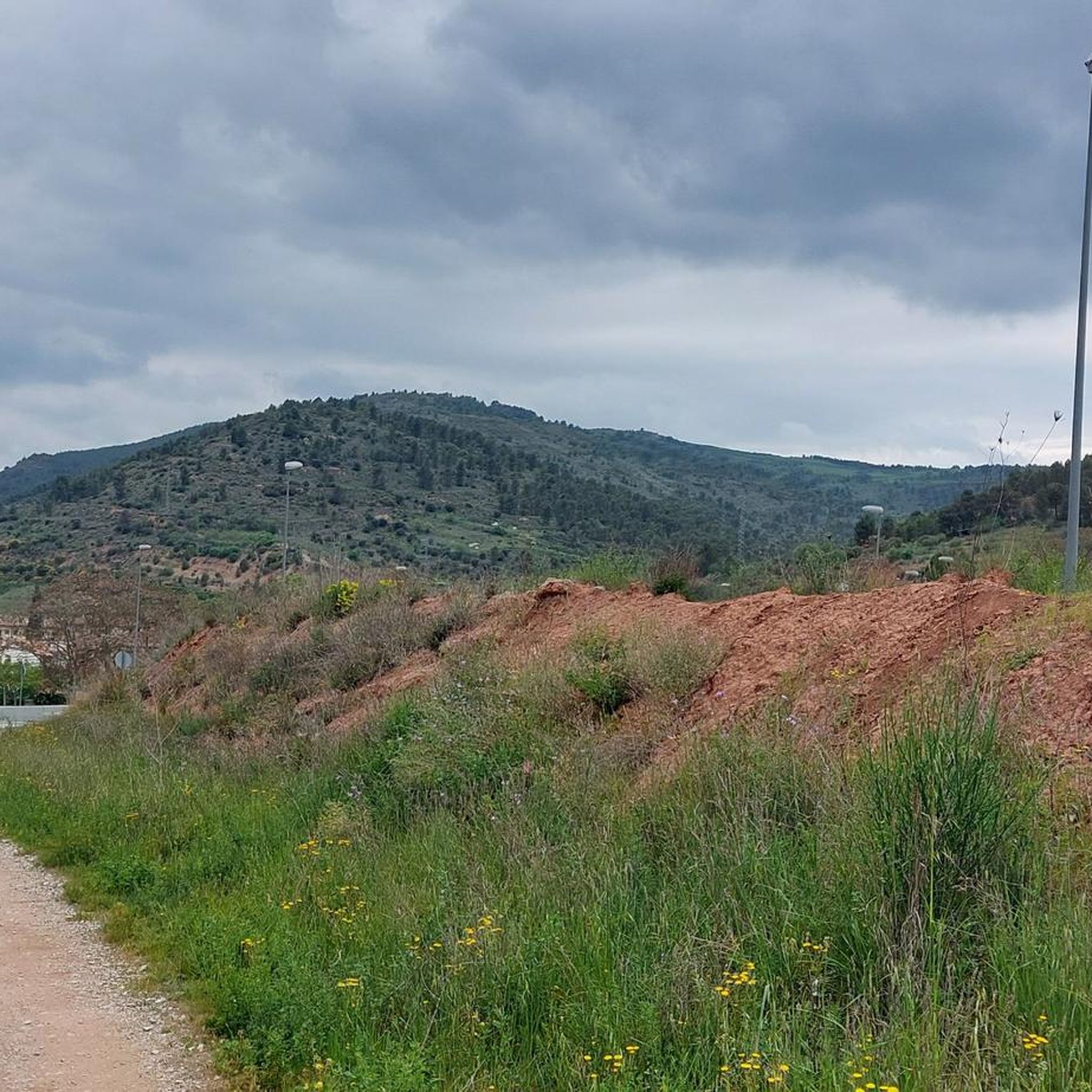
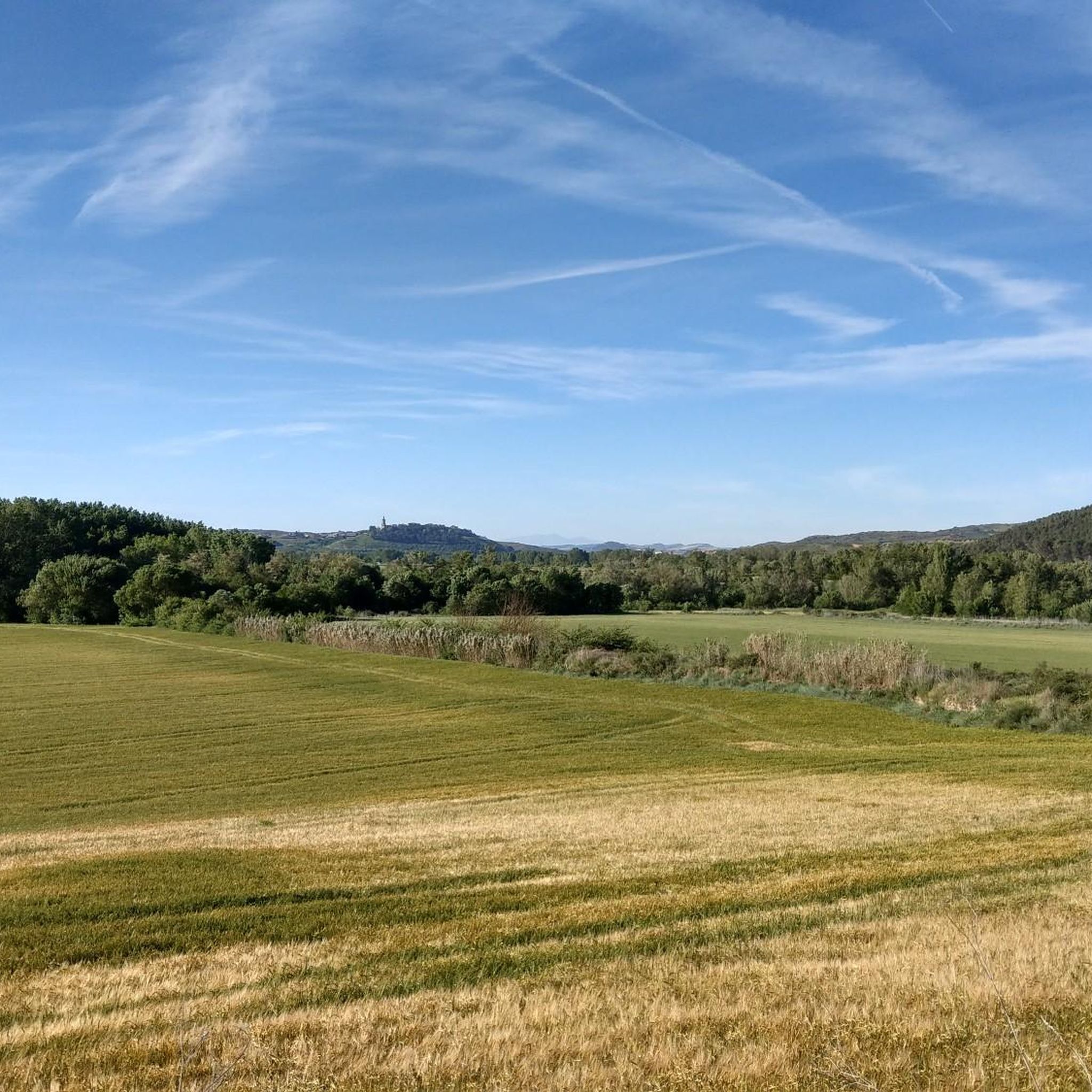
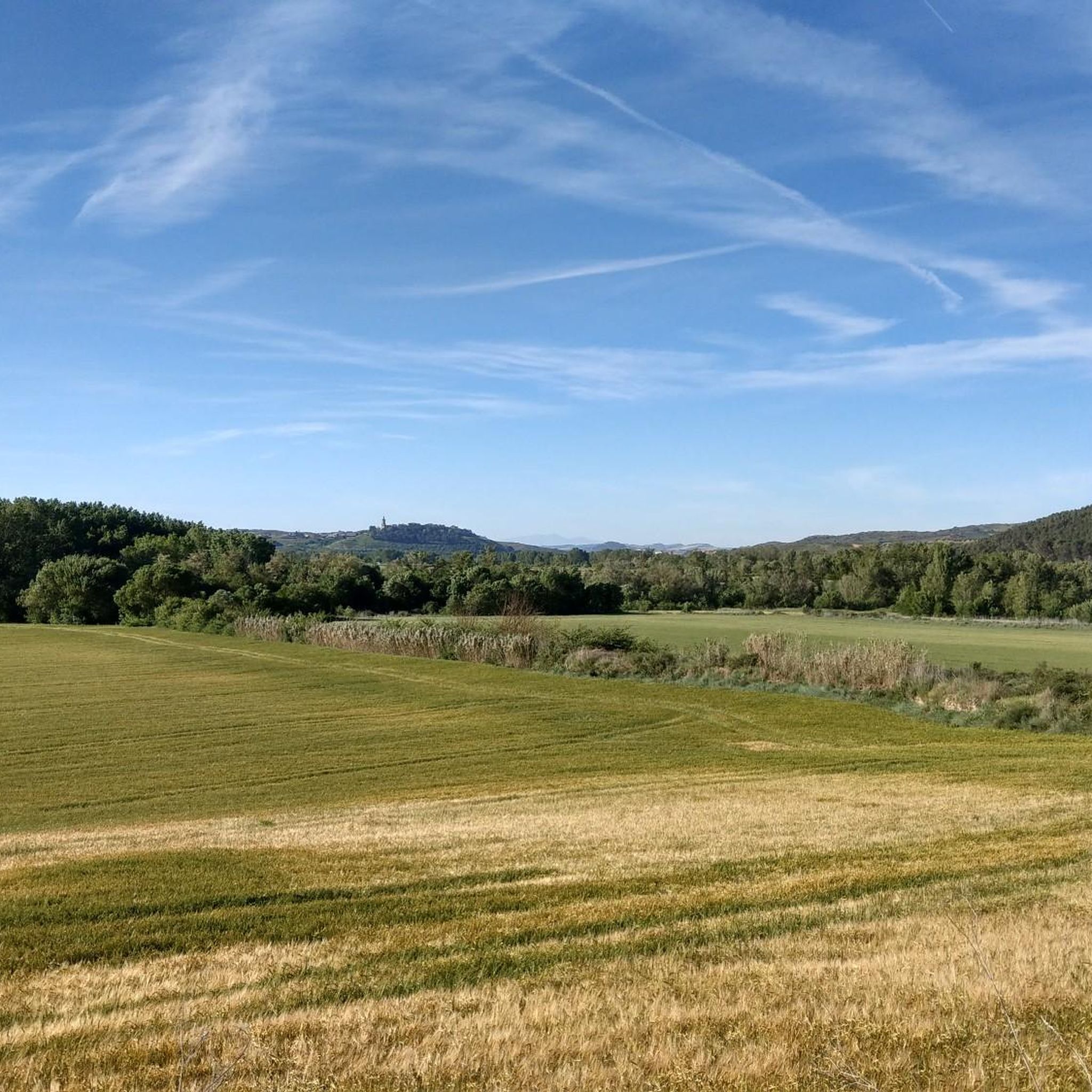
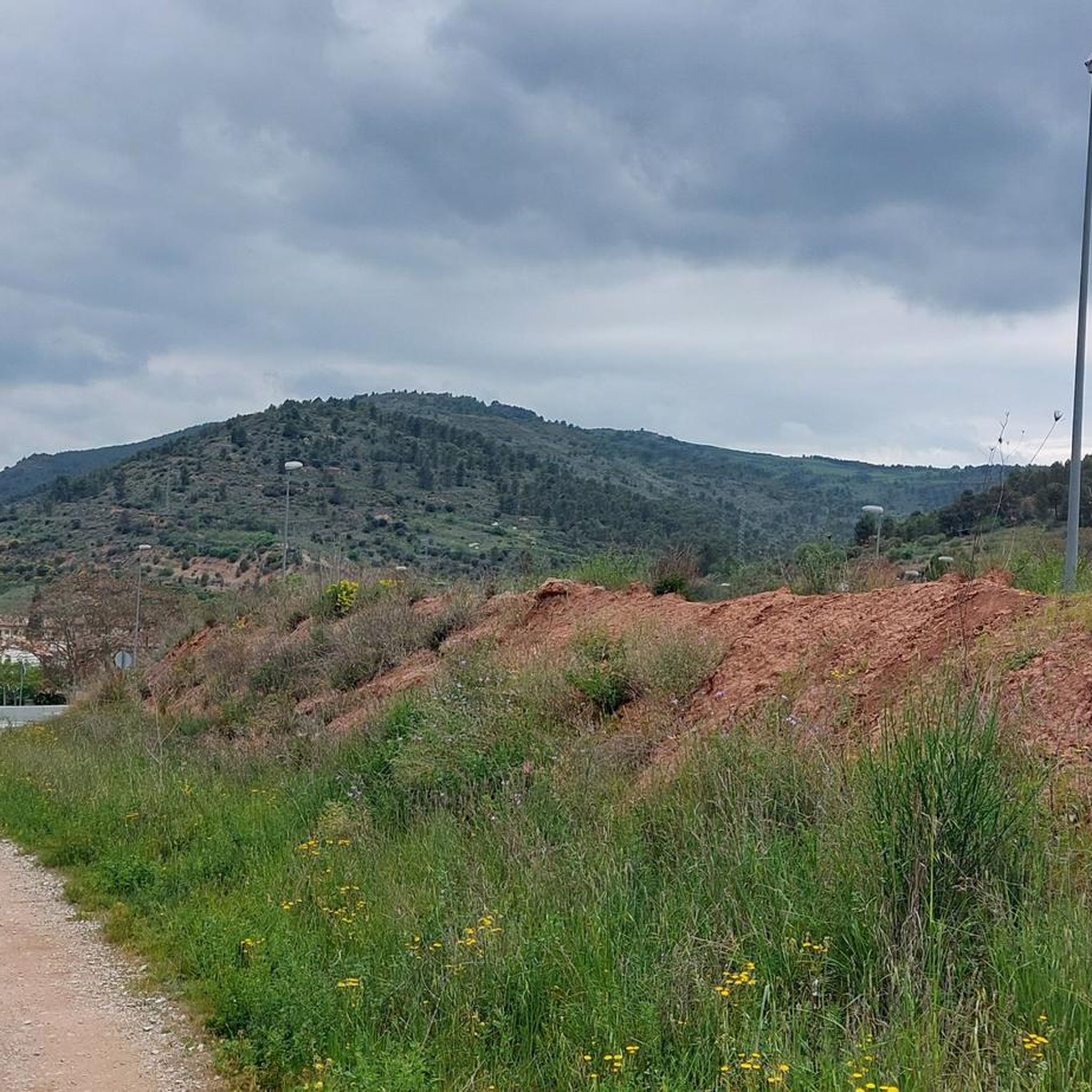
Hiking around Mañeru provides access to trails along the historic Camino de Santiago, traversing rolling hills, vineyards, and agricultural fields. The landscape is shaped by the Arga and Salado rivers, contributing to varied terrain with gentle ascents and descents. This region in Navarra, Spain, offers a blend of cultural heritage and natural features for outdoor activities.
Best hiking trails around Mañeru
- The most popular hiking route is Route of the Forts - circular from Puente la Reina/Gares, a 4.0…
Last updated: July 2, 2026
4.3
(8)
20
hikers
6.36km
01:51
170m
170m
Easy hike. Great for any fitness level. Easily-accessible paths. Suitable for all skill levels.
15
hikers
12.2km
03:26
250m
250m
Moderate hike. Good fitness required. Easily-accessible paths. Suitable for all skill levels.

Sign up for free
5.0
(5)
23
hikers
Hard hike. Good fitness required. Sure-footedness, sturdy shoes and alpine experience required.
20
hikers
9.28km
02:36
170m
170m
Moderate hike. Good fitness required. Easily-accessible paths. Suitable for all skill levels.
5.0
(2)
8
hikers
Easy hike. Great for any fitness level. Easily-accessible paths. Suitable for all skill levels.
Get access to more routes and recommendations from other explorers.
Sign up for free
Already have an account?
Our route recommendations are based on thousands of hikes, rides, and runs completed by other people on komoot.
Start today with a free account
Your next adventure awaits.
Login or Signup
Tips from the Community

The Punte la Reina Bridge (Queen's Bridge) was built in the 11th century to facilitate pilgrims' crossing of the river. The Aragonese and Navarrese branches of the Way of St. James converge at Puente la Reina; the common route crosses the Arga River over the bridge of the same name.
0
0

Santa María de Eunate is a Romanesque church on the Aragonese branch of the Way of St. James in Navarre. The church was built at the end of the 12th century in the Romanesque style with Mozarabic influences. The octagonal design is a reference to the Templars. There used to be a hospice here that belonged to the Order of St. John and today it is a hostel for pilgrims.
0
0

Nice place to stay overnight, you can walk straight from the path onto the terrace where you can order a drink.
0
0

The Iglesia del Crucifijo in Puente la Reina is a fascinating historical monument deeply rooted in the history of the Camino de Santiago. Originally built in the 12th century by the Knights Templar, the church was later taken over by the Order of St. John of Jerusalem. The church consists of two different naves: a Romanesque one from the 12th century and a Gothic one that was added later. What makes this church really special is the impressive Gothic crucifix in the shape of a “Y”, one of the most remarkable Gothic sculptures in Spain.
2
0
The Church of San Juan Bautista in Obanos, located in the Plaza de los Fueros, is a beautiful example of neo-Gothic architecture. Built in 1912, this church exudes an impressive historical charm. The church’s façade features a portico and a square tower, which contribute to the building’s majestic appearance. Inside, the church exudes a serene and sacred atmosphere, with beautiful stained glass windows and detailed decorations that reflect the church’s rich history.
1
0

A small, tough climb. Anyone who walks to Santiago will encounter even more strenuous climbs.
0
0

This room allows every pilgrim to write down intercessions and prayers to place at the Jesus statue or write them in the prayer book. A simple, beautiful room that has preserved much of the old spirituality. Pilgrim station.
1
1

One of the few octagonal churches in the world, belonging to the Templars.
1
0
Frequently Asked Questions
How many hiking trails are available around Mañeru?
Mañeru offers a diverse selection of over 50 hiking routes. These trails cater to various preferences, ranging from easy strolls through vineyards to more challenging paths with gentle ascents and descents.
What kind of terrain can I expect on hikes near Mañeru?
The hiking trails around Mañeru are characterized by varied terrain, including rolling hills, expansive vineyards, and agricultural fields. Many routes follow sections of the historic Camino de Santiago, offering a mix of well-established paths and natural landscapes shaped by the Arga and Salado rivers.
Are there any easy hiking routes suitable for beginners or casual walkers?
Yes, Mañeru has several easy routes. For a pleasant and accessible option, consider the Route of the Forts - circular from Puente la Reina/Gares. This 4.0-mile (6.4 km) circular trail explores the area around Puente la Reina and is generally completed in under two hours.
Can I find any challenging hikes in the Mañeru area?
While many trails offer moderate difficulty, some routes present more of a challenge. The Puente la Reina Bridge – Pilgrim Monument loop from Puente la Reina / Gares, for example, is rated as difficult, covering 5.5 miles (8.9 km) through varied terrain.
Are there family-friendly hiking options around Mañeru?
Yes, the region provides several routes suitable for families. The generally gentle terrain and well-maintained paths, especially along sections of the Camino de Santiago, make for enjoyable walks. Easy circular routes like the Route of the Forts - circular from Puente la Reina/Gares are often a good choice for families.
What historical landmarks or attractions can I see while hiking near Mañeru?
Hiking in Mañeru offers a rich historical experience. You can walk in the footsteps of pilgrims along the Camino de Santiago. Nearby, you'll find significant landmarks such as the iconic Puente la Reina Romanesque Bridge, the ancient Roman road of Cirauqui, and the Roman Bridge and Road of Andelos, providing glimpses into the region's past.
Are there any circular hiking routes available in Mañeru?
Yes, many of the trails around Mañeru are designed as circular routes, allowing you to start and end in the same location. A popular example is the Route of the Forts - circular from Puente la Reina/Gares, which offers a convenient loop for exploration.
What do other hikers say about the trails in Mañeru?
The hiking trails in Mañeru are highly regarded by the komoot community, boasting an average rating of 4.5 stars from over 90 reviews. Hikers frequently praise the serene rural scenery, the historical significance of the Camino de Santiago sections, and the well-maintained paths that traverse vineyards and rolling hills.
Is it possible to reach trailheads in Mañeru using public transport?
Mañeru is situated along the Camino de Santiago, which is well-serviced for pilgrims. While specific public transport links directly to every trailhead might vary, the village itself is accessible, and many routes start directly from or near the village center, making them convenient for those relying on public transport to reach Mañeru.
Are there options for parking near the hiking trails in Mañeru?
As a village frequented by pilgrims and visitors, Mañeru typically offers parking options within or on the outskirts of the village. Many hiking routes, especially those connected to the Camino de Santiago, are accessible from central points where parking may be available, though it's always advisable to check local signage.
What is the best time of year to go hiking in Mañeru?
The spring and autumn months are generally considered the best times for hiking in Mañeru. During these seasons, the weather is typically mild and pleasant, ideal for exploring the vineyards and historical paths without the intense heat of summer or the chill of winter. The changing colors of the landscape also add to the scenic beauty.
Are there any dog-friendly hiking trails around Mañeru?
Many of the trails around Mañeru, particularly those through agricultural lands and open spaces, are suitable for hiking with dogs. It's always recommended to keep dogs on a leash, especially when passing through cultivated areas or near livestock, and to respect local regulations regarding pets on trails.
Most popular attractions around Mañeru

Get inspired with the komoot mobile app


Explore more
Browse the best Hikes in other regions.
