Attractions and Places To See around Mendigorría - Top 20
Best attractions and places to see around Mendigorría are found in this town in central Navarra, Spain, situated on a hilltop overlooking the Arga River. Its history spans from prehistoric times through the Roman era, offering a blend of historical, cultural, and natural attractions. The area features ancient Roman sites, significant religious architecture, and opportunities to enjoy the natural landscape along the Arga River. Mendigorría provides a range of sites for those interested in history and outdoor exploration.
Best attractions…
Last updated: October 10, 2026
Puente la Reina Romanesque Bridge
Highlight • Bridge
Translated by Google •
Tip by

Church of Saint John the Baptist, Obanos
Highlight • Religious Site
Translated by Google •
Tip by

Sign up now to discover places like this
Get recommendations on the best single tracks, peaks, & plenty of other exciting outdoor places.
Church of Santa María de Eunate
Highlight • Religious Site
Translated by Google •
Tip by

Church of the Crucifix (Iglesia del Crucifijo)
Highlight • Religious Site
Translated by Google •
Tip by

Roman Bridge and Road of Andelos
Highlight • Bridge
How many people have crossed this bridge for about 2,000 years?!
Translated by Google •
Tip by

Sign up for free to discover even more attractions around Mendigorría.
Already have an account?
Start today with a free account
Your next adventure awaits.
Tips from the Community

Santa María de Eunate is a Romanesque church on the Aragonese branch of the Way of St. James in Navarre. The church was built at the end of the 12th century in the Romanesque style with Mozarabic influences. The octagonal design is a reference to the Templars. There used to be a hospice here that belonged to the Order of St. John and today it is a hostel for pilgrims.
0
0

The Iglesia del Crucifijo in Puente la Reina is a fascinating historical monument deeply rooted in the history of the Camino de Santiago. Originally built in the 12th century by the Knights Templar, the church was later taken over by the Order of St. John of Jerusalem. The church consists of two different naves: a Romanesque one from the 12th century and a Gothic one that was added later. What makes this church really special is the impressive Gothic crucifix in the shape of a “Y”, one of the most remarkable Gothic sculptures in Spain.
2
0
The Church of San Juan Bautista in Obanos, located in the Plaza de los Fueros, is a beautiful example of neo-Gothic architecture. Built in 1912, this church exudes an impressive historical charm. The church’s façade features a portico and a square tower, which contribute to the building’s majestic appearance. Inside, the church exudes a serene and sacred atmosphere, with beautiful stained glass windows and detailed decorations that reflect the church’s rich history.
1
0

This room allows every pilgrim to write down intercessions and prayers to place at the Jesus statue or write them in the prayer book. A simple, beautiful room that has preserved much of the old spirituality. Pilgrim station.
1
1

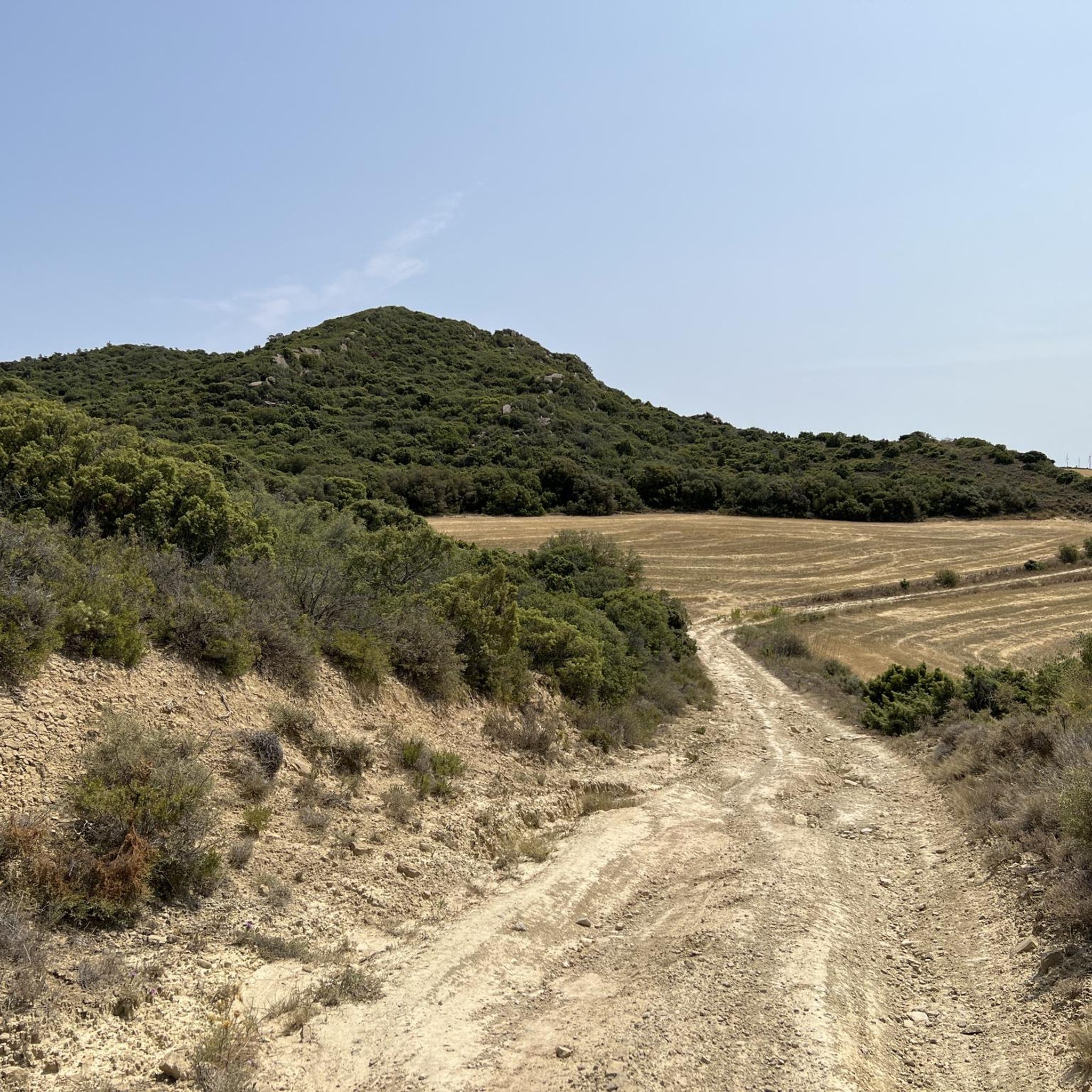
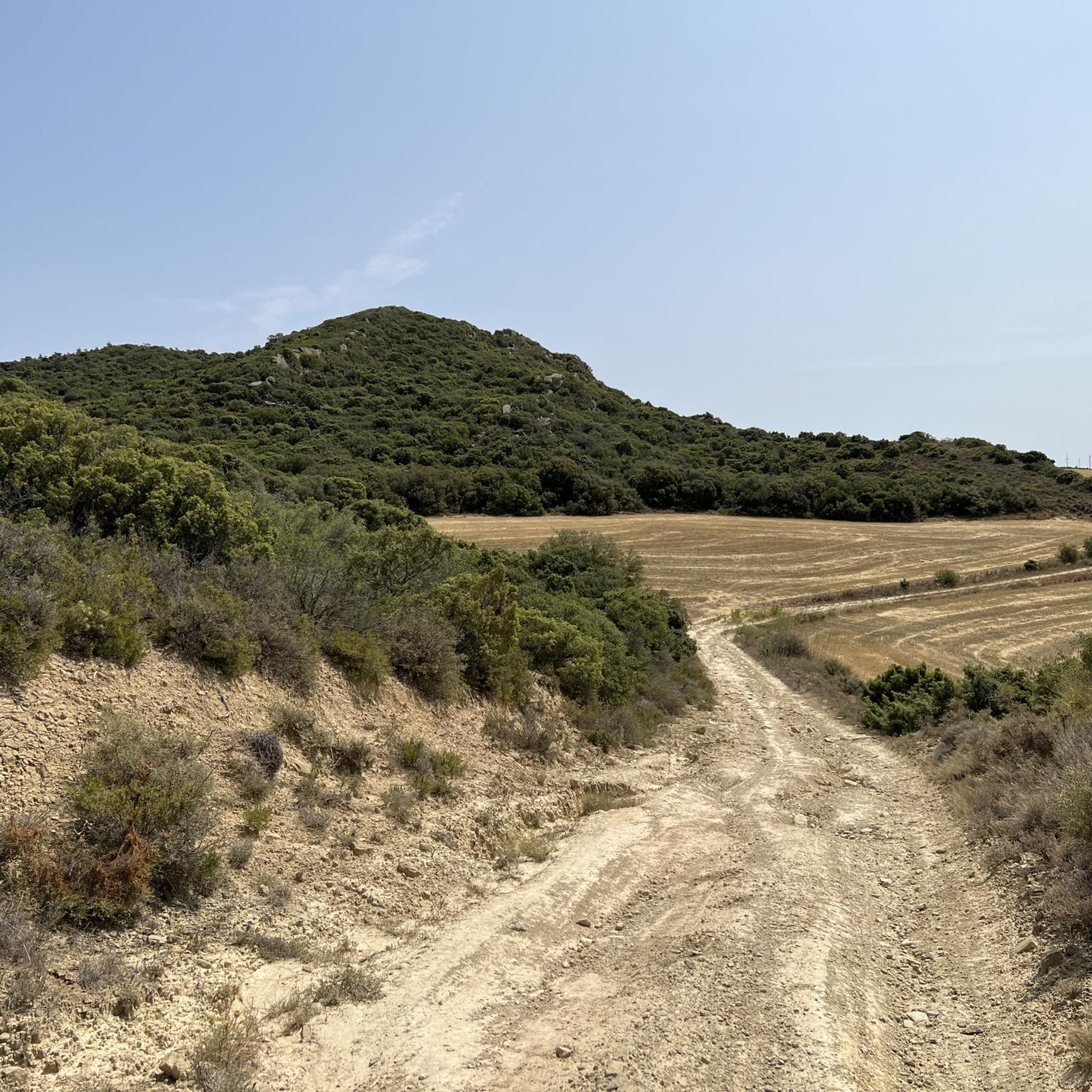
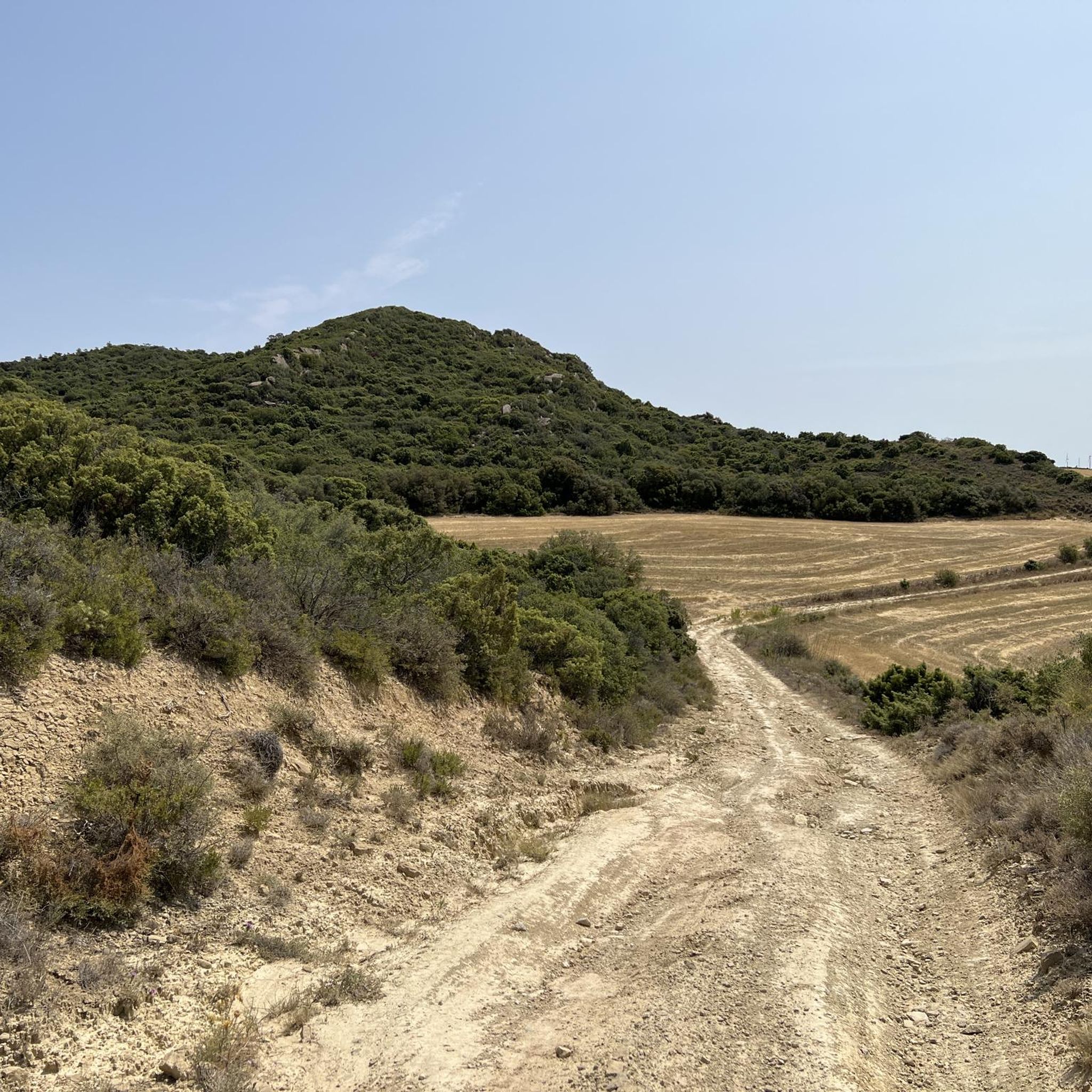
Impressive. A road that surely comes from Salinas de Oro and reaches the city of Andelos. Next to it there is a small rest area with tables and some shade.
1
0

One of the few octagonal churches in the world, belonging to the Templars.
1
0

There is something magical about this place
2
0

A nice detour on the Camino.
1
0
Frequently Asked Questions
What historical sites can I explore in and around Mendigorría?
Mendigorría is rich in history. You can visit the significant Roman City of Andelos and its Archaeological Museum, which showcases a sophisticated urban structure and hydraulic system. Don't miss the Roman Bridge and Road of Andelos. Other notable historical sites include the Puente la Reina Romanesque Bridge, a crucial meeting point on the Way of St. James, and the 12th-century Church of Santa María de Eunate, known for its distinctive exterior cloister.
Are there any significant religious buildings to visit in Mendigorría?
Yes, Mendigorría and its surroundings feature several important religious buildings. The Parish Church of San Pedro boasts Gothic-Renaissance origins and a key Romanesque altarpiece. The Church of Santa María, located at the town's highest point, offers panoramic views and houses a Gothic carving of the Virgin Mary. You can also visit the Church of Saint John the Baptist in Obanos, built in a neo-Gothic style, and the Church of the Crucifix.
What natural features and viewpoints can I enjoy in the Mendigorría area?
The town is beautifully situated on a meander of the Arga River, offering pleasant natural surroundings. From various points, especially near the Church of Santa María, you can enjoy expansive panoramic views of the Navarrese landscape, including Montejurra, the Sierra del Perdón, and the Sierra de Andía. The area also provides equipped picnic areas along the Arga and Salado rivers for outdoor relaxation.
What outdoor activities can I do near Mendigorría?
Mendigorría is a great base for outdoor activities. You can explore various routes for different sports. For road cycling, consider routes like 'Embalse de Alloz – return from Puente la Reina' or 'Miranda de Arga - Tafalla'. Runners can enjoy trails such as 'Puente la Reina – Arnotegi Hermitage loop'. Mountain biking enthusiasts have options like 'Artajona - Puente la Reina – circular desde Camping Mendigorria'. You can find more details on these and other routes in the Road Cycling Routes, Running Trails, and MTB Trails guides around Mendigorría.
Are there family-friendly attractions around Mendigorría?
Yes, several attractions are suitable for families. The Puente la Reina Romanesque Bridge and the Roman Bridge and Road of Andelos offer historical exploration that can engage children. The equipped picnic areas along the Arga and Salado rivers are perfect for family outings and relaxation in nature. Many of the religious buildings, such as the Church of Saint John the Baptist, Obanos, are also considered family-friendly.
How long should I plan to spend at the Roman City of Andelos?
To fully appreciate the Roman City of Andelos and its Archaeological Museum, including its sophisticated urban structure and impressive hydraulic system, it is recommended to allocate at least half a day. This allows time to explore the ruins, understand the historical context, and visit the museum exhibits.
What are some unique architectural features or 'hidden gems' in Mendigorría?
Beyond the major sites, Mendigorría offers charming architectural details. Stroll through the streets of San Pedro, de la Cerca, and Bernardino Ayala to admire the significant noble 'Blazoned Houses' from the 17th and 18th centuries, adorned with ancestral coats of arms. The Town Hall in Plaza de Los Fueros is also a notable 17th-century stonework building. The Hermitage of Nuestra Señora de Andión, adjacent to the Roman ruins, and the Hermitage of Santiago, on an elevated position, offer quieter historical insights.
What do visitors enjoy most about the attractions around Mendigorría?
Visitors particularly appreciate the rich historical significance and the well-preserved ancient sites, such as the Roman infrastructure. The beauty of the Romanesque churches, like the Church of Santa María de Eunate with its unique cloister, is often highlighted. The blend of cultural heritage with opportunities for outdoor exploration along the Arga River and the expansive panoramic views also receive high praise from the komoot community.
Is Mendigorría accessible by public transport?
While Mendigorría is a smaller town, it is located in the central zone of Navarra. Public transport options to Mendigorría may be limited compared to larger cities. It's advisable to check local bus schedules from nearby larger towns like Puente la Reina or Pamplona for the most up-to-date information on routes and timings.
Are there any specific bridges of historical interest in the area?
Absolutely. The most famous is the Puente la Reina Romanesque Bridge, a historic crossing over the Arga River where two branches of the Way of St. James converge. Within Mendigorría itself, there's a modern Bridge over the Arga River, and importantly, a Roman bridge over the Arga River that leads directly to the ancient city of Andelos, showcasing ancient engineering.
What is the best time of year to visit Mendigorría for sightseeing and outdoor activities?
The central zone of Navarra, where Mendigorría is located, generally experiences pleasant weather during spring (April-June) and autumn (September-October). These seasons offer comfortable temperatures for exploring historical sites, enjoying panoramic views, and engaging in outdoor activities like cycling, running, or hiking without the intense heat of summer or the chill of winter. Summer can also be a good option, but be prepared for warmer temperatures.
Most popular routes around Mendigorría

Get inspired with the komoot mobile app


Explore more
Still not found the Highlight you’re looking for? See guides of the top attractions in other regions:
