Attractions and Places To See around Villaseca De Uceda - Top 20
Best attractions and places to see around Villaseca De Uceda include a mix of historical landmarks and natural features. This tranquil municipality in Guadalajara province transitions between Campiña and Sierra landscapes, offering diverse scenery. The area features well-preserved historical sites, significant natural formations, and trails along rivers and through wooded pastureland. Visitors can explore ancient structures and geological formations that define the region's character.
Best attractions and places to see around Villaseca De Uceda
- The most popular attractions is Pontón…
Last updated: July 7, 2026
Pontón de la Oliva Dam and Cliffside Pathways
Highlight • Monument
Translated by Google •
Tip by

Viñuelas Mill
Highlight • Monument
Translated by Google •
Tip by

Sign up now to discover places like this
Get recommendations on the best single tracks, peaks, & plenty of other exciting outdoor places.
Sign up for free
Medieval Bridge over the Jarama River
Highlight • Bridge
Translated by Google •
Tip by

Cañada de la Caleriza Trail
Highlight (Segment) • Trail
Translated by Google •
Tip by

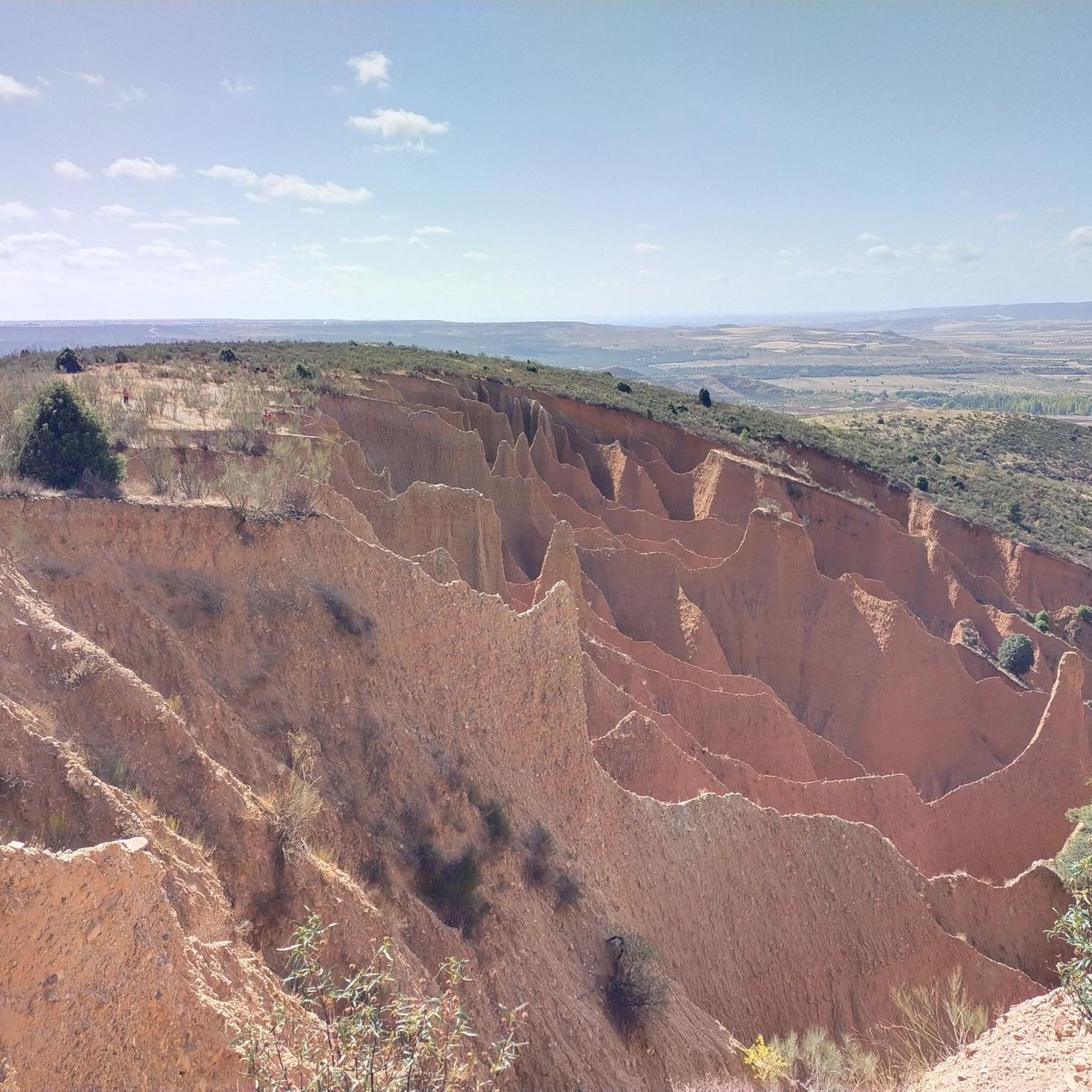
Las Cárcavas - Pontón de la Oliva
Highlight • Gorge
Translated by Google •
Tip by
Sign up for free to discover even more attractions around Villaseca De Uceda.
Sign up for free
Already have an account?
Start today with a free account
Your next adventure awaits.
Login or Signup
Tips from the Community

start from the dam
1
0

Very cool views, key and historic location, stop by for a look
0
0

Beautiful place where people go for a walk or to climb.
1
0

The Pontón de la Oliva is a Spanish dam located in the Ayllón mountain range, northeast of the Community of Madrid and northwest of the province of Guadalajara. It was built in 1857 and is currently disused. This dam is the sixth and last in the course of the Lozoya River, and is the oldest of the entire system of dams and canalizations of the Canal de Isabel II. This canal supplies drinking water to Madrid and a large part of the community. The height of the Pontón de la Oliva Dam is approximately 30 meters. If you are interested in exploring the area, there are routes that take you to the Cárcavas de Pontón de la Oliva, a curious geological formation in the Community of Madrid. In addition, you can enjoy a route along the Pontón de la Oliva to the Lozoya River, which offers impressive views. I hope you find this information interesting! 😊
4
0
Over the Jarama River, near Valdesotos and its Prehistoric Caves, it is a very well preserved bridge where it is worth stopping to rest and meditate.
2
0

The solitary Molino de Viñuelas stands on top of a hill that dominates this magnificent landscape. The views are worth pedaling to Viñuelas.
1
0

The Cañada de la Caleriza is a winding path that runs along the banks of the Lozoya River. This section coincides with the beginning of the GR 88, which runs through the provinces of Madrid, Segovia and Guadalajara. The Lozoya is a tributary of the Jarama along whose 91-kilometer route six reservoirs have been built.
2
0

The Viñuelas mill is one of the biggest tourist attractions in the town of Viñuelas. We know that it dates from the 19th century but there is no exact date of its construction or who its founder was. It is the only standing mill in the entire province of Guadalajara, being the northernmost mill in the entire autonomous community of Castilla la Mancha.
1
0
Frequently Asked Questions
What natural features can I explore around Villaseca De Uceda?
Villaseca De Uceda offers a diverse natural landscape. You can explore the wooded pastureland of Dehesa Monte Bajo, characterized by holm oaks, Pyrenean oaks, and ancient juniper trees, home to varied wildlife. The area also features the unique geological formations of Rañas de Matarrubia, Villaseca y Casas de Uceda, a Site of Community Importance with striking red-colored gullies. Additionally, several natural lagoons like Laguna de las Eras and Laguna el Pozo attract wading birds in the southern part of the municipality.
Are there historical sites to visit in Villaseca De Uceda?
Yes, the region is rich in history. You can visit the Parish Church of Santo Ángel (also known as San Miguel), a Renaissance-style church with Plateresque elements. Another significant historical landmark is the well-preserved Medieval Bridge over the Jarama River, featuring three arches and offering views of the canyon. The Pontón de la Oliva Dam, the oldest dam in Madrid, also holds historical significance.
What kind of outdoor activities can I do near Villaseca De Uceda?
The area around Villaseca De Uceda is excellent for outdoor activities. You can enjoy hiking and cycling on rural roads and paths that offer expansive views over the Jarama Valley. For specific routes, consider exploring the hiking trails, such as the Pontón de la Oliva to La Parra Dam Circular Trail or the Jarama Trails Loop. There are also numerous cycling routes and MTB trails available.
Are there any family-friendly attractions or activities?
Families can enjoy exploring the Viñuelas Mill, a well-preserved old mill offering picturesque views. The natural lagoons in the southern part of the municipality can be interesting for birdwatching. Additionally, many of the rural paths and trails are suitable for family walks, especially easier sections like the Camino Mendocino: Viñuelas Loop, which is rated as easy.
Where can I find scenic viewpoints in the area?
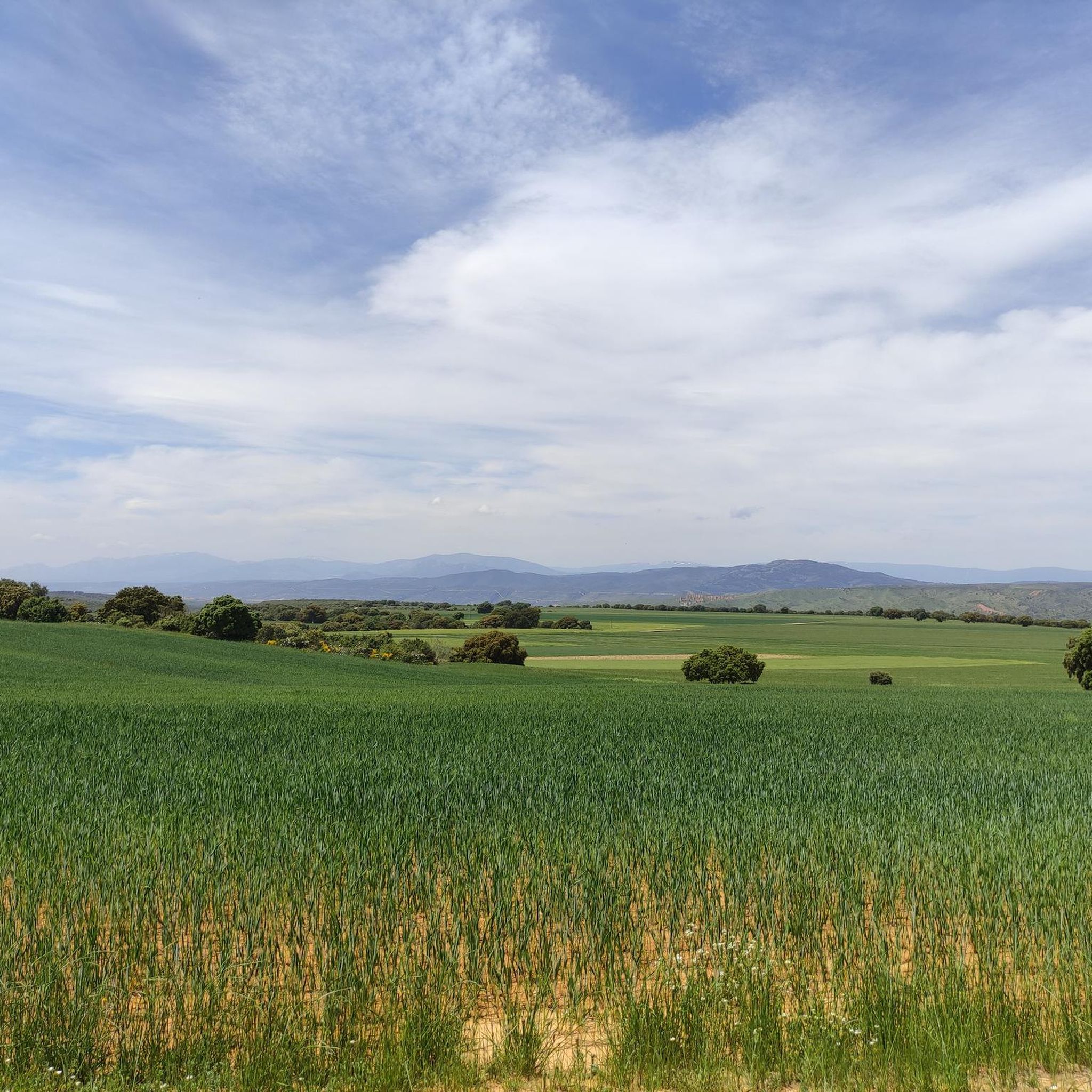
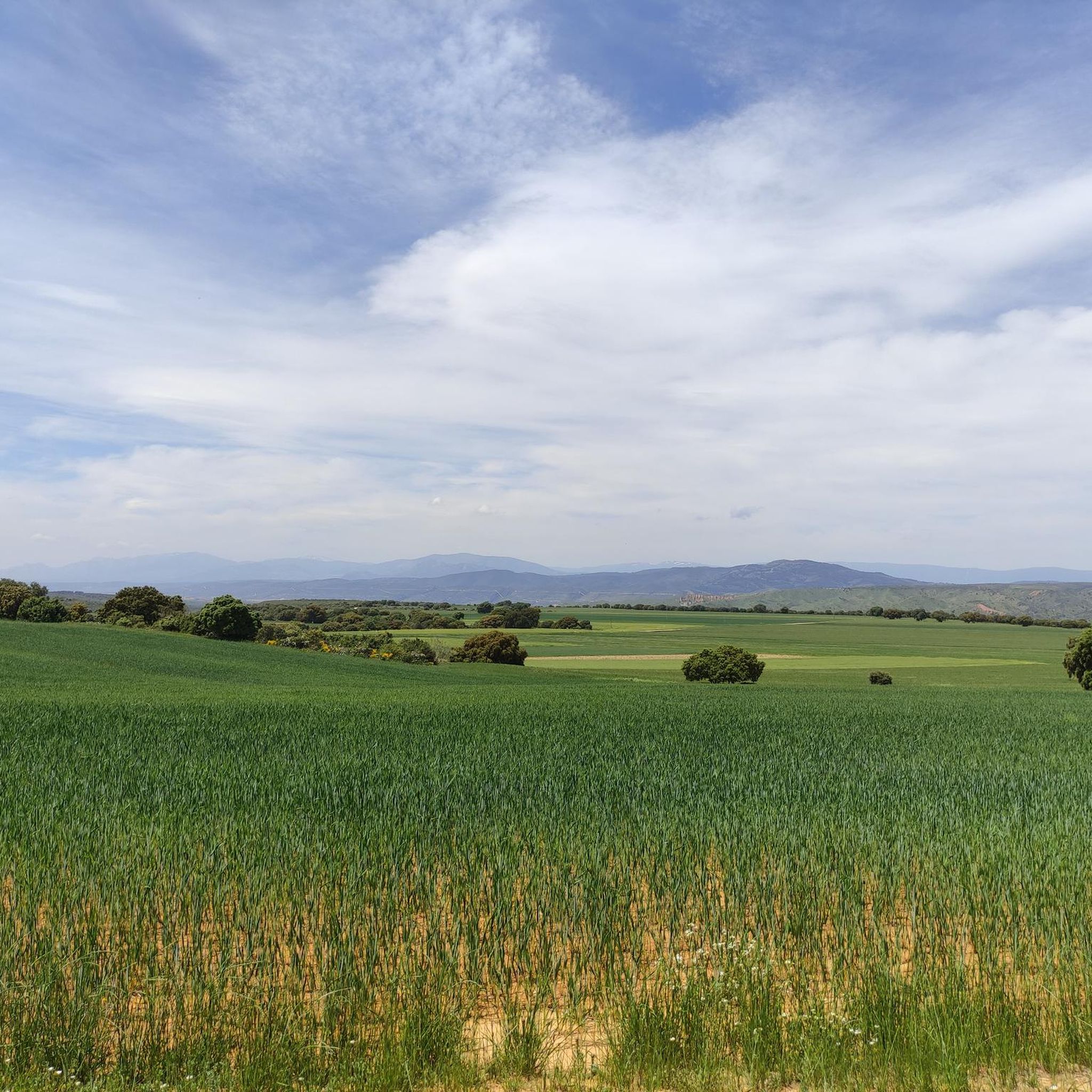
Several locations offer stunning views. The Medieval Bridge over the Jarama River provides excellent views of the canyon and the river. The Pontón de la Oliva Dam and Cliffside Pathways also offer impressive vistas. Furthermore, the rural roads and paths throughout the Jarama Valley provide expansive panoramic views of cultivated fields, oak groves, and gentle elevations.
What are the unique geological formations near Villaseca De Uceda?
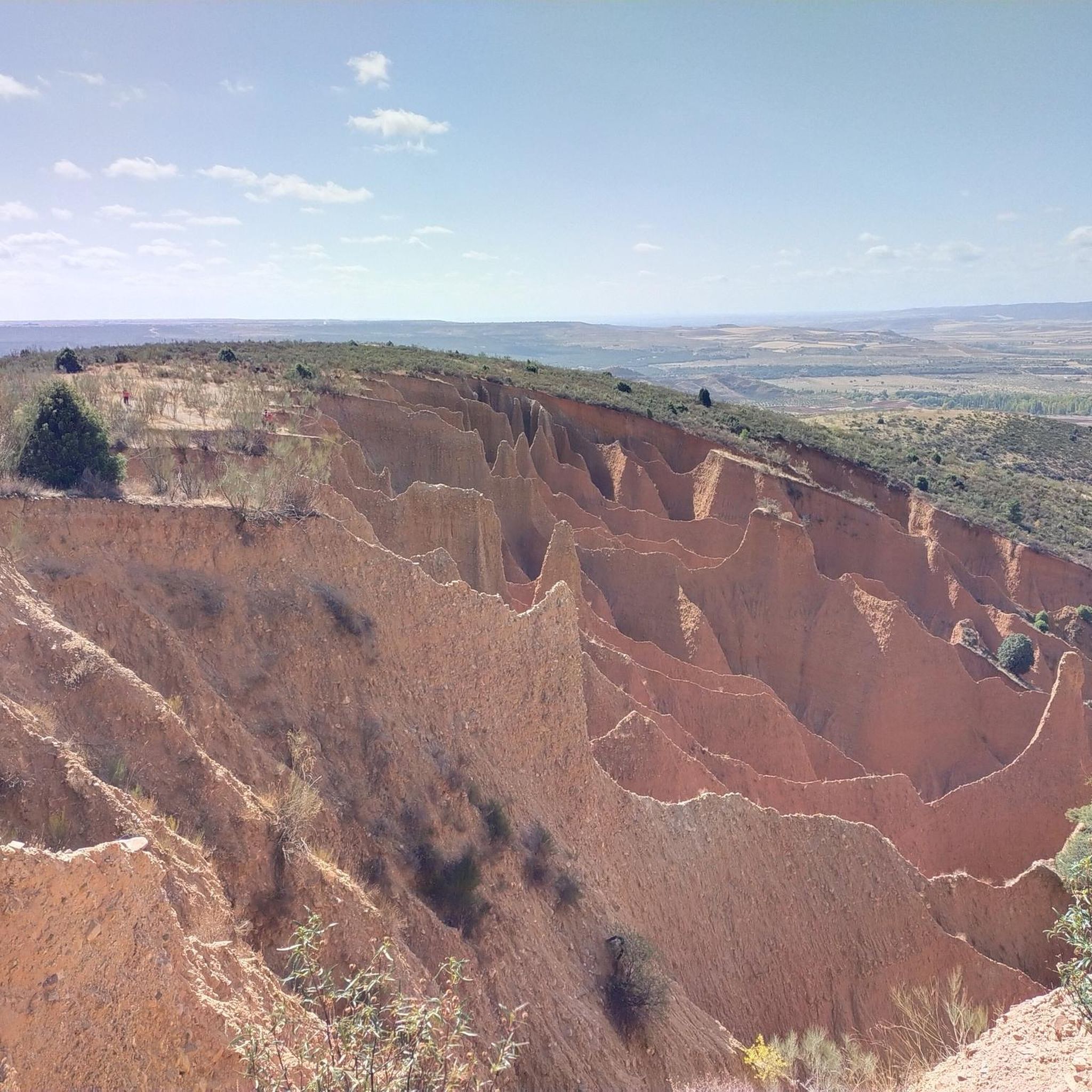
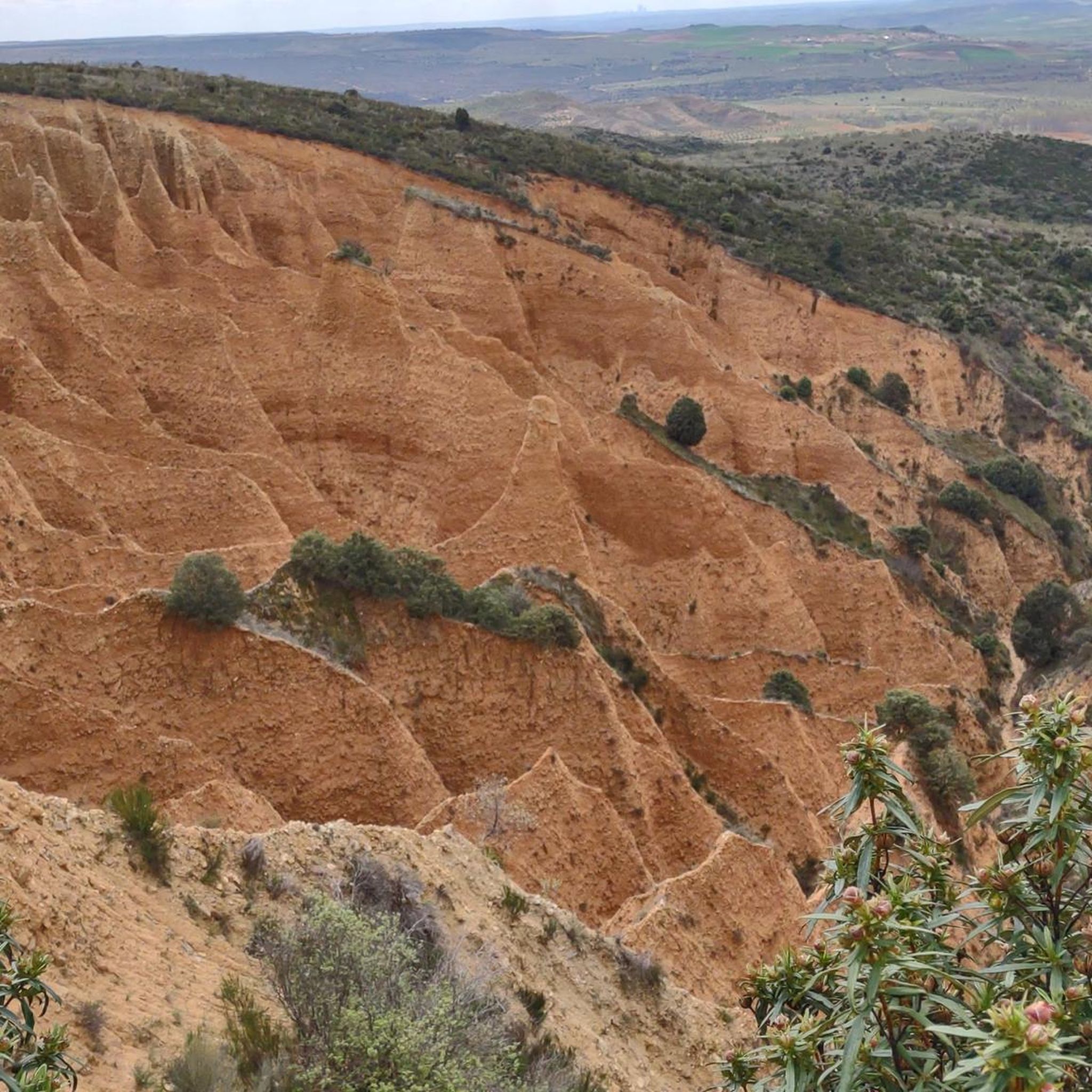
The most notable unique geological formations are Las Cárcavas - Pontón de la Oliva, where strong water erosion has created a 'Martian landscape' of ditches and striking red-colored gullies. This area, part of the Rañas de Matarrubia, Villaseca y Casas de Uceda, is recognized for its distinctive ecosystems and geological features.
Can I find places for swimming or water activities?
Yes, near the Medieval Bridge over the Jarama River, a small path leads down to a beach area on the right bank, which is ideal for swimming on a hot day. The natural lagoons also attract various bird species, offering opportunities for nature observation near water.
What wildlife can I expect to see in the natural areas?
In areas like Dehesa Monte Bajo, you might spot diverse wildlife including roe deer, wild boars, foxes, rabbits, and various reptiles such as the snouted viper, snakes, lizards, and frogs. Bird species are plentiful, with sightings of swifts, house martins, swallows, sparrows in urban areas, and partridges, wood pigeons, quail, magpies, little owls, hoopoes, and bee-eaters in the surrounding monte and plains. The natural lagoons attract wading birds like herons and storks, as well as starlings and various ducks.
What is the best time of year to visit Villaseca De Uceda for outdoor activities?
The transition between the Campiña and the Sierra landscapes means the area offers diverse scenery throughout the year. Spring and autumn generally provide the most pleasant temperatures for hiking and cycling, with lush greenery in spring and vibrant colors in autumn. Summer can be hot, but the river areas and swimming spots offer refreshment. Winter offers a different, tranquil beauty, though some paths might be more challenging.
What is special about the Pontón de la Oliva Dam?
The Pontón de la Oliva Dam is historically significant as the oldest dam in Madrid, constructed in 1857 during the reign of Isabel II from local limestone. It was built to supply water to the court and is the sixth and last dam in the course of the Lozoya River. Although currently disused, it's a notable landmark with surrounding cliffside paths and information panels detailing its history and architectural importance.
Can I explore the historic town of Uceda from Villaseca de Uceda?
Yes, Villaseca de Uceda is conveniently close to the historic town of Uceda. Uceda features an ancient walled enclosure of Islamic origin and defensive remains, offering significant cultural and historical appeal. From Villaseca, visitors can easily access this fortified hill for panoramic views of the Jarama Valley and explore its historical sites.
Are there any easy walking routes suitable for beginners?
Yes, for those seeking easier walks, the area offers routes like the Camino Mendocino: Viñuelas Loop, which is rated as easy. Many rural roads and paths throughout the Jarama Valley are also suitable for gentle strolls, allowing you to enjoy the landscape without significant difficulty. These trails often connect to natural viewpoints and Mediterranean forest areas.
Most popular routes around Villaseca De Uceda

Get inspired with the komoot mobile app


Explore more
Still not found the Highlight you’re looking for? See guides of the top attractions in other regions:
