Top 13 Castles around Tàrrega
Best castles around Tàrrega are found in a region rich with history, particularly along the Segarra and Sió Castles routes. This area features a landscape of cultivated fields and small hills, often home to medieval villages. The castles served as significant border defenses during the Reconquest, marking the divide between Arab and Christian territories. Exploring these sites provides insight into the region's historical importance and architectural heritage.
Best castles around Tàrrega
- The most popular castles is Castell de l'Aranyó,…
Last updated: June 22, 2026
Florejacs Castle
Highlight • Castle
Translated by Google •
Tip by

Les Pallargues Castle
Highlight • Castle
Translated by Google •
Tip by
Sign up now to discover places like this
Get recommendations on the best single tracks, peaks, & plenty of other exciting outdoor places.
Sign up for free
Castell de l'Aranyó
Highlight • Castle
Restored and with a great history. We will be able to go back in time with the information panels.
It is …
Translated by Google •
Tip by
Castillo de Montcortés
Highlight • Castle
Translated by Google •
Tip by
Concabella Castle
Highlight • Castle
Translated by Google •
Tip by

Sign up for free to discover even more castles around Tàrrega.
Sign up for free
Already have an account?
Start today with a free account
Your next adventure awaits.
Login or Signup

Other adventures around Tàrrega

Tips from the Community


Les Pallargues Castle, which is part of the Sió Castles Route, is a place that transports you to the medieval past. The guided tour is highly recommended to get an idea of what it was like and how people lived there throughout its thousand years of history.
0
0
In the Segarra region, which forms part of the Sió Castles route, we come across the Florejacs castle, which was part of the Reconquest as a border line between Arabs and Christians. Can visit.
0
0
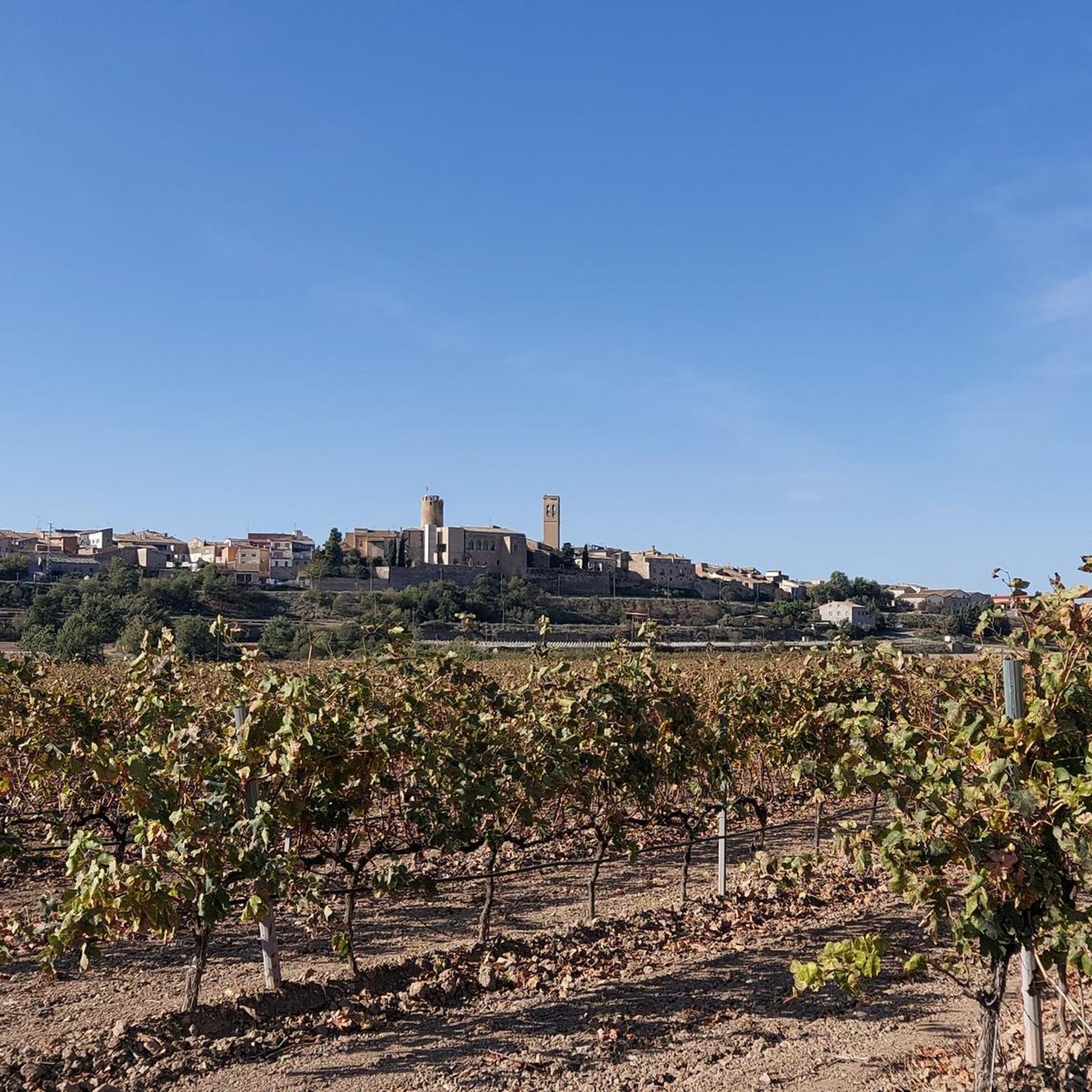
Florejacs castle is part of the Segarra castles route. Located in the homonymous town that stands on a small hill, in the middle of cultivated fields. This building was part of the border line between the Arab world and the Christian world at the time of the Reconquest. We can visit it, but we must inform ourselves of the schedules.
0
0
Castle that is part of the Segarra castles route. Restored and with a great history. We will be able to go back in time with the information panels. It is the birthplace of the writer Manuel de Pedrolo. Apart from the castle, I recommend you to take a walk through the beautiful village with a medieval air among the cereal fields. Visit the Aranyó portal
0
0
Imposing castle, used as a fortress and that we find during the route of the castles. The enormous building contrasts with the surrounding country houses and the 16th-century church of Santa Ana opposite. The closest castle is 1.5 km away and it is the Castillo d'Aranyó
0
0
The Castle of les Pallargues, is a place that transports you to the medieval past. Highly recommended, the guided tour to get an idea of what it was like and how people lived there throughout its thousand years of history.
0
0
Florejacs castle was part of the Reconquest as a border line between Arabs and Christians. Can visit.
1
0
Frequently Asked Questions
Which castles around Tàrrega are particularly rich in history?
The castles in this region, such as Florejacs Castle and Castell de l'Aranyó, played a significant role as border defenses during the Reconquest between Arab and Christian territories. Bellpuig Castle also has origins dating back to the 11th century, with remains of a 16th-century residential fortress still visible.
Are there any family-friendly castles to visit near Tàrrega?
Yes, Concabella Castle is categorized as family-friendly, making it a good option for visitors with children. Many castles in the region offer a glimpse into history that can be engaging for all ages.
What kind of outdoor activities can I do near the castles around Tàrrega?
The area around Tàrrega offers various outdoor activities. You can find numerous hiking trails, including routes like 'Castillo de Tàrrega y Vilagrassa — circular desde Tàrrega' and 'Hiking loop from Tàrrega'. For more options, explore the Hiking around Tàrrega guide. There are also running and gravel biking routes available, some of which pass by castles like Castillo de Montcortés and Castell de l'Aranyó.
Can I visit the interior of the castles?
Some castles, like Florejacs Castle, are open for visits, though it's advisable to check their schedules in advance. At Bellpuig Castle, you can explore the lower galleries and see parts of the southeast wall, as it now houses municipal offices and a music school.
Are there walking trails that specifically include castles?
Yes, the region is known for its 'Segarra and Sió Castles routes,' which are designed for exploring these historical sites. For example, the 'Castillo de Tàrrega y Vilagrassa — circular desde Tàrrega' is a hiking route that incorporates a castle. You can find more castle-related routes in the Hiking around Tàrrega guide.
What do visitors particularly enjoy about the castles around Tàrrega?
Visitors appreciate the historical significance and architectural heritage of the castles. Many enjoy walking through the beautiful medieval villages surrounding sites like Castell de l'Aranyó and exploring the imposing structures such as Castillo de Montcortés. The information panels at some sites also help bring the history to life.
How far are the castles from Tàrrega?
The castles are generally located within the broader region surrounding Tàrrega. For instance, Castillo de Montcortés is approximately 1.5 km from Castell de l'Aranyó, indicating they are relatively close to each other and accessible from Tàrrega.
Is parking available near the castles?
While specific parking details for each castle are not provided, most medieval villages and historical sites in the region typically offer some form of parking facilities, often in or near the town centers where the castles are located. It's recommended to check local signage upon arrival.
Are there any lesser-known or 'hidden gem' castles worth exploring?
Beyond the most popular sites, Concabella Castle, part of the Castells del Sió route, offers a glimpse into the region's history and is well-regarded by the community. Exploring the smaller villages along the Segarra and Sió Castles routes can also reveal charming, less-frequented historical sites.
What is the best time of year to visit the castles around Tàrrega?
The region experiences a Mediterranean climate. Spring (April-June) and autumn (September-October) generally offer pleasant temperatures for exploring the outdoor sites and walking through the villages. Summers can be hot, while winters are mild but can be damp.
Can I find cafes or restaurants near the castles?
Many castles are situated within or adjacent to small medieval villages. While specific establishments are not listed, these villages often have local cafes or restaurants where visitors can find refreshments and meals. For example, the beautiful village around Castell de l'Aranyó would likely offer such amenities.
Are the castles accessible by public transport?
Access to some of the smaller, more remote castles by public transport might be limited. Tàrrega itself is a regional hub, but reaching individual castles often requires a car or a combination of public transport to a nearby town followed by a walk or taxi. Planning your route in advance is advisable.
Most popular routes around Tàrrega
Most popular attractions around Tàrrega

Get inspired with the komoot mobile app


Explore more
Looking for the best castles somewhere else? Discover other guides around Tàrrega:
