The best road cycling routes around Villar Del Río
4.9
(8)
274
riders
19
rides
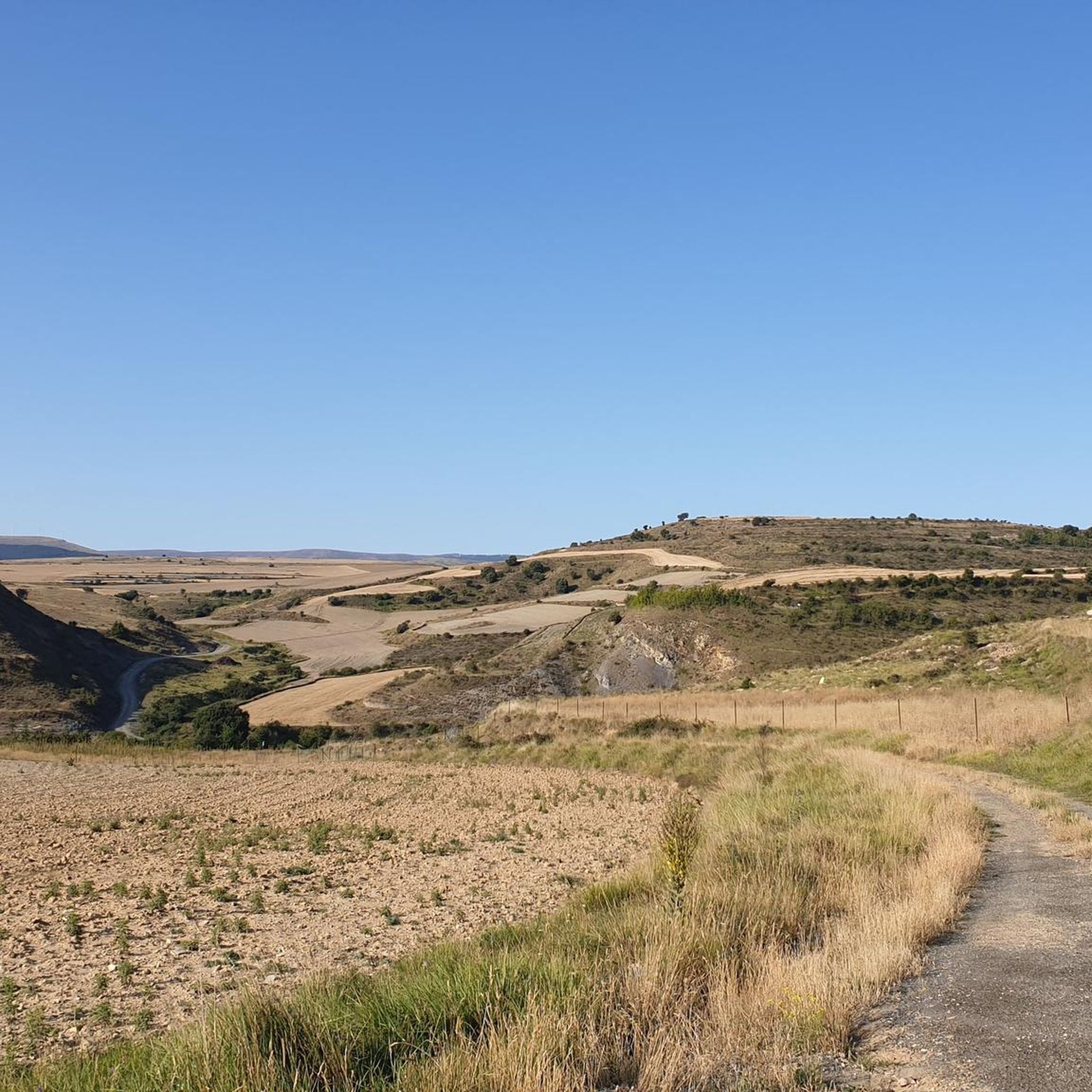
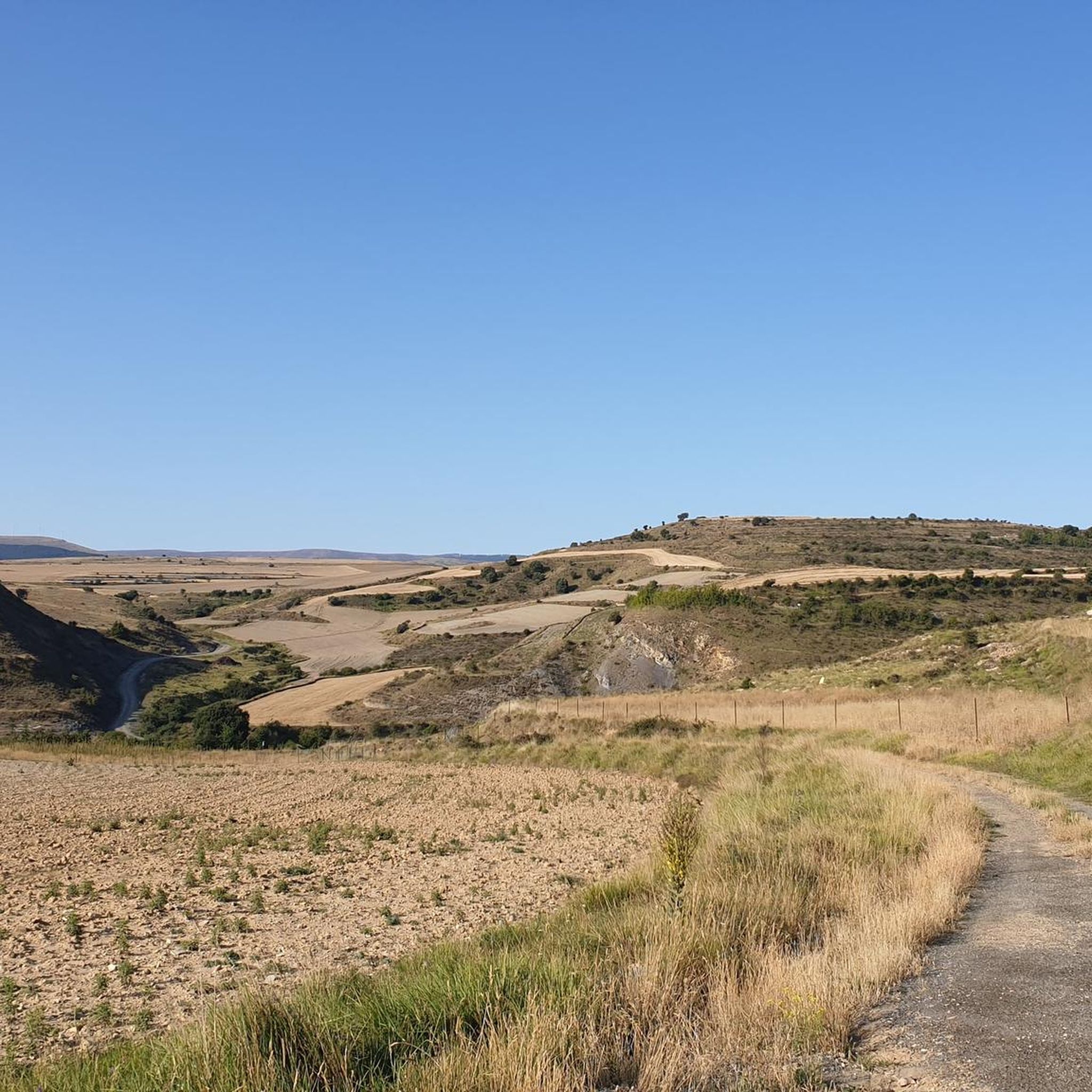
Road cycling routes around Villar Del Río are situated within the Soria Highlands, an area characterized by mountainous terrain, rolling hills, and significant elevation changes. The region offers a mix of challenging climbs and rewarding descents on generally quiet, paved roads. Cyclists can experience diverse scenery, transitioning from dense pine forests to open fields and river valleys. This landscape provides varied experiences for road cyclists seeking demanding ascents and moderate rides.
Best road cycling routes around Villar Del Río
- The…
Last updated: July 12, 2026
9
riders
85.5km
04:14
1,340m
1,340m
Hard road ride. Very good fitness required. Some segments of this route may be unpaved and difficult to ride.
8
riders
124km
06:12
2,050m
2,050m
Hard road ride. Very good fitness required. Mostly well-paved surfaces and easy to ride.

Sign up for free
7
riders
61.8km
03:08
1,040m
1,040m
Hard road ride. Very good fitness required. Mostly well-paved surfaces and easy to ride.
4.8
(6)
163
riders
94.9km
04:32
1,240m
1,240m
Hard road ride. Very good fitness required. Mostly well-paved surfaces and easy to ride.
32
riders
73.9km
03:25
870m
870m
Moderate road ride. Good fitness required. Mostly well-paved surfaces and easy to ride.
Get access to more routes and recommendations from other explorers.
Sign up for free
Already have an account?
Our route recommendations are based on thousands of hikes, rides, and runs completed by other people on komoot.
Start today with a free account
Your next adventure awaits.
Login or Signup
Tips from the Community

Good port; the beautiful landscape brings you
0
0

there is a fountain and bar in the square
1
0

The stone bridge is one of the four bridges that cross the Ebro in Logroño. It is also called the bridge of San Juan de Ortega. The current structure was built in 1884 after the previous bridge collapsed in 1871. As one of the city's symbols, the bridge, which is used to enter the town on the Way of St. James, can also be seen on its coat of arms. https://www.spain.info/de/highlights/steinbruecke/
2
0

Rivers like the Ebro were a big challenge for pilgrims in the centuries before. That's why the Way of St. James always runs along traffic routes with bridges. The larger cities are always found where there are large bridges. The motorways and national roads now have their own paths. And that's a good thing.
2
0

Santa Cruz de Yanguas is a municipality in Soria in the Tierras Altas region, community of Castilla y León. During the Middle Ages it was part of the Community of Villa y Tierra de Yanguas. It is located in the Baos River basin, and has important forest and mycological resources. The municipal area is part of the Urbión Regional Reserve, with a large presence of deer, roe deer, wild boar and woodcock. Of its heritage, the Roman bridge that spans the bed of the Baos River, the church of the Santísima Trinidad (16th century) in Gothic style and the hermitage of the Virgen del Pilar stand out. As in the rest of the region, you can find dinosaur footprints (ichnites).
2
0
San Pedro Manrique is a municipality in Soria in the Tierras Altas region, in the community of Castilla y León. Its origin dates back to the Celts, Vascones, Iberians and Romans. With the passage of time, other neighboring towns such as Sarnago, Las Fuentes de San Pedro, Matasejún, Palacio de San Pedro, Taniñe, Valdenegrillos and Ventosa de San Pedro have been incorporated into the municipal area. San Pedro Manrique is well known for his particular way of celebrating San Juan Day. On the night of San Juan the well-known "paso del fuego" is carried out, in which the embers of a bonfire are stepped on by the town's natives, barefoot and carrying someone on their backs. Among its heritage, the hermitage of the Virgen de la Peña, the church of San Miguel, the remains of a castle on the outskirts and the ruins of the convent of San Pedro el Viejo stand out.
0
0

The small town of Aldealseñor is home to two impressive heritage gems. On the one hand, there is the Romanesque church of Nuestra Señora de la Blanca, on the other the spectacular palace-tower, built between the 14th and 16th centuries.
0
0

Magnificent traditional entrance to the Camino De Santiago.
1
0
Frequently Asked Questions
What kind of terrain can I expect when road cycling around Villar Del Río?
Road cycling around Villar Del Río, situated in the Soria Highlands, offers a diverse and challenging experience. You'll encounter mountainous terrain with significant elevation changes, including demanding climbs and rewarding descents. The landscape transitions from dense pine forests to open fields and river valleys, all on generally quiet, paved roads.
How many road cycling routes are available around Villar Del Río?
There are 18 road cycling routes available around Villar Del Río. These include 12 moderate routes and 6 difficult routes, offering options for various skill levels.
Are there any circular road cycling routes in the Villar Del Río area?
Yes, several routes are circular. For example, the Tierra Altas alta de Sória y San Pedro Manrique — circular desde Yaguas is a popular circular option that takes you through varied landscapes and historic villages. Another challenging circular route is the Sierra de Alcarama – Cornago Loop, offering panoramic views.
What are the typical distances and durations for road cycling routes here?
Routes vary in length and duration. For instance, the Soria Highlands Loop is about 53 miles (85.5 km) and takes around 4 hours 14 minutes. Longer routes like the Sierra de Alcarama – Cornago Loop can be up to 77 miles (123.7 km) and take over 6 hours to complete, depending on your pace and stops.
What kind of landmarks or scenic viewpoints can I expect along the routes?
The Soria Highlands offer numerous scenic viewpoints with panoramic views of the natural beauty. You can also discover historic villages like Yanguas Historic Village, known for its stone houses and Romanesque churches. The region is rich in Romanesque heritage, with many cultural gems to explore along the cycling paths.
Are there any unique natural attractions to see while road cycling?
Yes, the region boasts unique natural attractions. While more associated with mountain biking, the nearby El Barranco Perdido Paleo Adventure Park in Enciso is famous for its dinosaur footprints. You might also pass through areas like the Acebal de Garagüeta Nature Reserve, known for its holly forest, or enjoy views from Terrazas Heights.
What do other road cyclists enjoy most about road cycling in Villar Del Río?
The komoot community highly rates road cycling in Villar Del Río, with an average score of 4.9 stars. Cyclists often praise the challenging climbs, the quiet roads with minimal traffic, and the diverse scenery that includes pine forests, open fields, and river valleys. The opportunity to explore historic villages like Yanguas also adds to the experience.
Is Villar Del Río suitable for beginner road cyclists?
While the Soria Highlands are known for their mountainous terrain and significant elevation changes, there are moderate routes available. However, even moderate routes in this region can involve substantial climbing. Beginners should be prepared for rolling hills and some ascents, but the quiet roads make for a pleasant experience.
What is the best time of year for road cycling in Villar Del Río?
The Soria Highlands experience varied weather. Spring and autumn generally offer pleasant temperatures for cycling, with beautiful scenery as the landscape changes. Summers can be warm, especially at lower elevations, while winters can bring colder temperatures and potentially snow in the higher mountainous areas, making conditions more challenging.
Are there options for accommodation or places to eat along the routes?
The Soria Highlands are dotted with quaint villages, such as Yanguas and San Pedro Manrique, which often provide opportunities for rest stops. These villages may have small cafes, restaurants, or rural accommodations where cyclists can refuel and relax. It's advisable to check availability in advance, especially in smaller, less populated areas.
Can I find parking easily for road cycling routes in Villar Del Río?
Given the low population density of the Soria province, finding parking in or near the starting points of routes in Villar Del Río and surrounding villages is generally manageable. However, specific parking facilities may vary, so it's always a good idea to check local information for your chosen starting location.
Most popular attractions around Villar Del Río

Get inspired with the komoot mobile app


Explore more
Browse the best Road cycling routes in other regions.
