Attractions and Places To See around Revilla Del Campo - Top 20
Attractions and places to see around Revilla Del Campo offer a mix of historical sites and natural beauty. This town is situated on a small rise overlooking the plain formed by the Ausines River, providing a tranquil atmosphere. The region features river valleys, limestone hills, and is located near the Sierra de la Demanda mountain range. Archaeological findings also suggest its importance as a Roman settlement.
Best attractions and places to see around Revilla Del Campo
- The most popular attraction…
Last updated: July 2, 2026
Monastery of San Pedro de Cardeña
Highlight • Religious Site
Translated by Google •
Tip by

Statue of El Cid in Mecerreyes
Highlight • Monument
Translated by Google •
Tip by

Sign up now to discover places like this
Get recommendations on the best single tracks, peaks, & plenty of other exciting outdoor places.
Sign up for free
Sierra de la Demanda Greenway: Arlanzón to Pineda
Highlight (Segment) • Cycleway
Translated by Google •
Tip by

Ascent to Modúbar de la Cuesta
Highlight (Segment) • Climb
Translated by Google •
Tip by

Carrascal Cave
Highlight • Cave
Translated by Google •
Tip by

Sign up for free to discover even more attractions around Revilla Del Campo.
Sign up for free
Already have an account?
Start today with a free account
Your next adventure awaits.
Login or Signup
Tips from the Community

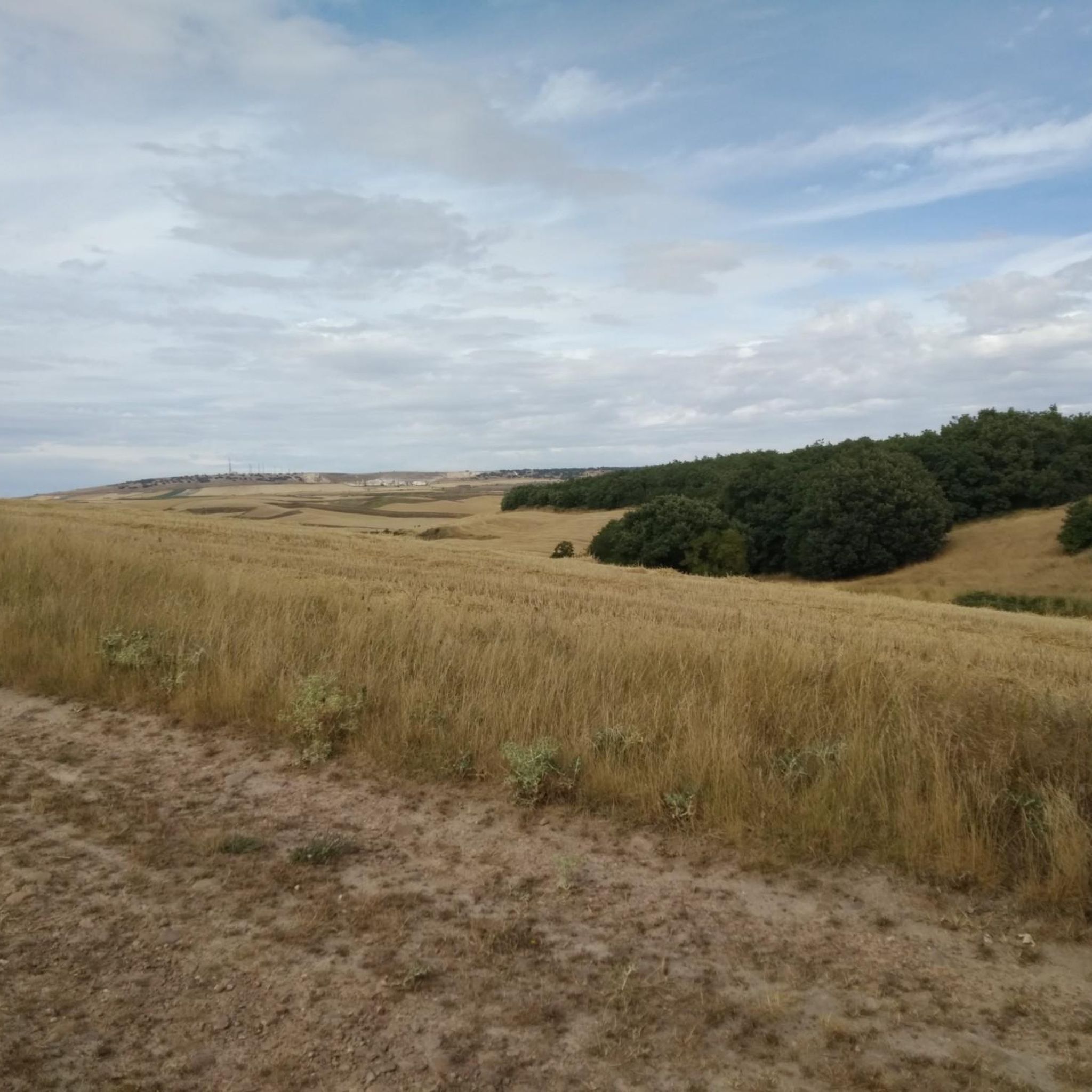
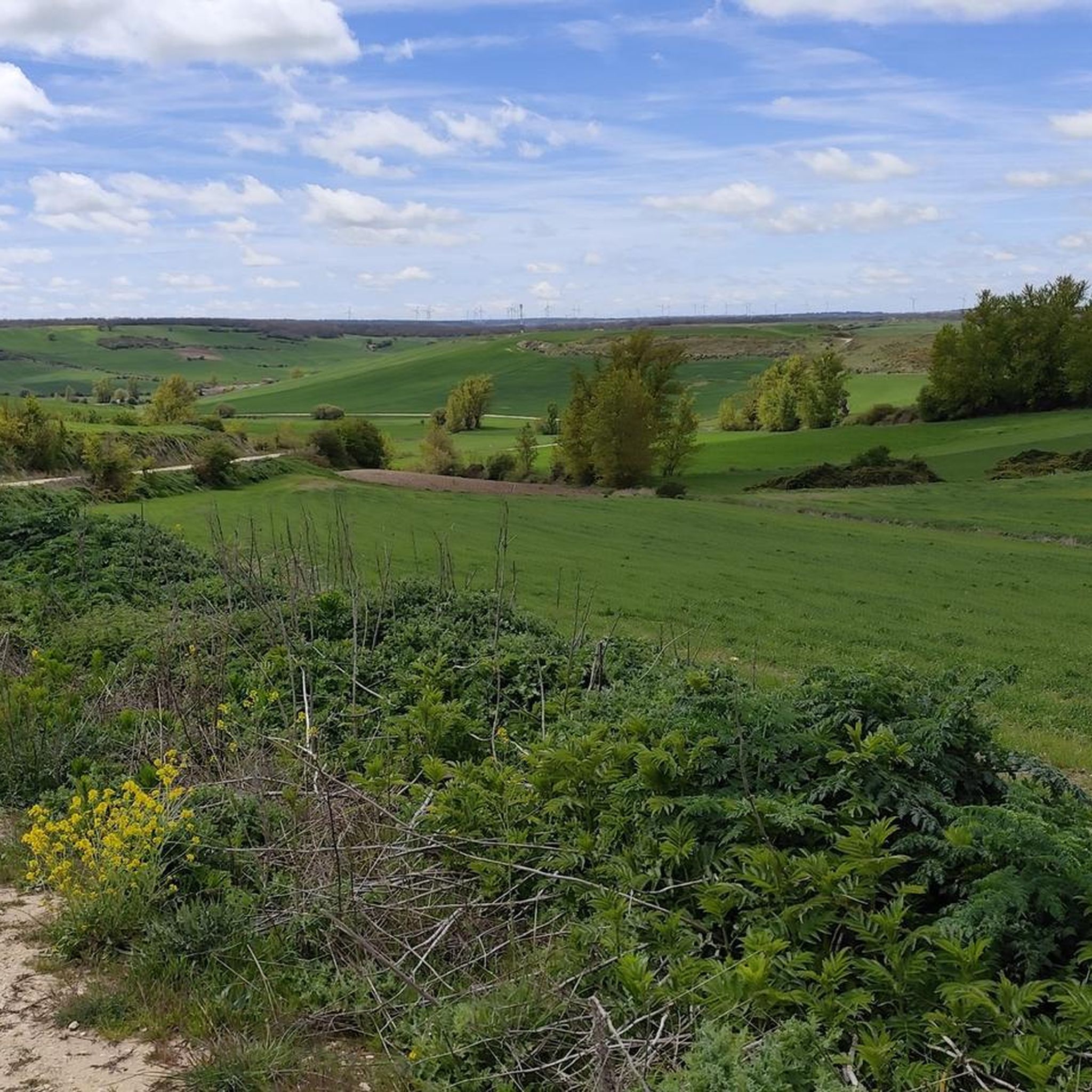
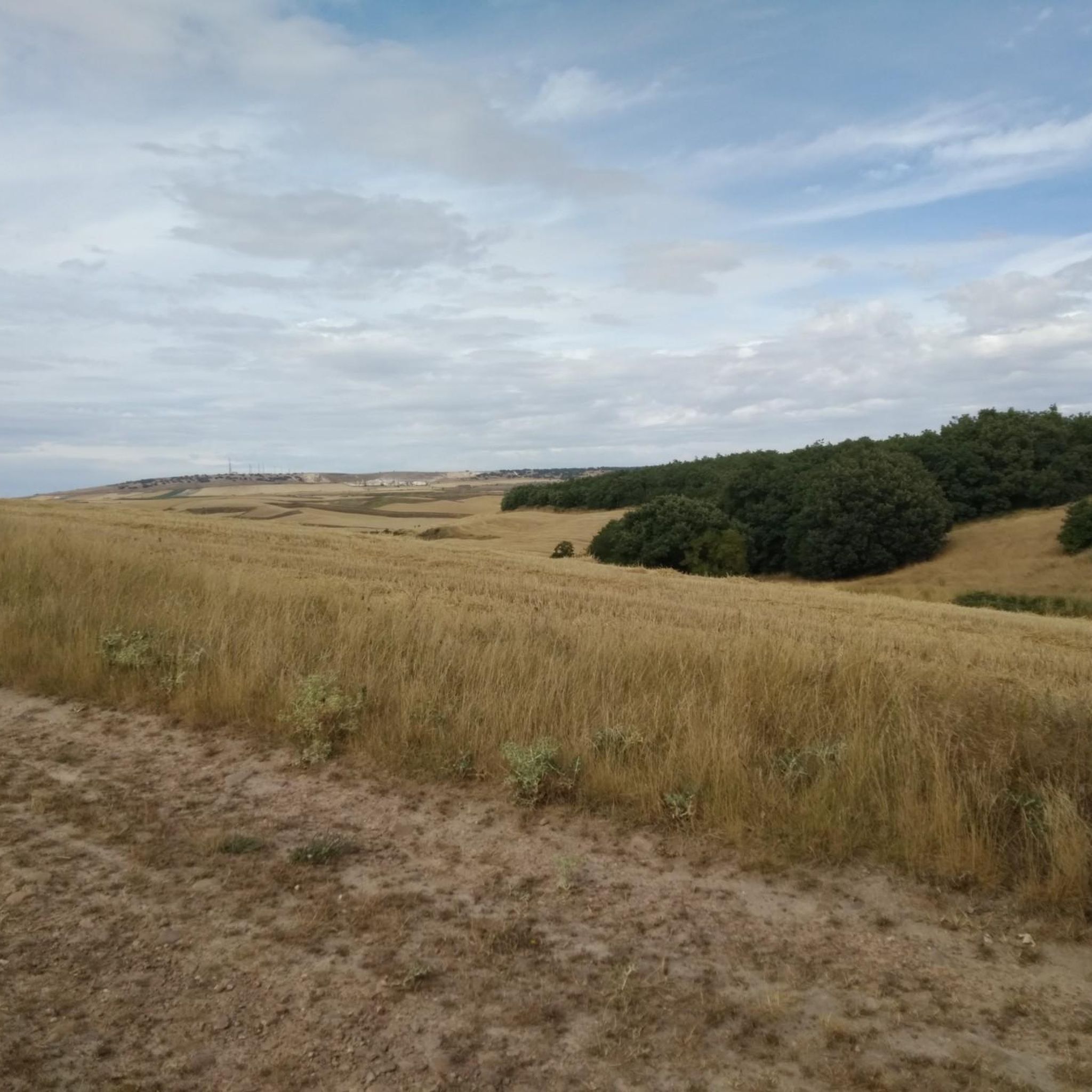
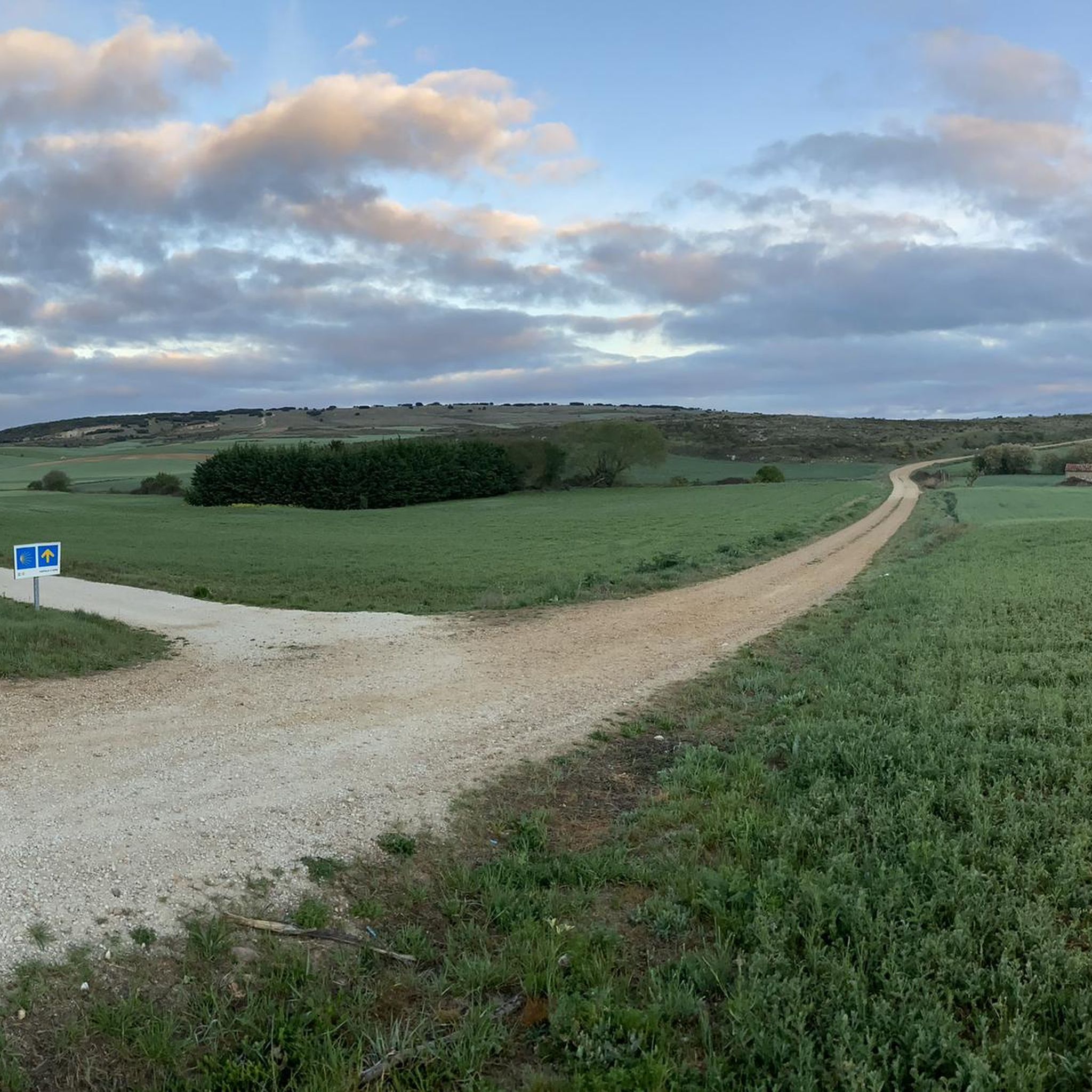
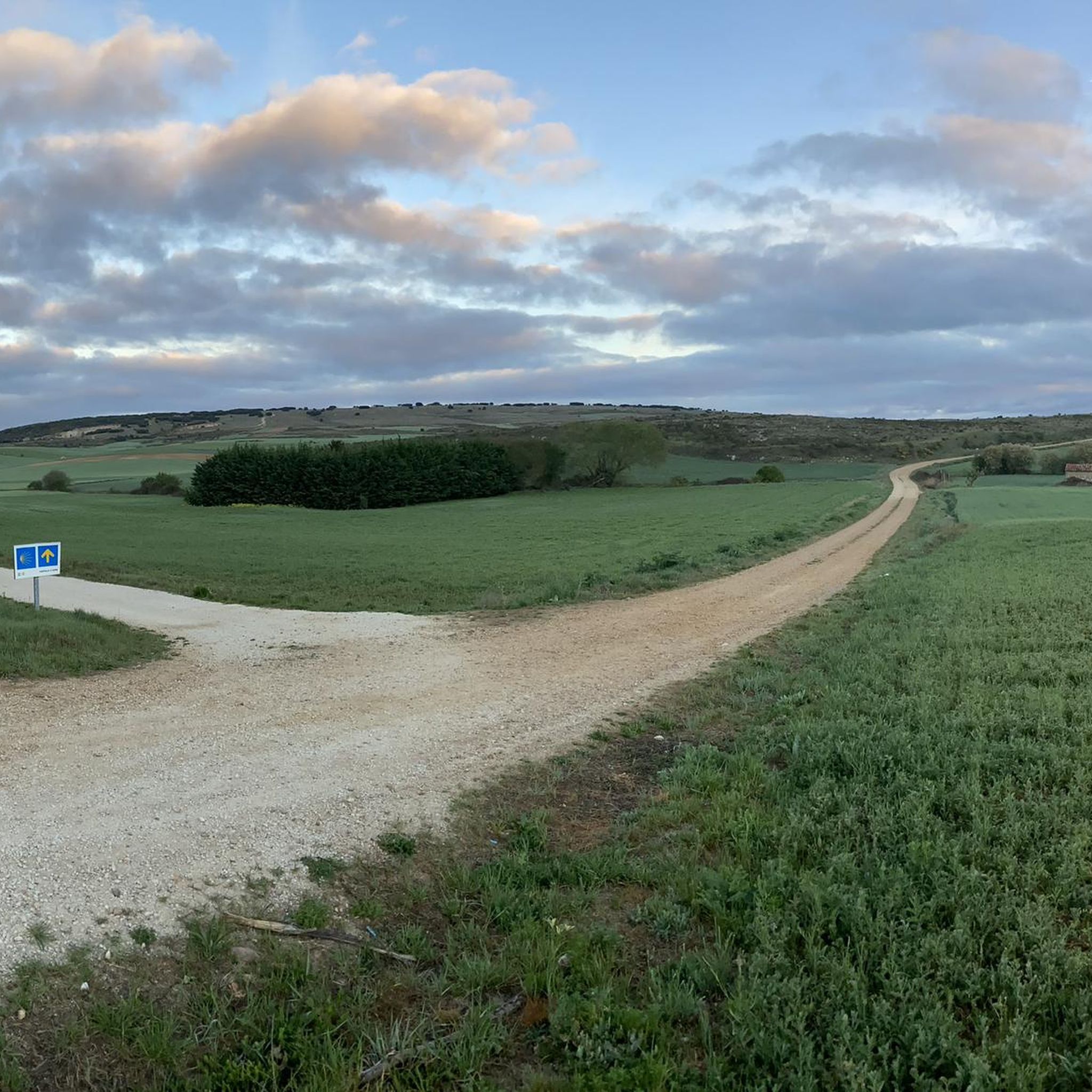
Nice area for hiking and mountain biking trails
0
0
Ideal places for mountain biking and hiking routes
0
0

Part of the climb can be avoided by going through the village to the church, although this does not make it any less difficult.
0
0
Carrascal Cave in the vicinity of Castrillo del Val, very close to the caves of the Portal de Belén along a very cool path.
0
0
Beautiful cave in the vicinity of Castrillo del Val, very close to the caves of the Portal de Belén along a very cool path.
0
0

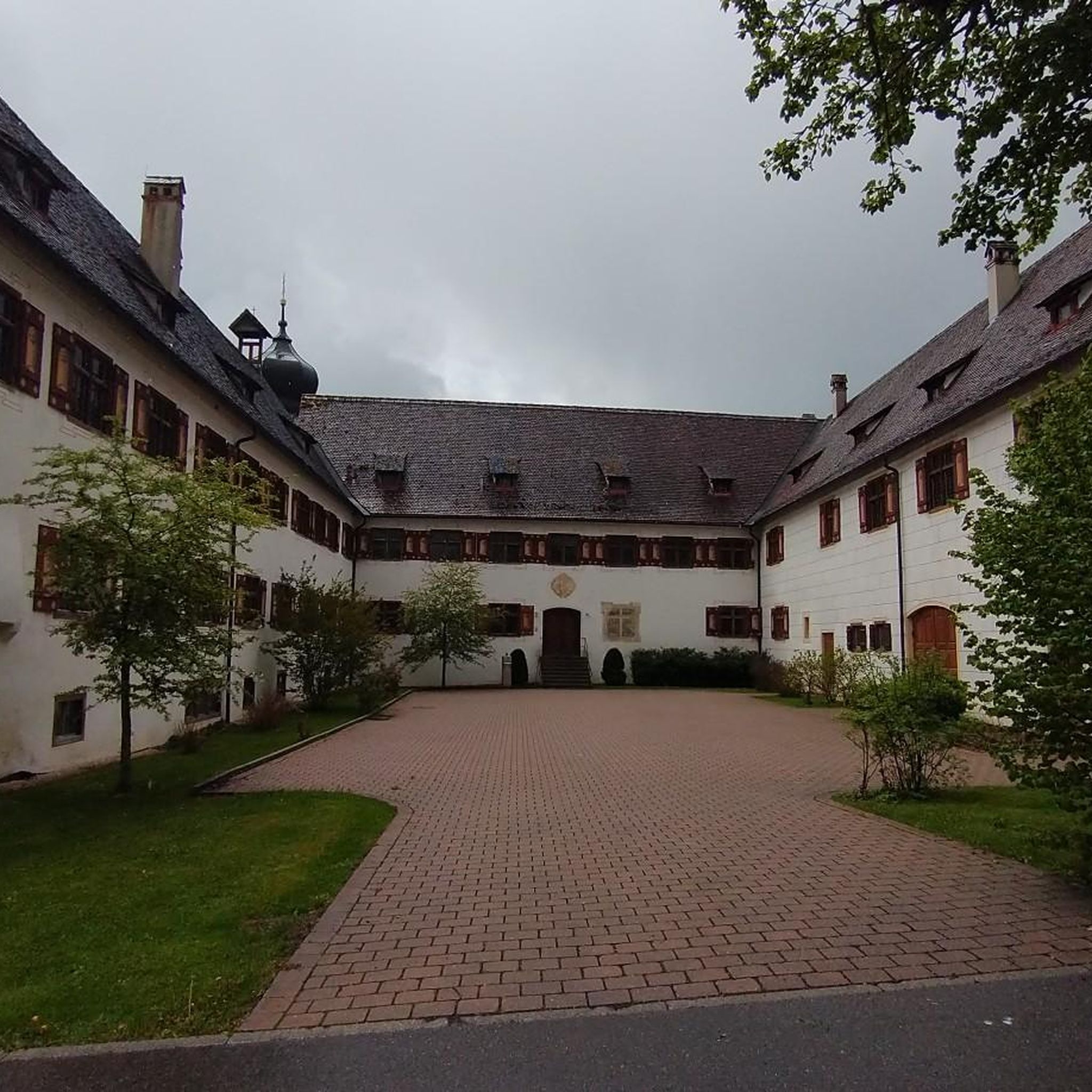
It preserves parts of the Romanesque style; the church is Gothic and part of the façade dates from the eighteenth century. Since 1942 it has been inhabited by Cistercian monks and produces wines and liqueurs from medicinal herbs. This monastery received the Cid at the time of his exile, along with his wife and daughters, and they lived there until the end of his life.
6
0

Powerful statue dedicated to El Cid, the largest on the entire route
2
0

There are many historical inaccuracies about this mystical Spanish Trappist abbey. About 200 monks were murdered by the Moors and the Abbey was set on fire. A lot of history was also lost. Source Wikipedia.
0
0
Frequently Asked Questions
What historical and cultural sites can I explore near Revilla del Campo?
Revilla del Campo and its surroundings offer a rich historical tapestry. You can visit the impressive Monastery of San Pedro de Cardeña, a significant point on the Camino del Cid, known for its Romanesque, Gothic, and Baroque architecture. Within the town, the Church of La Natividad de Nuestra Señora showcases similar architectural styles, and the 12th-century Romanesque Hermitage of San Juan Bautista is located on a nearby hill. Don't miss the Medieval Bridge over the Ausines River, which hints at the area's ancient past.
Are there any natural attractions or scenic areas to enjoy around Revilla del Campo?
Yes, the region boasts beautiful natural features. The town is nestled in the scenic Ausines River Valley, offering peaceful views. You can also explore "Los Castros" Canyon, located between Revilla del Campo and Quintanalara, where fossils can be found and a cave known as "el Moro" exists. The nearby lagoons are described as an oasis, and the area is just ten kilometers from the rugged Sierra de la Demanda mountain range, providing a backdrop of hills and valleys.
What outdoor activities are available for cycling enthusiasts near Revilla del Campo?
Cycling is a popular activity here. You can explore the Sierra de la Demanda Greenway: Arlanzón to Pineda, a marked path suitable for both hiking and biking that follows an old mining train route and passes by the Arlanzón reservoir. For more cycling options, check out the various routes in the Cycling around Revilla Del Campo guide, which includes routes like the 'Lara de los Infantes from Los Ausines - circular via the Camino del Cid Cycling Route'.
Are there family-friendly attractions or activities in the Revilla del Campo area?
Many attractions around Revilla del Campo are suitable for families. The Medieval Bridge area along the Ausines River features parks with benches, barbecues, and playgrounds, perfect for a relaxing stop. The Monastery of San Pedro de Cardeña and the Statue of El Cid in Mecerreyes are also listed as family-friendly highlights. The Sierra de la Demanda Greenway offers an accessible path for family walks or bike rides.
What is Hontoria de la Cantera known for?
Hontoria de la Cantera is a small town located south of Burgos, traditionally known for its limestone quarries and stone mines. These quarries have historically provided work and knowledge to the community, giving the town its name. It's situated on the slopes of limestone hills, facing the valley of the Lara river.
Can I find hiking or mountain biking trails near Revilla del Campo?
Absolutely. The region offers several trails for both hiking and mountain biking. The Sierra de la Demanda Greenway is a great option for a marked path. For more challenging routes, consider the Ascent to Modúbar de la Cuesta, which features ramps exceeding 8%. You can find a variety of routes, including moderate and difficult ones, in the MTB Trails around Revilla Del Campo guide.
What is the Statue of El Cid in Mecerreyes?
The Statue of El Cid in Mecerreyes is an impressive man-made monument dedicated to the legendary Spanish knight. Erected in 2008 and funded by local residents, this powerful statue reaches 7 meters in height, including the extension of its spear, making it a notable landmark in the area.
What kind of archaeological remains have been found in the Revilla del Campo area?
The area around Revilla del Campo has yielded significant Roman archaeological remains dating back to the early centuries of the Christian era. While extensive excavations haven't been conducted, these findings suggest that the region was once a distinguished Roman settlement, highlighting its ancient importance.
What do visitors particularly enjoy about the attractions near Revilla del Campo?
Visitors appreciate the blend of historical depth and natural beauty. The Monastery of San Pedro de Cardeña is highly valued for its historical significance and architectural styles, as well as its connection to the Camino del Cid. The Sierra de la Demanda Greenway is enjoyed for its scenic beauty and suitability for outdoor activities. The community also shares many photos, indicating a strong appreciation for the visual appeal of the region's sites.
Are there any challenging climbs or viewpoints for experienced hikers?
Yes, for those seeking a challenge, the Ascent to Modúbar de la Cuesta offers a good ramp with sections exceeding 8% gradient over two kilometers. This climb also provides rewarding viewpoints. The rugged Sierra de la Demanda mountain range, nearby, also suggests opportunities for more strenuous outdoor activities and elevated views.
What is the best time of year to visit Revilla del Campo for outdoor activities?
While specific weather data isn't provided, the region's location in Castile and León, with its river valleys and proximity to the Sierra de la Demanda, suggests that spring and autumn would be ideal. These seasons typically offer milder temperatures, making them comfortable for exploring historical sites, hiking, and cycling along routes like the Sierra de la Demanda Greenway.
Most popular routes around Revilla Del Campo
Most popular attractions around Revilla Del Campo

Get inspired with the komoot mobile app


Explore more
Still not found the Highlight you’re looking for? See guides of the top attractions in other regions:
