Attractions and Places To See around Trigueros - Top 20
Best attractions and places to see around Trigueros, a town in the province of Huelva, Andalusia, offer a rich blend of historical landmarks and cultural sites. The area is characterized by its ancient history, including significant prehistoric megalithic monuments, and its proximity to the Río Tinto. Visitors can explore a variety of historical structures, from Roman origins to medieval fortifications and 16th-century religious buildings. The region provides diverse points of interest for those exploring its cultural and historical landscape.
Best…
Last updated: October 10, 2026
Niebla Castle
Highlight • Castle
Tip by

Alcázar or Castle of the Guzmáns
Highlight • Castle
Translated by Google •
Tip by

Sign up now to discover places like this
Get recommendations on the best single tracks, peaks, & plenty of other exciting outdoor places.
Roman Bridge 🌉 Niebla
Highlight • Bridge
Translated by Google •
Tip by
Vía Verde Molino de Acha
Highlight • Trail
Translated by Google •
Tip by

Santa María de la Granada Church
Highlight • Religious Site
Translated by Google •
Tip by
Sign up for free to discover even more attractions around Trigueros.
Already have an account?
Start today with a free account
Your next adventure awaits.
Tips from the Community

The church was built on the site of Niebla's main mosque (11th century), which itself stood on the site of an ancient Roman temple. After the Reconquista (13th century), it was transformed into a Christian church in the Gothic-Mudéjar style. It preserves Roman, Visigothic, Islamic, and Christian elements, such as: A Muslim mihrab and minaret tower. An ornamental panel and Visigothic episcopal chair. Roman columns. A Mudéjar apse and a Gothic presbytery with star vaults.
2
0
The Plaza de Santa María de la Granada in Niebla (Huelva) is home to the Church of Santa María de la Granada, one of the town's most emblematic monuments. The church was built on the site of Niebla's main mosque (11th century), which itself stood on the site of an ancient Roman temple. After the Reconquista (13th century), it was transformed into a Christian church in the Gothic-Mudéjar style.
1
0

Top here is an old Roman bridge
1
0

The originally Romanesque church was initially a tolerated Christian church during the Moorish period. This later became the main mosque of Lepla, as the place was called at that time. Today's bell tower was the minaret. An Islamic mihrab (prayer niche) has been preserved in the church as well as a stone bishop's chair from the city's Visigothic era. Through renovation work in the 16th century, the church received Gothic elements with references to the Mudejar style. Unfortunately the church is usually closed.
0
1
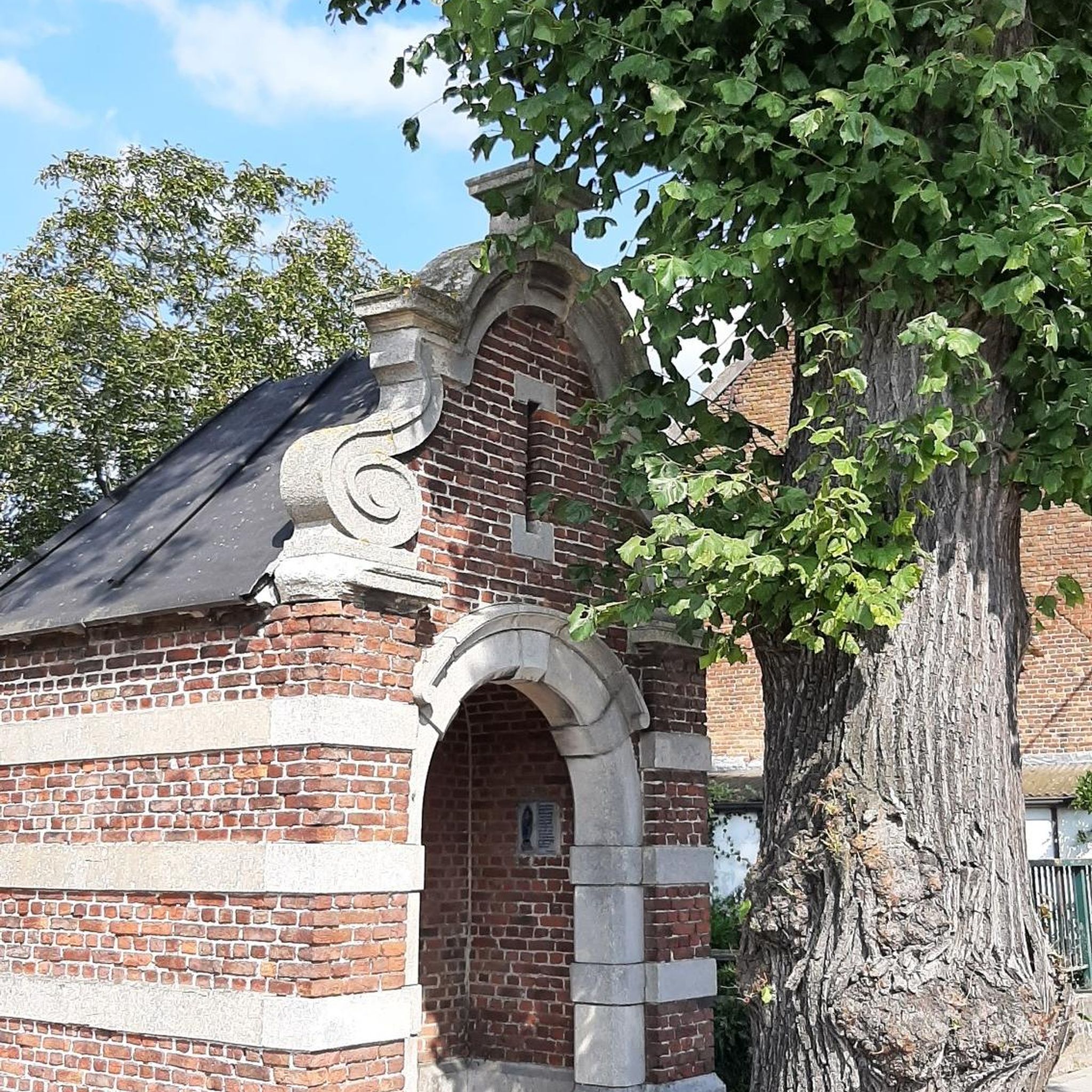
Here you will find, among other things, the town hall and at the end of the square is the Mezquita church of Santa María de la Granada, one of the most important sights in Niebla
0
1
The current appearance of the castillo dates back to the 15th century. Inside is the weapons yard. Steps and stairs lead up to the fortress walls. From here you can enjoy a beautiful panoramic view (apart from the ugly cement factory) of the town, the surrounding area and the Río Tinto.
1
0
Beautiful Roman bridge over the Rio Tinto.
1
0

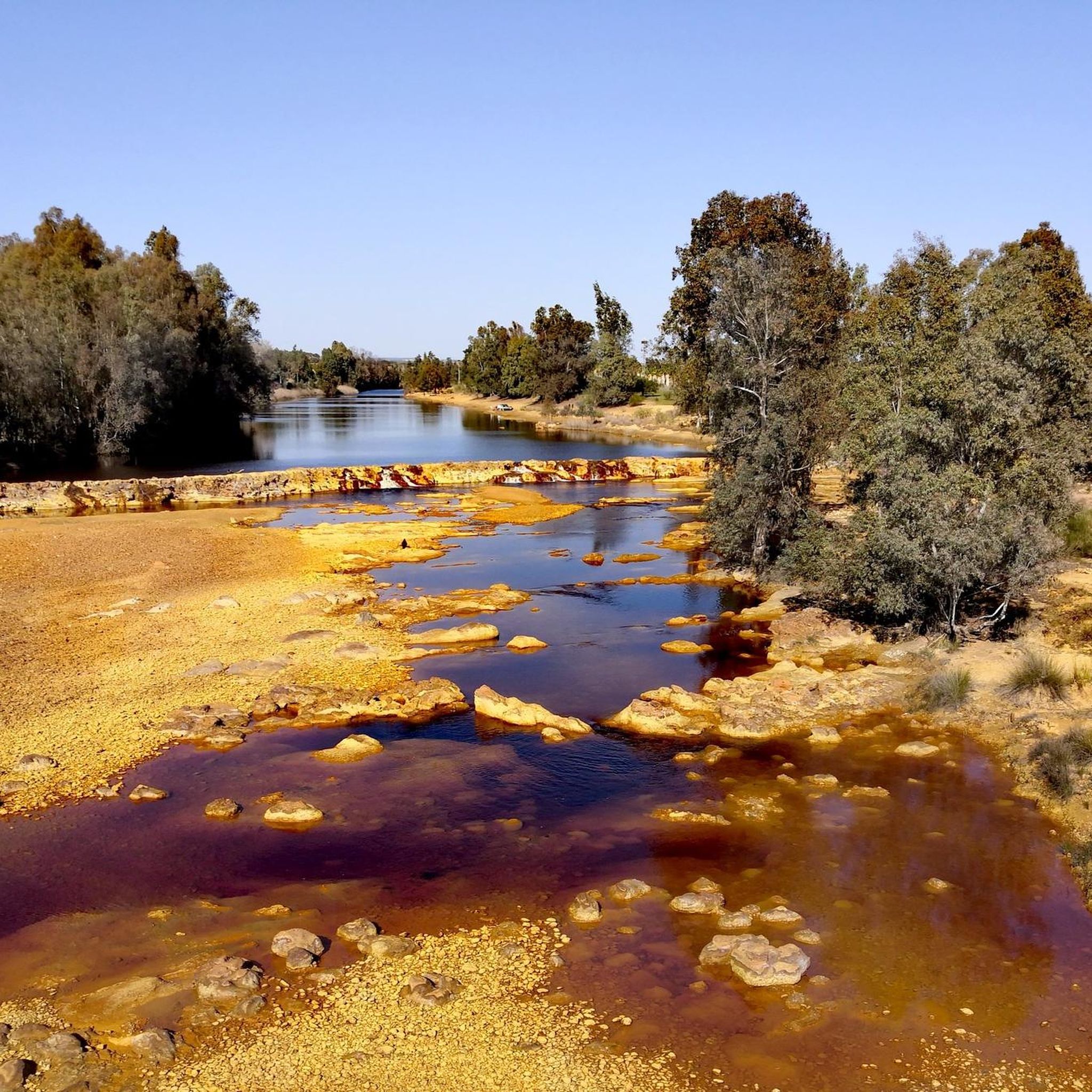
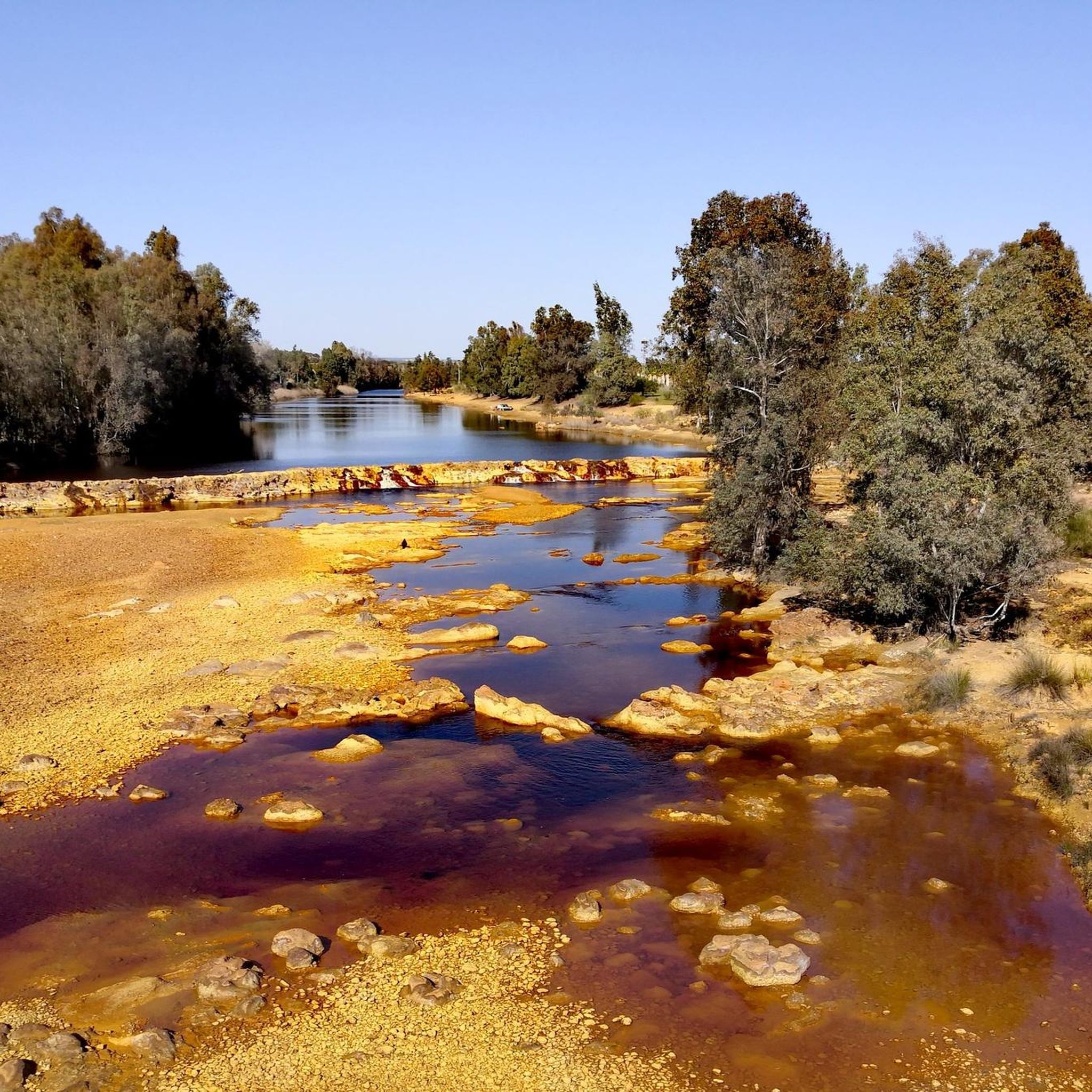
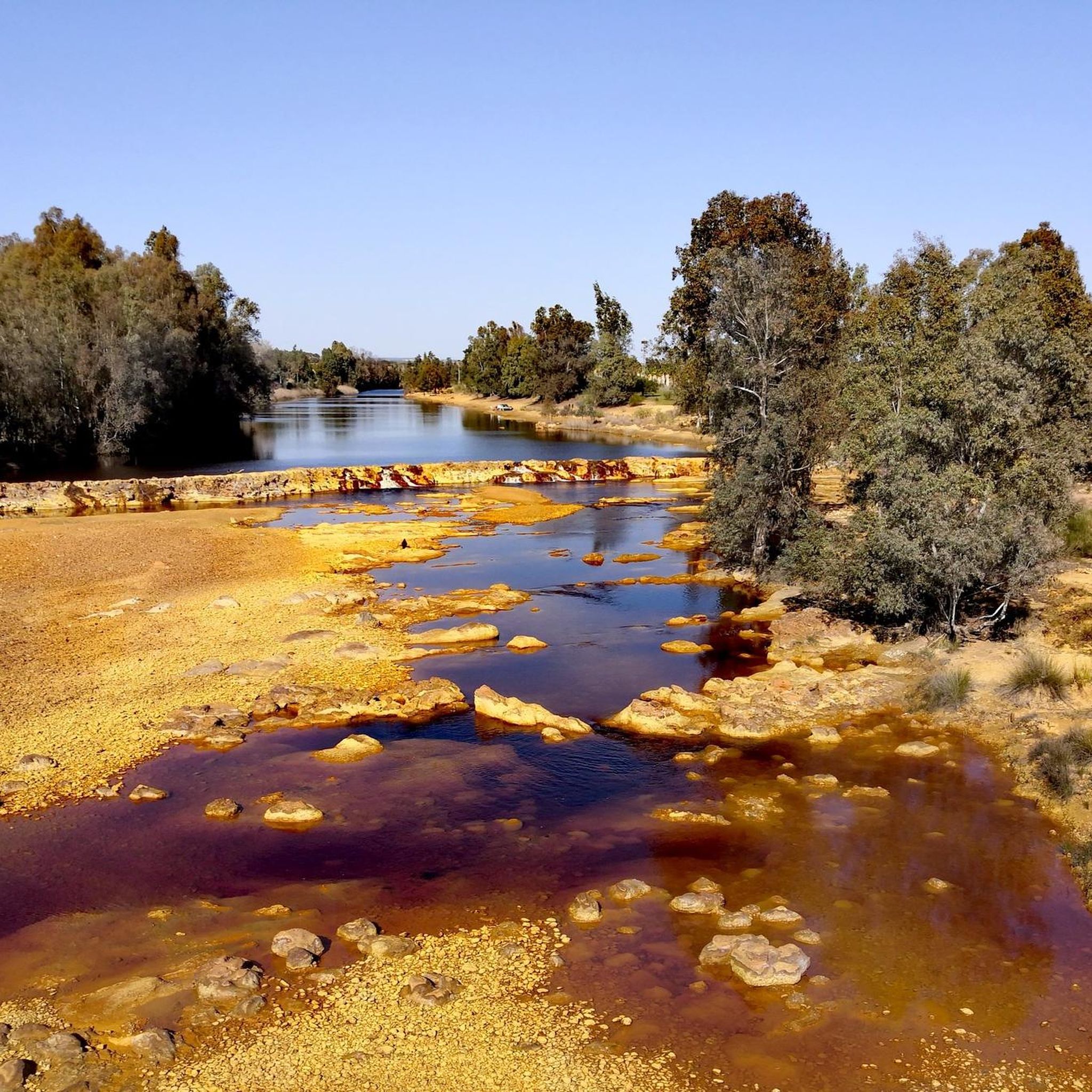
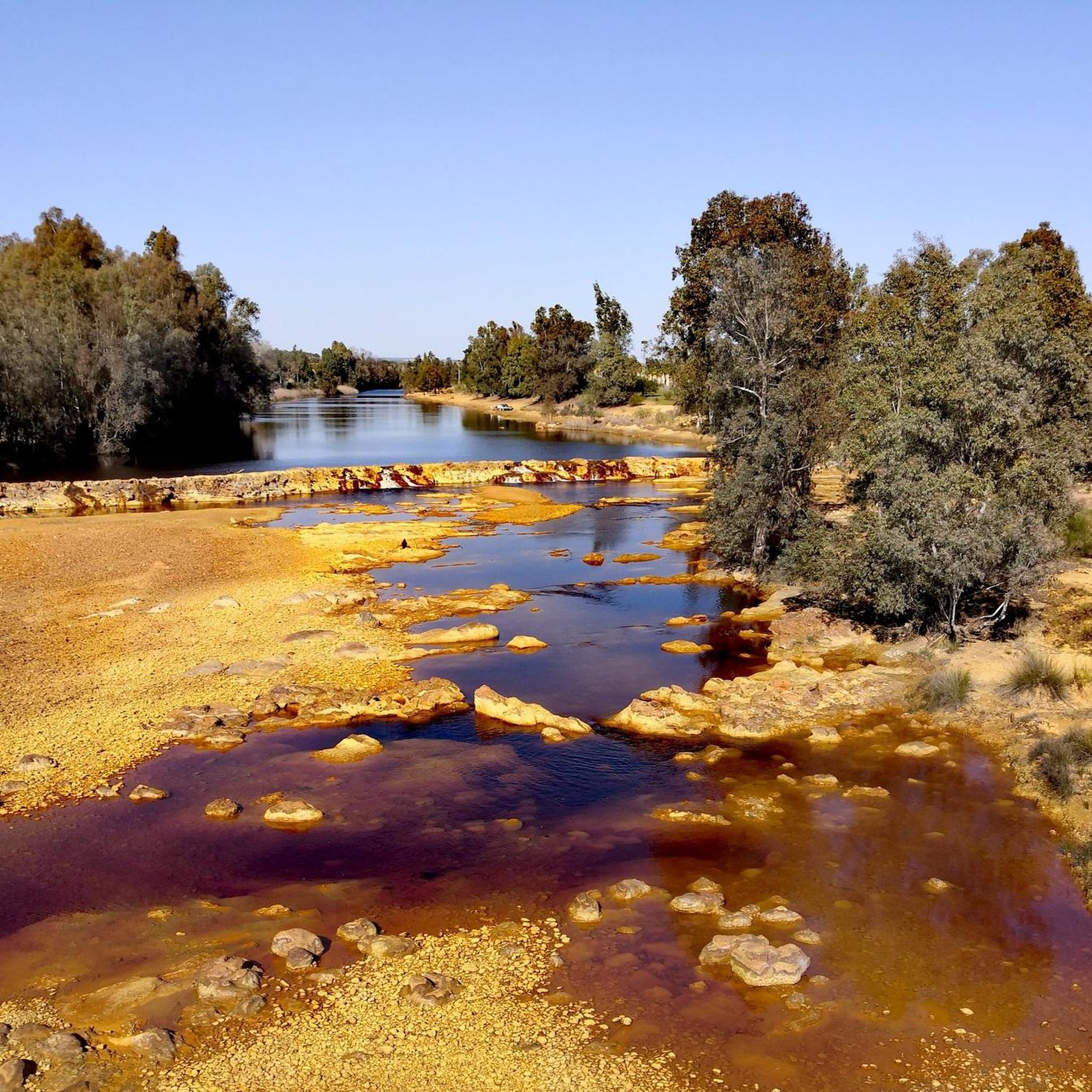
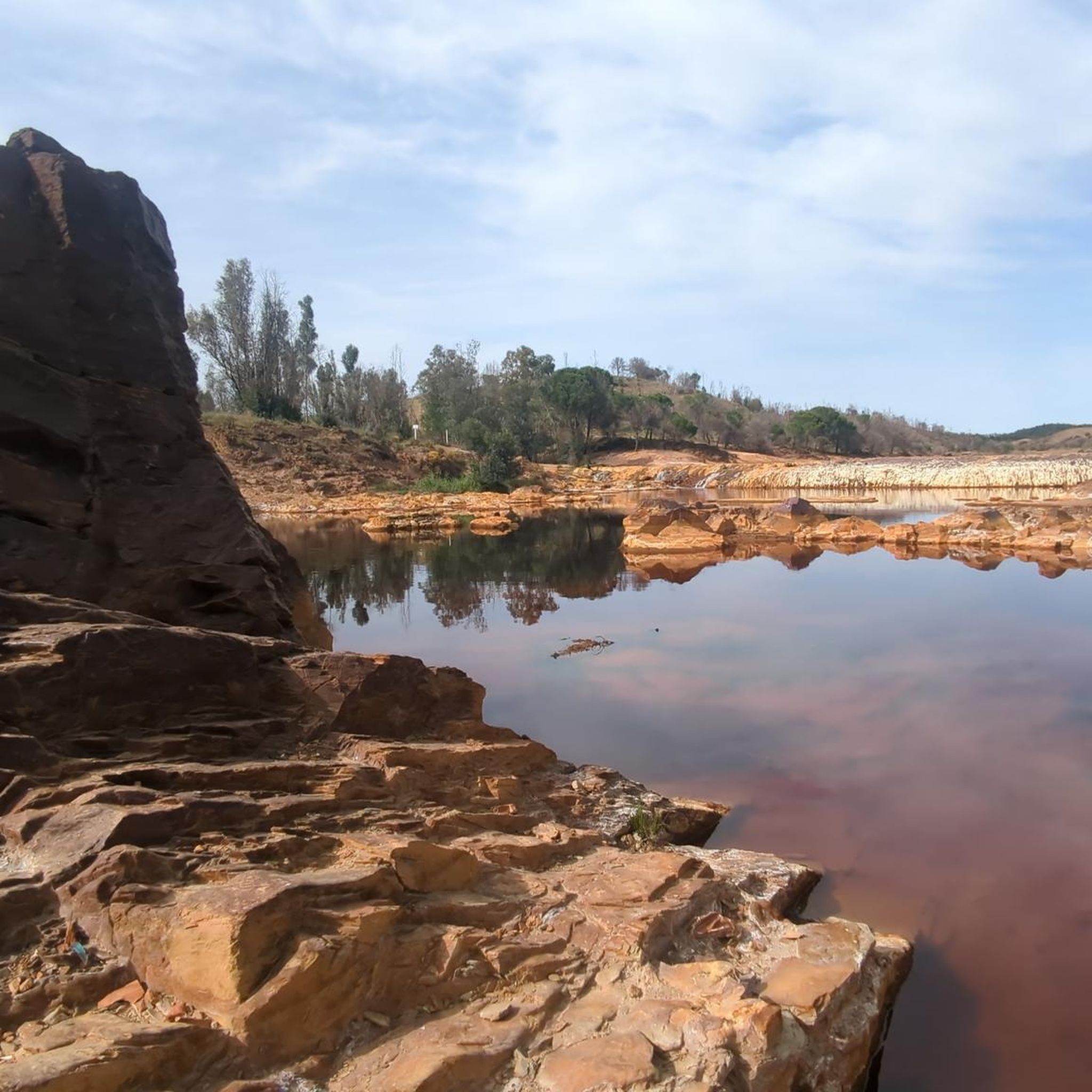
It goes from the banks of the Tinto to the ravines of the Serranía de Huelva with a length of 33.2km and a firm of asphalt and compacted gravel. The route passes through countryside, pine forests, cork oak meadows and eucalyptus repopulations. Its name comes from the group of Water Mills in Beas (flour mills from the 17th, 18th and 19th centuries).
2
0
Frequently Asked Questions
What are the most significant historical landmarks to visit around Trigueros?
Trigueros and its surroundings are rich in history. A must-see is the prehistoric Dolmen de Soto, a megalithic monument dating back thousands of years, known for its impressive size and solar alignment. You can also explore the well-preserved Niebla Castle, which showcases Roman, Visigothic, and Arab influences, and the ancient Roman Bridge 🌉 Niebla, still in use after two millennia.
Are there any cultural or religious sites worth visiting in Trigueros itself?
Within Trigueros, you can visit several notable cultural and religious sites. These include the 16th-century El Convento del Carmen, which houses the town's patron saint, and El Colegio de Santa Catalina, another 16th-century monument that was once a Jesuit teaching center and the site where the first book in the province of Huelva was printed. The Parish Church of San Antonio Abad, dating to the 13th century, also features a neoclassical façade and Romanesque interior.
What kind of outdoor activities can I do near Trigueros?
The area around Trigueros offers excellent opportunities for outdoor activities, particularly cycling and hiking. You can explore the cycling routes around Trigueros, including the popular Vía Verde Molino de Acha, which extends for over 33 km through countryside and forests. For hikers, there are various hiking trails, such as a moderate route around the Dolmen de Soto or an easy circular tour of Niebla's walled city.
Are there family-friendly attractions or activities around Trigueros?
Yes, several attractions are suitable for families. The Vía Verde Molino de Acha is a great option for family bike rides or walks, with its asphalt and compacted gravel surface. The ancient Roman Bridge 🌉 Niebla is also considered family-friendly, offering an impressive historical sight that sparks imagination.
What is the Vía Verde Molino de Acha and what can I expect there?
The Vía Verde Molino de Acha is a scenic trail stretching 33.2 km from the banks of the Río Tinto to the ravines of the Serranía de Huelva. It's ideal for cycling and walking, passing through diverse landscapes including countryside, pine forests, and cork oak meadows. Its name comes from the historic water mills in Beas, which you can learn about along the route.
Can I see any ancient Roman structures in the area?
Absolutely. The region boasts significant Roman heritage. The Roman Bridge 🌉 Niebla is a remarkable example, having stood for over 2000 years. Additionally, the Roman Walls – North Gate, Niebla, are a declared Site of Cultural Interest with origins dating back to the pre-Roman period. Even Niebla Castle contains remnants of Roman construction.
What is the best time of year to visit Trigueros for outdoor activities?
The best time to visit Trigueros for outdoor activities is generally during the spring (March to May) and autumn (September to November). During these seasons, the weather is milder and more pleasant for hiking and cycling, avoiding the intense heat of summer. The region's natural beauty, especially around the Río Tinto, is particularly vibrant in spring.
Are there any viewpoints or scenic spots near Trigueros?
While specific viewpoints are not highlighted, the area around Niebla, particularly from the walls of Alcázar or Castle of the Guzmáns, offers panoramic views of the town, the surrounding landscape, and the Río Tinto. The Vía Verde Molino de Acha also provides scenic stretches through forests and meadows.
What do visitors enjoy most about the attractions around Trigueros?
Visitors particularly appreciate the rich historical depth of the area, with sites like Niebla Castle and the Roman Bridge being highly praised for their preservation and historical significance. The scenic routes, such as the Vía Verde Molino de Acha, are also popular for their natural beauty and opportunities for outdoor exploration.
Are there any lesser-known historical sites in Trigueros that are worth discovering?
Beyond the major landmarks, Trigueros offers charming historical sites like the Ermita de la Misericordia, a hermitage known for its whitewashed walls and Sevillian tile facade. You can also find El Pilar de la Misericordia, a Roman water pillar, and the Puente de la Alcolea, another historical bridge, which offer glimpses into the town's ancient past.
What kind of terrain can I expect on hiking trails near Trigueros?
Hiking trails around Trigueros vary in terrain. For instance, the Vía Verde Molino de Acha features a firm surface of asphalt and compacted gravel, making it relatively easy. Other trails, like the moderate 'Dolmen de Soto – circular from Niebla' route, might involve more natural paths through varied landscapes, including areas near the Río Tinto.
Is Trigueros close to any coastal areas or natural parks?
While Trigueros itself is inland, its location in the province of Huelva means it's relatively close to the 'Costa de la Luz,' offering access to beautiful beaches like Punta Umbría and Matalascañas. It's also near significant natural spaces such as the Doñana National Park, a UNESCO World Heritage site known for its wetlands and wildlife.

Get inspired with the komoot mobile app


Explore more
Still not found the Highlight you’re looking for? See guides of the top attractions in other regions:
