The best road cycling routes around Grandes Y San Martín
60
riders
6
rides
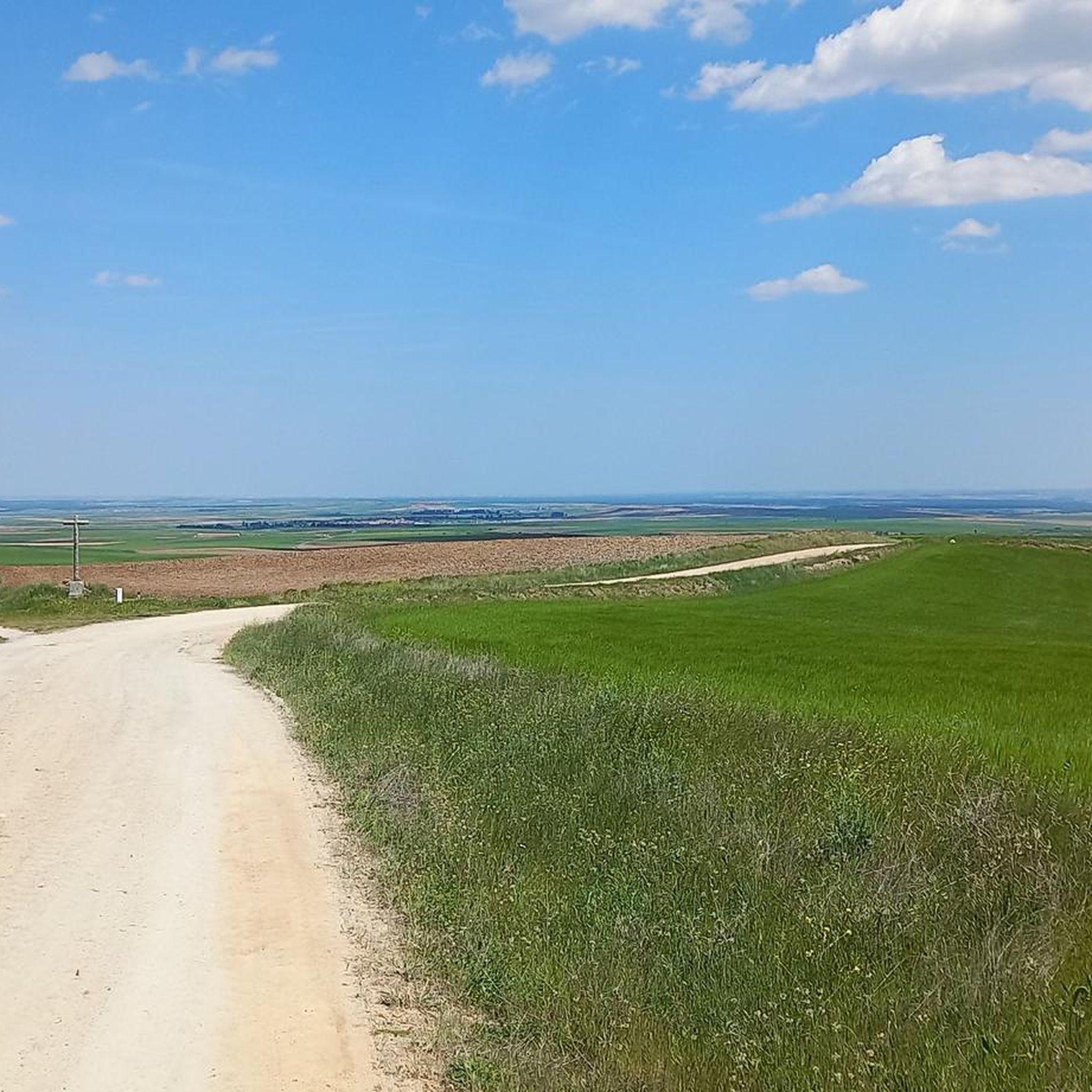
Road cycling routes around Grandes Y San Martín traverse the tranquil Alta Moraña region, characterized by undulating terrain and wooded scenery. The area features rolling hills and landscapes transitioning from orchards to extensive holm oak groves. Cyclists can explore local roads and trails that wind through these natural environments, including the valley of the Arevalillo river. This setting provides varied topography suitable for road cycling.
Best road cycling routes around Grandes Y San Martín
- The most popular road cycling route…
Last updated: May 16, 2026
Easy road ride. Great for any fitness level. Mostly well-paved surfaces and easy to ride.
47
riders
80.9km
03:49
910m
910m
Hard road ride. Very good fitness required. Some segments of this route may be unpaved and difficult to ride.

Sign up for free
6
riders
61.2km
03:07
1,040m
1,040m
Hard road ride. Very good fitness required. Mostly well-paved surfaces and easy to ride.
3
riders
92.3km
04:12
1,050m
1,050m
Hard road ride. Very good fitness required. Mostly well-paved surfaces and easy to ride.
3
riders
21.3km
00:50
60m
60m
Easy road ride. Great for any fitness level. Mostly well-paved surfaces and easy to ride.
Our route recommendations are based on thousands of hikes, rides, and runs completed by other people on komoot.
Start today with a free account
Your next adventure awaits.
Login or Signup
Popular around Grandes Y San Martín
Tips from the Community

Narros de Saldueña Castle, also known as the Castle of the Duke of Montellano, is one of the best-preserved fortresses in the province of Ávila. It is located in the town of Narros de Saldueña, within the town limits. Construction: Late 15th century, attributed to Rodrigo de Valderrábanos, Lord of the Saldueña Estate. Expansions: It was renovated and enlarged at the beginning of the 16th century by his successors.
4
0
The Chapel of Mosén Rubí, located in Ávila, is a beautiful example of architecture that combines late Gothic and Renaissance styles. It was built in the 16th century and is dedicated to Mosén Rubí de Bracamonte, lord of Fuentesol.
3
0
The Walls of Ávila are an impressive medieval fortification that surrounds the old town of Ávila, in Castile and León. These walls, built in the 11th century, are one of the best-preserved walled enclosures in Spain and were declared a UNESCO World Heritage Site in 1985.
11
0
This bridge was built to facilitate crossing the Adaja River and connect the Roman city of Ávila with the opposite bank. Although only the hidden abutments on the edges of the original Roman bridge remain, the bridge visible today dates back to the 12th century.
13
0

The truth is that it is a wonderful viewpoint of Ávila.
1
0
One of the most visited areas of the walls.
3
0
Of significant dimensions, for a simple chapel.
3
0

Spectacular and striking chapel with its certainly extraordinary walls and reinforcements, as well as its shape more intended as a fortification than as a religious building.
6
0
Frequently Asked Questions
How many road cycling routes are available around Grandes Y San Martín?
There are 6 road cycling routes documented around Grandes Y San Martín, offering a variety of options for different skill levels.
Are there easy road cycling routes suitable for beginners or families in Grandes Y San Martín?
Yes, the region offers easy routes perfect for beginners or a relaxed family outing. A great option is the Castle of Narros de Saldueña loop from San Pedro del Arroyo, which is 13.9 miles (22.3 km) long and features gentle gradients through the rural landscape.
What kind of terrain can I expect on road cycling routes in Grandes Y San Martín?
Road cycling around Grandes Y San Martín is characterized by undulating lands, extensive holm oak groves, and the valley of the Arevalillo river. You'll find a mix of rolling hills and landscapes transitioning from orchards to natural wooded environments.
Are there challenging road cycling routes with significant climbs?
Yes, for experienced cyclists seeking a challenge, there are routes with considerable elevation gain. The Las Fuentes Pass – Mancera de Arriba loop from Crespos is a difficult 92.3 miles (148.6 km) route with over 1000 meters of ascent, offering a demanding ride through varied terrain.
What is the longest road cycling route in the area?
The longest route available is the Las Fuentes Pass – Mancera de Arriba loop from Crespos, covering 92.3 miles (148.6 km) with significant elevation changes, typically taking around 4 hours and 12 minutes to complete.
Are there any circular road cycling routes?
Yes, many routes in the area are circular. For example, the popular Llanura de la Moraña y Castillo del Duque de Montellano — circular desde San Pedro del Arroyo is an easy 23.5 miles (37.8 km) loop offering views of the Moraña plains.
What historical or cultural points of interest can I see while cycling?
While cycling, you can explore the tranquil villages of Grandes and San Martín. Grandes features a church with wooden ceilings and a traditional horseshoeing post. San Martín is known for a well-preserved stately home that once belonged to the Marquesa de la Laguna, offering interesting stops during your ride.
What is the best time of year for road cycling in Grandes Y San Martín?
The region's climate generally makes spring and autumn ideal for road cycling, offering pleasant temperatures and vibrant natural scenery. Summer can be warm, while winter might bring cooler conditions, though cycling is often possible year-round.
What do other road cyclists enjoy most about the routes in Grandes Y San Martín?
Cyclists often appreciate the peaceful and natural character of the area, with its undulating terrain and extensive holm oak groves. The varied topography provides engaging rides, from gentle gradients to more challenging climbs, all within a tranquil setting.
Is there a route that takes me near the city of Ávila?
Yes, the Ávila City Walls – Mosén Rubí Chapel loop from Estación de Ávila is a 50.3 miles (80.9 km) route that leads through varied terrain, offering a connection to the historic city and its surroundings.
Are there any routes that explore the higher elevations or passes?
Absolutely. For those looking for climbs, the San Juan del Olmo – Las Fuentes Pass loop from Muñico is a difficult 61.2 miles (98.5 km) route that includes over 1000 meters of ascent, taking you through more elevated parts of the region.
Most popular routes around Grandes Y San Martín

Get inspired with the komoot mobile app


Explore more
Browse the best Road cycling routes in other regions.
