Attractions and Places To See around Garganta Del Villar - Top 20
Best attractions and places to see around Garganta Del Villar include a blend of cultural heritage, distinctive architecture, and natural beauty. This medieval village is located in the province of Ávila, Spain, at the headwaters of the Alberche river and the foot of the La Serrota mountain range. More than half of its territory is environmentally protected, forming part of the natural space of the Sierras de la Paramera and La Serrota, with the Alberche river banks designated as a…
Last updated: May 17, 2026
Tormes River
Highlight • River
Translated by Google •
Tip by

Senda del Pinar de Navarredonda de Gredos
Highlight • Trail
Translated by Google •
Tip by

Sign up now to discover places like this
Get recommendations on the best single tracks, peaks, & plenty of other exciting outdoor places.
Sign up for free
King's Pine
Highlight • Natural Monument
Translated by Google •
Tip by

Parador de Gredos
Highlight • Rest Area
Translated by Google •
Tip by

Chía Pass (1,663 m)
Highlight (Segment) • Mountain Pass
Translated by Google •
Tip by

Sign up for free to discover even more attractions around Garganta Del Villar.
Sign up for free
Already have an account?
Start today with a free account
Your next adventure awaits.
Login or Signup


Tips from the Community

The Parador de Gredos, located in Navarredonda de Gredos (Ávila), is a historic and emblematic landmark in the Sierra de Gredos mountains, surrounded by pine forests and spectacular landscapes. Inauguration: October 9, 1928, by King Alfonso XIII. First Parador in Spain: It marked the beginning of the national network of Paradores, designed to promote tourism in natural settings and unique buildings. Architecture: Built with stone and slate, inspired by Castilian aesthetics, with rustic and welcoming interiors.
1
0

It's a tourist attraction with historical significance. This early 20th-century building was the first tourist inn in Spain. It opened in 1928. Later, it was also used as a meeting place by the proponents of the Spanish Constitution. You can stop for lunch at its terrace café in summer. The views of the pine forests and the Gredos mountain range are enchanting.
0
0
This slope is gentler than the northern slope and much shorter, with just 4 km and 2 of them hard, with some considerable ramps in the pair of horseshoe curves that there are. The road is inhospitable and therefore with very little traffic. The asphalt is uneven and rough, which adds hardness to the climb. Most of the secondary roads in this area are like this, which gives it a lot of charm. The landscape in summer is dry land, very typical of the northern area of Gredos and the northern plateau in general. I climbed the pass one early morning in August and I really enjoyed the solitude and silence of nature.
0
0

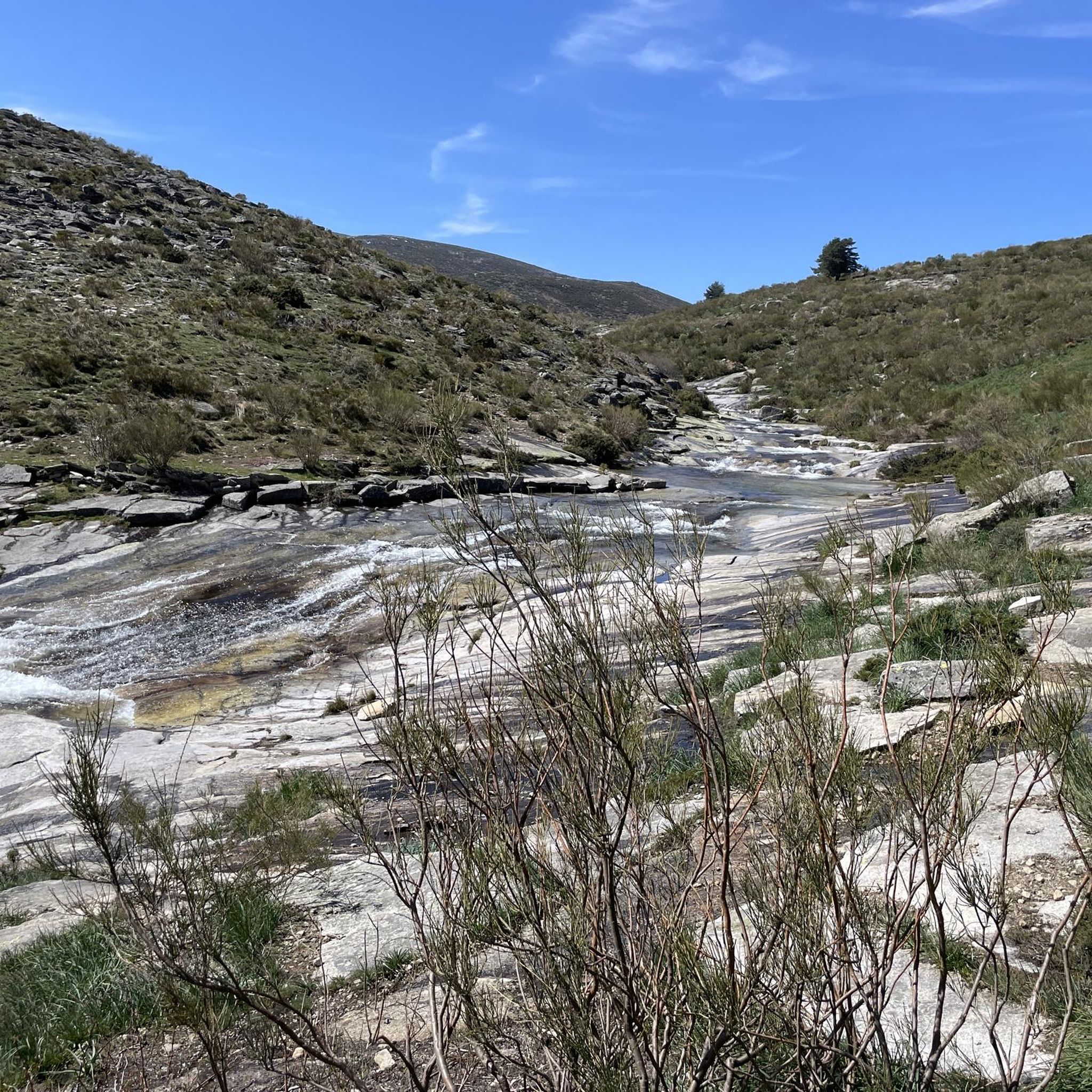
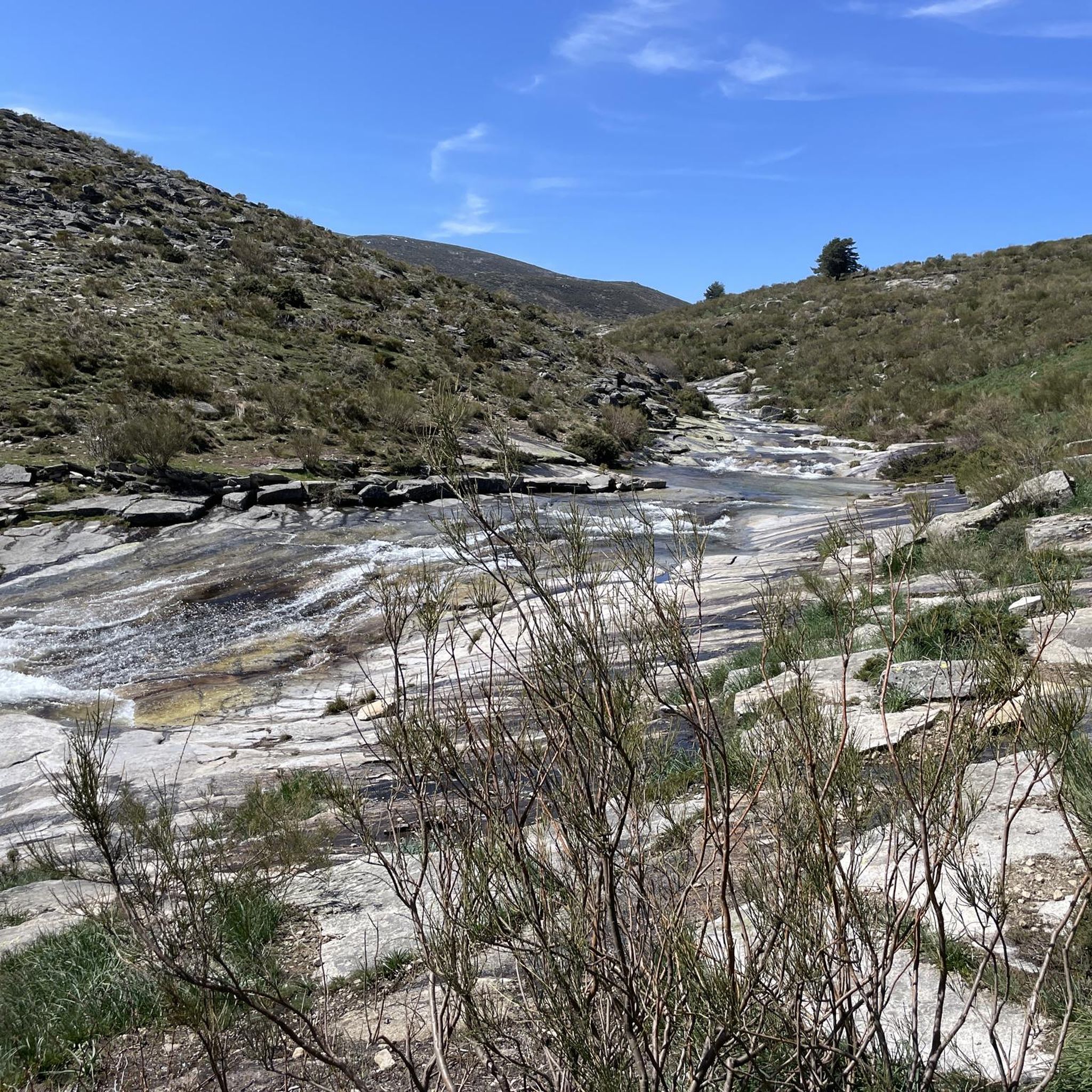
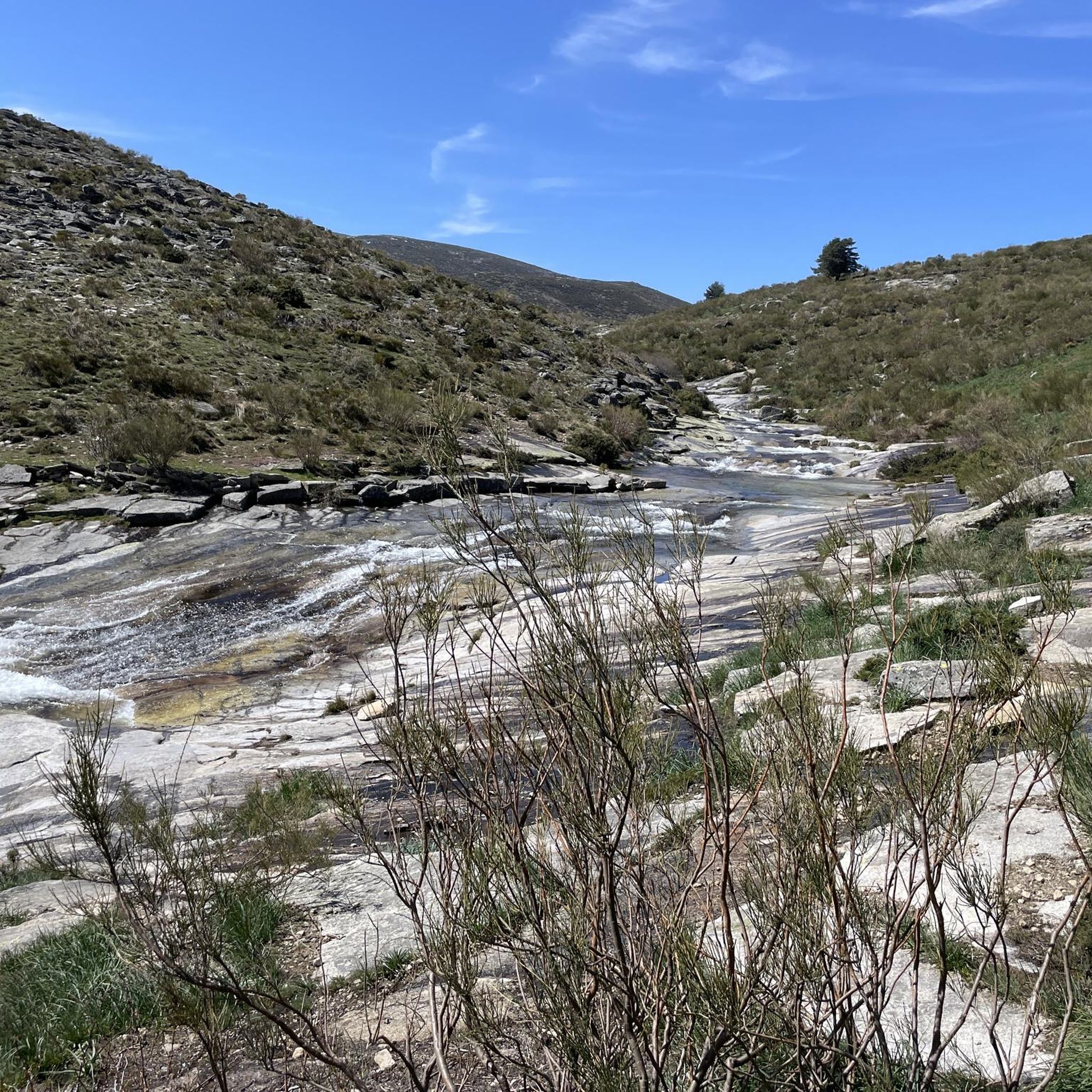
The Tormes River is a tributary of the Duero on its left bank, it runs through the Community of Castilla y León, crossing the provinces of Ávila, Salamanca and Zamora. The Tormes rises in the Tormejón meadow, in the Gredos mountain range. It feeds several reservoirs, the Santa Teresa and Villagonzalo reservoirs, the San Fernando reservoir and, close to its mouth in the Duero, the Almendra reservoir, where, sandwiched between rock walls, it forms the so-called arribes del Tormes.
1
0

Senda del Pinar de Navarredonda (PR-AV 19) is a short (7 km) but beautiful route that connects the Parador de Gredos parking lot with the town of Navarredonda. Pass through a beautiful mature pine forest of Scots pine (Pinus sylvestris). It is of low difficulty, even cyclable throughout its entire length, without a notable gradient. Recommended throughout the year and for the whole family.
2
1

A large pine forest on the banks of the Tormes River. A specific pine is called "The Pine of King Alfonso XII" in reference to his hunting adventures in the Sierra de Gredos. He camped under its great canopy.
1
0


Path that approaches from the south side of the road and that would take us downhill to Río Tormes!
0
1
Frequently Asked Questions
What natural features can I explore around Garganta Del Villar?
The region is rich in natural beauty, with the Alberche River flowing through the municipality and the village nestled at the foot of the La Serrota mountain range. You can explore the Tormes River, which rises in the Gredos mountain range and forms picturesque landscapes, or visit the King's Pine, a significant natural monument along the Tormes. Over half of the territory is protected as part of the Sierras de la Paramera and La Serrota natural space.
Are there historical or cultural sites to visit in Garganta Del Villar?
Yes, Garganta Del Villar offers a glimpse into its rich past. The most significant building is the 16th-century Iglesia de Nuestra Señora de la Asunción. You can also see traditional 'serrano' style houses in the urban core, characterized by their large front corrals. The Ermita de San Roque is another religious site, and the village was historically part of the Cabaña Real de Carreteros, highlighting its role in national transportation.
What hiking opportunities are available near Garganta Del Villar?
There are several hiking routes in the area. A popular option is the Senda del Pinar de Navarredonda de Gredos, a 7 km trail through a mature pine forest suitable for the whole family. Other local trails include 'El Jorcá garganta del Villar – Chozo Blanco – Piedra Lobera- El Riscal – Jorcao' (14 km) and 'Garganta del Villar – La Serrota – Pradosegar' (17 km). For more options, explore the hiking routes around Garganta Del Villar.
Are there any family-friendly attractions or activities?
Absolutely. The Senda del Pinar de Navarredonda de Gredos is a low-difficulty trail recommended for the whole family. The King's Pine, with its large pine forest, is also a pleasant spot for families. Additionally, the Parador de Gredos offers facilities and a comfortable setting that can be enjoyed by families.
What is the best time of year to visit Garganta Del Villar for outdoor activities?
The area offers beauty year-round. The Senda del Pinar de Navarredonda de Gredos is recommended throughout the year. While summer brings dry landscapes typical of the Gredos area, the spring and autumn months often provide pleasant temperatures for hiking and exploring the natural surroundings.
Can I find mountain biking routes in the area?
Yes, the region is suitable for mountain biking. There are routes that follow the Alberche and Tormes rivers, including a 56 km route to Ávila and another 68 km route to Piedrahíta and Puerto Chía. You can find more detailed MTB trails, such as the 'Tormes River and Sierra de Gredos Loop' or the 'GR 10 Trail: Stage 33', by checking the MTB Trails around Garganta Del Villar guide.
What are some less crowded natural spots to visit?
For a sense of solitude and nature, consider exploring the area around Chía Pass (1,663 m). The road leading to it is often inhospitable with very little traffic, offering a quiet experience amidst the landscape. The protected natural space of the Sierras de la Paramera and La Serrota also provides ample opportunities for peaceful exploration.
Are there any notable viewpoints in the region?
Yes, the Chía Pass (1,663 m) offers excellent views, connecting the Corneja Valley with the Alto Valle del Alberche. The Parador de Gredos, situated on the ridge of the Alto del Risquillo, also provides impressive panoramas over the Valle de Tormes, the Sierrau de Piedrahita and Béjar mountain ranges, and the Gredos massif.
What kind of wildlife can be observed in the protected areas?
The protected natural space of the Sierras de la Paramera and La Serrota, along with the banks of the Alberche River, are home to diverse flora and fauna. You might spot amphibians like frogs and newts, various bird species including eagles and buzzards, and mammals such as foxes and wildcats. The rivers also support different fish species.
What is the significance of the Alberche River in Garganta Del Villar?
The Alberche River is the main waterway of the area, flowing through the municipal territory from west to east. Its banks within the municipality are protected as a Site of Community Importance (LIC) within the Natura 2000 network, highlighting its ecological significance. It's a central feature of the region's natural landscape.
Are there cycling routes available for different skill levels?
Yes, the area caters to various cycling preferences. For road cycling, you can find challenging routes like the 'Ascent to the Plataforma de Gredos' or the 'Puerto del Pico and Puerto de Serranillos Loop'. For touring bicycles, there are routes such as the 'Tormes River – King's Pine loop from Navarredonda de Gredos' which is of moderate difficulty. Explore the Cycling around Garganta Del Villar guide for more options.
Most popular routes around Garganta Del Villar
Most popular attractions around Garganta Del Villar

Get inspired with the komoot mobile app


Explore more
Still not found the Highlight you’re looking for? See guides of the top attractions in other regions:
