The best cycling routes around Riodeva
5.0
(3)
37
riders
7
rides
Touring cycling routes around Riodeva traverse a landscape characterized by varied natural environments and geological formations in the province of Teruel. The region features the Vía Verde de Ojos Negros, a former railway line offering a generally downhill trajectory towards the coast. Mountainous terrain defines areas like Los Amanaderos, where the Riodeva River carves waterfalls and natural pools. The Puebla de San Miguel Natural Park, visible from Riodeva, presents geological elements from past mining activities.
Best touring cycling routes around…
Last updated: June 29, 2026
2
riders
33.0km
03:39
960m
960m
Hard bike ride. Very good fitness required. Some segments of this route may be unpaved and difficult to ride.
40.3km
04:04
1,140m
1,130m
Hard bike ride. Very good fitness required. Mostly paved surfaces. Suitable for all skill levels.

Sign up for free
5.0
(1)
13
riders
91.3km
08:15
2,160m
2,160m
Hard bike ride. Very good fitness required. Mostly paved surfaces. Suitable for all skill levels.
5.0
(1)
7
riders
33.2km
03:46
1,040m
1,030m
Hard bike ride. Very good fitness required. Mostly paved surfaces. Suitable for all skill levels.
4
riders
35.4km
03:19
920m
920m
Hard bike ride. Very good fitness required. Mostly paved surfaces. Suitable for all skill levels.
Get access to more routes and recommendations from other explorers.
Sign up for free
Already have an account?
Our route recommendations are based on thousands of hikes, rides, and runs completed by other people on komoot.
Start today with a free account
Your next adventure awaits.
Login or Signup
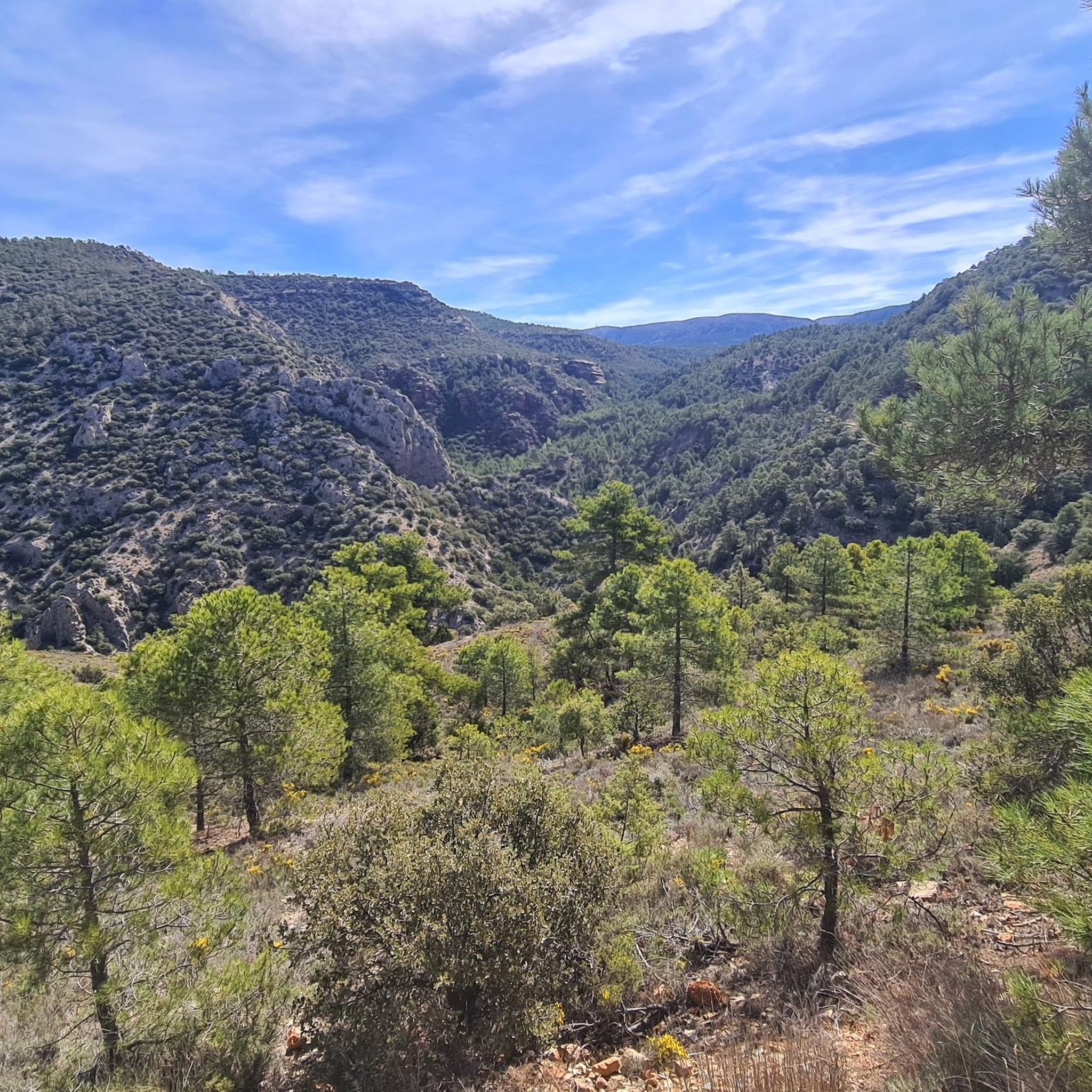
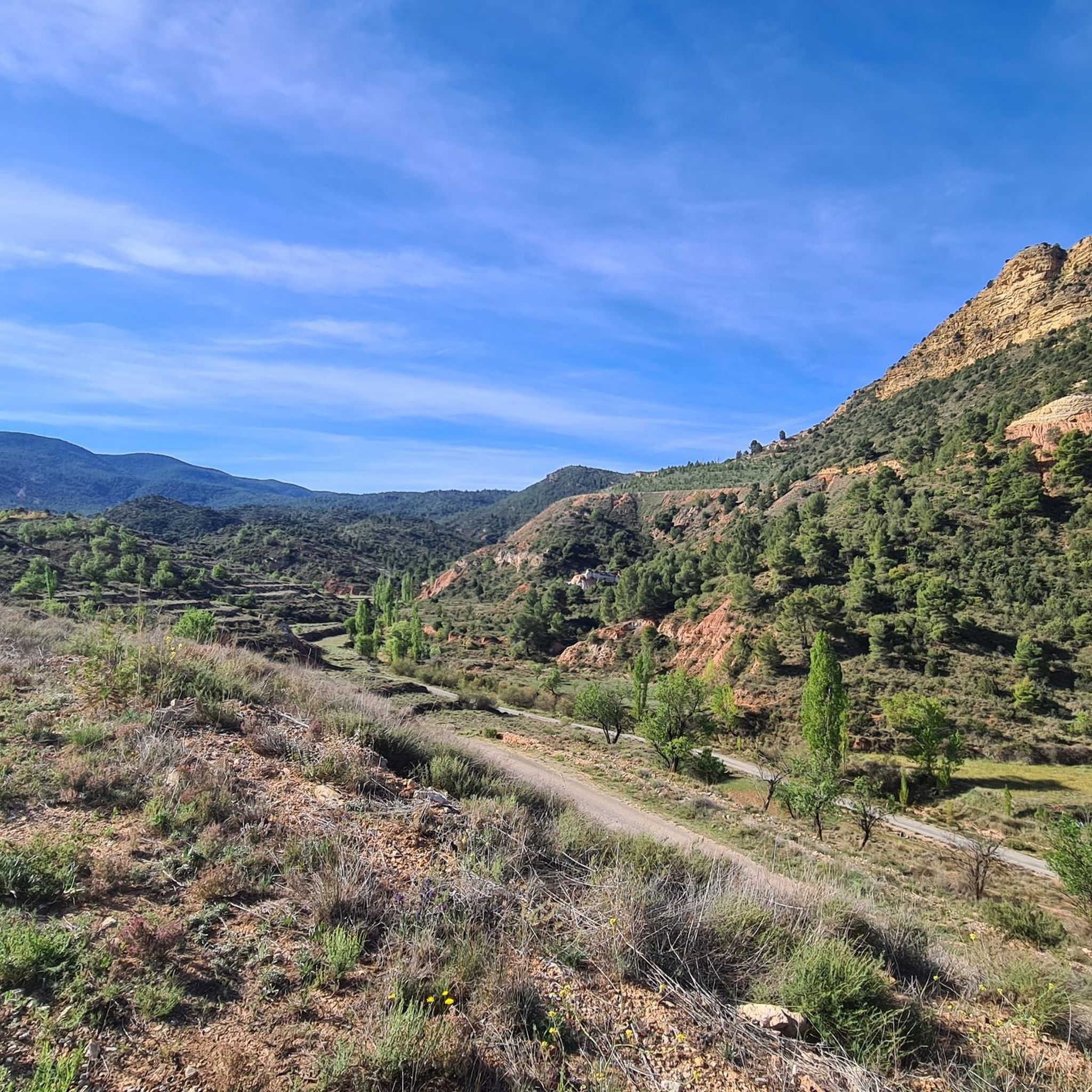
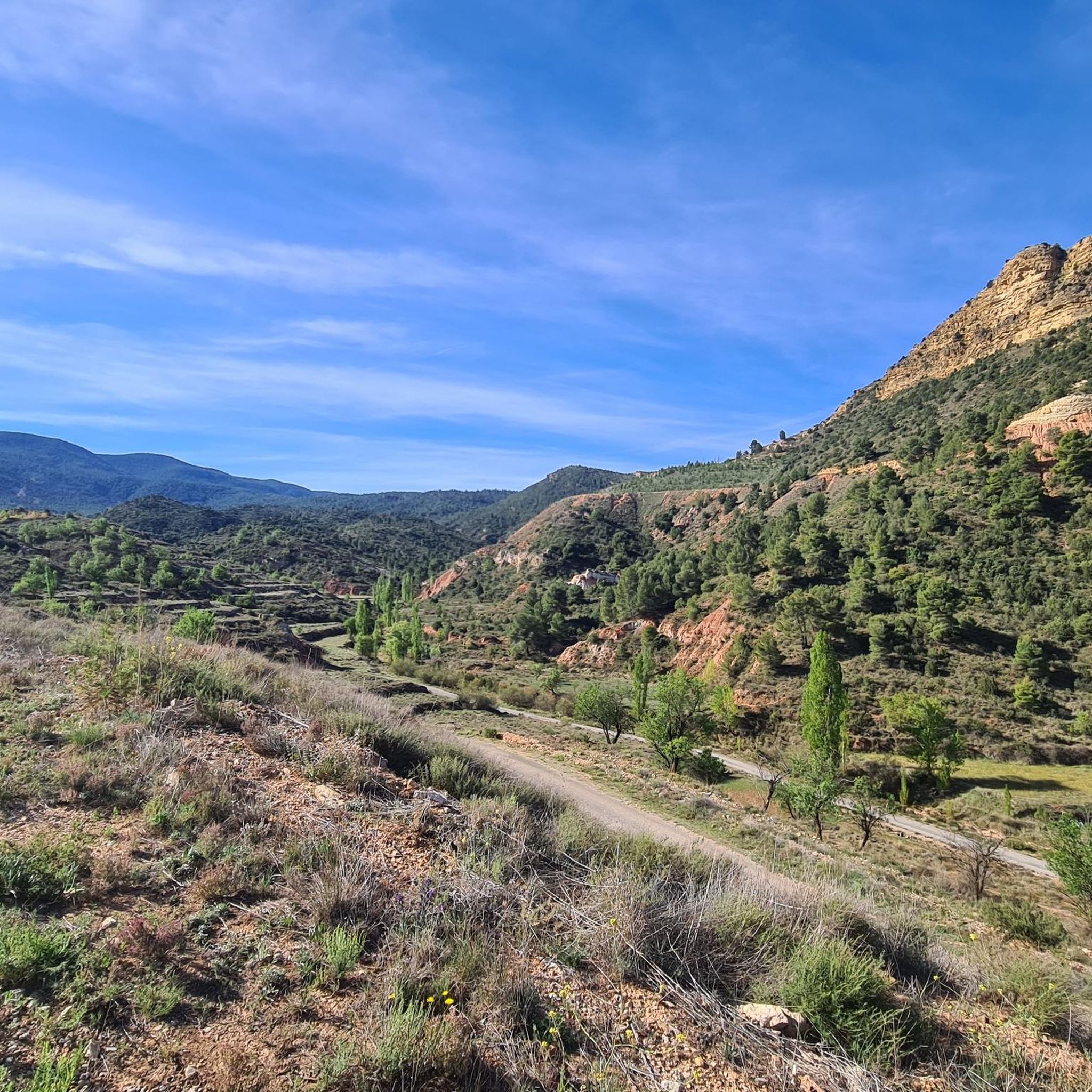
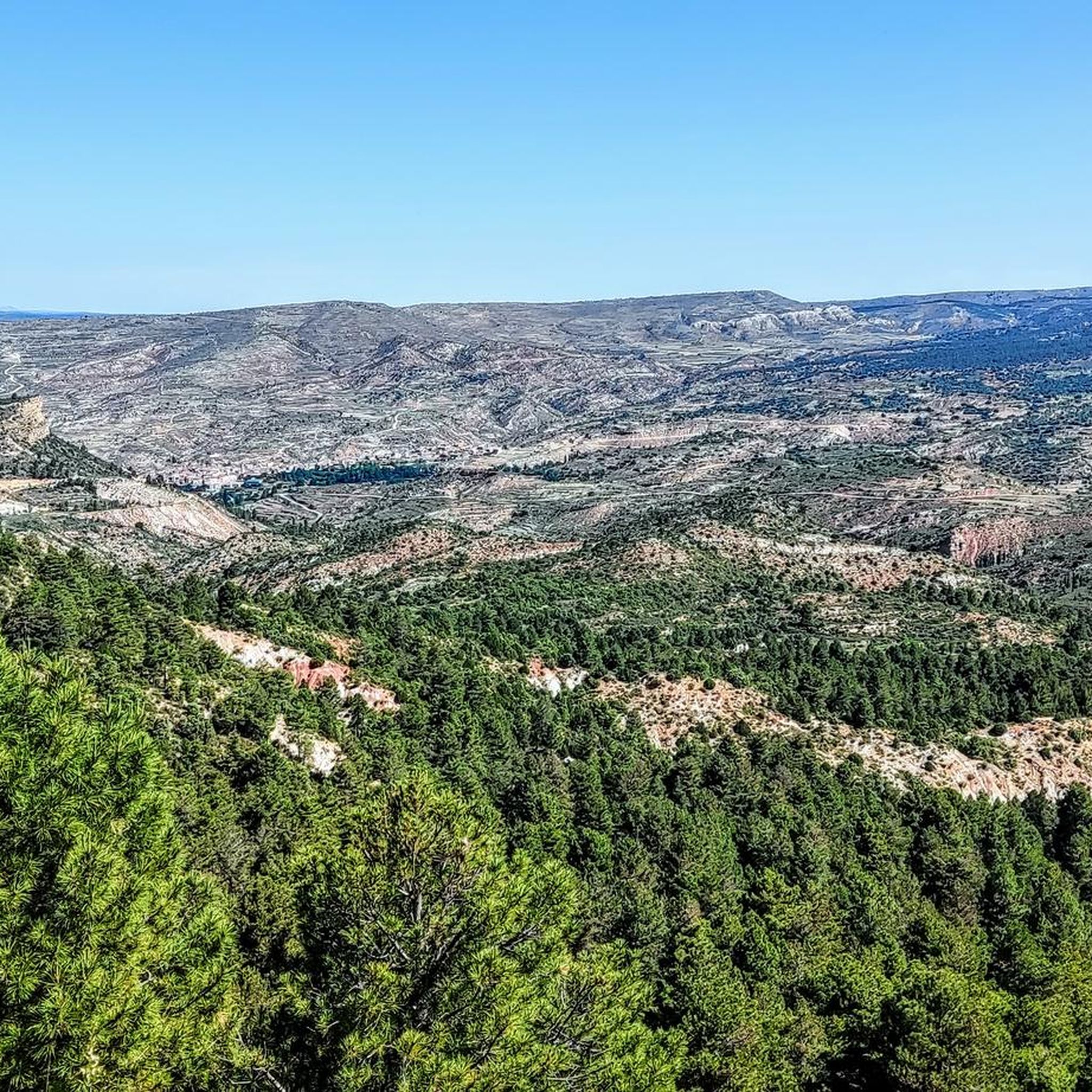
Tips from the Community

La Puebla de Valverde is a Spanish municipality and a small fortified town with 465 inhabitants (as of 2024). The town is located approximately 20 km southeast of Teruel, south of the Escandón Pass. The road from Teruel to the Mediterranean coast originally ran through the town, but now bypasses it. At La Puebla de Valverde, the road to Mora de Rubielos turns off. The town is situated on a broad, elongated hill facing west-east. The city walls have been preserved. The town was founded as part of the Reconquista in the 13th century and was first mentioned in 1265. It was located on the Camino Real to Valencia and served to protect the southern border of Aragon against the then still Muslim Kingdom of Valencia.
1
0

The Rabadá and Navarro refuge is located in the heights of the Javalambre mountain range, very close to the ski resort. It has a capacity of 74 beds and offers blankets, heating, hot showers, food service and a bar.
1
0

Close to the Javalambre Peak and ski slopes.
1
0

great climb to a beautiful viewpoint summit.
1
0

Located at an altitude of 1,715 meters, this refuge is accessible from La Puebla de San Miguel or Camarena de la Sierra. The refuge is a simple stone hut with basic amenities such as a small fireplace and a nearby fountain called Fuente del Pozo. It is an ideal place for hikers looking to rest for the night while exploring the Sierra de Javalambre.🚴🚶♀️🚵🌄
3
0

Always cold and abundant water, at 1,500 m above sea level. According to a local who was drinking water there 44 years ago, it is so called because the coldness of its waters caused some indigestion to the hot farmers who quenched their thirst there.
1
0
for us the scenic highlight of the Montañas Vacías Bikepacking Tour
0
0
Frequently Asked Questions
How many touring cycling routes are available around Riodeva?
There are 6 touring cycling routes available around Riodeva, all of which are considered difficult, offering a challenge for experienced cyclists.
What is the best time of year for touring cycling in Riodeva?
The best times to undertake touring cycling routes in Riodeva are typically spring and autumn. This helps avoid the extreme temperatures that can occur during summer and winter months.
Are there any family-friendly touring cycling routes in Riodeva?
While the routes directly around Riodeva are rated as difficult, the nearby Vía Verde de Ojos Negros is particularly well-suited for family cycling tours. Its generally downhill trajectory when cycled from the interior towards the coast makes it accessible for various fitness levels.
Can I find circular touring cycling routes in the Riodeva area?
Yes, several circular touring cycling routes are available. For example, you can explore the rugged environments with the Empty Mountains - circular by Javalambre, or discover geological features on the Empty Mountains - circular through the Puebla de San Miguel Natural Park.
Are there any routes that feature waterfalls or natural pools?
Absolutely. The The Amanaderos of Riodeva – Fuente de Matahombres loop from Riodeva leads through the Los Amanaderos area, which is celebrated for its series of waterfalls and natural pools formed by the Riodeva River. This area is perfect for enjoying the natural beauty, especially during summer.
What kind of natural landscapes can I expect to see while cycling around Riodeva?
Touring cycling around Riodeva offers diverse natural environments. You'll encounter mountainous terrain, particularly in areas like Los Amanaderos with its dramatic waterfalls, and geological formations within the Puebla de San Miguel Natural Park. The region also features the Vía Verde de Ojos Negros, which traverses varied landscapes from rugged natural settings to old towns and villages.
What are some interesting places to explore or landmarks near the cycling routes?
Beyond the cycling routes, Riodeva offers unique attractions. You can visit The Amanaderos of Riodeva for its stunning waterfalls, or explore the paleontological site of Titania (Dinópolis), which features a life-size replica of a Turiasaurus skeleton. The Pico Javalambre is also a notable landmark in the wider area.
Is the Vía Verde de Ojos Negros accessible from Riodeva?
Riodeva is in close proximity to the Vía Verde de Ojos Negros, Spain's longest greenway. This former mining railway line offers an excellent touring cycling experience, connecting the interior of Teruel with the Valencian coast. You can find more information about this route on Wikipedia.
What do other touring cyclists say about the routes in Riodeva?
The touring cycling routes in Riodeva are highly rated by the komoot community, with an average score of 5.0 stars from over 3 reviews. Cyclists often praise the challenging nature of the routes and the immersive experience in the region's rugged, natural environments.
Are there any routes that offer insights into the region's geology or mining history?
Yes, the Empty Mountains - circular through the Puebla de San Miguel Natural Park offers insights into the rich geological elements exposed by past mining activities, with informative panels along a geological route at the base of the 'Peña del Águila' peak.
What is the longest touring cycling route available directly from Riodeva?
One of the longer and more challenging routes is the Pico Javalambre – Viaducto de Peñaflores loop from Camarena de la Sierra, which covers approximately 91.3 kilometers (56.7 miles) with significant elevation changes.
Most popular attractions around Riodeva

Get inspired with the komoot mobile app


Explore more
Browse the best Cycling routes in other regions.
