The best cycling routes around Montoro
3.9
(34)
352
riders
57
rides
Touring cycling around Montoro is characterized by its diverse landscape, encompassing the foothills of the Sierra Morena and the meandering Guadalquivir River. The region features extensive natural areas, including the Sierra de Cardeña y Montoro Natural Park, which offers varied terrain for cycling. Cyclists will encounter a mix of Mediterranean forests, holm oaks, and vast olive groves. The elevation changes are typical of a hilly environment, providing both challenging ascents and scenic descents.
Best touring cycling routes around Montoro
- The…
Last updated: May 10, 2026
79.5km
05:23
1,160m
1,160m
Hard bike ride. Very good fitness required. Mostly paved surfaces. Suitable for all skill levels.
45
riders
98.1km
08:21
1,610m
1,610m
Hard bike ride. Very good fitness required. You may need to push your bike for some segments of this route.

Sign up for free
11
riders
89.7km
05:49
1,200m
1,200m
Hard bike ride. Very good fitness required. Mostly paved surfaces. Suitable for all skill levels.
5
riders
36.1km
02:50
480m
480m
Hard bike ride. Very good fitness required. Mostly paved surfaces. Suitable for all skill levels.
5
riders
41.1km
03:27
590m
590m
Hard bike ride. Very good fitness required. Mostly paved surfaces. Suitable for all skill levels.
Get access to more routes and recommendations from other explorers.
Sign up for free
Already have an account?
Our route recommendations are based on thousands of hikes, rides, and runs completed by other people on komoot.
Start today with a free account
Your next adventure awaits.
Login or Signup
Popular around Montoro
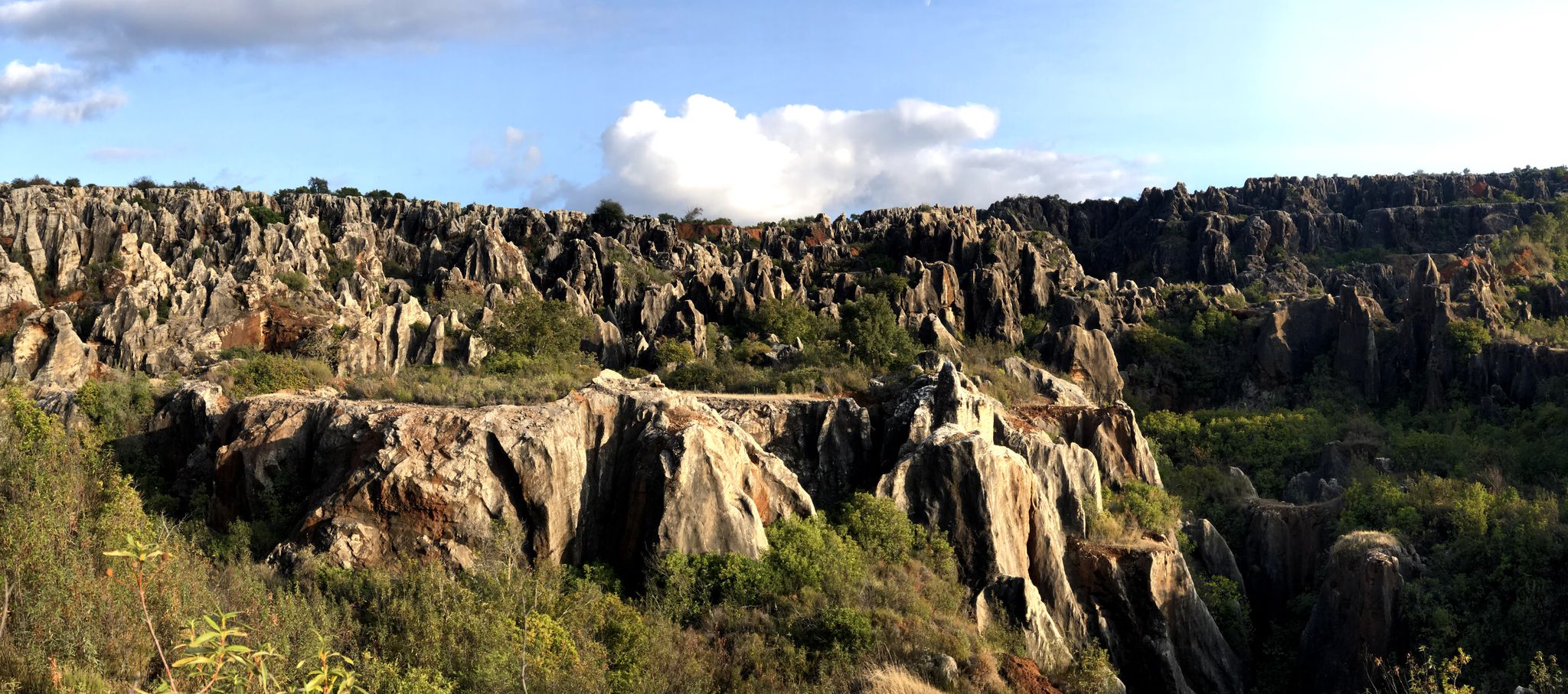
Cycling among the mysterious faults – Sierra Morena (GR 48)
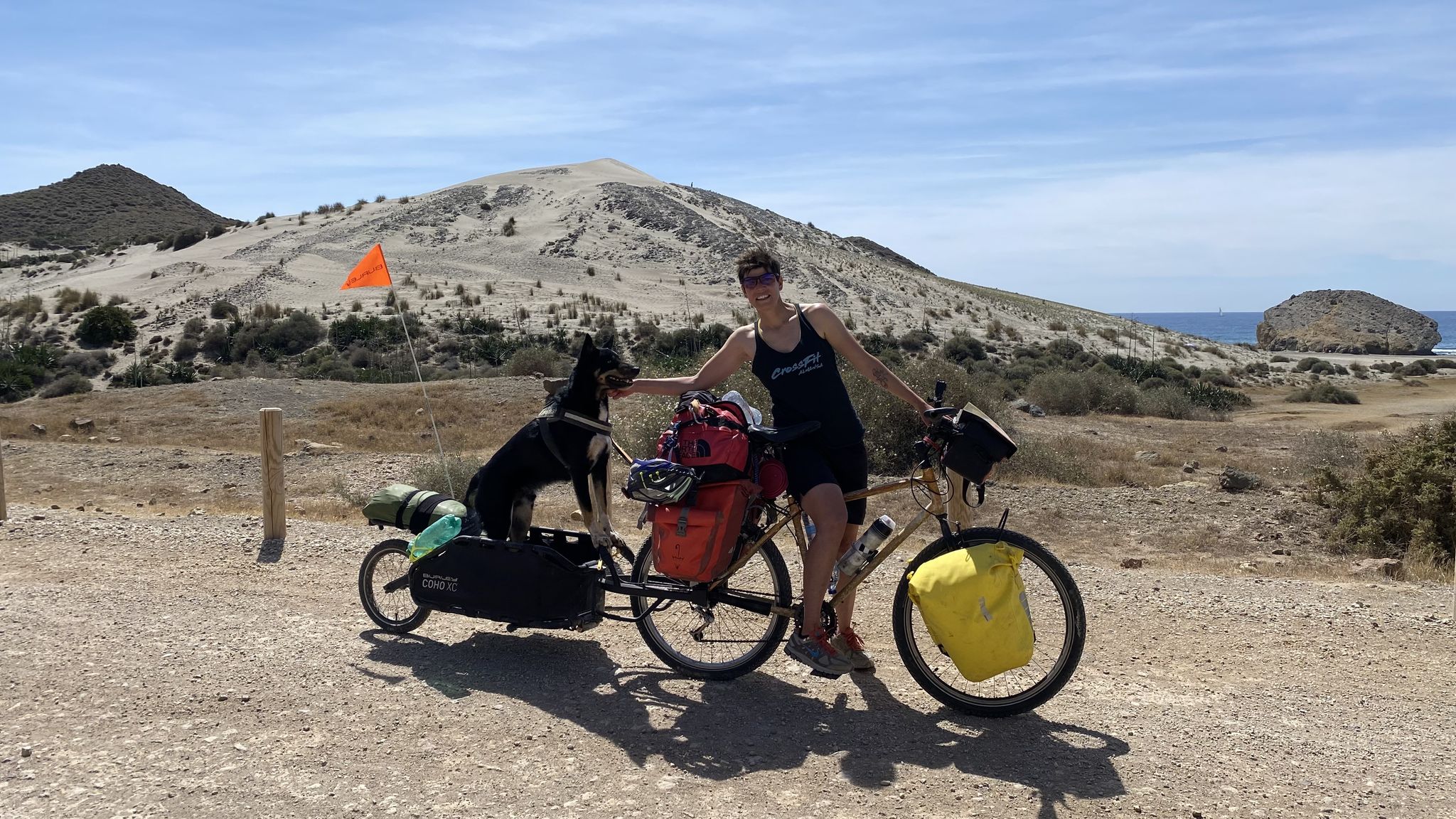
Let’s head south – cycle in Andalusia with me and my dog
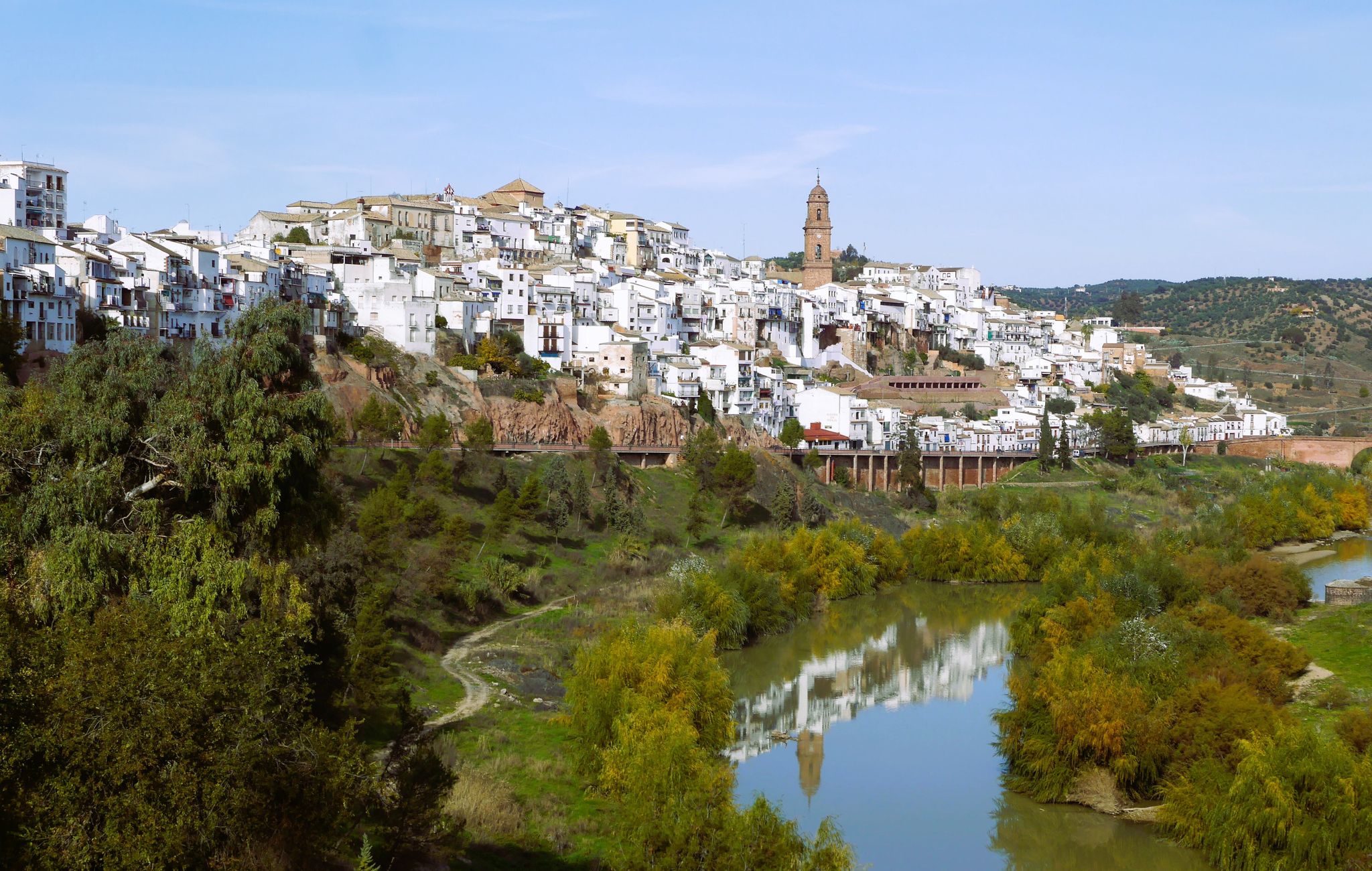
Hike the glorious countryside of Cordoba and Jaen – Sierra Morena (GR 48)
Road Cycling Routes around Montoro
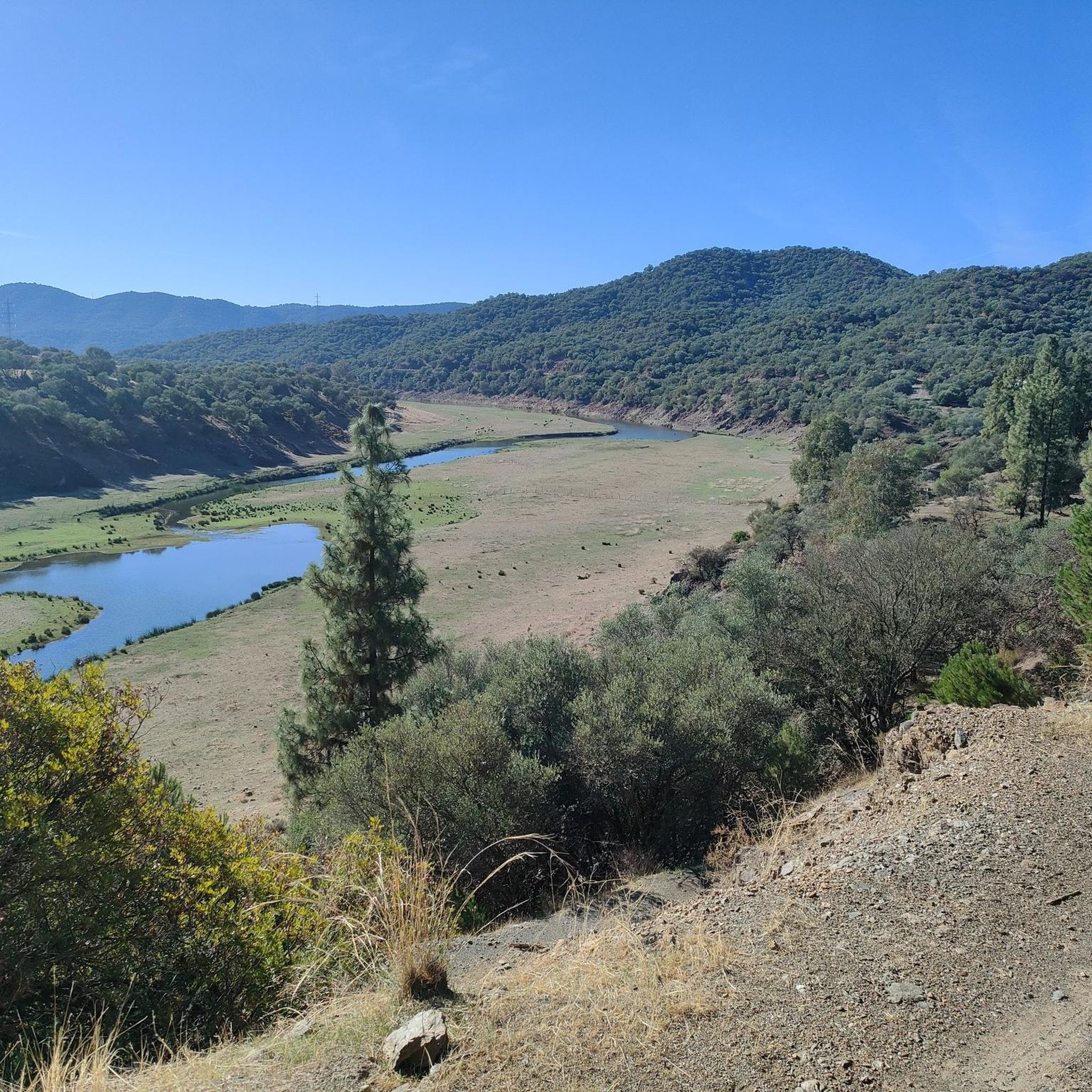
Running Trails around Montoro
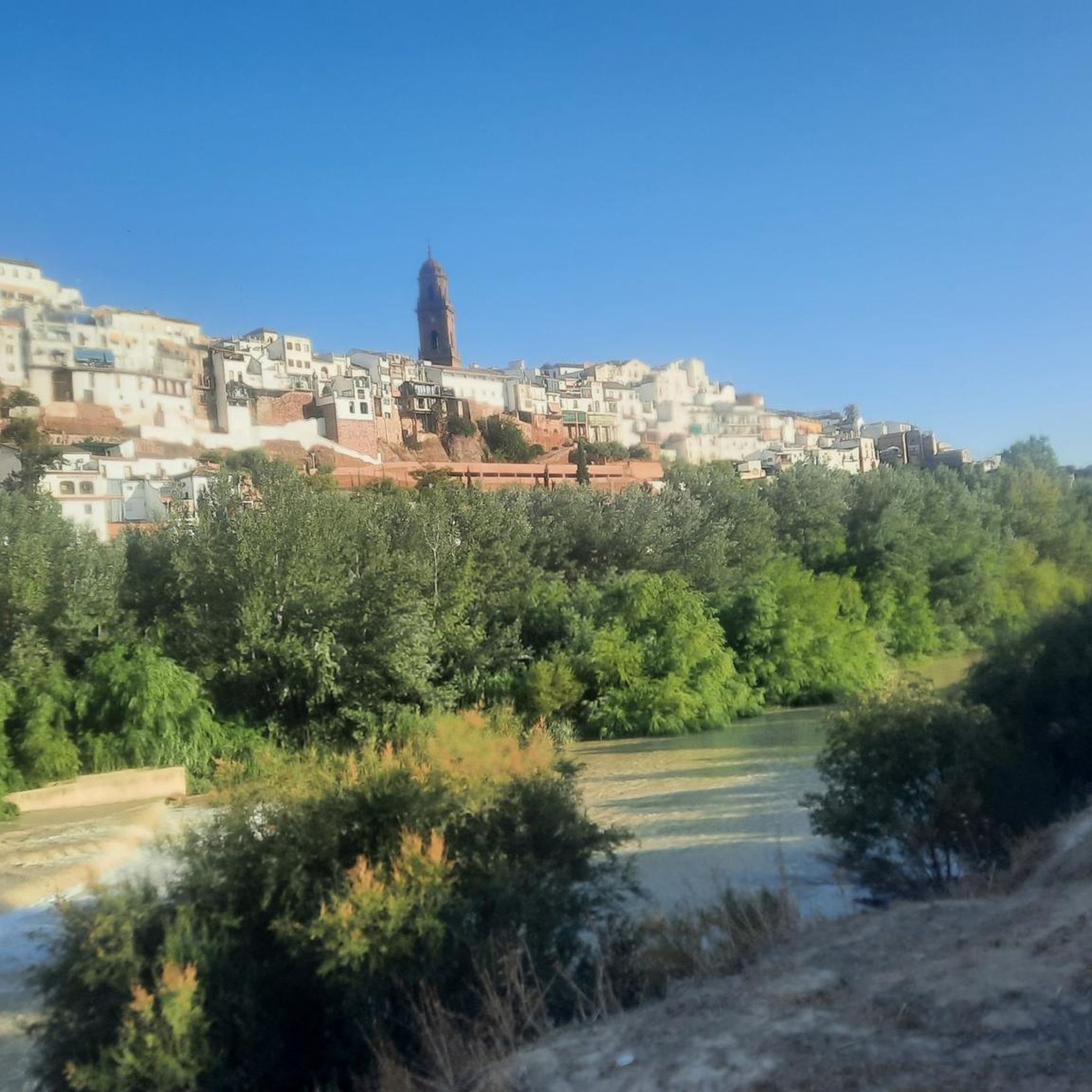
Hiking around Montoro
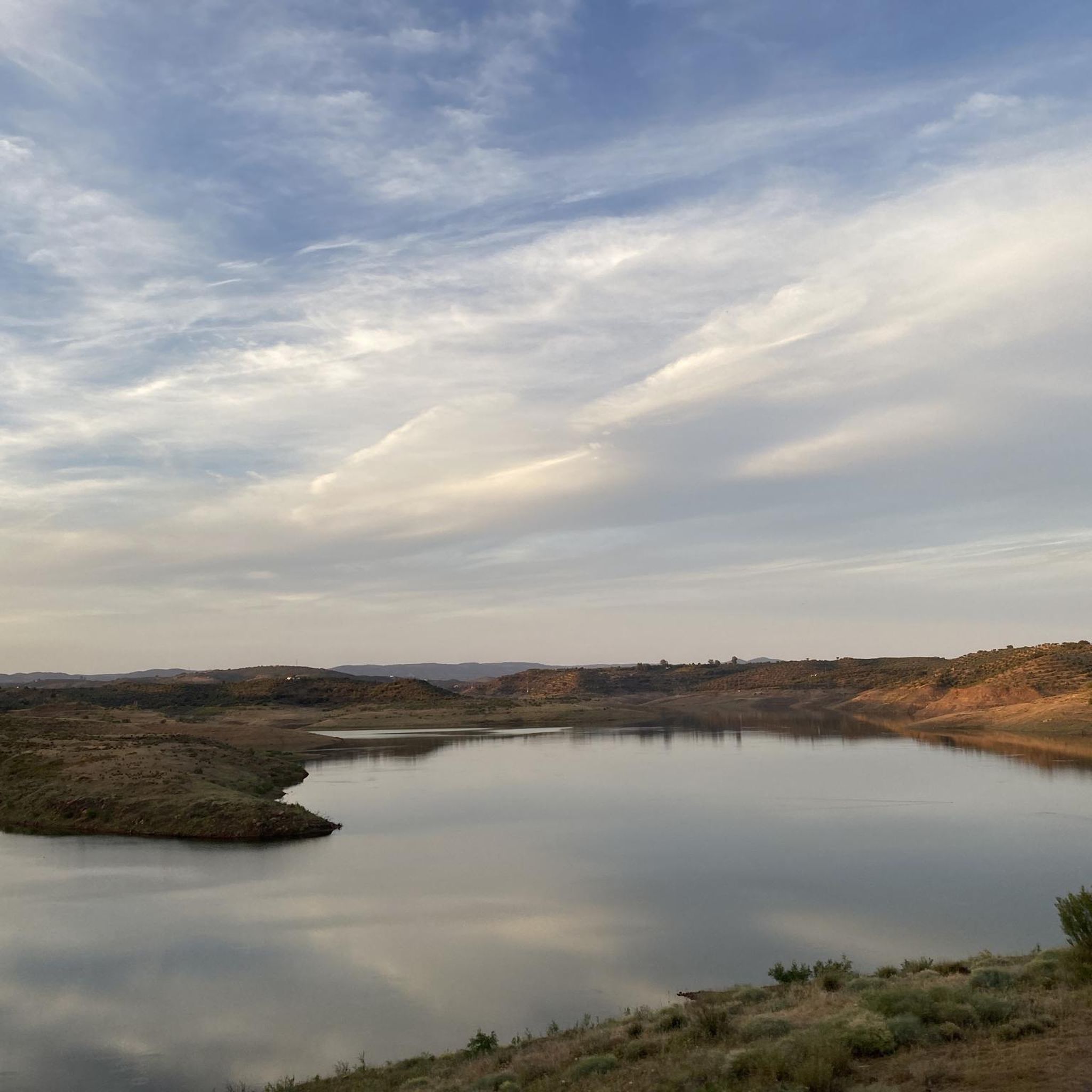
MTB Trails around Montoro
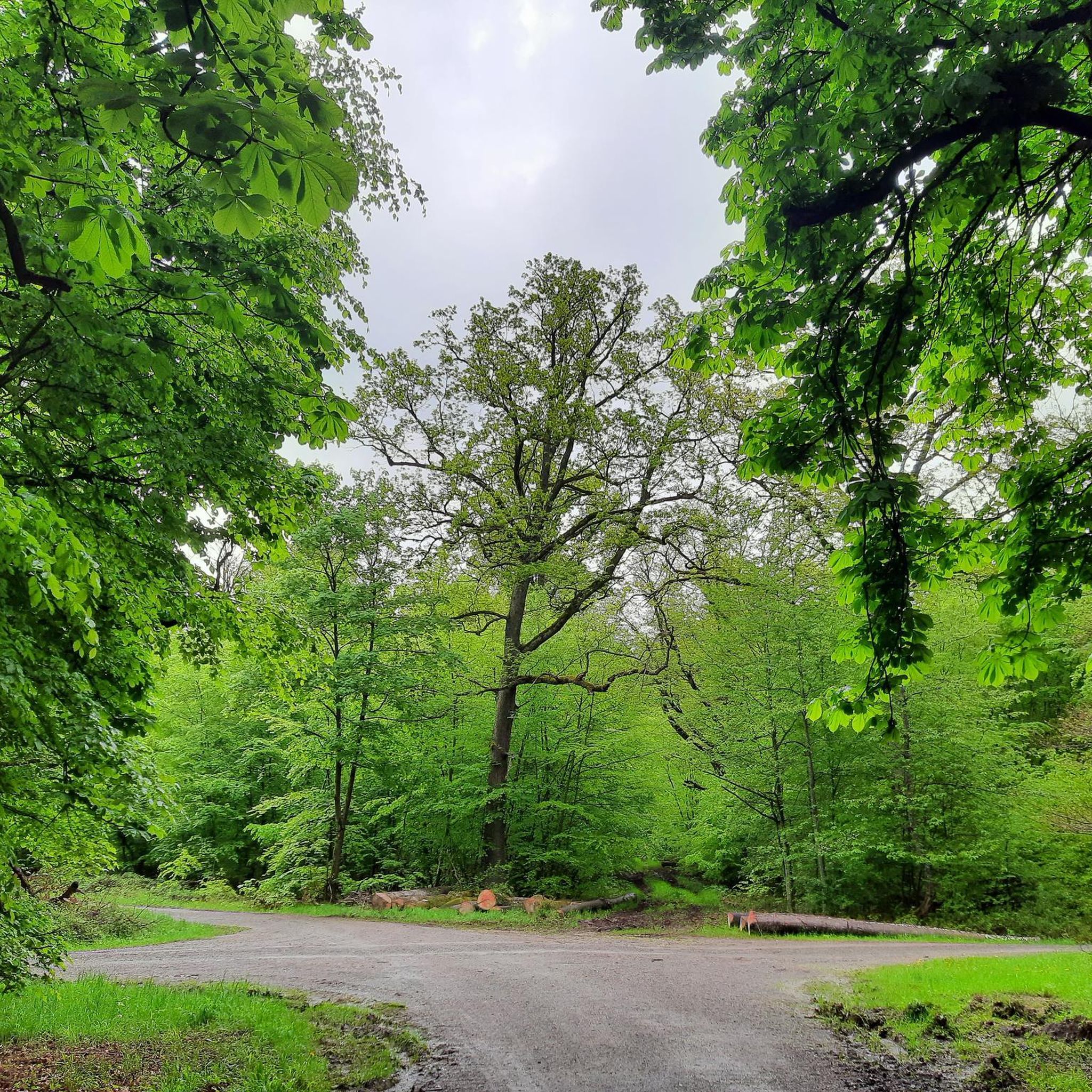
Gravel biking around Montoro
Other adventures around Montoro


Tips from the Community

The first stop on the old road to the Sanctuary of the Virgin of the Head is where pilgrims rest and have a light lunch before continuing their journey. Here you'll find several watering troughs so the horses can quench their thirst during the approximately 20-kilometer trek from the city of Andújar. A small chapel has also been built where pilgrims can pray to the Virgin.
6
0
Cardeña is a town in the north of the province of Córdoba with a population of just over 1,400 inhabitants, at an altitude of 821 meters above sea level. The municipality of this beautiful town includes the small towns of La Venta del Charco and Azuel. The population trend, as in most towns in Spain, has been declining, with a loss of almost 500 inhabitants since 1979. It's worth stopping by its bakeries selling bread and typical local pastries, as well as traditional cured meats, and of course, enjoying a few beers while enjoying its gastronomy.
0
0

Cardeña is a small but historically and naturally important municipality in the region. It is located in the northeast of the province of Córdoba and is part of the Parque Natural Sierra de Cardeña y Montoro, a protected natural area. Cardeña is an ideal place for a break by bike, good food and nature worth seeing. Perfect for a bike tour with a culinary break in picturesque surroundings! The region was sparsely populated for a long time and was strategically used as a border area between Christian and Muslim dominions in the Middle Ages. During the reign of Charles III (1759-1788), Spain encouraged the settlement of remote areas. As a result of this colonization policy, several small villages were created in the Sierra Morena, including Cardeña.
2
0
The hermitage of San Ginés is an important milestone for pilgrim walkers who make the journey from Andújar to the Sanctuary of the Virgen de la Cabeza, along what is known as the old road or bridle path. San Ginés is the place where there is a kind of hill that leaves Andújar behind in the view, to soon resume the views of the Jándula river valley. Walkers usually stop there to rest and regain strength. The hermitage and its surroundings were also rehabilitated a few years ago.
10
0
It is a hermitage of the same name and a resting place for pilgrims on the way up to the Sanctuary of the Virgin of the Head. From here a descent begins until the passage through the Jándula River.
13
0

Municipality located to the east of the province of Córdoba, on the border with Jaén. Most of it is located in the foothills of Sierra Morena, making the Guadalquivir River the border with the countryside. Therefore, the mountains, the river and the countryside are the three elements that determine the landscape. The first is part of the Sierra de Cardeña y Montoro Natural Park, and in it we can find vegetation of holm oaks, wild olive trees, stone and maritime pines and a population of melojo oak, rare in Andalusia. It is also an area of great fauna, hunting and livestock value. The second, which surrounds the town, is the axis of the landscape, life and history of the town; Due to the beauty of the meander, it is also known as the Andalusian Toledo. The third, populated by olive trees, places us in a truly Cordoba environment. The town, with an Iberian, Greek, Roman, and Muslim past, is located on a small elevation that dominates the course of the river that divides it into two neighborhoods, offering an unmistakable image. Declared a Historic-Artistic Site in 1969, it brings together a multitude of attractions and tourist attractions to visit, such as the bridge over the river, the Church of San Bartolomé, the Casa de las Tercias, its steep streets of white houses, or the Torre de Villaverde. Its Holy Week, declared of Tourist Interest, reaches its greatest splendor on the afternoon of Holy Thursday with the presence of the Roman Empire. It is one of the towns included in the Baético Romana Route.
0
0
The Puente de las Donadas or Puente de las Doncellas, is located over the Guadalquivir River and connects the Retamar neighborhood with the rest of the town. Also known as Puente Mayor, it is located in the town of Montoro, Córdoba, and belongs to the Commonwealth of Alto Guadalquivir.
0
0
The Three Eyes Bridge or Iron Bridge is a bridge built by the French engineer Gustave Eiffel. It is located near Villa del Río in the province of Córdoba, Spain, on the A-3101 on the Guadalquivir River.
0
0
Frequently Asked Questions
How many touring cycling routes are available around Montoro?
There are over 50 touring cycling routes around Montoro, offering a wide range of options for different skill levels and preferences. The region's diverse landscape, from the Sierra Morena foothills to the Guadalquivir River valley, provides varied terrain for exploration.
What kind of terrain can I expect when touring cycling in Montoro?
Montoro's touring cycling routes feature a diverse landscape, including the rolling foothills of the Sierra Morena, the meandering Guadalquivir River valley, and extensive olive groves. You'll encounter a mix of Mediterranean forests, holm oaks, and unique melojo oak populations, with elevation changes typical of a hilly environment, offering both challenging ascents and scenic descents.
Are there touring cycling routes suitable for beginners in Montoro?
While many routes in Montoro are considered moderate to difficult, there is at least one route specifically categorized as easy. It's advisable for beginners to check the route profiles for distance and elevation gain to find the most suitable option.
Are there challenging touring cycling routes for experienced cyclists in Montoro?
Yes, Montoro offers numerous challenging routes for experienced touring cyclists. Approximately half of the routes are classified as difficult, featuring significant elevation gains and longer distances. For example, the Sierra de Cardeña y Montoro Natural Park Loop from Montoro is a difficult 49.4-mile (79.5 km) route with over 1,100 meters of ascent.
Can I find circular touring cycling routes in Montoro?
Yes, many touring cycling routes in Montoro are designed as loops, allowing you to start and end in the same location. Examples include the Sierra de Cardeña y Montoro Natural Park Loop from Montoro and the Marmolejo Spa – San Ginés Hermitage loop from Villa del Rio.
What natural attractions can I explore while cycling in Montoro?
The region is rich in natural beauty. You can cycle through the extensive Sierra de Cardeña y Montoro Natural Park, known for its diverse flora and fauna. The Martín Gonzalo Reservoir offers picturesque surroundings, and the Guadalquivir River is a constant feature. For birdwatching, consider visiting the Birds Viewpoint at the Tejoneras and Dehesa Yeguas reservoirs.
Are there any historical sites or landmarks to see along the cycling routes?
Absolutely. Montoro itself is a declared Historic-Artistic Site with its ancient bridge over the Guadalquivir and the 15th-century Church of San Bartolomé. Routes may also pass by landmarks such as the Marmolejo Spa or the Fountain in Montoro. The Villafranca Iron Bridge is another notable structure in the area.
Where can I find scenic viewpoints on a touring cycling route?
For breathtaking views, consider routes that pass by the Polar Viewpoint – Aldea del Cerezo. This area, along with the Birds Viewpoint at the Tejoneras and Dehesa Yeguas reservoirs, offers excellent opportunities to appreciate the region's natural landscapes and observe wildlife.
What do other touring cyclists say about the routes in Montoro?
The touring cycling routes in Montoro are highly rated by the komoot community, with an average score of 3.8 stars from over 30 reviews. Cyclists often praise the varied terrain, the beauty of the natural parks, and the challenging yet rewarding ascents and descents through olive groves and Mediterranean forests.
Are there places to stop for food or rest along the touring cycling routes?
Yes, the town of Cardeña, located within the Sierra de Cardeña y Montoro Natural Park, is noted as an ideal spot for a cycling break, offering good food and scenic views. Additionally, the Cerezo Hamlet provides renovated rural accommodation, and Montoro itself has amenities for rest and refreshments.
Which touring cycling route explores the Sierra de Cardeña y Montoro Natural Park?
The Sierra de Cardeña y Montoro Natural Park Loop from Montoro is an excellent choice. This 49.4-mile (79.5 km) difficult route takes you deep into the protected natural park, showcasing its varied landscapes and significant elevation changes.
Is there a touring cycling route that passes by a spa or hermitage?
Yes, the Marmolejo Spa – San Ginés Hermitage loop from Villa del Rio is a difficult 60.6-mile (97.6 km) path that features substantial climbing and passes by both the historic Marmolejo Spa and a hermitage, offering scenic views along the way.
Can I find a touring cycling route that features a significant fountain?
Yes, the Montoro – Fountain in Montoro loop from Montoro is a 55.7-mile (89.7 km) route that leads through the local area around Montoro and includes the notable Fountain in Montoro as a point of interest.
Most popular attractions around Montoro

Get inspired with the komoot mobile app


Explore more
Browse the best Cycling routes in other regions.
