Attractions and Places To See around Las Parras De Castellote - Top 10
Attractions and places to see around Las Parras De Castellote are situated in a region of Teruel, Spain, nestled between the Guadalope and Bergantes Rivers. The area features a generally mountainous relief with altitudes ranging from 500 to 950 meters. This location offers a blend of historical sites, cultural landmarks, and natural features. The municipality provides opportunities to explore ancient archaeological findings and traditional engineering related to water management.
Best attractions and places to see around Las Parras De Castellote
- The most popular attractions is Castellote Village and Castle, a settlement with a rich history. This Aragonese municipality features a castle in the upper part of the town and an aqueduct from 1847.
- Another must-see spot is Forcall, a settlement in the Els Ports region. Visitors can expect to see historical sites such as the Virgen de la Consolación hermitage, an 18th-century parish church, and the 16th-century Osset-Miró palace.
- Visitors also love Mas de las Matas, a settlement at the foot of the Iberian System. This small town is surrounded by limestone mountains, offering a distinctive natural setting.
- Las Parras De Castellote is known for its historical settlements, religious buildings, and natural monuments. The area offers a variety of attractions to see and explore, from ancient mills to chapels and archaeological sites.
- The attractions around Las Parras De Castellote are appreciated by the komoot community, with 7 upvotes and 7 photos shared by visitors.
Last updated: July 8, 2026
Castellote Village and Castle
Highlight • Settlement
Translated by Google •
Tip by

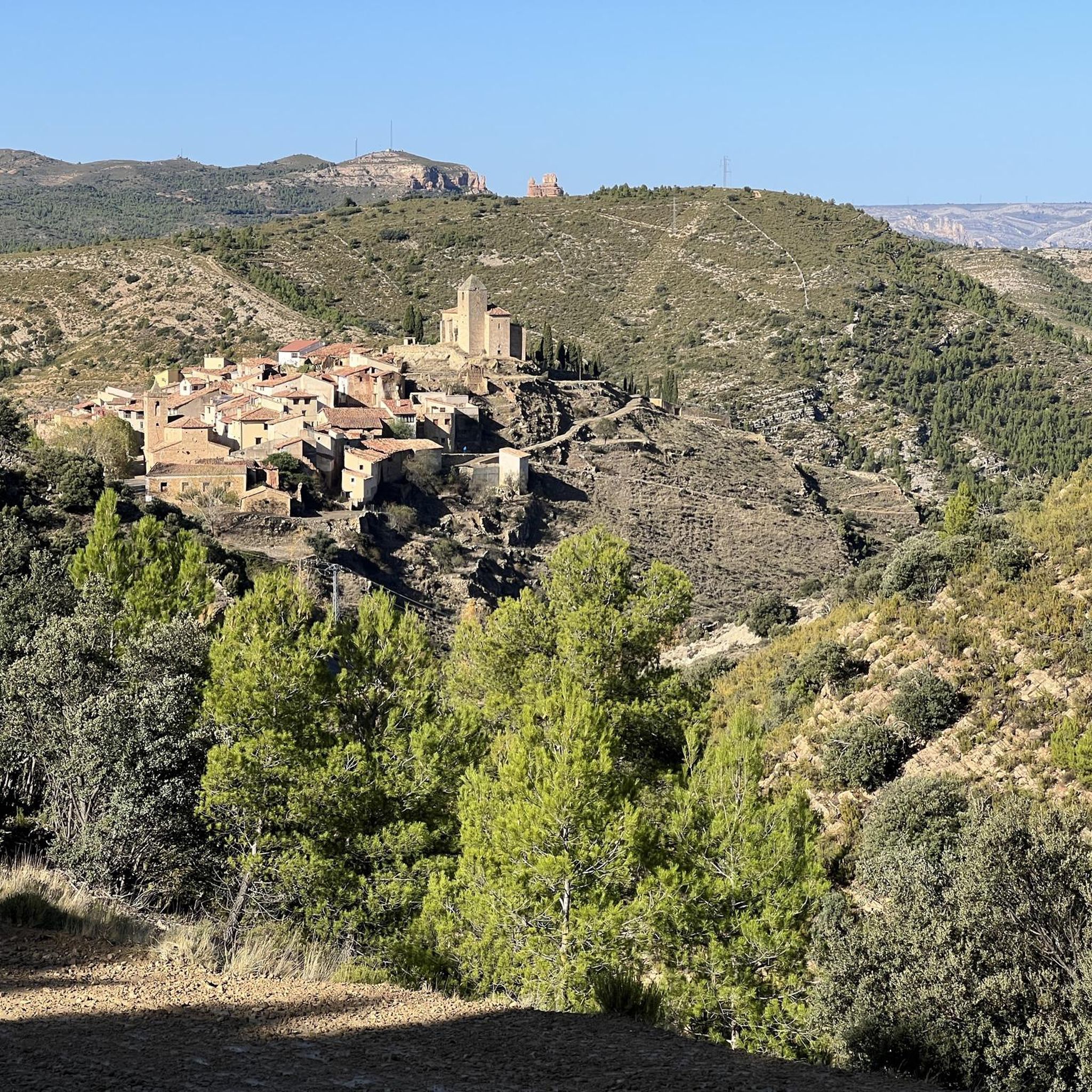
Forcall
Highlight • Settlement
Its origin can be located in an Ibero-Romanesque population center discovered in 1876, and which the locals knew as "La Moleta dels Frares or Liborio". For the researchers it was an important Roman villa, and a good part of its wall is still standing in the entrance area of the town.
Its cultural heritage includes the Virgen de la Consolación hermitage, the 18th-century parish church, built from the primitive 13th-century Gothic church, the aforementioned Moleta dels Frares, the Plaza Mayor and the 16th-century Osset-Miró palace. .
Translated by Google •
Tip by

Sign up now to discover places like this
Get recommendations on the best single tracks, peaks, & plenty of other exciting outdoor places.
Sign up for free
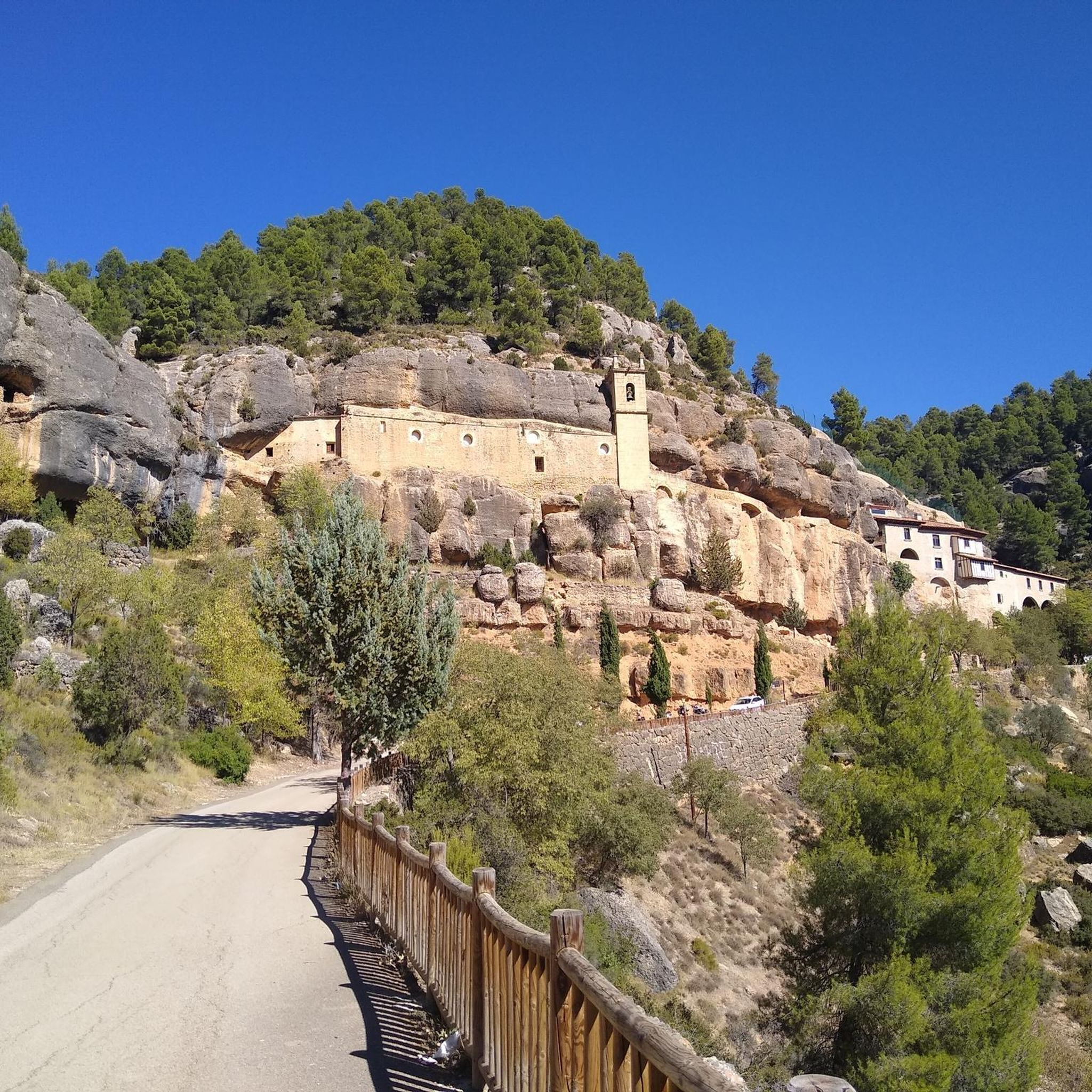
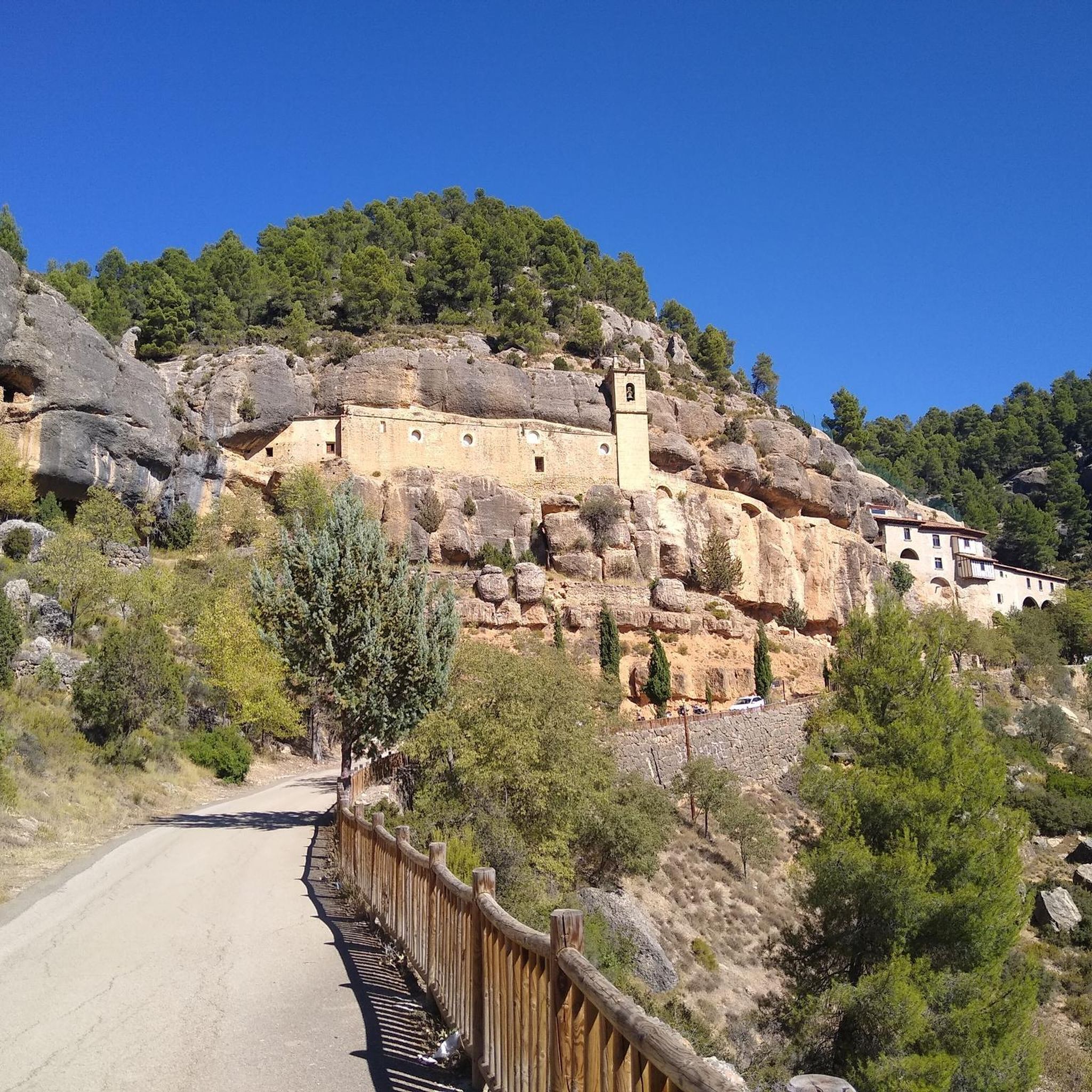
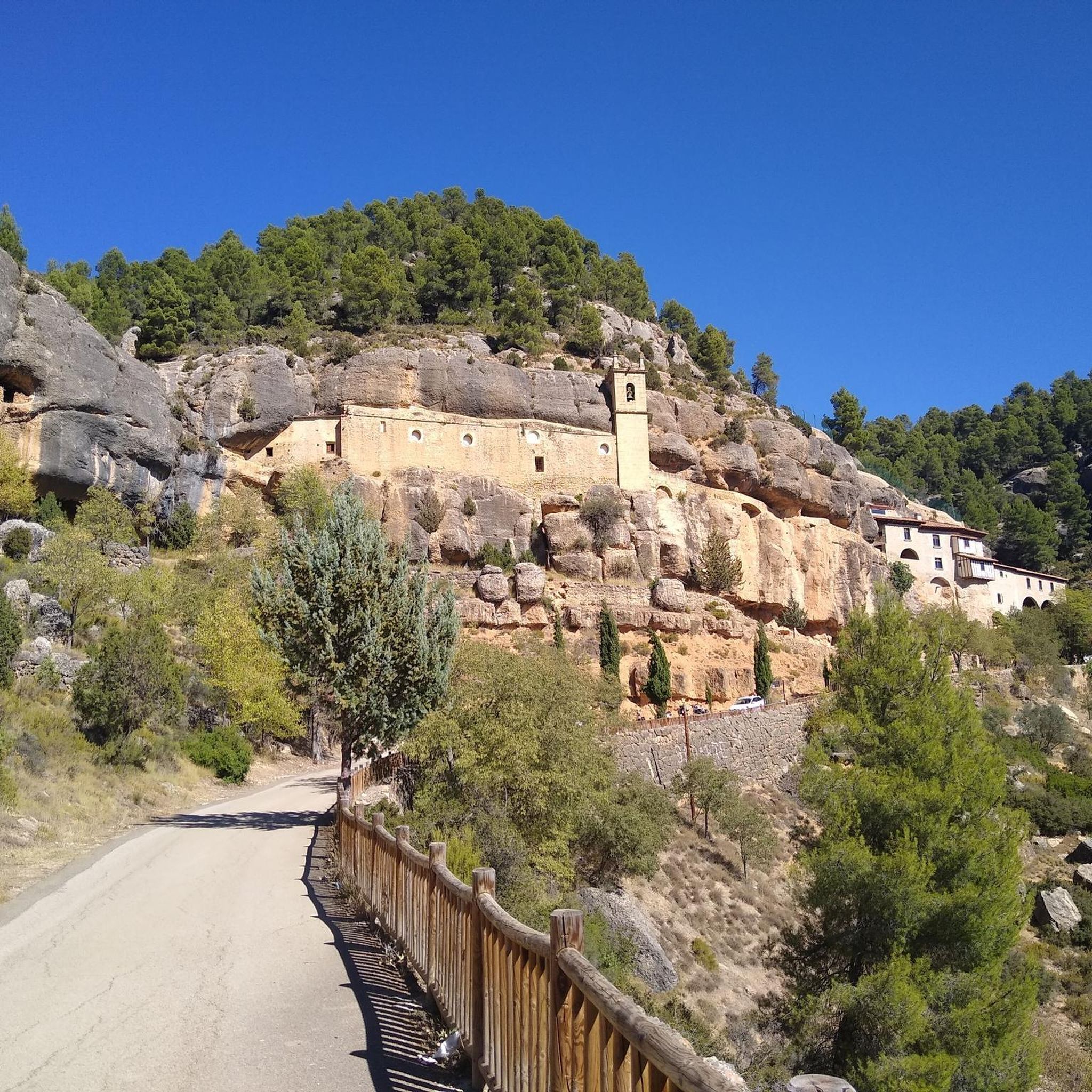
Sanctuary of the Virgin of la Balma
Highlight • Religious Site
Translated by Google •
Tip by

Mas de las Matas
Highlight • Settlement
Translated by Google •
Tip by

Camí de Coves Llongues
Highlight (Segment) • Trail
Translated by Google •
Tip by

Sign up for free to discover even more attractions around Las Parras De Castellote.
Sign up for free
Already have an account?
Start today with a free account
Your next adventure awaits.
Login or Signup

Tips from the Community

Descent along a very fast track with spectacular landscape until connecting with the Camí d'Aiguaviva, a section of the Camino de Santiago.
0
0

Population of the Els Ports region, in the province of Castellón (Valencian Community). Its name probably comes from the gallows shape made by the Bergantes, Cantavieja and Caldés rivers. Its origin can be located in an Ibero-Romanesque population center discovered in 1876, and which the locals knew as "La Moleta dels Frares or Liborio". For the researchers it was an important Roman villa, and a good part of its wall is still standing in the entrance area of the town. Its cultural heritage includes the Virgen de la Consolación hermitage, the 18th-century parish church, built from the primitive 13th-century Gothic church, the aforementioned Moleta dels Frares, the Plaza Mayor and the 16th-century Osset-Miró palace. .
0
0

Castellote is an Aragonese municipality located in the Maestrazgo region of Teruel that has a lot of history. A beautiful castle located in the upper part of the town and the aqueduct from the year 1847 stand out. From the upper part, the views and landscapes are spectacular.
1
0

Mas de las Matas is a small town in the region of Baix Aragó that is right at the foot of the Iberian System. Surrounded by limestone mountains such as the Sierra de los Caballos
0
1

This Renaissance sanctuary is carved into the rock. It was an important pilgrimage center for the neighboring towns of Teruel and Castellón, where people went to cure themselves of demonic possession (probably epilepsy).
0
0
Frequently Asked Questions
What historical and cultural sites can I explore in Las Parras de Castellote?
Las Parras de Castellote is rich in history. You can visit the 17th-century Church of San Nicolás de Bari with its Mannerist stucco work, the well-preserved Traditional Wash House, and the unique Animal-Traction Treadmill (Noria). Don't miss the Gate of San Antón, a Baroque-style gate that was once part of the town's defensive wall. The area also features archaeological sites like Cabezo de los Canales, dating back to the early Iron Age.
Are there any unique museums or historical mills to visit?
Yes, the town has a fascinating history related to its mills. An old olive oil mill in Jaganta, one of the municipal districts, has been converted into a museum and retains an ancient mechanism, one of only two preserved in good condition on the peninsula. This offers a unique glimpse into traditional engineering and water management.
What natural features define the landscape around Las Parras de Castellote?
The town is beautifully situated between the Guadalope and Bergantes Rivers. The municipality features a generally mountainous but gentle relief, with altitudes ranging from 500 meters to 950 meters at Cabezo Millán. The surrounding pine forests contribute to a serene natural environment, ideal for outdoor exploration.
What family-friendly activities are available near Las Parras de Castellote?
For families, the Extinction Park offers a unique and engaging experience. It features a free route with various reproductions of dinosaurs, allowing children and adults alike to enjoy nature alongside prehistoric creatures. Additionally, the nearby settlement of Forcall is listed as family-friendly and offers historical sites to explore.
Where can I find panoramic views of the area?
For excellent panoramic views, head to the Chapel of El Calvario or Monte Santo, located on the outskirts of the town. Additionally, the Castellote Village and Castle, situated in the upper part of the nearby town of Castellote, offers spectacular views and landscapes from its elevated position.
What kind of outdoor activities can I do around Las Parras de Castellote?
The mountainous surroundings of Las Parras de Castellote are perfect for outdoor activities. You can enjoy various hiking and walking trails, such as the Sendero Cerro de las Calderas. For more structured routes, explore the running trails, MTB trails, and road cycling routes available in the region.
Are there any notable religious sites in the area?
Beyond the Church of San Nicolás de Bari, you can visit the Chapel of Santa María Magdalena ("La Malena") on the town's outskirts, which hosts a traditional pilgrimage. Further afield, the Sanctuary of the Virgin of la Balma is a remarkable Renaissance sanctuary carved into the rock, historically an important pilgrimage center.
What is there to see in the nearby town of Castellote?
The nearby municipality of Castellote is well worth a visit. It boasts a rich medieval atmosphere, including the impressive remains of its Templar castle in the upper part of the town, and a historical aqueduct from 1847. The views from the castle are particularly spectacular.
What is the best time of year to visit Las Parras de Castellote for outdoor activities?
Given the generally mountainous but gentle relief and the presence of pine forests, spring and autumn typically offer the most pleasant weather for hiking and exploring the natural surroundings. These seasons avoid the peak heat of summer and the colder temperatures of winter, making outdoor activities more enjoyable.
What are some examples of traditional architecture in Las Parras de Castellote?
You can observe traditional architecture in the noble houses found on streets like Calle San Antón and Calle Mayor. These feature beautiful old houses with arched doorways, some preserving inscriptions from the 17th and 18th centuries. Casa Escuder, with its upper arcade and cantilevered wooden eaves, is a notable example.
Can I find any unique natural formations or trails in the region?
Yes, the Camí de Coves Llongues is a trail that offers a descent along a very fast track with spectacular landscapes, including a gorge. This trail also connects with the Camí d'Aiguaviva, which is a section of the Camino de Santiago.
What is the significance of the rivers in Las Parras de Castellote?
The Guadalope and Bergantes Rivers are integral to the identity and landscape of Las Parras de Castellote, as the town is nestled directly between them. They contribute to the natural beauty and historical water management systems of the area, influencing the local environment and past agricultural practices.
Most popular routes around Las Parras De Castellote

Get inspired with the komoot mobile app


Explore more
Still not found the Highlight you’re looking for? See guides of the top attractions in other regions:
