Attractions and Places To See around Larraga - Top 20
Best attractions and places to see around Larraga include a rich array of historical landmarks, cultural sites, and natural beauty. The town is situated in the Middle or Upper Ribera of Navarra, offering a vantage point with panoramas of its surroundings. Larraga's urban fabric features narrow, medieval streets and ancestral homes. The nearby Arga River and the natural park on Castle Hill provide opportunities to explore the natural landscape.
Best attractions and places to see around Larraga
- The most popular attractions is Puente la Reina Romanesque Bridge, a bridge where the Aragonese and Navarrese branches of the Way of St. James meet. The bridge was built in the 11th century to provide safe passage for pilgrims across the Arga river.
- Another must-see spot is Arnotegi Hermitage, a religious building and fortress. Visitors can enjoy a walk to this site and its panoramic views of Valdizarbe.
- Visitors also love Church of the Crucifix (Iglesia del Crucifijo), a place of worship housing the famous Rhenish Christ. Its patronage relates to the cross on which Jesus Christ died, with veneration tracing back to Saint Helena.
- Larraga is known for its historical landmarks, cultural sites, and natural features. The area offers a mix of ancient architecture, significant squares, and scenic natural parks to explore.
- The attractions around Larraga are appreciated by the komoot community, with over 550 upvotes and more than 270 photos shared.
Last updated: October 9, 2026
Puente la Reina Romanesque Bridge
Highlight • Bridge
The name and development are linked to the bridge donated by Dona Mayor, Queen of Navarre, wife of King Sancho Mayor, or her daughter-in-law. Despite all the uncertainty regarding the founder, the construction of the bridge in the first half of the 11th century is certain.
Because river crossings were dangerous, detours were long and ferry services expensive, the streams of pilgrims soon concentrated on this bridge. This was followed by the settlement of Franks and the founding of a market town. The development of the city is an example of the infrastructure projects of this time and their effect, and can often be found in a comparable form on the Way of St. James.
In 1122 it received city rights, from 1235 the construction of the city wall began. García IV donated the city to the Templars, and after their dissolution at the beginning of the 14th century, it passed to the Hospitallers.
Translated by Google •
Tip by

Church of the Crucifix (Iglesia del Crucifijo)
Highlight • Religious Site
Translated by Google •
Tip by

Sign up now to discover places like this
Get recommendations on the best single tracks, peaks, & plenty of other exciting outdoor places.
Camping El Molino
Highlight • Rest Area
Our excellent location in the heart of Navarra makes our campsite a privileged starting point to visit the most characteristic places in the Community.
We have been working for more than 30 years so that our clients enjoy their stay; and although we did a major expansion and renovation in 2000, year after year we are making changes and improvements to our establishment.
We have outdoor and indoor pools, indoor heated pools for adults with a spa and sauna and a children's water park for the little ones.
Translated by Google •
Tip by

Puente la Reina Bridge
Highlight • Bridge
Translated by Google •
Tip by

Artajona
Highlight • Settlement
Translated by Google •
Tip by

Sign up for free to discover even more attractions around Larraga.
Already have an account?
Start today with a free account
Your next adventure awaits.
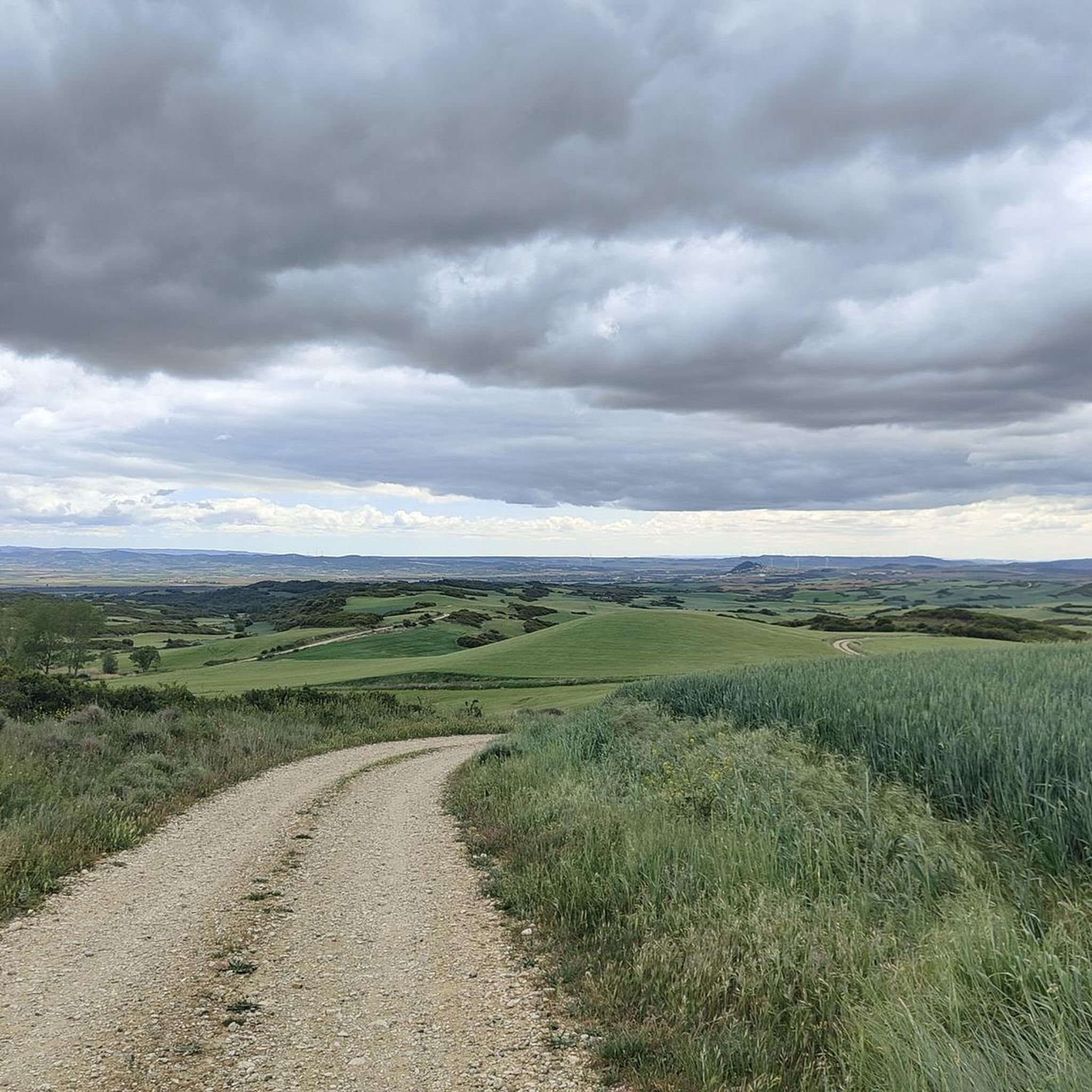
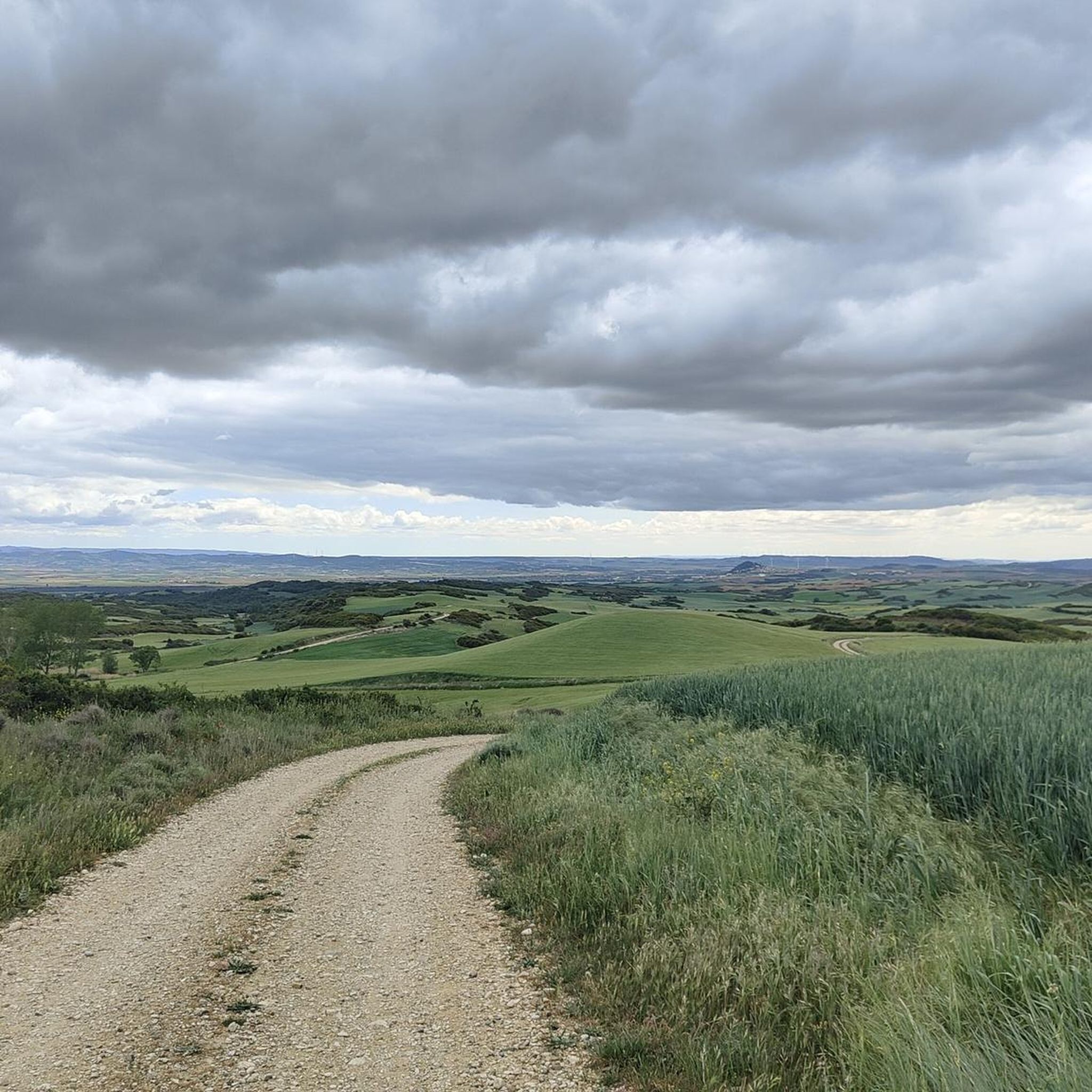
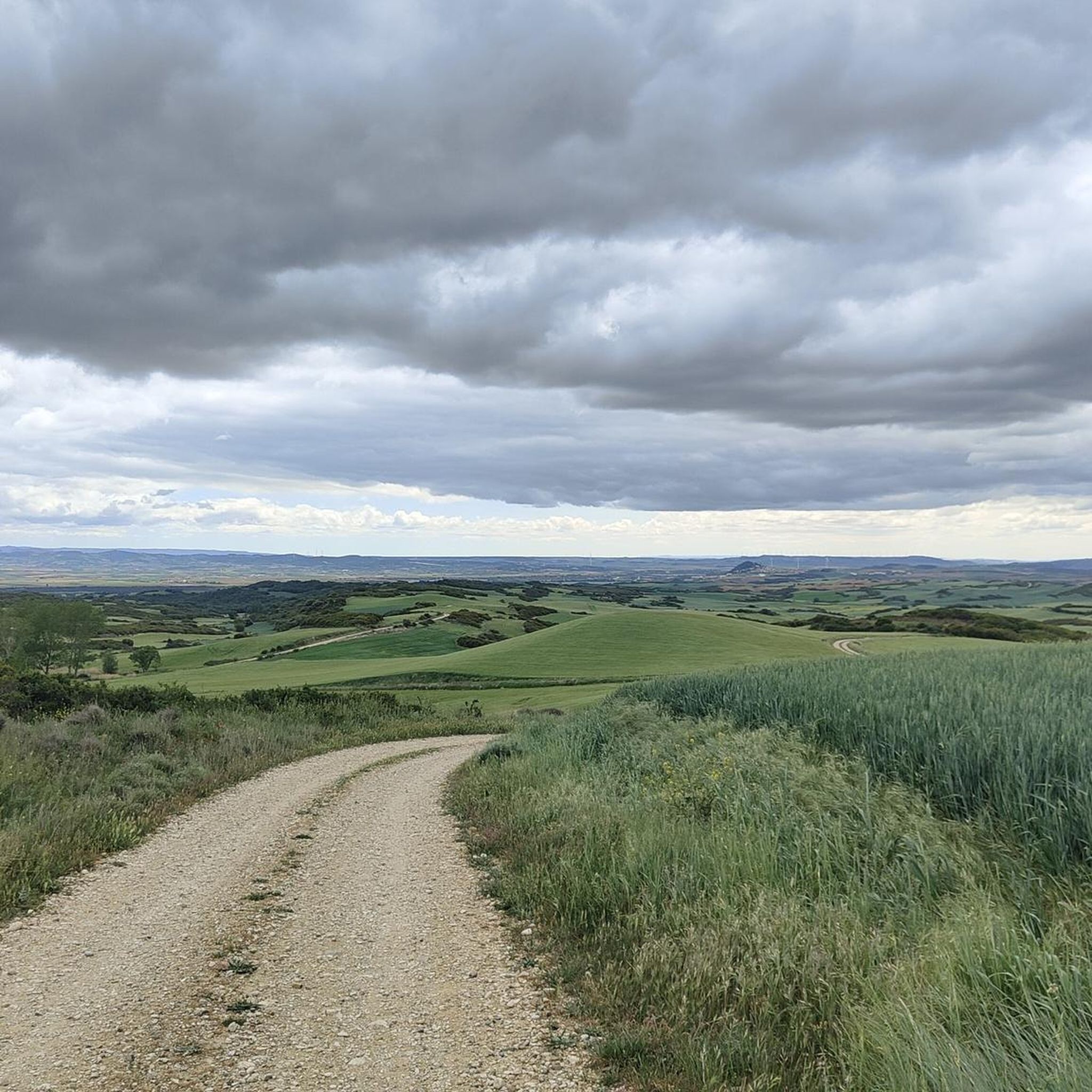
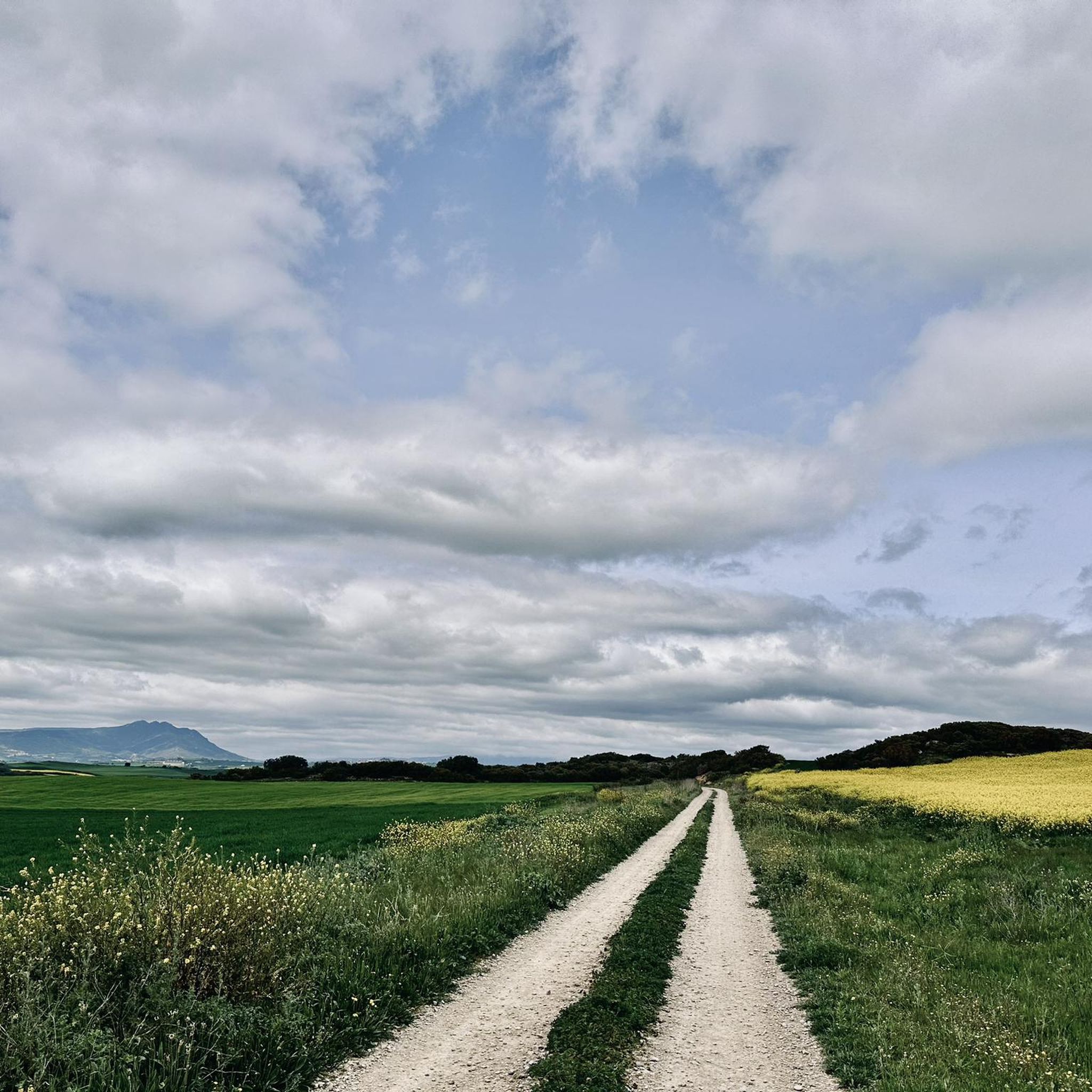

Tips from the Community

The Punte la Reina Bridge (Queen's Bridge) was built in the 11th century to facilitate pilgrims' crossing of the river. The Aragonese and Navarrese branches of the Way of St. James converge at Puente la Reina; the common route crosses the Arga River over the bridge of the same name.
0
0

The Iglesia del Crucifijo in Puente la Reina is a fascinating historical monument deeply rooted in the history of the Camino de Santiago. Originally built in the 12th century by the Knights Templar, the church was later taken over by the Order of St. John of Jerusalem. The church consists of two different naves: a Romanesque one from the 12th century and a Gothic one that was added later. What makes this church really special is the impressive Gothic crucifix in the shape of a “Y”, one of the most remarkable Gothic sculptures in Spain.
2
0

This room allows every pilgrim to write down intercessions and prayers to place at the Jesus statue or write them in the prayer book. A simple, beautiful room that has preserved much of the old spirituality. Pilgrim station.
1
1

At the entrance to Puente la Reina is the Crucifix Church, an originally Romanesque church from the 12th century that once served as a place of worship for the Templar Order. Only the Romanesque portal was preserved when the current church was built in its place in the 15th century.
3
0

The veneration of the Holy Cross goes back in large part to Saint Helena.
6
0

Romanesque bridge (11th century), not Roman. Impressive to see and cross.
6
0
In it is the famous Rhenish Christ, interesting to see.
7
0

One of the most beautiful and best preserved medieval towns in Navarra. Highlights include its famous "siege of Artajona", the church of San Saturnino, the basilica of Our Lady of Jerusalem and, on the outskirts of the town, the renowned Dolmens of Artajona. A town that has a lot to offer and is worth visiting.
2
0
Frequently Asked Questions
What historical and cultural sites are prominent in Larraga?
Larraga offers a rich array of historical and cultural sites. The Church of San Miguel Arcángel is a key monument, showcasing Romanesque-Gothic architecture with 16th and 17th-century additions. The Plaza de los Fueros, a Baroque square, serves as a cultural hub, featuring the Town Hall and the old Hospital de Larraga. You can also admire the historic House-palace Esparza and the House of the Mayorazgo, a 17th-century palace where King Alfonso XII once stayed.
Are there any natural attractions or parks to visit in Larraga?
Yes, Larraga boasts natural beauty. The Castle Natural Park, located on the town's hill, offers beautiful panoramic views of the central zone and the scenic meanders of the Arga River. While little remains of the original castle, the park provides a pleasant walk among pine trees. The Arga River itself is a significant natural feature approximately 3.2km from Larraga.
What are some notable religious buildings or hermitages near Larraga?
Beyond Larraga's main church, you can visit the Arnotegi Hermitage, a religious building that also served as a fortress. It offers panoramic views of Valdizarbe. Another significant site is the Church of the Crucifix (Iglesia del Crucifijo), known for housing the famous Rhenish Christ and its historical connection to Saint Helena and the veneration of the Holy Cross.
Are there any family-friendly attractions or activities around Larraga?
Families can enjoy several spots near Larraga. The Puente la Reina Romanesque Bridge is a historical site that's interesting for all ages. For a more extended stay, Camping El Molino is a 1st category family campsite on the banks of the Arga River, offering outdoor and indoor pools, including a children's water park.
What kind of outdoor activities can I do near Larraga's attractions?
The area around Larraga is excellent for outdoor enthusiasts. You can find various routes for mountain biking, road cycling, and running. For example, there are MTB Trails around Larraga, including routes like 'Artajona - Puente la Reina – circular desde Camping Mendigorria'. Road cyclists can explore Road Cycling Routes around Larraga, such as 'Puente la Reina – Plaza de San Martín loop from Berbinzana'. If you prefer running, check out the Running Trails around Larraga, which include a 'Tafalla loop from Tafalla'.
What is the best time to visit Larraga to enjoy its attractions?
While specific seasonal recommendations for Larraga are not detailed, the region of Navarra generally enjoys pleasant weather in spring (April-June) and autumn (September-October), making these ideal times for exploring historical sites and enjoying outdoor activities. Summers can be warm, and winters mild but potentially rainy.
Are there any other historic towns or settlements worth visiting near Larraga?
Absolutely. Artajona is one of the most beautiful and best-preserved medieval towns in Navarra. It features the famous 'siege of Artajona', the church of San Saturnino, the basilica of Our Lady of Jerusalem, and the renowned Dolmens of Artajona on its outskirts.
What are the characteristics of Larraga's urban layout?
Larraga's urban fabric is characterized by its narrow, steep, and irregular medieval streets. Many of these streets still feature ancestral homes, giving the town a distinctive historic charm. Walking through these streets offers a glimpse into the town's rich past.
What do visitors particularly enjoy about the attractions around Larraga?
Visitors appreciate the blend of historical significance and natural beauty. The Puente la Reina Romanesque Bridge is valued for its historical importance as a meeting point on the Way of St. James. The Arnotegi Hermitage is praised for its beautiful fortress architecture and the best views of Valdizarbe. The overall area is enjoyed for its ancient architecture, significant squares, and scenic natural parks.
Does Larraga have any connections to local traditions or industries?
Yes, Larraga has a strong connection to bullfighting history, earning it the moniker 'Larraga, Tierra de la Vaca Brava' (Land of the Brave Cow), and hosts an annual day to promote this heritage. Additionally, the town is home to various wineries, such as Macaya Wineries and Ozalder Wineries, contributing to the local flavor and economy.
Where can I find panoramic views near Larraga?
For excellent panoramic views, head to the Castle Natural Park on the town's hill, which offers picturesque vistas of the central zone and the Arga River. The Arnotegi Hermitage also provides stunning views of Valdizarbe.
Most popular routes around Larraga

Get inspired with the komoot mobile app


Explore more
Still not found the Highlight you’re looking for? See guides of the top attractions in other regions:
