The best MTB trails around National Park Ponga
4.2
(31)
436
riders
20
rides
Mountain biking around National Park Ponga offers challenging terrain within the central-eastern Cantabrian Mountains of Asturias, Spain. This UNESCO Biosphere Reserve features rugged mountains, deep river valleys, and spectacular gorges carved by rivers like the Sella and Ponga. Nearly 40% of the park is covered by dense forests, including well-preserved beech woods like Bosque de Peloño. The geological makeup consists primarily of limestone, contributing to the area's dramatic and varied landscape.
Best mountain bike trails around National Park Ponga
- The…
Last updated: July 1, 2026
5.0
(1)
29
riders
48.8km
05:40
1,720m
1,720m
Hard mountain bike ride. Very good fitness required. Advanced riding skills necessary. Some portions of the route may require you to push your bike.
5.0
(1)
16
riders
50.0km
05:20
1,900m
1,900m
Hard mountain bike ride. Very good fitness required. Suitable for all skill levels.

Sign up for free
5.0
(1)
16
riders
34.7km
04:10
1,340m
1,340m
Hard mountain bike ride. Very good fitness required. Suitable for all skill levels.
5
riders
45.4km
03:39
1,260m
1,260m
Hard mountain bike ride. Very good fitness required. Suitable for all skill levels.
3.0
(2)
10
riders
52.5km
04:06
780m
780m
Moderate mountain bike ride. Good fitness required. Suitable for all skill levels.
Get access to more routes and recommendations from other explorers.
Sign up for free
Already have an account?
Our route recommendations are based on thousands of hikes, rides, and runs completed by other people on komoot.
Start today with a free account
Your next adventure awaits.
Login or Signup
Tips from the Community

The hermitage is well-maintained and repaired, as are the surrounding cabins. The festival is celebrated on September 8th. It's situated in a stunning meadow surrounded by mountains. The climb by bike is very challenging, but well worth the effort.
0
0
Extremely steep climb, average gradient 16%. Impossible for me to climb by bike; I had to walk. An e-bike would be feasible. Be careful on the descent; it's not technical, but it's full of loose, wet stones.
0
0
Extremely steep climb, average gradient 16%. Impossible for me to climb by bike; I had to walk. An e-bike would be feasible. Be careful on the descent; it's not technical, but it's full of leaves, loose stones, and wet surfaces.
0
0

Oseja de Sajambre, in the heart of the Picos de Europa National Park, is an ideal destination for lovers of nature, hiking, and traditional mountain architecture.
5
1
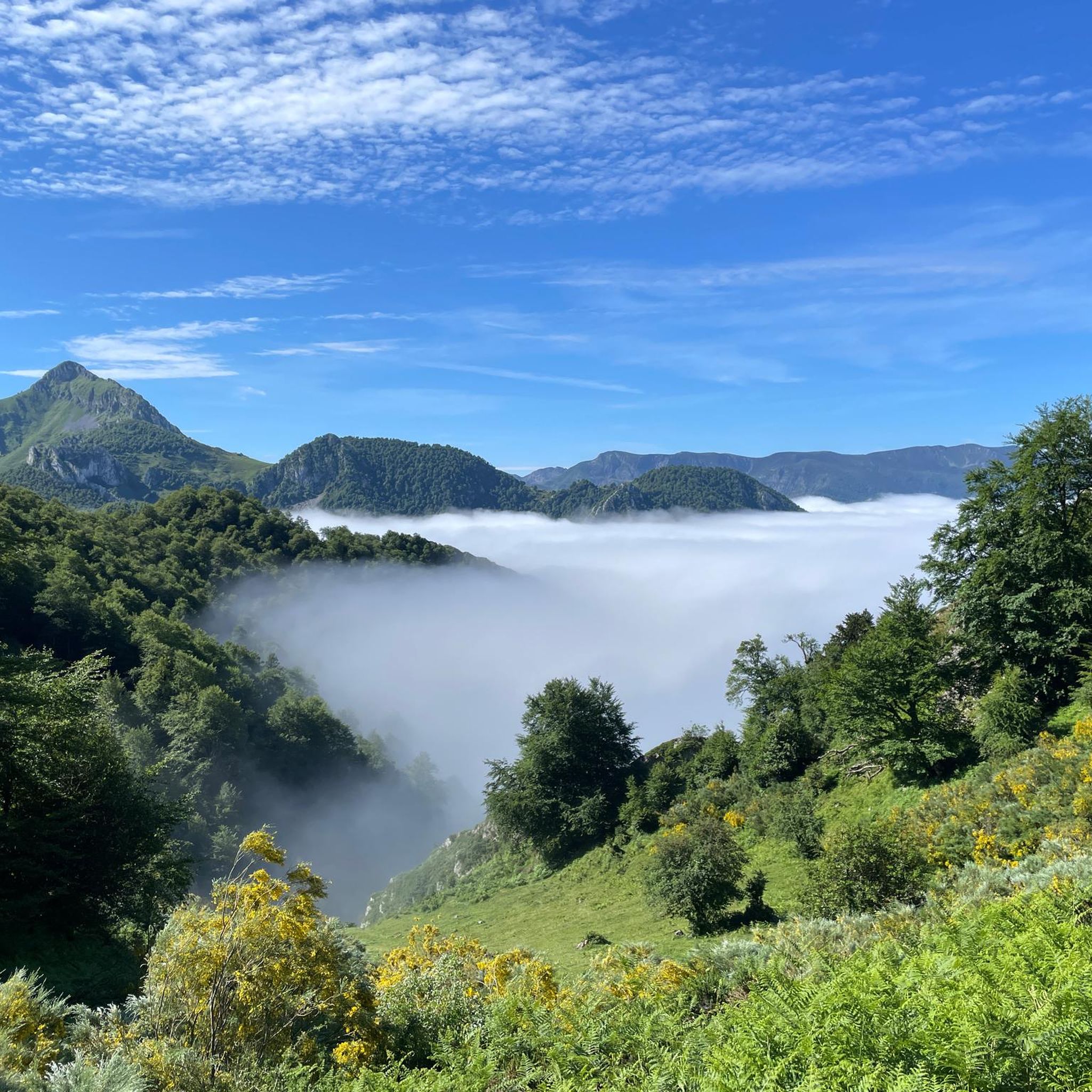
Impressive landscapes and track in perfect conditions.
0
0

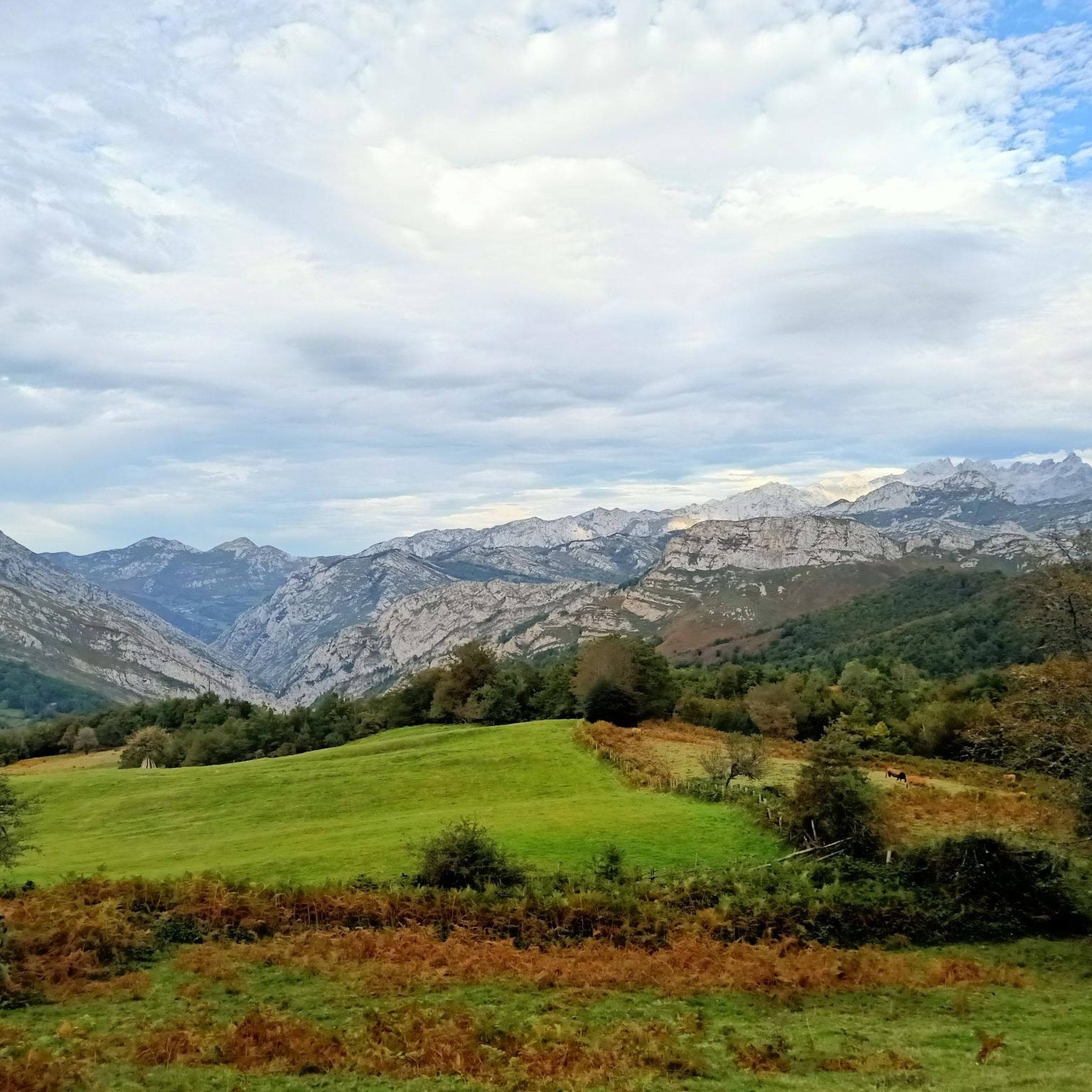
The Puerto de la Llorada route runs through this beautiful valley.
0
0

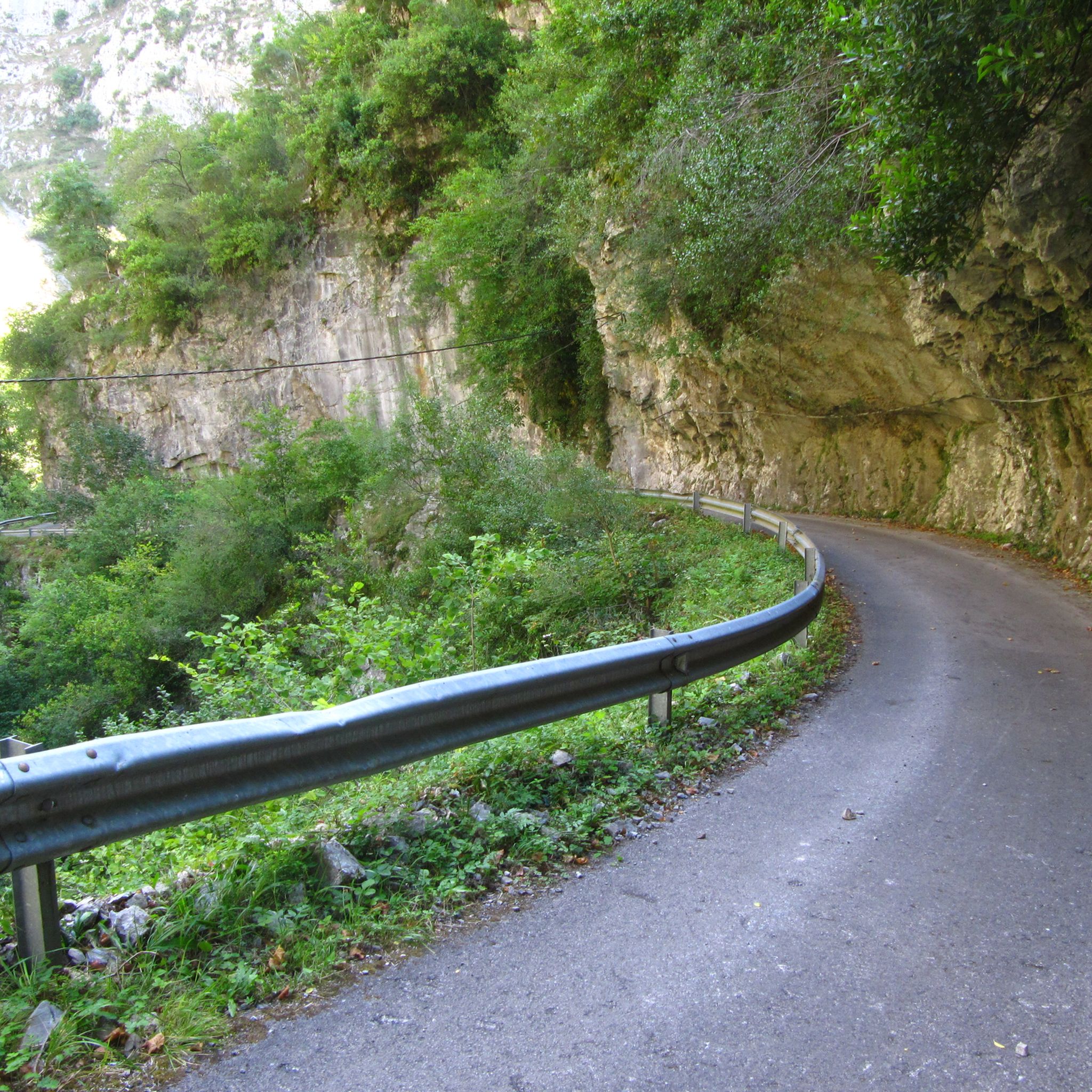
This path, along which the Pedales de León MTB route runs, is a beautiful stretch to travel by bike: good road surface and magnificent views.
0
0
Frequently Asked Questions
How many mountain bike trails are available in Ponga Natural Park?
There are over 20 mountain bike routes available in Ponga Natural Park, catering to various skill levels. You'll find 2 easy routes, 6 moderate routes, and 12 difficult routes, offering plenty of options for an adventurous ride.
What kind of terrain can I expect when mountain biking in Ponga Natural Park?
Ponga Natural Park is characterized by rugged mountains, deep river valleys, and spectacular gorges carved by rivers like the Sella and Ponga. The geological makeup is primarily limestone, leading to varied and challenging terrain. You'll also ride through dense forests, including well-preserved beech woods like the Bosque de Peloño.
What is the best time of year for mountain biking in Ponga Natural Park?
The best time for mountain biking in Ponga Natural Park is generally during the spring and autumn months when the weather is milder and the natural scenery is at its most vibrant. Summer can also be good, but be prepared for warmer temperatures. Winter can bring snow and ice, making many trails impassable or requiring specialized equipment.
Are there mountain bike routes suitable for beginners or families in Ponga Natural Park?
Yes, Ponga Natural Park offers routes for various skill levels. While many trails are challenging, there are 2 easy and 6 moderate routes that could be suitable for less experienced riders or families looking for a more relaxed ride. Always check the route difficulty and elevation profiles before heading out.
Are there any circular mountain bike routes in Ponga Natural Park?
Many of the mountain bike routes in Ponga Natural Park are designed as loops, allowing you to start and finish at the same point. For example, the Arcenorio Hermitage – Ascent to Guaranga Pass loop from Ponga is a challenging 48.8 km circular route, and the Oseja de Sajambre – Ribota de Sajambre loop from Puente Vidosa offers a 50 km loop through rugged landscapes.
What natural features or landmarks can I see while mountain biking in Ponga Natural Park?
The park is rich in natural beauty. You can encounter spectacular gorges like Los Beyos Gorge, rugged mountain passes such as Collada Llomena, and ancient trees like the Roblón de los Bustiellos. The diverse landscapes include dense beech forests and dramatic karst formations.
Are there any cultural attractions or villages to explore near the mountain bike trails?
Yes, Ponga Natural Park is home to traditional Asturian villages such as San Juan de Beleño, Sobrefoz, and Abiegos, which have preserved their unique architecture, including 'hórreos' (raised granaries). The Interpretation Center in San Juan de Beleño offers insights into the area's history and nature. You can also find historical buildings like the 12th-century Cazo Tower.
What do other mountain bikers appreciate about the trails in Ponga Natural Park?
The trails in Ponga Natural Park are highly rated by the komoot community, with an average score of 4.1 stars from over 20 reviews. Mountain bikers often praise the challenging and varied terrain, the immersive experience of riding through remarkably preserved natural environments, and the stunning views of rugged mountains and deep valleys.
Is parking available for mountain bikers in Ponga Natural Park?
While specific designated mountain bike parking areas are not extensively detailed, parking is generally available in or near the traditional villages like San Juan de Beleño, Ponga, or Viegu, which serve as common starting points for many routes. It's advisable to check local signage upon arrival.
Can I reach Ponga Natural Park by public transport for mountain biking?
Public transport options to and within Ponga Natural Park are limited due to its remote and mountainous nature. While some bus services might connect larger towns to the park's periphery, reaching specific trailheads often requires a private vehicle. Planning ahead for transport is recommended.
Are there any specific permits required for mountain biking in Ponga Natural Park?
Ponga Natural Park is a protected area and a UNESCO Biosphere Reserve. While general mountain biking on established trails typically doesn't require a specific permit, it's always good practice to respect park regulations, stay on marked paths, and be aware of any seasonal restrictions or specific rules for certain zones. No specific permit is mentioned in the provided data.
Are dogs allowed on the mountain bike trails in Ponga Natural Park?
As a natural park and Biosphere Reserve, Ponga Natural Park generally allows dogs, but they must be kept under control, preferably on a leash, to protect wildlife and ensure the safety of other visitors. Always clean up after your pet. Specific trail restrictions for dogs are not detailed, but adherence to general park rules is expected.
Are there any less crowded mountain bike trails in Ponga Natural Park?
Given the park's rugged and extensive terrain, many trails offer a sense of solitude, especially outside of peak season. While popular routes like the Ascent to Guaranga Pass – Arcenorio Hermitage loop from Viegu attract riders, exploring some of the less-trafficked moderate or difficult routes might offer a more secluded experience. The sheer number of routes (over 20) helps distribute visitors.
Most popular routes around National Park Ponga
Most popular attractions around National Park Ponga

Get inspired with the komoot mobile app


Explore more
Browse the best MTB trails in other regions.
