Attractions and Places To See around Puebla De Almenara - Top 20
Best attractions and places to see around Puebla De Almenara include historical sites and natural landscapes within the province of Cuenca. The town is situated in an impressive natural environment, particularly the Sierra Jarameña. This region offers a blend of ancient fortresses, Roman ruins, and scenic river gorges. Visitors can explore a variety of cultural and historical landmarks.
Best attractions and places to see around Puebla De Almenara
- The most popular attractions is Hoz del Cigüela, a gorge that…
Last updated: July 2, 2026
Segóbriga Archaeological Park
Highlight • Historical Site
Translated by Google •
Tip by

Hoz del Cigüela
Highlight • Gorge
Translated by Google •
Tip by

Sign up now to discover places like this
Get recommendations on the best single tracks, peaks, & plenty of other exciting outdoor places.
Sign up for free
Views of the Castle of Puebla de Almenara
Highlight • Viewpoint
Translated by Google •
Tip by
Villamayor de Santiago
Highlight • Settlement
Translated by Google •
Tip by

Monastery of Uclés and Castle
Highlight • Religious Site
Translated by Google •
Tip by
Sign up for free to discover even more attractions around Puebla De Almenara.
Sign up for free
Already have an account?
Start today with a free account
Your next adventure awaits.
Login or Signup
Popular around Puebla De Almenara
Tips from the Community

It is worth making a stop to contemplate this beautiful landscape formed by the Cigüela River.
0
0

The town of Villamayor de Santiago sits at a crossroads, resembling a central hub, connecting municipalities in La Mancha, Toledo, and Ciudad Real via local roads. It boasts an urban complex and historic buildings that reflect the town's former importance, as numerous Commanders of the Order of Santiago and nobles lived there during the 16th and 17th centuries.
0
0

You have to climb up to the antenna of the hermitage of the Virgin of Mercy, along the road on the side of the hermitage, it is a tough 400 meters but it is worth it.
0
0

The Segóbriga Archaeological Park is a fascinating historical site located in Saelices, in the province of Cuenca, Spain. This park allows visitors to explore the ruins of the ancient Roman city of Segóbriga, which was an important urban center in the region during the 2nd century BC and beyond. Among the most notable archaeological remains are an amphitheater, a theater, thermal baths, aqueducts, homes, and other public and private buildings that offer a detailed insight into daily life in Roman times. In addition, the park has an Interpretation Center that provides additional information and historical contexts to enrich the visit. 🌄🚶♀️😎 🐶 DOGFRIENDLY-SE ADMITENTE DOGS
23
0

It is a route that can be done perfectly on a mountain bike or on foot, as it does not entail any danger. In my case I found lush vegetation that sometimes hid the path, but otherwise it is highly recommended.
14
0
Uclés is a very beautiful city but the monastery located there is something extraordinarily spectacular that is definitely worth visiting. Nowadays you can visit a part of the monastery by paying an entrance fee, since not everything is included in the interior tour, and also it no longer offers the possibility of staying there, which is a shame because sleeping in its rooms would be quite an experience. unique in the world.
12
0
This point is wrong because the town of Uclés is a few kilometers further from here.
12
0
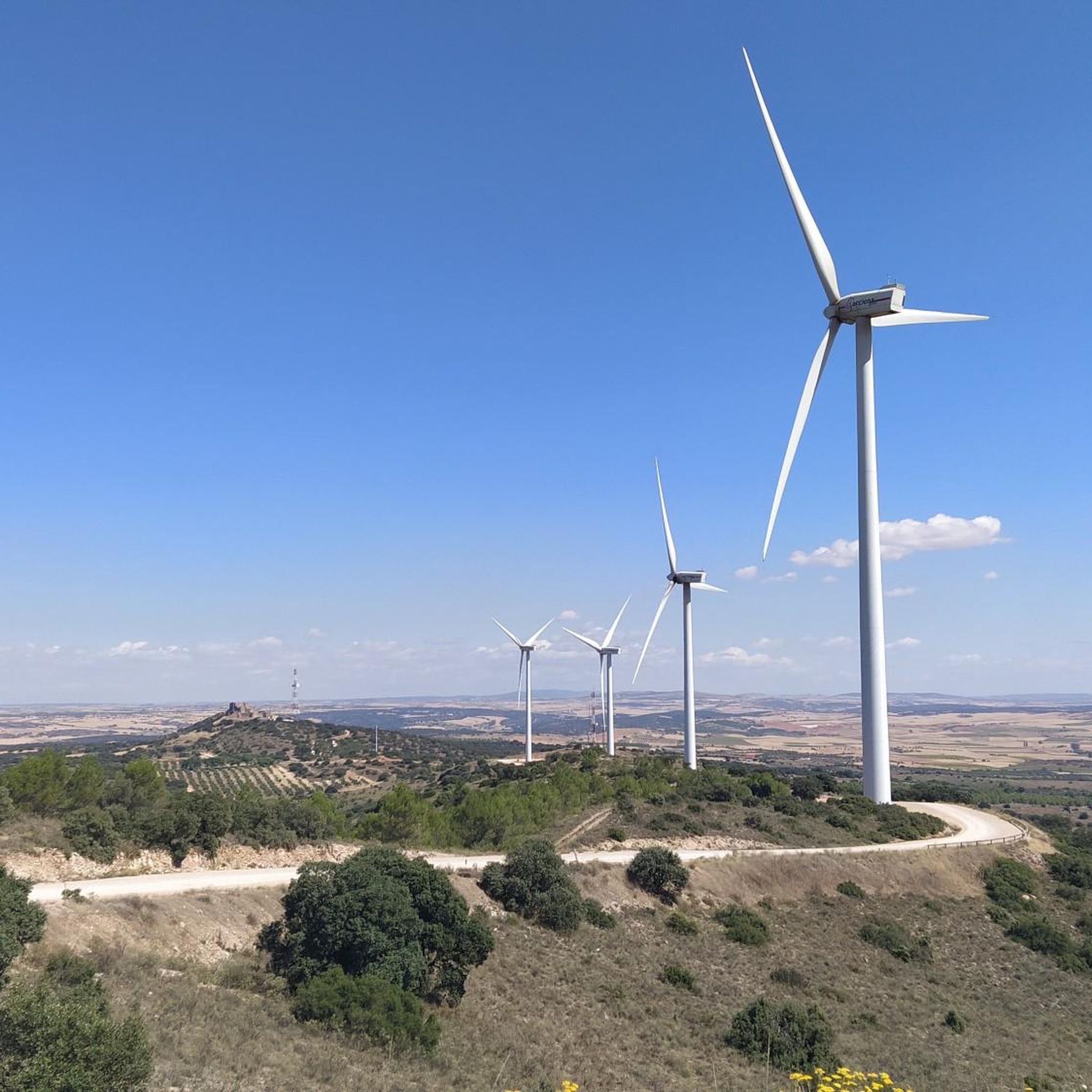
It is a fortification from the Middle Ages in ruins, and very close to the town that gives its name to the old castle: Puebla de Almenara, a town in the province of Cuenca that in 2023 has a census of 331 residents.
4
0
Frequently Asked Questions
What historical sites can I explore in and around Puebla de Almenara?
Puebla de Almenara is rich in history. You can visit the ancient Castillo de Almenara, a 12th-century fortress with significant reforms from the 14th century, offering expansive views. The town also features the 17th-century Casa Palacio del obispo Don Juan de Cuenca, the Hospital de San Juan Bautista founded in 1619, and the 16th-century Iglesia de la Asunción. Nearby, the Segóbriga Archaeological Park showcases the ruins of an ancient Roman city, including an amphitheater, theater, and thermal baths.
Can I visit the Almenara Castle, and what can I expect to see there?
Yes, the Castillo de Almenara is open for scheduled monthly visits. This ancient fortress, dating back to the 12th century, features three superimposing enclosures. You can explore its well-preserved outer wall with cylindrical towers, the keep, stables, a central patio, and halls, including a room with Renaissance friezes. The castle is currently undergoing study and partial consolidation. For specific visit details, you might check local heritage event listings, such as those found on European Heritage Days.
What natural features or landscapes can I discover near Puebla de Almenara?
The region is set within the impressive Sierra Jarameña. A notable natural attraction is Hoz del Cigüela, a beautiful gorge parallel to the Cigüela River with large walls on both sides. It's an excellent spot for mountain biking or walking, and also offers many climbing routes of varying difficulty.
Are there family-friendly attractions around Puebla de Almenara?
Yes, the Segóbriga Archaeological Park is considered family-friendly. It offers an engaging experience for all ages to explore the ruins of an ancient Roman city, including an amphitheater, theater, and thermal baths. The park also has an Interpretation Center to enrich the visit with historical context.
What outdoor activities, like hiking or cycling, are available near Puebla de Almenara?
The area around Puebla de Almenara offers various outdoor activities. For cycling, you can find routes like the 'Almenara Castle – Horcajo de Santiago loop' or the 'Laguna de El Hito – Villarejo de Fuentes loop'. Mountain biking enthusiasts can explore trails such as the 'Puebla de Almenara, Segóbriga, and Hoz del Cigüela MTB Loop'. For more details on these and other routes, you can check the cycling guide or the MTB trails guide for the region.
Are there any viewpoints to enjoy panoramic scenery?
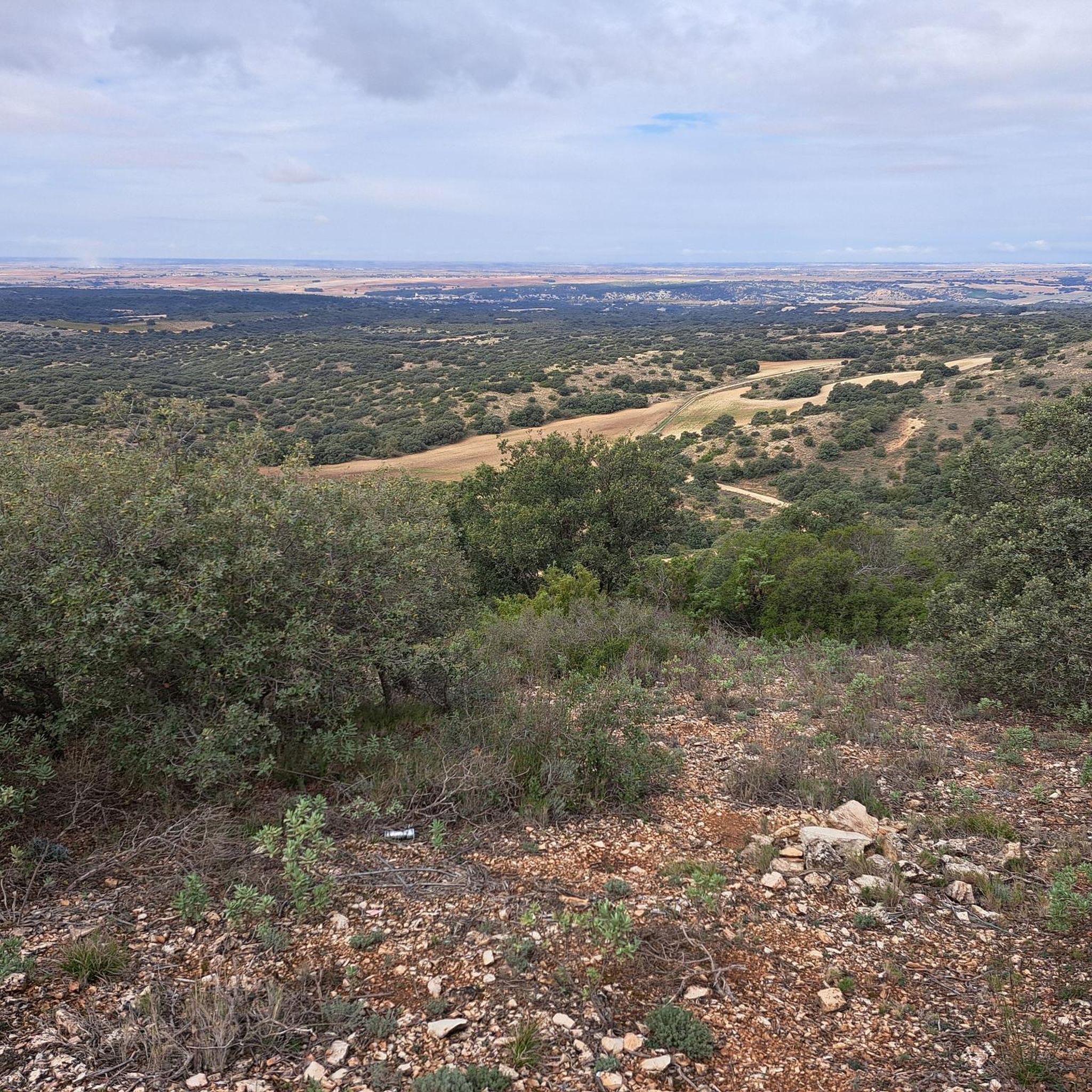
Yes, the Views of the Castle of Puebla de Almenara offers expansive views of the surrounding area, including the medieval fortification and the town. Although it involves a steep climb, the effort is well worth it for the perspective it provides.
What cultural events or festivities are celebrated in Puebla de Almenara?
Puebla de Almenara celebrates several traditional festivities. On September 7th and 8th, the town honors Nuestra Señora de la Misericordia, a tradition dating back to the 17th century. On September 9th, residents celebrate Santísimo Cristo de la Piedad. Additionally, for Pentecost, there is a procession where the Virgin is brought from the Ermita de la Misericordia to the Church, returning in procession on August 24th.
Is the Segóbriga Archaeological Park dog-friendly?
Yes, the Segóbriga Archaeological Park is dog-friendly, allowing visitors to explore the ancient Roman ruins with their canine companions. It's a great way to experience history with your pet.
What is the Monastery of Uclés and Castle, and can I visit it?
The Monastery of Uclés and Castle, often called 'El Escorial de La Mancha,' is a significant historical site located on a steep hill between Cuenca and Madrid. It belonged to the Order of Santiago and was built on an old 9th-century castle. You can visit parts of the monastery by paying an entrance fee. Three towers of the original castle remain: the Tribute, the Albarrana, and the Silver, along with parts of the wall.
What is the best time of year to visit Puebla de Almenara for outdoor activities?
Given the region's focus on historical sites and natural landscapes like the Sierra Jarameña and Hoz del Cigüela, spring and autumn generally offer the most pleasant weather for outdoor activities such as hiking, mountain biking, and exploring archaeological parks. Temperatures are milder, making it comfortable for extended periods outdoors.
Are there any less-known historical or cultural spots worth seeing in Puebla de Almenara?
Beyond the main castle, you can discover the 17th-century Casa Palacio del obispo Don Juan de Cuenca, which stands out among the traditional houses in the urban area. The 18th-century Ermita de la Misericordia is also notable for its beautiful Baroque altarpiece. These sites offer a glimpse into the local architectural and religious heritage.
Most popular routes around Puebla De Almenara
Most popular attractions around Puebla De Almenara

Get inspired with the komoot mobile app


Explore more
Still not found the Highlight you’re looking for? See guides of the top attractions in other regions:
