Attractions and Places To See around El Valle de Altomira - Top 20
Best attractions and places to see around El Valle de Altomira include a diverse landscape spanning parts of Cuenca and Guadalajara, Spain. The region features the Sierra de Altomira mountain range, offering elevations over 1,300 meters and views of the Alcarria region. Visitors can explore well-preserved Mediterranean forests, significant historical sites, and unique cultural landmarks. The area blends natural beauty with a rich heritage, providing various points of interest.
Best attractions and places to see around El Valle de Altomira
…Last updated: August 26, 2026
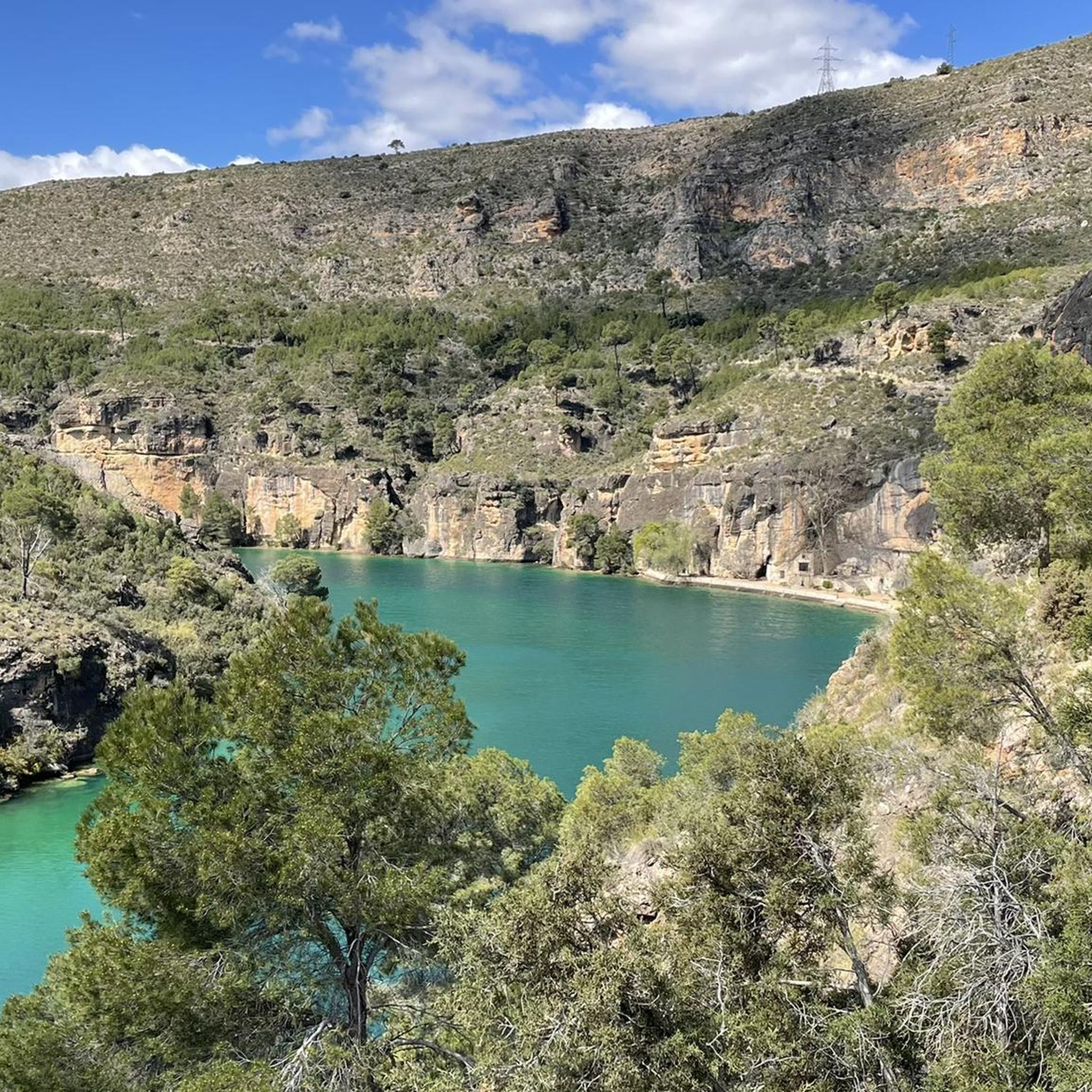
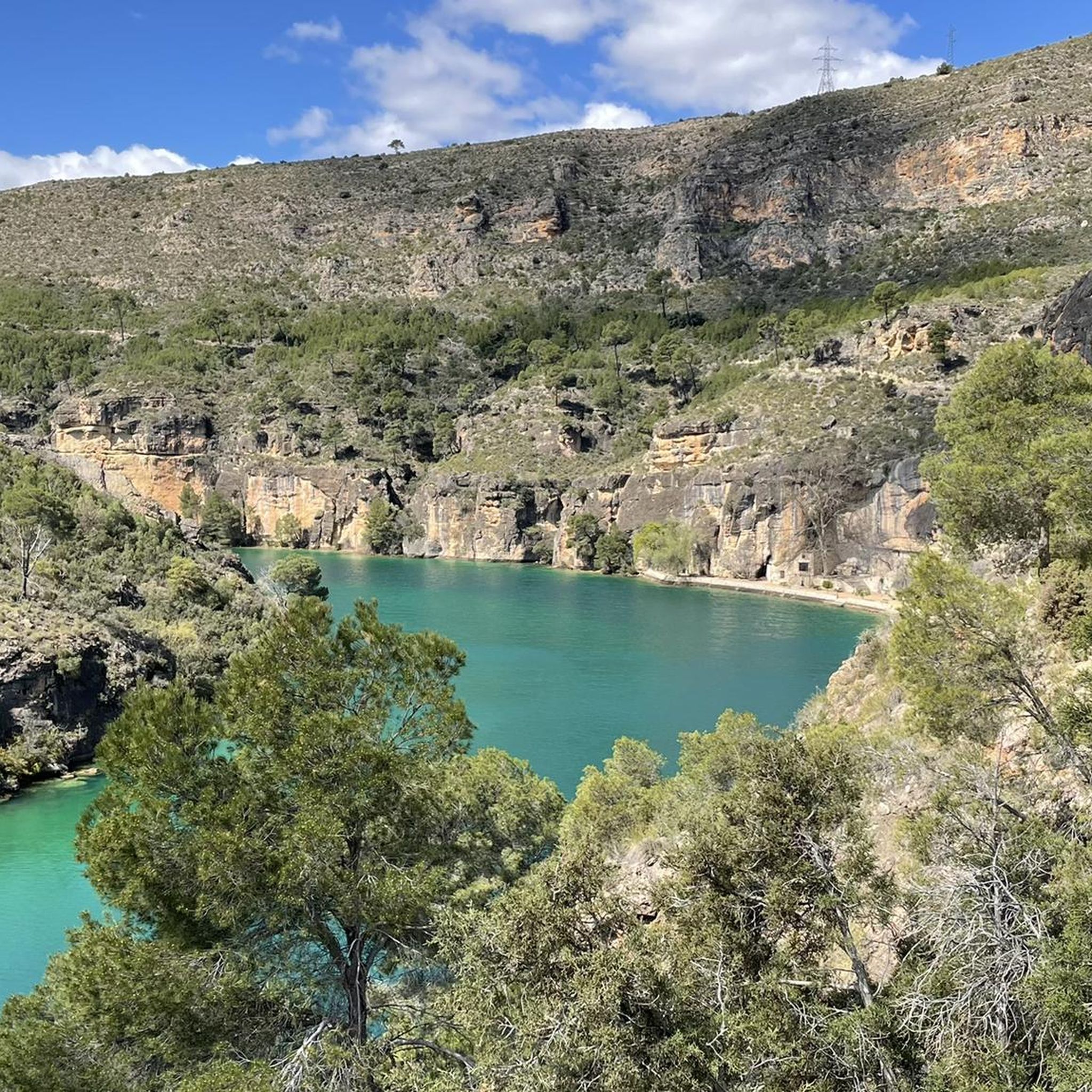
Buendía Dam
Highlight • Structure
Translated by Google •
Tip by

Route of the Faces
Highlight • Structure
Translated by Google •
Tip by
Sign up now to discover places like this
Get recommendations on the best single tracks, peaks, & plenty of other exciting outdoor places.
Sign up for free
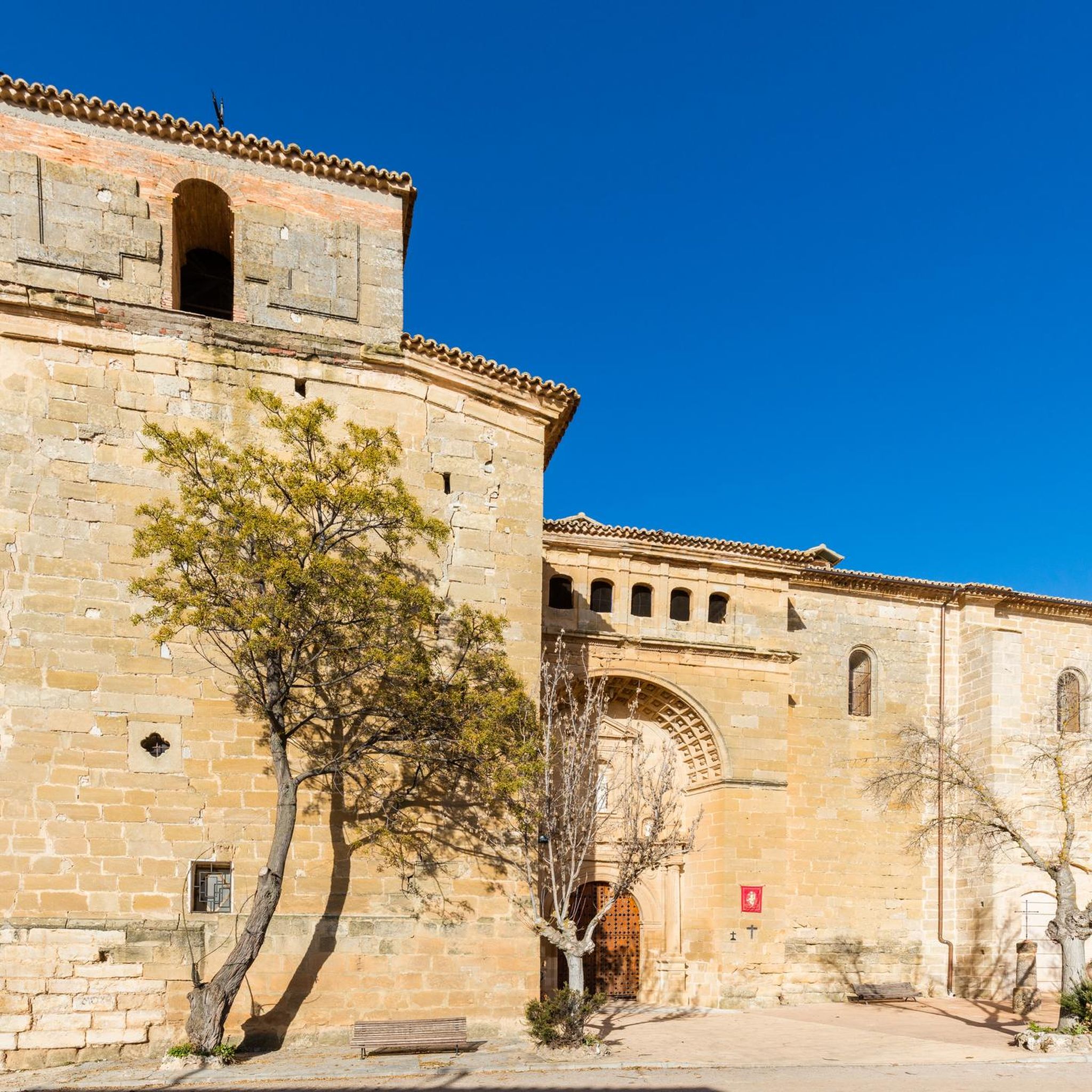
Hermitage of Our Lady of the Forsaken
Highlight • Religious Site
This place is also …
Translated by Google •
Tip by
Recópolis Archaeological Site
Highlight • Historical Site
Translated by Google •
Tip by

Bridge over the Guadiela River
Highlight • Bridge
Translated by Google •
Tip by
Sign up for free to discover even more attractions around El Valle de Altomira.
Sign up for free
Already have an account?
Start today with a free account
Your next adventure awaits.
Login or Signup
Tips from the Community

Free access tourist route located near the municipality of Buendía, Cuenca, among pine forests, sandstone stones abound. Here you will find the Ruta de las Caras, a hiking route of a couple of kilometers in which you will be accompanied by pine trees and allegorical sculptures. Faces sculpted in sandstone rock of different sizes, some spectacular, with dimensions of four and six meters, which took eight years to sculpt due to the hardness of the rock.
4
0

A very entertaining route admiring the extraordinary work of the artists.
1
0
This time we went down to the River through the Presa tunnel.
1
0
If you ever venture into this region, don't just cross the bridge, but also explore the natural beauty that surrounds the Guadiela River. 🌿🌊
16
0
Very practical to go from one side of the reservoir to the other.
5
0
The Embalse Dam and the entire area is very touristy, suitable for quiet hiking.
1
0
Place of pilgrimage and visits on the Guadiela path. There is a recreation area for adults and children.
2
0

Recópolis is an archaeological site located near Zorita de los Canes. Here are the ruins of an ancient Visigothic city.
3
2
Frequently Asked Questions
What natural features can I explore in El Valle de Altomira?
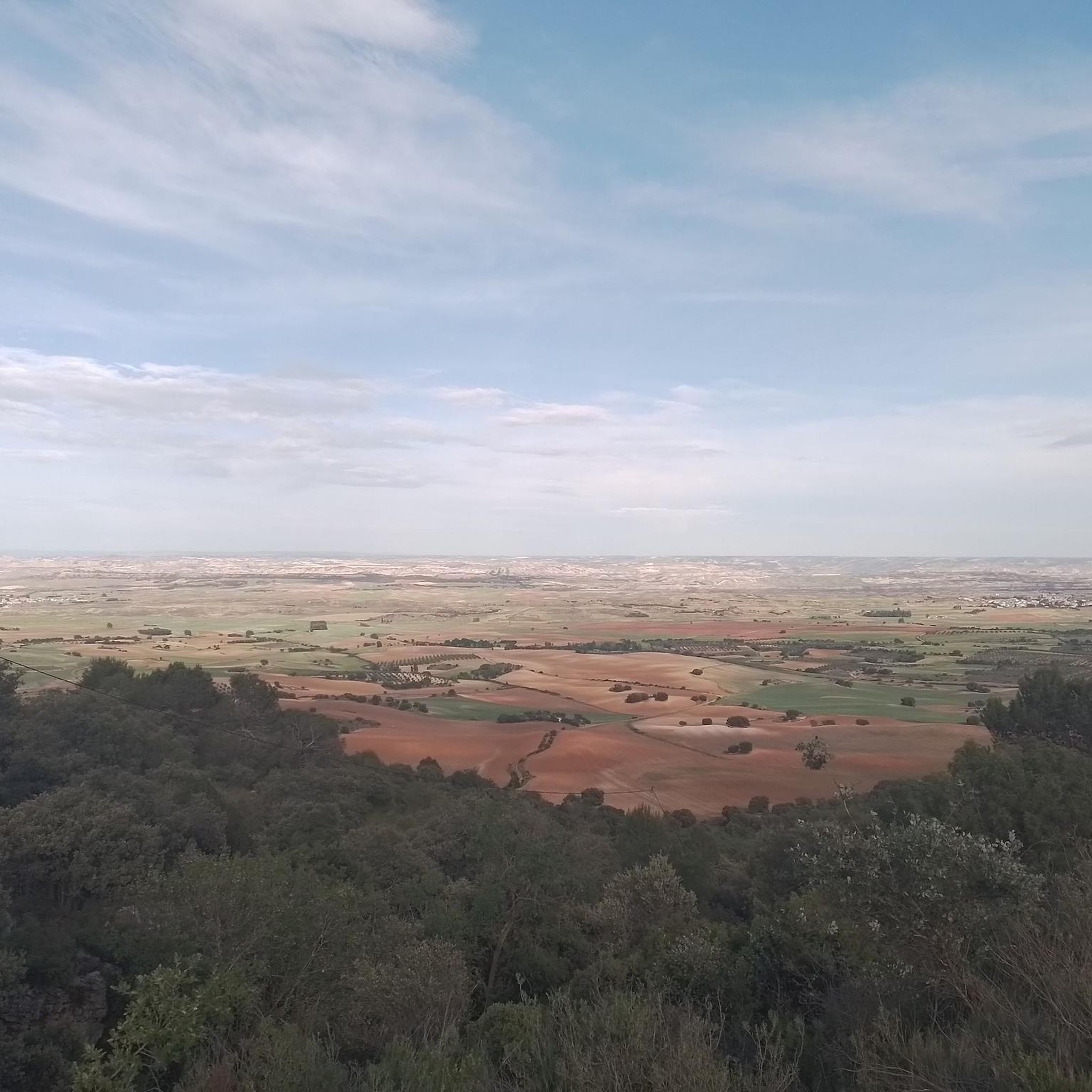
El Valle de Altomira is home to the Sierra de Altomira mountain range, offering elevations over 1,300 meters and spectacular 360-degree views. You can also visit the Buendía Dam, a significant water reservoir near the town of Buendía. During summer, the agricultural fields transform with blooming sunflower fields, creating a vibrant landscape.
Are there any significant historical or archaeological sites to visit?
Yes, the region boasts several historical sites. You can explore the Recópolis Archaeological Site near Zorita de los Canes, which holds the ruins of an ancient Visigothic city. Additionally, Zorita de los Canes Castle, an Arab-origin fortification from the 9th century, stands on a hill overlooking the Tagus River. The site of La Cava de Garcinarro is also considered one of the most spectacular Iberian archaeological sites in the peninsula.
What unique cultural attractions does El Valle de Altomira offer?
A truly unique cultural attraction is the Route of the Faces near Buendía. This hiking trail features allegorical sculptures carved into sandstone rocks within a pine forest, with some impressive faces reaching four to six meters in size. The region also has a tradition of winemaking, particularly in Mazarulleque.
Are there family-friendly activities available in El Valle de Altomira?
Many attractions in El Valle de Altomira are suitable for families. The Route of the Faces is a popular hiking trail that children often enjoy due to its unique sculptures. The area around the Hermitage of Our Lady of the Forsaken offers picnic areas and facilities, making it a great spot for a family outing. The Buendía Dam area also provides scenic views and opportunities for outdoor enjoyment.
What kind of hiking opportunities are there in El Valle de Altomira?
El Valle de Altomira offers diverse hiking opportunities. You can explore trails like the PR-CU 40 Camino de Altomira in the Sierra de Altomira, which winds through a well-preserved Mediterranean forest. The Route of the Faces is another popular hiking route. For more options, you can find various hiking routes in the region by visiting the Hiking around El Valle de Altomira guide.
Are there options for road cycling or mountain biking in the area?
Yes, El Valle de Altomira provides excellent terrain for both road cycling and mountain biking. You can find numerous routes that explore the scenic landscapes, including loops around the Buendía Dam and other reservoirs. For detailed routes, check out the Road Cycling Routes around El Valle de Altomira and MTB Trails around El Valle de Altomira guides.
What is the best time of year to visit El Valle de Altomira?
The region is beautiful year-round, but for specific experiences, consider visiting during summer months to witness the vibrant blooming sunflower fields. Spring and autumn offer pleasant temperatures for hiking and exploring the natural and historical sites. The Mediterranean forest in Sierra de Altomira is particularly enjoyable during these milder seasons.
Can I find places to picnic or relax outdoors?
Absolutely. The surroundings of the Hermitage of Our Lady of the Forsaken are well-equipped with picnic areas, a drinking water fountain, and benches, making it an ideal spot for relaxation. There is also a picnic area with tables and shade at the entrance to the Route of the Faces.
What are some of the villages worth visiting in El Valle de Altomira?
Several villages offer cultural and historical insights. Garcinarro, the largest village, features the 16th-century Church of Nuestra Señora del Sagrario. Jabalera has the Church of Santa María la Mayor with a Romanesque portico and a historical 'rollo de la vergüenza'. Mazarulleque is known for its traditional emblazoned houses, including the fortified farmhouse La Muela, and the 16th-century Church of San Martín.
Where can I see unique geological formations in the region?
While hiking the PR-CU 40 Camino de Altomira in the Sierra de Altomira, you can encounter a unique limestone geological formation known as Hoyo Redondo. Additionally, the Route of the Faces features sculptures carved into natural sandstone rocks, showcasing the region's geological character.
What is the significance of the Hermitage of Nuestra Señora de los Desamparados?
The Hermitage of Our Lady of the Forsaken, also known as 'El Sitio', is a significant religious building and pilgrimage site. Located about twelve kilometers from Buendía on the banks of the Guadiela River, it is believed to be the location where the Virgin appeared in the 16th century.
Are there any specific trails recommended for beginners or those looking for an easy walk?
While specific 'easy' trails are not detailed, the Route of the Faces is described as a couple of kilometers long, making it a manageable option for many. The areas around the Hermitage of Our Lady of the Forsaken and Buendía Dam also offer pleasant, less strenuous walking opportunities.
What is the history behind Zorita de los Canes Castle?
The Zorita de los Canes Castle is a fortification of Arab origin, built in the 9th century. It stands on a hill overlooking the Tagus River. Its current Gothic shape was arranged by the masters of the Order of Calatrava, and it contains interesting remains from various periods of occupation, including a crypt with a Visigothic Corinthian capital.
Most popular attractions around El Valle de Altomira

Get inspired with the komoot mobile app


Explore more
Still not found the Highlight you’re looking for? See guides of the top attractions in other regions:
