Attractions and Places To See around Torralbilla - Top 18
Attractions and places to see around Torralbilla include historical landmarks, cultural sites, and natural features within the Comarca de Daroca. Situated at an elevation of 882 meters, the village offers a tranquil setting with various points of interest. Visitors can explore Baroque churches, traditional wayside shrines, and historical lime kilns. The surrounding area features mountains like La Dehesa and Valdeyermo, and the Pinar de Las Hoyas pine forest, suitable for outdoor activities.
Best attractions and places to see around Torralbilla
…Last updated: June 23, 2026
Daroca
Highlight • Settlement
Translated by Google •
Tip by

Puerta Baja de Daroca
Highlight • Monument
Translated by Google •
Tip by

Sign up now to discover places like this
Get recommendations on the best single tracks, peaks, & plenty of other exciting outdoor places.
Sign up for free
Walls and Main Castle of Daroca
Highlight • Castle
Translated by Google •
Tip by

Hermitage of the Virgin of the Eagle
Highlight • Religious Site
Translated by Google •
Tip by
Ridge of the Sierra de Algairén
Highlight (Segment) • Trail
Translated by Google •
Tip by

Sign up for free to discover even more attractions around Torralbilla.
Sign up for free
Already have an account?
Start today with a free account
Your next adventure awaits.
Login or Signup

Tips from the Community

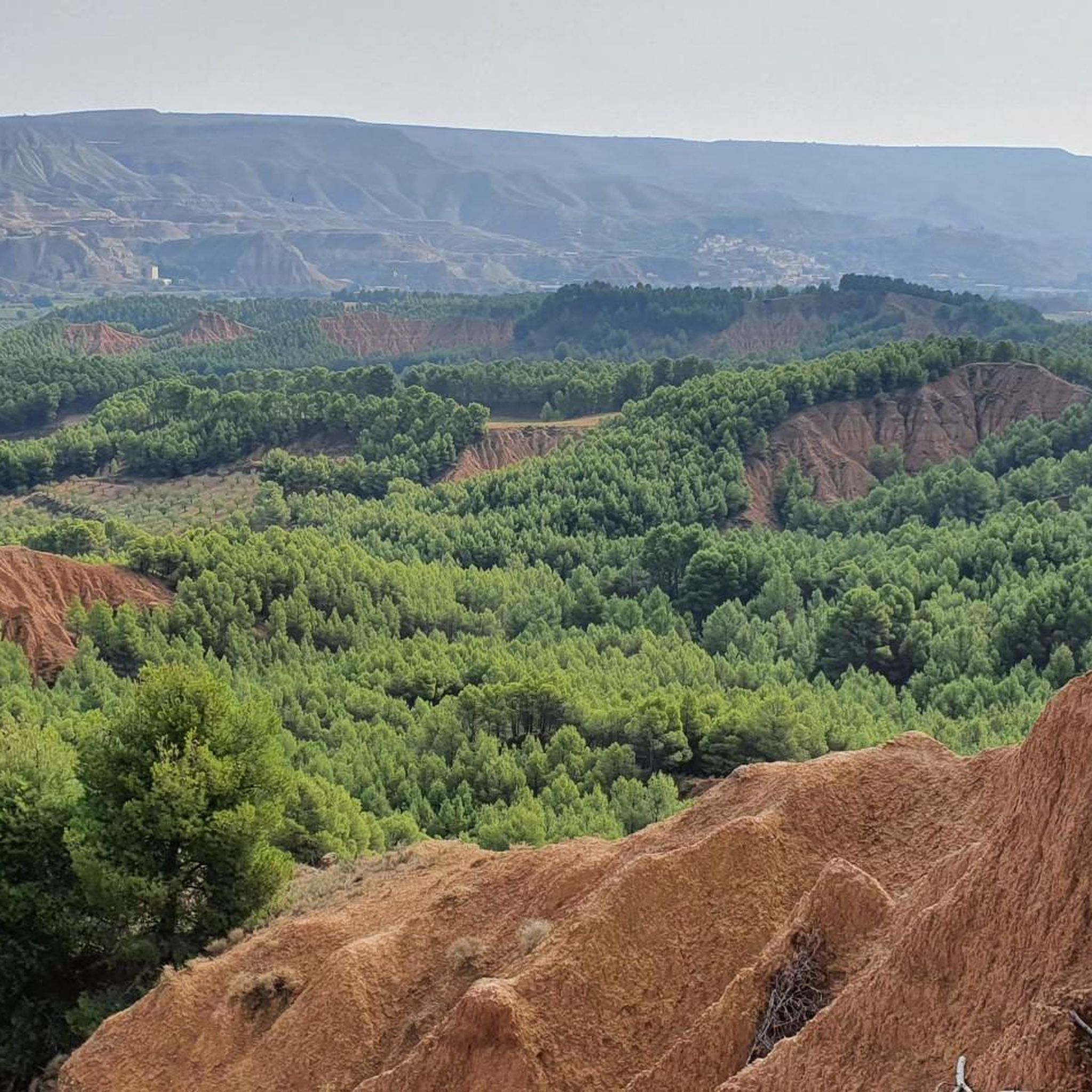
Watched over by the remains of its ancient castle, Daroca emerges, one of the most beautiful cities in Aragon. Without a doubt, one of the charms of the town is to walk along its walls, with their imposing towers, until you reach the castle, from which you can enjoy a beautiful panoramic view.
0
0

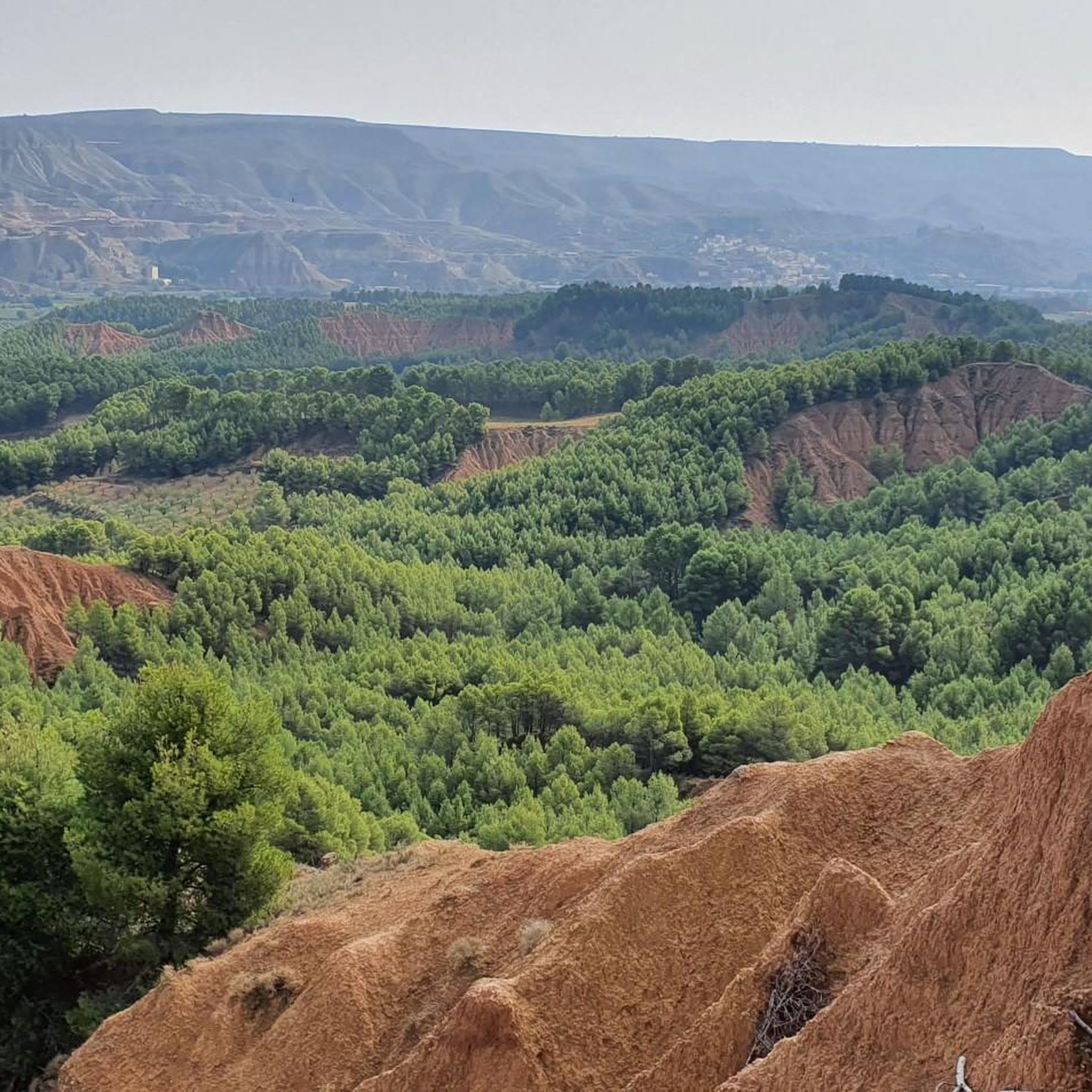
The Lower Gate is the most emblematic entrance to Daroca and one of the most impressive defensive monuments in Aragon. Its two robust towers flank a large arch that, in addition to serving as a passageway, also facilitated the drainage of water during periods of heavy rain. Built between the 13th and 16th centuries, it reflects the military and architectural evolution of the city, with Gothic and Renaissance elements such as the gallery of arches and the imperial coat of arms of Charles V. Today, restored, it houses the Center for Daroca Studies and is a must-see for those exploring the city's walls and historic streets.
2
0

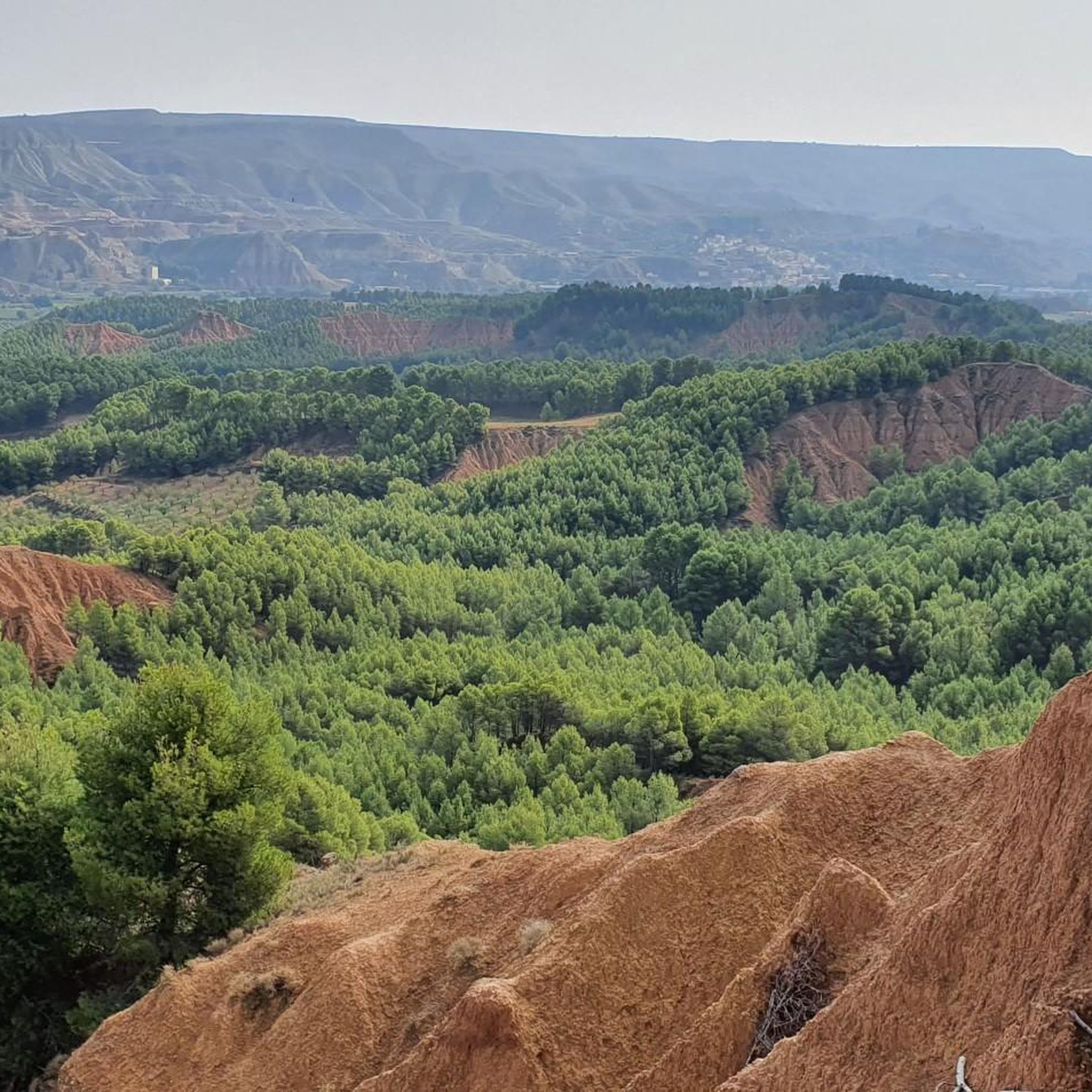
The Hermitage of the Virgin of the Eagle in Cerveruela, Zaragoza, is a small sanctuary located in a picturesque natural setting, ideal for activities such as hiking and road cycling. It is located in the Campo de Daroca region, within the Zaragoza Iberian System Natural Park, which gives it remarkable scenic and ecological value.
2
0

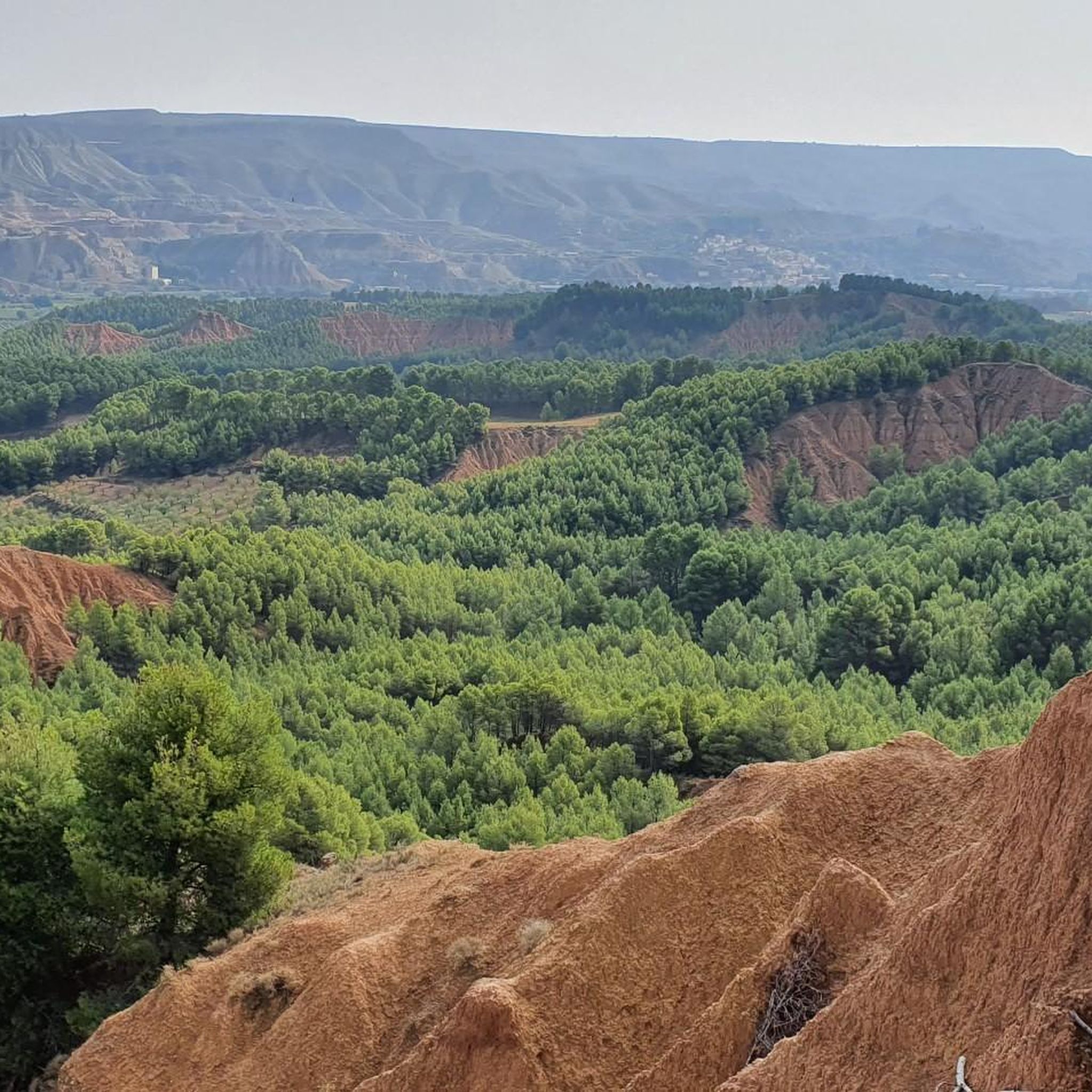
A forest trail in good condition, although with rockier sections, runs along the upper reaches of the Aljairén mountain range. It's steep and winding, with some uphill sections being truly challenging and demanding.
0
0

This Castle corresponds to the Major Castle of Daroca, of Muslim origin and built in the 11th Century.
0
0

The rich history of Daroca, from a Celtiberian town to a Roman city, and later from an Arab enclave to an important town in the kingdom of Aragon, is manifested in the variety of monuments and historical vestiges that it preserves in its urban center. Churches, fountains, mines, and, especially, the wall and the Mayor castle, transport you to the fascinating past of this Aragonese town.
0
0

The route runs along the dividing crest of the Sierra de Algairén, with extraordinary views of both slopes, on the northeast slope you can see the valley of the Alpartir river and on the southwest the valley of the Grío river, to reach this section it requires a lot of physicality or, failing that, an ebike with enough autonomy, although it is a forest track, during the course of the section we will find some slope that will require some technique to overcome it, or failing that we will be forced to get off the bike if we do not we want to have a fall. As an option we can take a detour to the Falaguera forest hut, where the 360 degree view will brighten our day; from the antennas of Valdemadera there is also a good viewpoint
0
0

Surprising Daroca and its buildings and history, worth a visit
1
2
Frequently Asked Questions
What historical landmarks can I explore in Torralbilla?
Torralbilla offers several historical landmarks. The most prominent is the Church of San Lorenzo, a 17th-century Baroque church featuring Mudejar plasterwork and impressive altarpieces. You can also visit the well-preserved Old Wash House next to the church, and the ruins of the 16th-century Ermita del Salvador on the village outskirts. Additionally, several traditional Aragonese wayside shrines, known as peirones, are scattered around the area, including those dedicated to San Ramón Nonato and San Roque.
Are there any natural areas suitable for outdoor activities near Torralbilla?
Yes, Torralbilla is surrounded by natural beauty ideal for outdoor activities. You can explore the enchanting landscapes of Mounts La Dehesa and Valdeyermo. The Pinar de Las Hoyas pine forest is a popular spot for enjoying good weather and various outdoor pursuits. The Ridge of the Sierra de Algairén also offers challenging trails and extraordinary views.
What kind of hiking trails are available around Torralbilla?
The region around Torralbilla offers a variety of hiking trails. The GR-90 long-distance path traverses the village, connecting to an extensive network of shorter trails. For specific routes, you can find options like the "Aunt's Trail – Picnic Area with Wooden Cabin loop" or the "Daroca – Puerta Baja de Daroca loop from Daroca," which is an easy 2.8 km walk. More moderate options include the "La Regüelta el Trago – Hermitage of the Virgin of the Eagle loop." You can find more details and routes on the Hiking around Torralbilla guide.
Are there family-friendly attractions or activities in Torralbilla?
While Torralbilla itself is a tranquil village, nearby Daroca offers family-friendly historical sites. The entire settlement of Daroca, with its ancient walls and alleys, is considered family-friendly. Specifically, the Puerta Baja de Daroca, an emblematic entrance with robust towers, is also suitable for families to explore. The natural areas like the Pinar de Las Hoyas are also great for family walks and picnics.
Where can I find the best views around Torralbilla?
For magnificent panoramic views, head to the Hermitage of the Virgin of the Eagle, located at the top of Pico del Águila. From here, you can enjoy stunning vistas of the Sierra de Algairén and even Moncayo on clear days. The Walls and Main Castle of Daroca also provide impressive panoramic views of the historic city.
What is the Church of San Lorenzo in Torralbilla known for?
The Church of San Lorenzo is Torralbilla's most prominent building, dating from the 17th century. It is particularly known for its beautiful Mudejar plasterwork and houses impressive altarpieces from different periods, including a Gothic altarpiece attributed to Juan de Bonilla and a 15th-century altarpiece dedicated to San Blas. Its octagonal tower is also a distinctive architectural feature.
Can I learn about the local industrial heritage in Torralbilla?
Yes, Torralbilla offers a glimpse into its industrial past through its historical Lime Kilns (Hornos de Cal / Caleras). These kilns played a significant role in the local economy until the mid-20th century, and some are still visitable, representing a unique aspect of the region's heritage.
What do visitors enjoy most about the attractions near Torralbilla?
Visitors particularly appreciate the rich history and scenic beauty. Many enjoy exploring the ancient walls and alleys of Daroca, feeling transported to another era. The impressive defensive monuments like the Puerta Baja de Daroca are also highly regarded. The tranquil natural settings, such as the area around the Hermitage of the Virgin of the Eagle, are cherished for their magnificent views and opportunities for outdoor activities.
Are there opportunities for mountain biking (MTB) near Torralbilla?
Yes, there are several mountain biking opportunities. You can find routes like the "Virgen del Aguila Sanctuary Loop from Paniza" (moderate, 20.8 km) or the more challenging "Algairén Southern Ridge Ruins – Hermitage of the Virgin of the Eagle loop from Paniza" (difficult, 51.7 km). The Ridge of the Sierra de Algairén also offers a forest track with some technical sections for experienced riders. More MTB trails are detailed in the MTB Trails around Torralbilla guide.
What is the best time of year to visit Torralbilla for outdoor activities?
The region's climate suggests that spring and autumn are ideal for outdoor activities in Torralbilla. During these seasons, the weather is generally mild and pleasant, making it comfortable for hiking, cycling, and exploring the natural landscapes like the Pinar de Las Hoyas and the mountains without the extreme heat of summer or the chill of winter.
Are there any long-distance paths that pass through Torralbilla?
Yes, the GR-90 long-distance path traverses Torralbilla. This path connects the village to a wider network of trails, allowing visitors to immerse themselves in the natural environment of the Comarca de Daroca and beyond.
What is the significance of Daroca in the region?
Daroca is a historic border city with a rich past, known for its ancient walls, a castle offering panoramic views, and numerous alleys reflecting its Islamic and Aragonese heritage. It served as a crucial point between regions and kingdoms, shaping its unique history and architecture. The city's former Islamic past is evident in its culinary and architectural relics from the Mudéjar period.

Get inspired with the komoot mobile app


Explore more
Still not found the Highlight you’re looking for? See guides of the top attractions in other regions:
