The best road cycling routes around Ricla
5.0
(4)
377
riders
14
rides
Road cycling routes around Ricla traverse the varied terrain of the Aragon region, characterized by rolling hills and rural landscapes. The area features a network of roads that connect small villages and offer significant elevation changes, with many routes including climbs over 1,000 meters. These cycling routes provide opportunities to explore the agricultural lands and historical points of interest within the Ricla region. The terrain is generally suited for road bikes, with routes often passing through open countryside.
Best road…
Last updated: July 11, 2026
35
riders
72km
03:31
1,000m
1,000m
Hard road ride. Very good fitness required. Some segments of this route may be unpaved and difficult to ride.
5.0
(1)
26
riders
81.1km
03:50
1,020m
1,020m
Hard road ride. Very good fitness required. Some segments of this route may be unpaved and difficult to ride.

Sign up for free
21
riders
125km
05:45
1,400m
1,400m
Hard road ride. Very good fitness required. Some segments of this route may be unpaved and difficult to ride.
18
riders
79.1km
03:07
290m
290m
Moderate road ride. Good fitness required. Mostly well-paved surfaces and easy to ride.
14
riders
42.1km
02:00
280m
280m
Moderate road ride. Good fitness required. Mostly well-paved surfaces and easy to ride.
Get access to more routes and recommendations from other explorers.
Sign up for free
Already have an account?
Our route recommendations are based on thousands of hikes, rides, and runs completed by other people on komoot.
Start today with a free account
Your next adventure awaits.
Login or Signup

Tips from the Community

Since December 14, 2001, the Mudejar tower of Longares has been a UNESCO World Heritage Site. Declared a Historic-Artistic Monument in 1967, it was built on the site of a 12th-century Romanesque building. It is one of the most beautiful towers constructed in Aragon in the 16th century and also one of the few to have received artistic study and recognition. Facing east, the exterior features a square Mudejar tower that could date back to around 1390. It consists of three sections with six levels. The lower section, like the second, is unadorned, but with the difference that it housed the clock, whose machinery is kept in the Chapel of San Pedro. The upper section is framed with four octagonal arches combined with cartouches and porcelain and glass inlays. To the right and left of the tower are the only two entrance doors: one simple with a semicircular arch, and sheltered by a small atrium with a Baroque doorway at the rear, the other larger. The latter has a grille installed in the 18th century to prevent animals and other livestock from entering. The façade features Aragonese arcades. The church is elegant and very similar to the Lonja de Zaragoza and the Cathedral of La Seo. It belongs to the "Hallenckirchen" typology, which is the same as saying a hall-style church. It is built on ringed columns and decorated with a Renaissance theme. The columns supporting the arches are made of stone, with elongated shafts and Ionic capitals. The vaults are adorned with ribbed vaulting and studded with rosettes at the crosses, the altar ones being gilded. The church's construction was completed in three phases: first the central nave, and then the Epistle and Gospel aisles. The church always welcomed Christians and was never used for Muslim rites or masses.
0
0

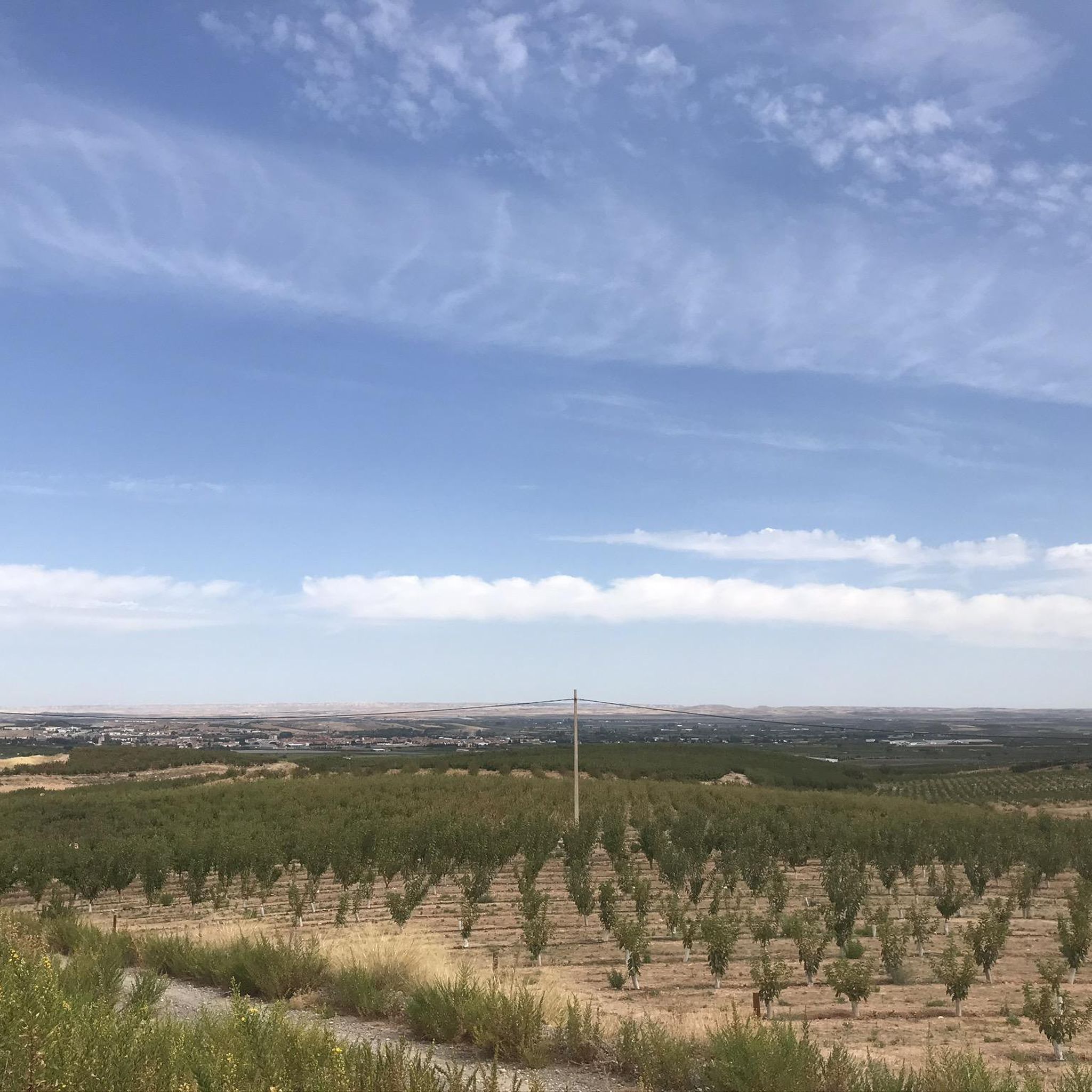
The town of Codos is located on the banks of the Grío River, nestled in a primarily agricultural landscape where cherry and peach orchards predominate. In the center of town there is a bar.
1
0
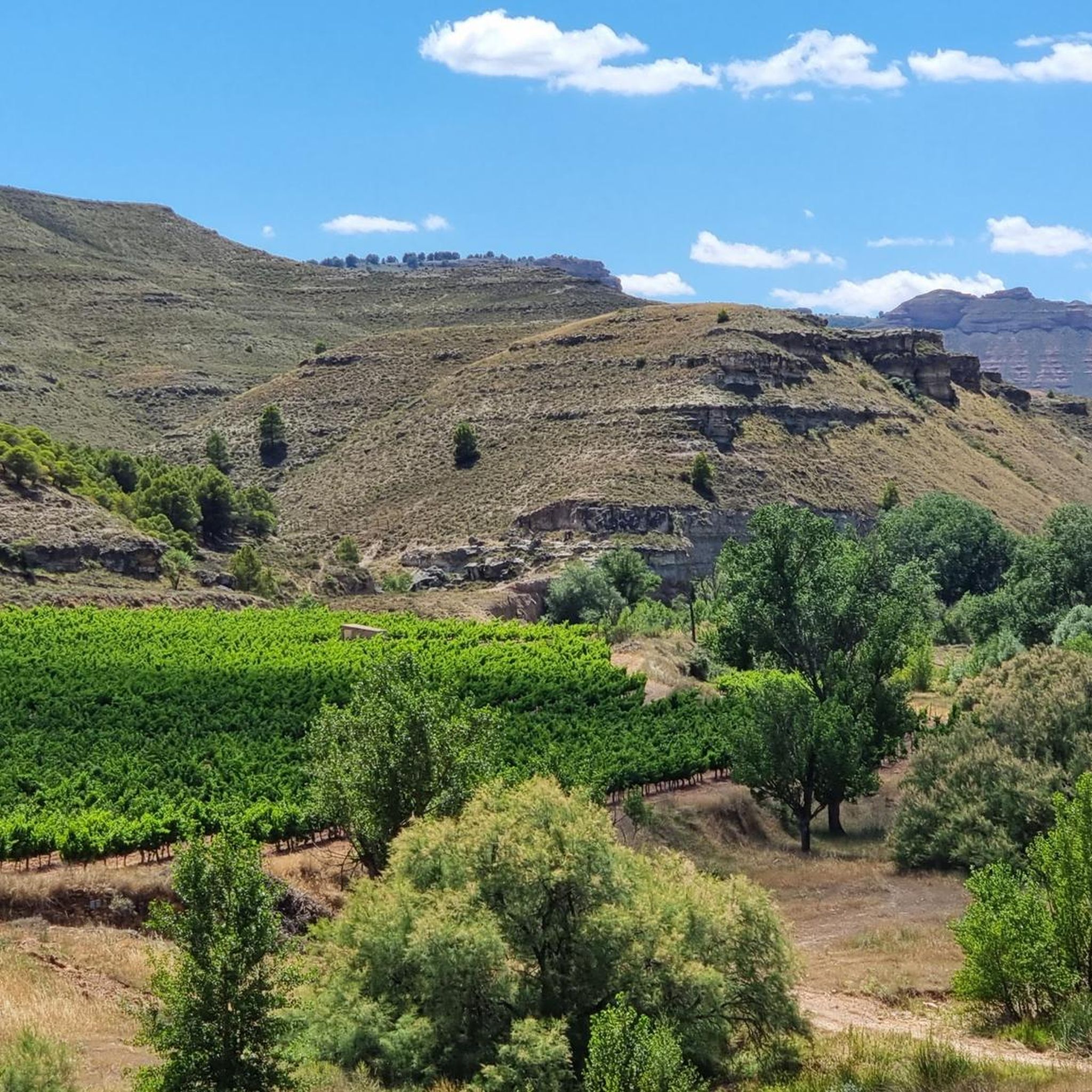
The town of Santa Cruz de Grío is located between the Vicort mountain range and the Grío river valley. Surrounded by forest masses and fields of almond, cherry and olive trees, Santa Cruz de Grío offers a quiet rural image. In season, the town's municipal swimming pool becomes the ideal place to cool off and have a bite to eat.
1
0
Tobed is a small town located in the Aragonese region of the Community of Catalayud. At the top of one of the hills that surround the town, there are the remains of a medieval fortress. In the urban area, the church of Santa María stands out, in the Gothic-Mudejar style.
1
0

The beautiful town of Épila has a lot to teach you with how small it is. Apart from natural and scenic attractions worth visiting, we must also highlight the Condes de Aranda Palace (from the 16th century), the Marquises of Saudi or the Condes de Montenegrón building. If we also like to visit religious heritage, the town of the Valdejalón region has the Church of Santa María la Mayor or the hermitage of Santa María Magdalena
1
0
In Alfamén we will find a route of mural paintings that brighten up the facades of the houses and make it a most picturesque town.
0
0
The beautiful town of Épila has a lot to teach you with how small it is. Apart from natural and scenic attractions worth visiting, we must also highlight the Condes de Aranda Palace (from the 16th century), the Marquises of Saudi or the Condes de Montenegrón building. If we also like to visit religious heritage, the town of the Valdejalón region has the Church of Santa María la Mayor or the hermitage of Santa María Magdalena
1
0
As we pass through the beautiful town of Lumpiaque belonging to the Valdejalón region, we can visit the parish church of San Francisco de Asís, built in the 16th century with a beautiful Mudejar bell tower, currently listed as a World Heritage Site; or also the Hermitage of Santa Bárbara, dating from the 17th century.
1
0
Frequently Asked Questions
How many road cycling routes are available around Ricla?
There are over 15 road cycling routes available around Ricla on komoot, offering a variety of experiences for different skill levels. These routes traverse the varied terrain of the Aragon region.
What kind of terrain can I expect on road cycling routes near Ricla?
Road cycling routes near Ricla are characterized by rolling hills and rural landscapes. You can expect a network of roads connecting small villages, often featuring significant elevation changes and challenging climbs, with many routes including ascents over 1,000 meters. The terrain is generally suited for road bikes, passing through open countryside.
Are there challenging climbs on Ricla's road cycling routes?
Yes, Ricla's road cycling routes are known for challenging climbs. Many routes feature over 1,000 meters of elevation gain, providing a good test for experienced cyclists. For example, the Alto de Codos – ⭐️ Church of San Pedro loop from Ricla-La Almunia includes over 1,000 meters of ascent.
Are the road cycling routes around Ricla typically circular?
Yes, many of the road cycling routes around Ricla are designed as loops, allowing you to start and finish in the same location. This includes popular routes like the Santa Cruz de Grío – Pietas Fountain and Picnic Area loop from Calatorao and the Alto de Codos – Murals of Alfamén loop from Ricla-La Almunia.
What are some notable landmarks or attractions I can see while road cycling near Ricla?
While road cycling near Ricla, you can encounter several interesting points. Routes may pass by historical sites such as the Plaza de la Iglesia of Almonacid de la Sierra or the Plaza de España and Church of Santa Ana, Morata de Jalón. You might also cross the Capurnos Bridge or pass near the Sanctuary of Rodanas.
Are there any easy or beginner-friendly road cycling routes in the Ricla area?
Yes, while many routes feature significant climbs, Ricla's network of roads does offer options for various ability levels, including some easier routes. These routes typically have less elevation gain and cover shorter distances, making them suitable for beginners or those seeking a more relaxed ride.
What is the best time of year for road cycling in Ricla?
The best time of year for road cycling in Ricla, and the broader Aragon region, is generally during spring (April to June) and autumn (September to October). During these months, the weather is typically milder and more pleasant for cycling, avoiding the intense heat of summer and the colder temperatures of winter.
Is Ricla a good destination for family-friendly road cycling?
While the broader Aragon region offers varied terrain, including some family-friendly paths, specific road cycling routes directly around Ricla often involve significant elevation changes and longer distances, which might be challenging for younger children or less experienced family members. It's best to check individual route profiles for difficulty before planning a family outing.
What do other road cyclists enjoy the most about road cycling in Ricla?
The road cycling routes in Ricla are highly rated by the komoot community, with an average score of 5.0 stars. Cyclists often praise the challenging climbs, the quiet rural roads, and the opportunities to connect between small villages, offering a true exploration of the Aragon region's varied terrain.
Are there specific parking facilities for cyclists in Ricla?
Specific dedicated parking facilities for cyclists in Ricla are not widely highlighted. However, as a small town, general parking options are usually available in the town center or near the start points of popular routes. It's advisable to check local signage for parking regulations.
Can I use public transport with my bike to access routes around Ricla?
Information regarding specific public transport options in Ricla that accommodate bicycles is limited. While some regional bus or train services in Aragon may allow bikes, it's recommended to verify directly with the transport provider for their current policies and any restrictions before planning your journey.
Are there any permits required for road cycling in the Ricla area?
Generally, no specific permits are required for road cycling on public roads in the Ricla area or the Aragon region. However, if a route passes through private land or protected natural areas, it's always wise to be aware of any local regulations or signage.
Most popular routes around Ricla
Most popular attractions around Ricla

Get inspired with the komoot mobile app


Explore more
Browse the best Road cycling routes in other regions.
