Attractions and Places To See around Fernán-Núñez - Top 13
Best attractions and places to see around Fernán-Núñez, a town in the province of Córdoba, Spain, offers a rich tapestry of historical landmarks and cultural sites. The region is characterized by an agricultural landscape of extensive cereal fields and olive groves. Numerous natural springs and fountains are also present throughout the municipality. This area provides a blend of historical exploration and natural scenery.
Best attractions and places to see around Fernán-Núñez
- The most popular attractions is Ducal Palace of Fernán…
Last updated: October 16, 2026
Ducal Palace of Fernán Núñez
Highlight • Historical Site
Translated by Google •
Tip by

Church of Our Lady of the Rosary
Highlight • Religious Site
Translated by Google •
Tip by

Sign up now to discover places like this
Get recommendations on the best single tracks, peaks, & plenty of other exciting outdoor places.
San Sebastián de los Ballesteros
Highlight • Settlement
Translated by Google •
Tip by
Olive oil refineries
Highlight • Structure
Translated by Google •
Tip by

Olive fields
Highlight • Structure
Translated by Google •
Tip by
Sign up for free to discover even more attractions around Fernán-Núñez.
Already have an account?
Start today with a free account
Your next adventure awaits.

Tips from the Community

The municipality was founded under the leadership of the enlightened Pablo de Olavide and, by 1767, had a Central European population. Funded by the state at the request of King Charles III, the colonization was intended to promote agriculture and industry in an uninhabited area threatened by bandits, as well as to increase the security of the royal road connecting Madrid with Cadiz. Initially, the municipality belonged administratively to La Carlota, which, along with other municipalities, was also founded on this occasion.
1
0

Municipality founded in 1767 with a Central European population, mainly from Germany, when the 57 families took possession of these lands. Artistic and monumental heritage: the King's mill, the Church of the Immaculate Conception.
1
0
Neoclassical style palace, from the 18th century, declared an Asset of Cultural Interest. Inspiration for the design of the palace was the façade of the Palacio de las Necesidades, where the Spanish embassy in Lisbon was located.
2
0

Population of about 1400 inhabitants that has lived through the passage of many different settlers throughout its history. For many centuries it has been in borderlands and has suffered several episodes of depopulation and repopulation. Among its monuments, the church of Nuestra Señora del Rosario stands out, which has been keeping the image of this virgin for more than 275 years. Its construction was carried out thanks to the contributions of the neighbors.
4
0

A very well preserved historical complex and an emblematic place of the town.
0
0

The Ducal Palace by Fernán Núñez (Córdoba, Spain) was built between 1783 and 1787. It is one of the most important civil buildings in the province of Cordoba and was declared an Asset of Cultural Interest in 1983. It is neoclassical in style and was commissioned by Carlos José Gutiérrez de los Ríos when he was ambassador to the city of Lisbon. The palace is inspired by the facade of the Palacio de las Necesidades in the Portuguese capital, which housed the Spanish embassy at the time (translated from Wikipedia).
1
0
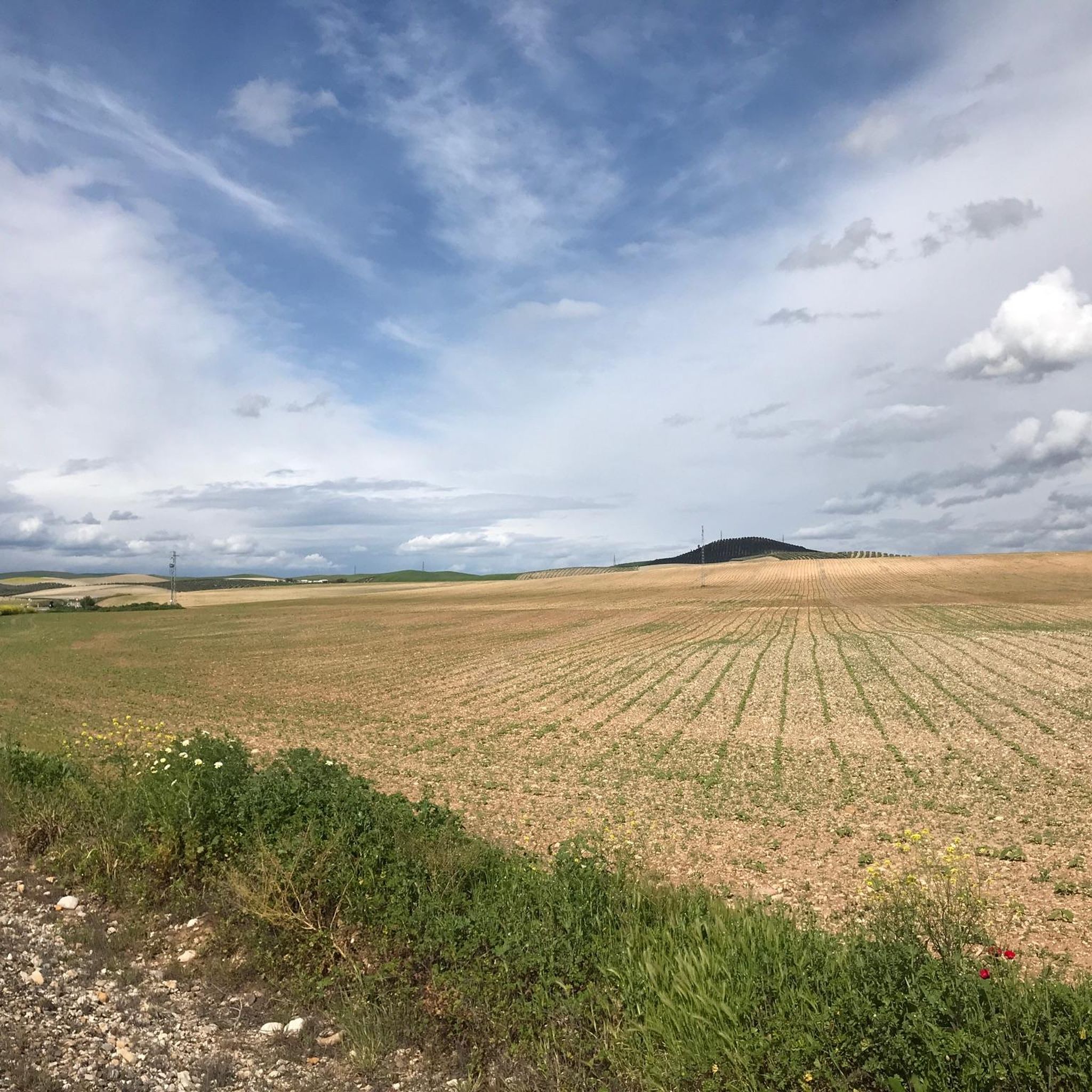
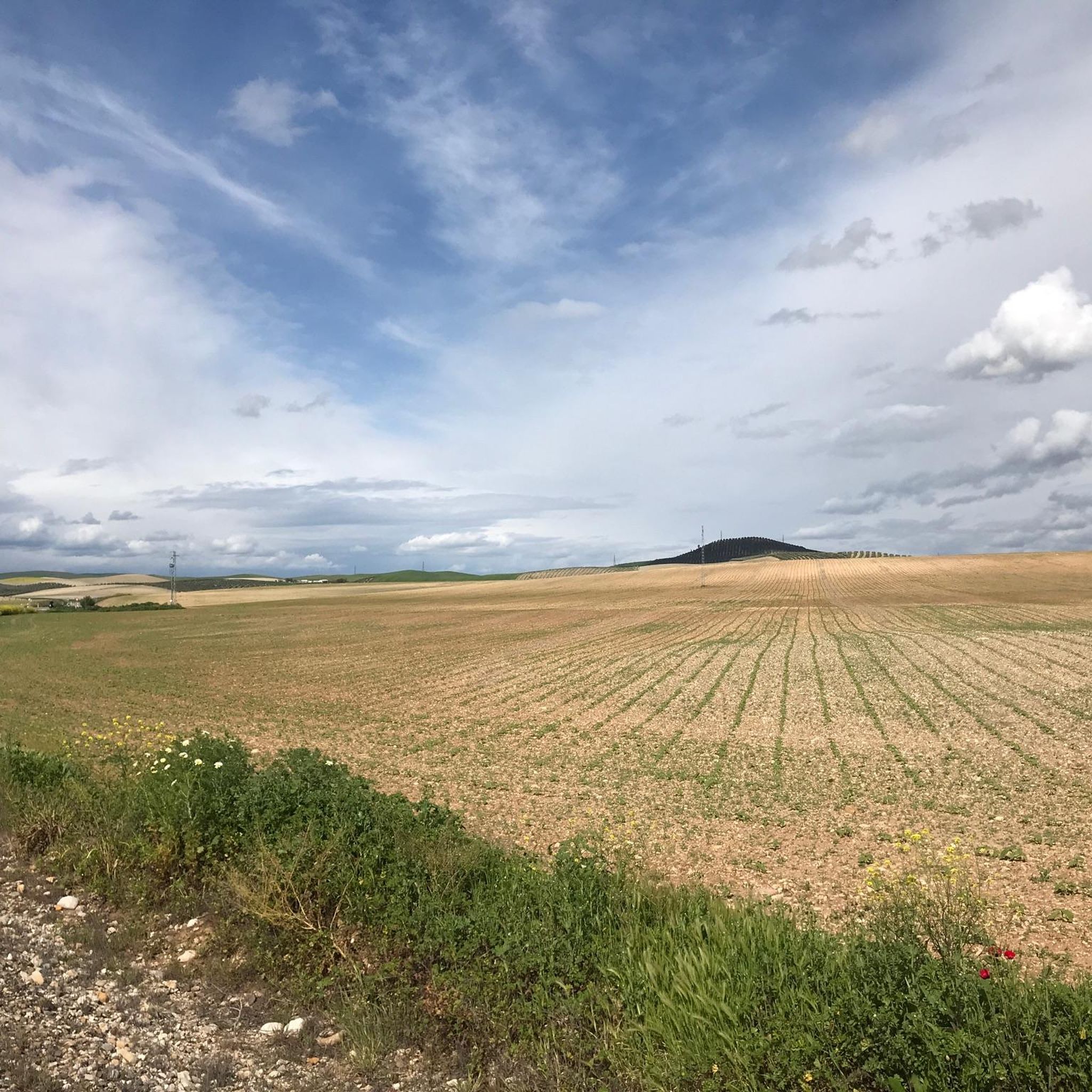
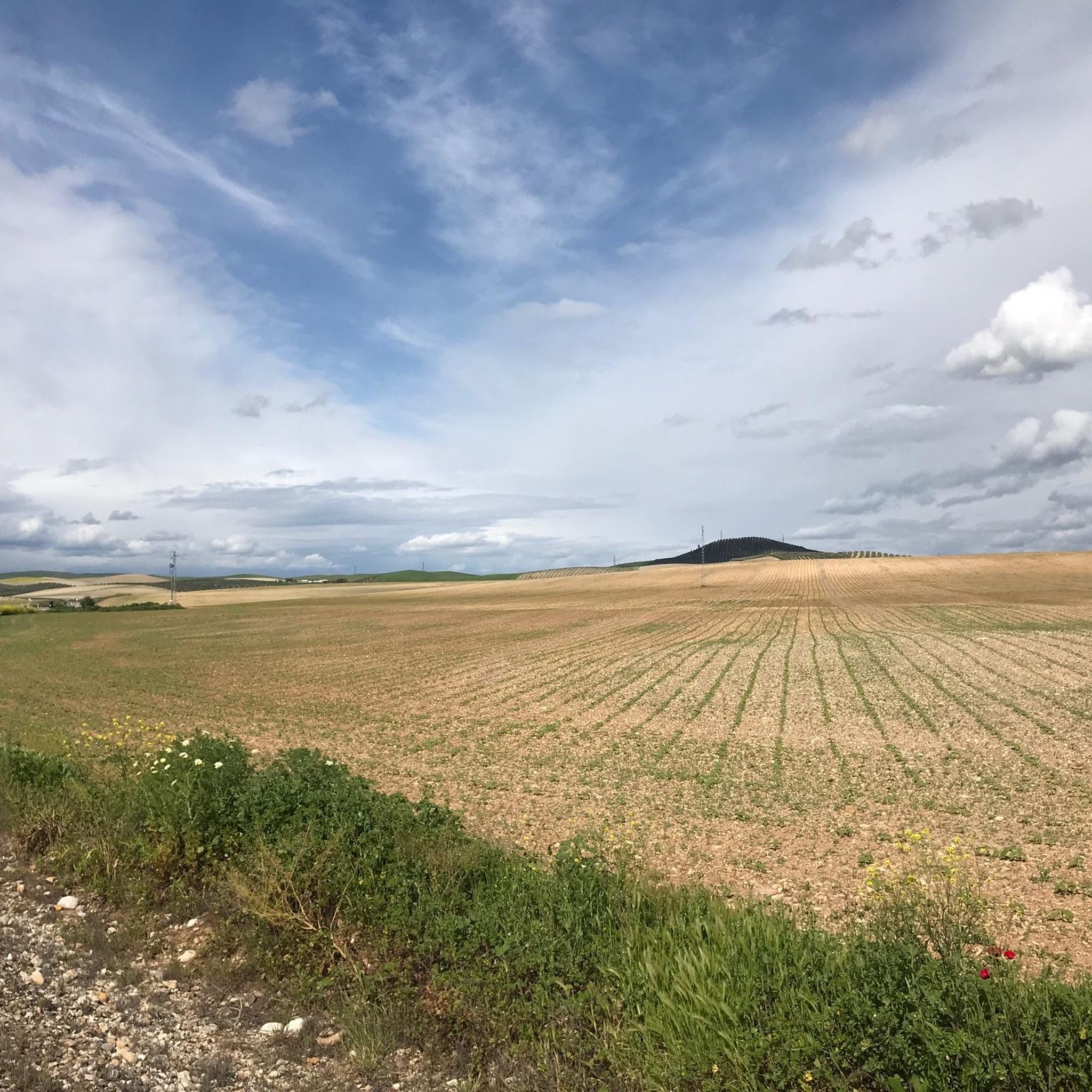
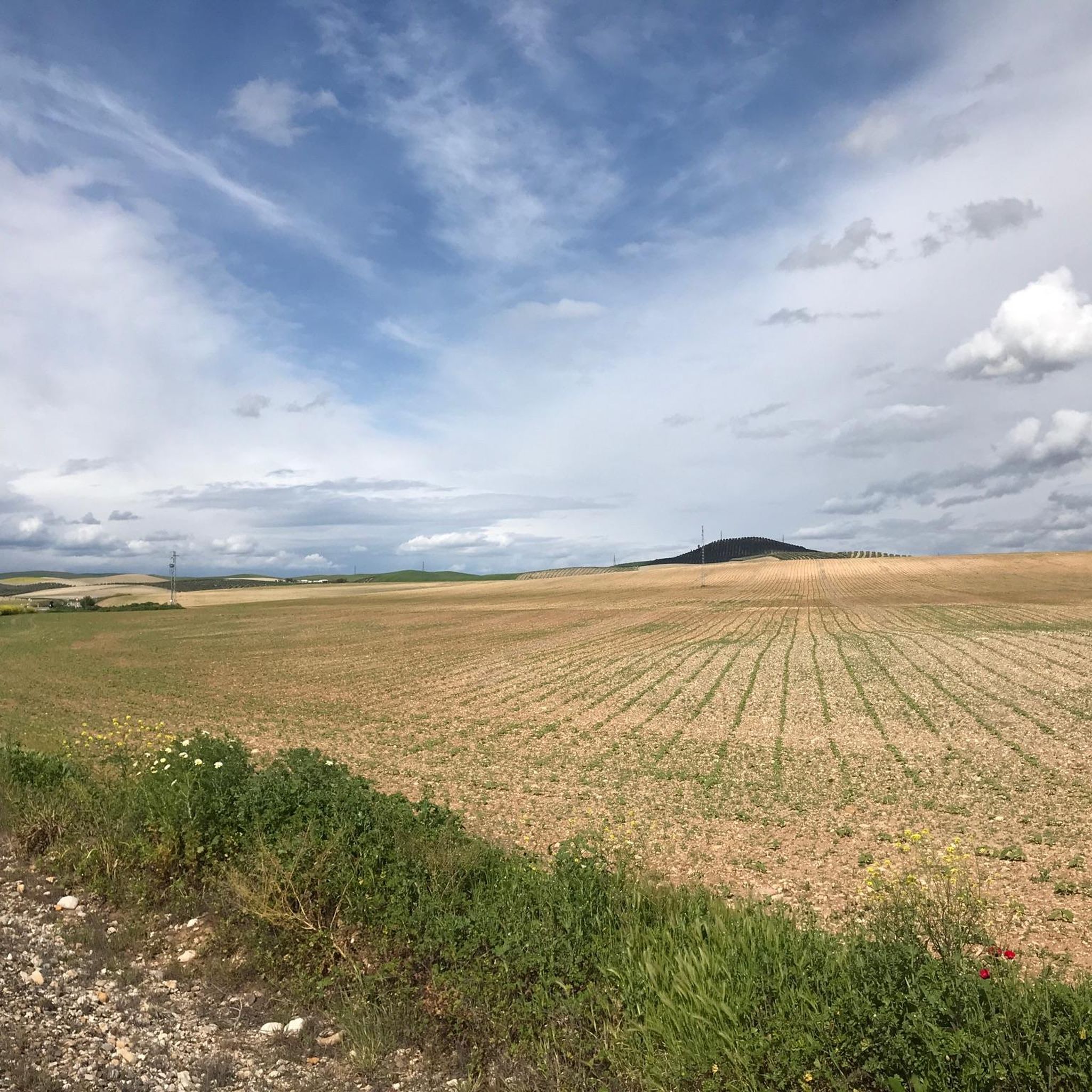
The whole area is planted with olives, sunflowers and wheat. Less than 1,000 people live in Santa Cruz. Olive production is probably the main occupation.
1
0
On the road towards Santa Cruz you pass huge olive plantations. The country road has little traffic and is easy to drive on.
1
0
Frequently Asked Questions
What historical landmarks can I explore in Fernán-Núñez?
Fernán-Núñez is rich in history. You can visit the impressive Ducal Palace of Fernán Núñez, an 18th-century Neoclassical palace and an Asset of Cultural Interest. Other significant historical sites include the Baroque-style Parish Church of Santa Marina de Aguas Santas, the Iglesia de la Vera Cruz, and the Ermita del Calvario, all reflecting the town's deep historical and religious heritage.
Are there any unique cultural sites or towns to visit near Fernán-Núñez?
Absolutely. A short distance away, you can explore La Rambla, Pottery City, renowned for its pottery workshops where you can learn about traditional ceramic techniques. Another unique settlement is San Sebastián de los Ballesteros, founded by Central European settlers in 1767, featuring its own artistic and monumental heritage like the King's mill and the Church of the Immaculate Conception.
What kind of natural features can I find around Fernán-Núñez?
The area around Fernán-Núñez is characterized by a landscape of rolling hills, extensive cereal fields, and olive groves. Within the town, the Parque Llano de las Fuentes, adjacent to the Ducal Palace, is notable for its natural springs and fountains, including the historic Los Caños Dorados. The municipality also boasts numerous other natural water sources like Fuente Chiquita and Fuente Redonda.
Are there opportunities for outdoor activities like hiking or cycling near Fernán-Núñez?
Yes, the surrounding agricultural landscape offers various routes for outdoor enthusiasts. For hiking, you can explore trails like the 'Virgin of the Tower Loop' or the 'Ruta de Los Alemanes'. Cyclists can enjoy routes such as the 'Ducal Palace of Fernán Núñez – La Rambla, Pottery City loop'. You can find more details and routes on the hiking guide and cycling guide for Fernán-Núñez.
What is the best time of year to visit Fernán-Núñez for cultural experiences?
If you are interested in cultural celebrations, visiting in early May allows you to witness the 'Fiesta de las Cruces', where residents adorn their patios with intricate decorations. The Montilla-Moriles Wine Region, which Fernán-Núñez is part of, offers enotourism opportunities throughout the year, especially during harvest season.
Are there any family-friendly attractions in Fernán-Núñez?
Many of the historical sites are suitable for families, offering an educational experience. The Ducal Palace of Fernán Núñez and its gardens, Parque Llano de las Fuentes, provide open spaces for children. Additionally, the nearby pottery workshops in La Rambla, Pottery City can be an engaging and interactive experience for all ages.
Can I find any unique local curiosities or monuments in Fernán-Núñez?
Yes, Fernán-Núñez has some distinctive local curiosities. In Parque Llano de las Fuentes, you'll find the emblematic 'Moro' Perro de los Entierros Monument, dedicated to 'Moro the Burial Dog'. Another unique sight is a classic Nitrate de Chile advertisement painted on a house wall, one of the few remaining examples of its kind in Andalusia.
What is the significance of the Parish Church of Santa Marina de Aguas Santas?
The Parish Church of Santa Marina de Aguas Santas is the most significant religious monument in Fernán-Núñez. Dating back to the late 14th century and built in Baroque style, it is dedicated to the town's patron saint. Its bell tower was originally part of an older fortress, and the church houses a valuable collection of gold and silver artifacts from the 16th to 20th centuries.
Are there any running trails available around Fernán-Núñez?
Yes, there are several running trails for different fitness levels. You can find routes like the 'Ducal Palace of Fernán Núñez loop' or shorter 'Running loop from Fernán Núñez'. For more options and details, refer to the running trails guide for the area.
What is the Montilla-Moriles Wine Region, and how can I experience it near Fernán-Núñez?
Fernán-Núñez is located within the renowned Montilla-Moriles Wine Region, famous for its sweet wines, particularly those made from Pedro Ximénez grapes. You can experience this region through enotourism, visiting local bodegas (wineries) for tastings and tours to learn about the traditional winemaking process. Many local establishments offer these experiences.
Is there a central public space in Fernán-Núñez that serves as a hub for urban life?
The Triunfo de Santa Marina de Aguas Santas is a prominent public space in Fernán-Núñez that serves as the vibrant heart of urban life. It's a great place to observe local daily life and enjoy the town's atmosphere.
Can I visit any traditional agricultural sites or learn about local produce?
The region is characterized by extensive olive groves and cereal fields, reflecting its agricultural heritage. While specific visitor centers for these might vary, you can observe the landscape and, in some areas, find olive oil refineries, which are integral to the local economy and offer insight into the production of olive oil.
Most popular routes around Fernán-Núñez

Get inspired with the komoot mobile app


Explore more
Still not found the Highlight you’re looking for? See guides of the top attractions in other regions:
