Attractions and Places To See around Pedrosa De Río Úrbel - Top 20
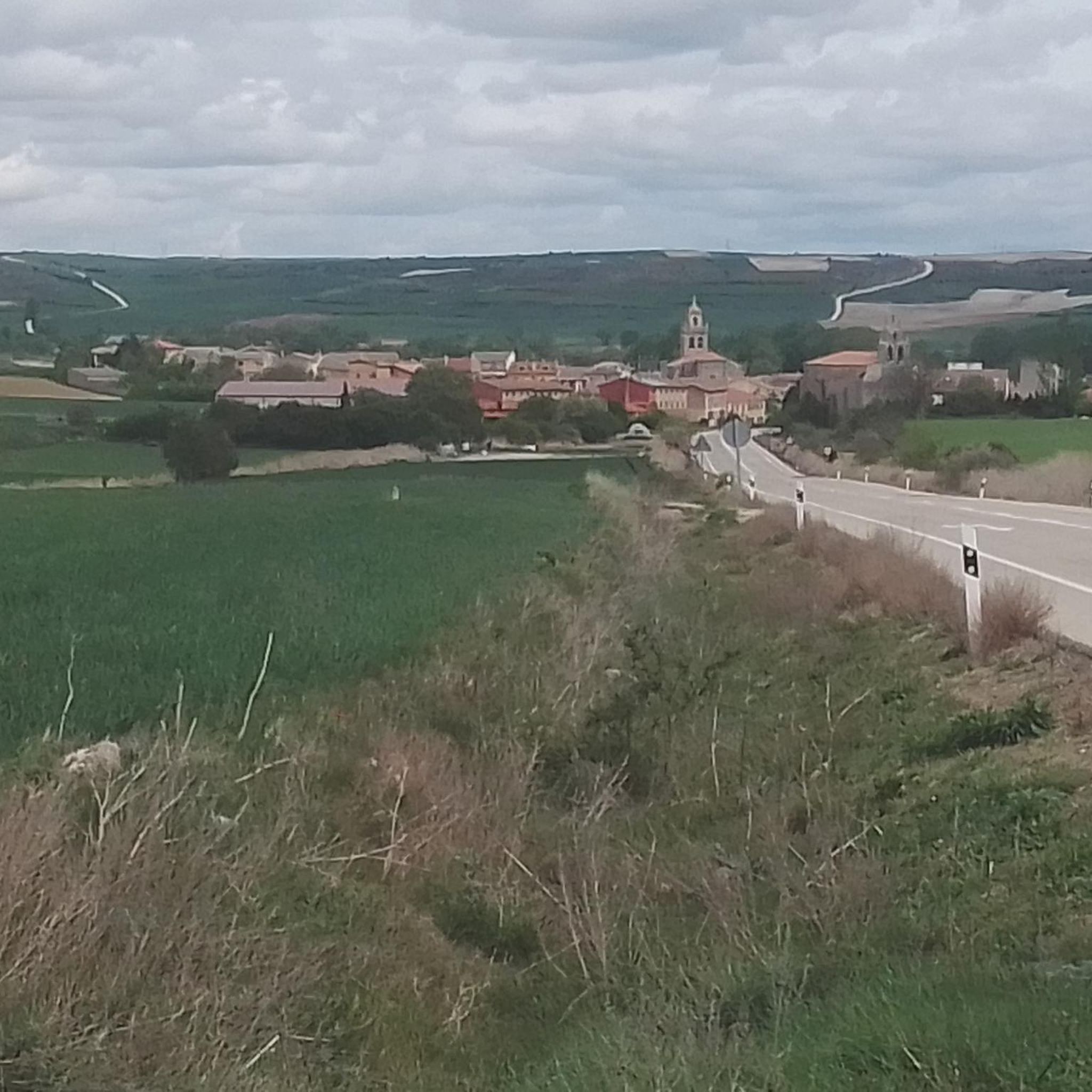
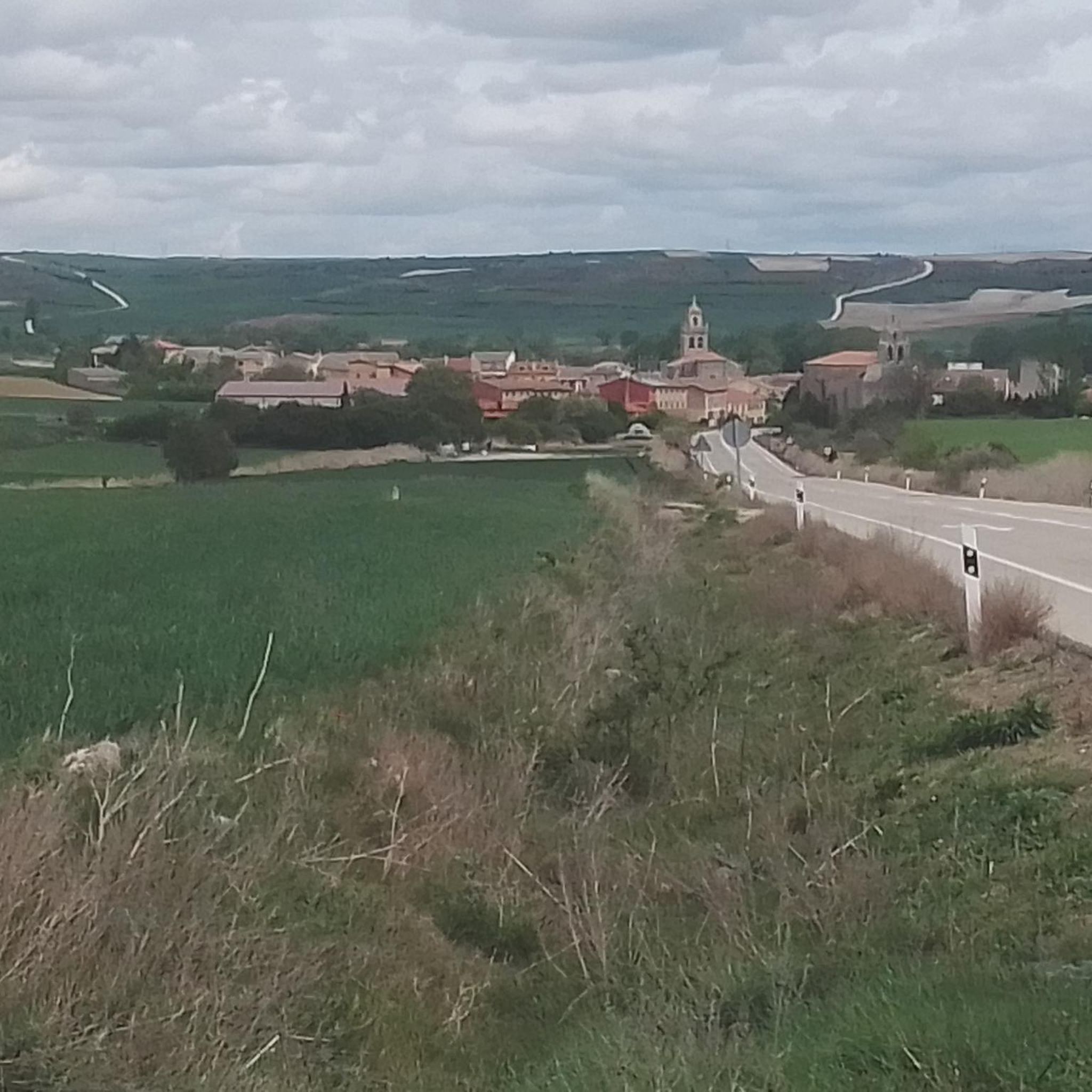
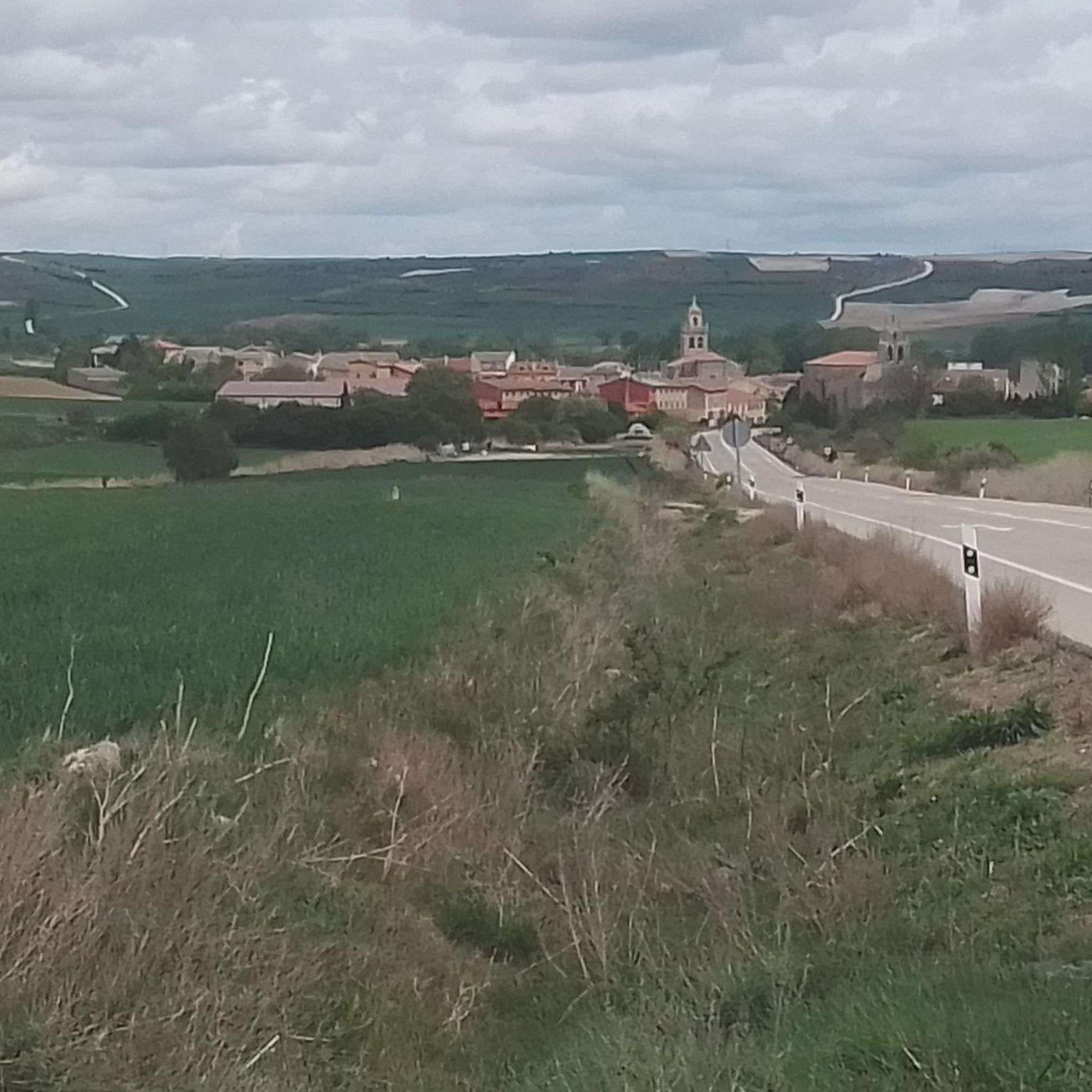
Best attractions and places to see around Pedrosa De Río Úrbel include historical sites, traditional architecture, and natural landscapes along the Úrbel River. This municipality in Burgos, Castile and León, offers a glimpse into rural Spanish life. The area features extensive cereal fields and moorland, providing scenic views. Visitors can explore the town and its constituent villages for points of interest.
Best attractions and places to see around Pedrosa De Río Úrbel
- The most popular attractions is Burgos Cathedral,…
Last updated: October 11, 2026
Burgos Cathedral
Highlight • Religious Site
Translated by Google •
Tip by

Arch of Santa María
Highlight • Monument
Translated by Google •
Tip by
Sign up now to discover places like this
Get recommendations on the best single tracks, peaks, & plenty of other exciting outdoor places.
Plaza Mayor of Burgos
Highlight • Settlement
Translated by Google •
Tip by
Statue of El Cid, the Campeador (Plaza del Mio Cid, Burgos)
Highlight • Monument
The bronze equestrian statue of the Cid was made by Juan Cristóbal …
Translated by Google •
Tip by
Statue of the Seated Pilgrim
Highlight • Monument
Translated by Google •
Tip by

Sign up for free to discover even more attractions around Pedrosa De Río Úrbel.
Already have an account?
Start today with a free account
Your next adventure awaits.
Tips from the Community

An unusual but beautiful depiction of a pilgrim.
2
0

The Statue of the Seated Pilgrim in Burgos is a bronze sculpture depicting a pilgrim resting, seated on a bench with his walking stick. It is located in the Plaza del Rey San Fernando, just behind Burgos Cathedral, making it a popular photographic spot for visitors on the Camino de Santiago.
3
1

There is a poem that sings the greatness of "Mio Cid"
2
0

It's not like the one in Salamanca, but it's also worth it.
3
2
A statue with a lot of movement.
3
1

With one of the most beautiful Gothic churches on the Way of St. James, it's definitely worth a visit.
8
0

The Arch of Santa Maria is one of the twelve medieval gates that the city had during the Middle Ages. It was rebuilt by the Holy Roman Emperor, Charles V, during the 16th century after the local rulers of the city supported him during the Revolt of the Comuneros.
11
0
The Church of San Nicolás de Bari in Burgos is a gem of Castilian Gothic architecture, located right on the Camino de Santiago, next to the Cathedral. It was built in 1408 on the site of an earlier Romanesque church.
32
0
Frequently Asked Questions
What historical sites can I explore in Pedrosa de Río Úrbel?
In Pedrosa de Río Úrbel, you can visit the Church of Santa Juliana, built between 1500 and 1575, featuring Gothic, Renaissance, and Baroque elements. Another significant historical site is the Facade of the Hermitage of San Bartolomé, a Neoclassical monument that symbolically recreates a disappeared hermitage. You can also find the birthplace of Fray Justo Pérez de Úrbel, a notable religious figure and medievalist.
What natural features define the landscape around Pedrosa de Río Úrbel?
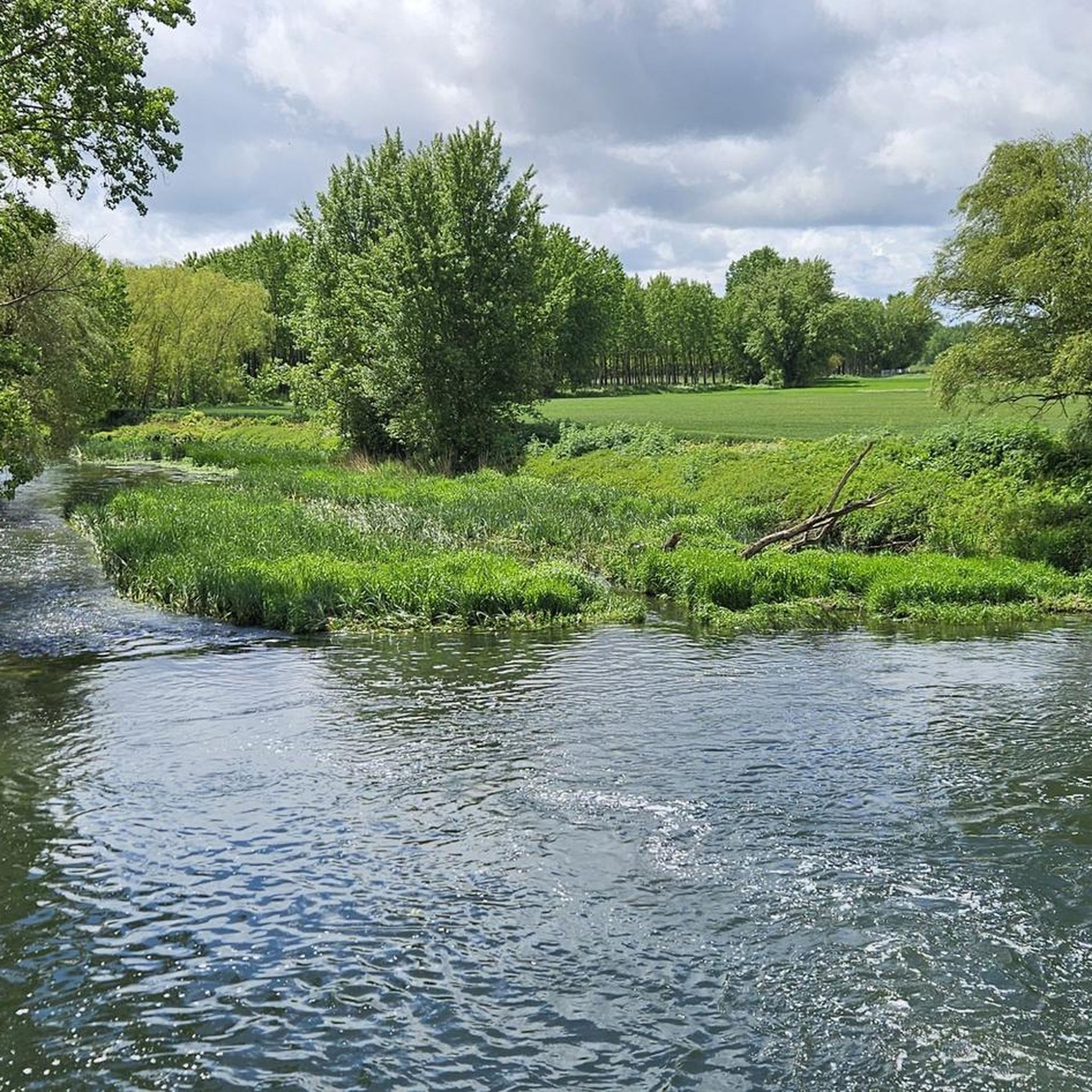
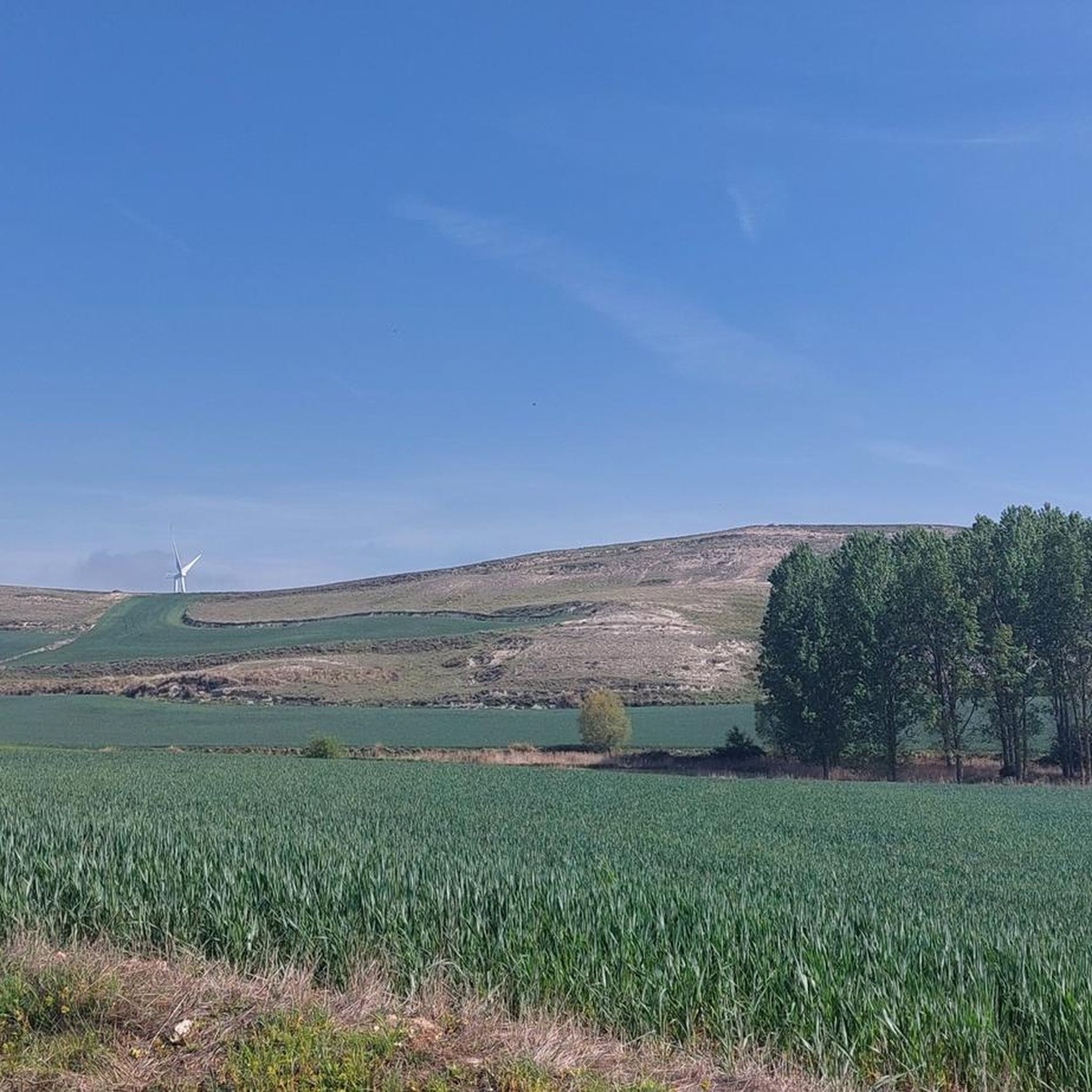
The landscape around Pedrosa de Río Úrbel is characterized by the Úrbel River, which flows through the area, contributing to its picturesque scenery. You'll also find extensive cereal fields and the natural moorland area known as El Páramo, offering scenic views and reflecting the region's agricultural character.
Are there any unique architectural sights in Pedrosa de Río Úrbel?
Beyond the Church of Santa Juliana, you can observe a notable Baroque House on the street leading to the church, constructed between the 17th and 18th centuries. This showcases the traditional architectural interest of the area.
What outdoor activities can I do near Pedrosa de Río Úrbel?
The area around Pedrosa de Río Úrbel is excellent for outdoor activities. You can explore various hiking routes like the Molinar, Chopera Walk, Hontanillas, La Playa, and Los Marmellares routes. For cycling enthusiasts, there are several routes available, including those for touring bicycles, gravel biking, and mountain biking. You can find more details on these routes in the Cycling around Pedrosa De Río Úrbel, Gravel biking around Pedrosa De Río Úrbel, and MTB Trails around Pedrosa De Río Úrbel guides.
Are there family-friendly attractions or activities in Pedrosa de Río Úrbel?
While Pedrosa de Río Úrbel itself offers a tranquil rural experience, the nearby city of Burgos provides several family-friendly attractions. For instance, the Burgos Cathedral and the Arch of Santa María are noted as family-friendly historical sites. Exploring the natural surroundings and easy walking routes can also be enjoyable for families.
When is the best time to visit Pedrosa de Río Úrbel for outdoor activities?
The best time to visit Pedrosa de Río Úrbel for outdoor activities, such as hiking and cycling, is generally during the spring and autumn months. The weather is typically milder and more pleasant for exploring the natural landscapes, cereal fields, and river valleys.
What do visitors particularly enjoy about the attractions near Pedrosa de Río Úrbel?
Visitors particularly enjoy the rich history and architectural beauty of sites like the Burgos Cathedral, which is a UNESCO World Heritage Site. The Plaza Mayor of Burgos is also appreciated for its vibrant social life and historical significance. Many find the intricate details and the play of light through the stained glass windows of the Cathedral to be spectacular.
Can I find traditional rural infrastructure in Pedrosa de Río Úrbel?
Yes, Pedrosa de Río Úrbel maintains elements of traditional rural infrastructure. A notable example is the Fountain with Watering Trough, which serves as an ethnographic point of interest, reflecting the historical agricultural practices and daily life of the region.
Are there any viewpoints or scenic spots in the area?
The undulating terrain around Pedrosa de Río Úrbel provides panoramic views, including partial vistas of the Úrbel Valley. The extensive cereal fields and the moorland area also offer scenic backdrops for walks and exploration.
What are some of the popular cycling routes near Pedrosa de Río Úrbel?
For cycling, you can find routes like the 'Burgos – Burgos Cathedral loop from Tardajos' (easy) or the 'Monument to El Cid – Peñahorada Gorge Trail loop from Villalbilla de Burgos' (moderate). Gravel biking options include 'Burgos Cathedral – Fountain in Rabé de la Calzada loop' (moderate). For mountain biking, consider the 'Arch of Santa María – Burgos Cathedral loop' (moderate). More routes are detailed in the respective cycling guides.
Are there any hidden gems or lesser-known spots worth visiting?
Beyond the main highlights, exploring the constituent villages of Pedrosa de Río Úrbel, such as Lodoso and Marmellar de Abajo, can reveal charming local churches like the Parish Church of Saint Cristopher in Lodoso or the Parish Church of the Nativity of Our Lady in Marmellar de Abajo. Lodoso also hosts an Astronomical Observation Center, offering a unique experience.
Most popular routes around Pedrosa De Río Úrbel
Most popular attractions around Pedrosa De Río Úrbel

Get inspired with the komoot mobile app


Explore more
Still not found the Highlight you’re looking for? See guides of the top attractions in other regions:
