Attractions and Places To See around Doñinos De Salamanca - Top 20
Best attractions and places to see around Doñinos De Salamanca include a blend of cultural sites, historical landmarks, and natural features. This municipality is located just 7 kilometers from Salamanca, offering convenient access to the historic city. Situated on the banks of the Tormes River, the area features generally flat terrain with gentle undulations, providing opportunities for outdoor activities and exploring local flora and fauna. Visitors can explore both local offerings and the wider Salamanca province.
Best attractions and places…
Last updated: July 2, 2026
Plaza Mayor of Salamanca
Highlight • Monument
Translated by Google •
Tip by

House of Shells
Highlight • Historical Site
Its construction began in the late 15th century by order of …
Translated by Google •
Tip by
Sign up now to discover places like this
Get recommendations on the best single tracks, peaks, & plenty of other exciting outdoor places.
Sign up for free
Old Cathedral of Salamanca
Highlight • Religious Site
Translated by Google •
Tip by
Roman Bridge of Salamanca
Highlight • Bridge
Translated by Google •
Tip by
Jeronimus Tower/Cathedral
Highlight • Religious Site
Translated by Google •
Tip by
Sign up for free to discover even more attractions around Doñinos De Salamanca.
Sign up for free
Already have an account?
Start today with a free account
Your next adventure awaits.
Login or Signup
Tips from the Community

Enormous square that comes alive in the evening when it is illuminated.
7
0
One of the many historic buildings with 365 shells as a symbol of love for his wife.
5
1
The cathedral is a beautiful example of Spain's medieval history, offering a quiet, historical atmosphere in contrast to the larger, adjacent 16th-century New Cathedral.
9
1

The Old Cathedral of Salamanca is much more than a religious building: it is a living testament to the history, architecture, and cultural identity of the city. Here is a complete overview from a historical and artistic perspective. Construction began in the 12th century, following the restoration of the diocese by Alfonso VI and the repopulation of Salamanca. The first to promote it was Bishop Jerónimo de Périgord. It represents the transition between Romanesque and Gothic styles, evident in its pillars and vaults: the former designed for barrel vaults, and the latter featuring Gothic rib vaulting. The Old Cathedral of Salamanca is open to the public and forms part of the monumental complex along with the New Cathedral.
2
0
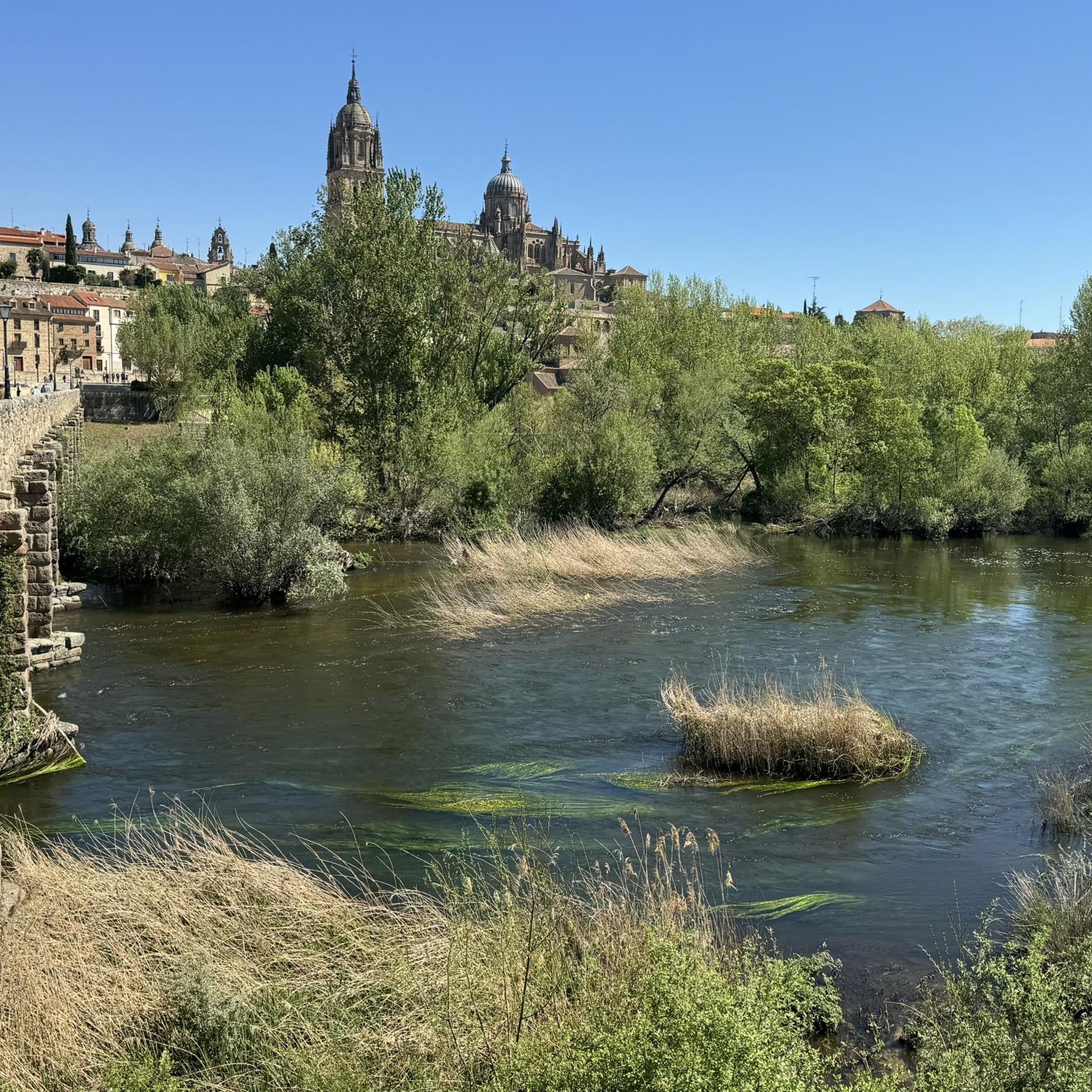
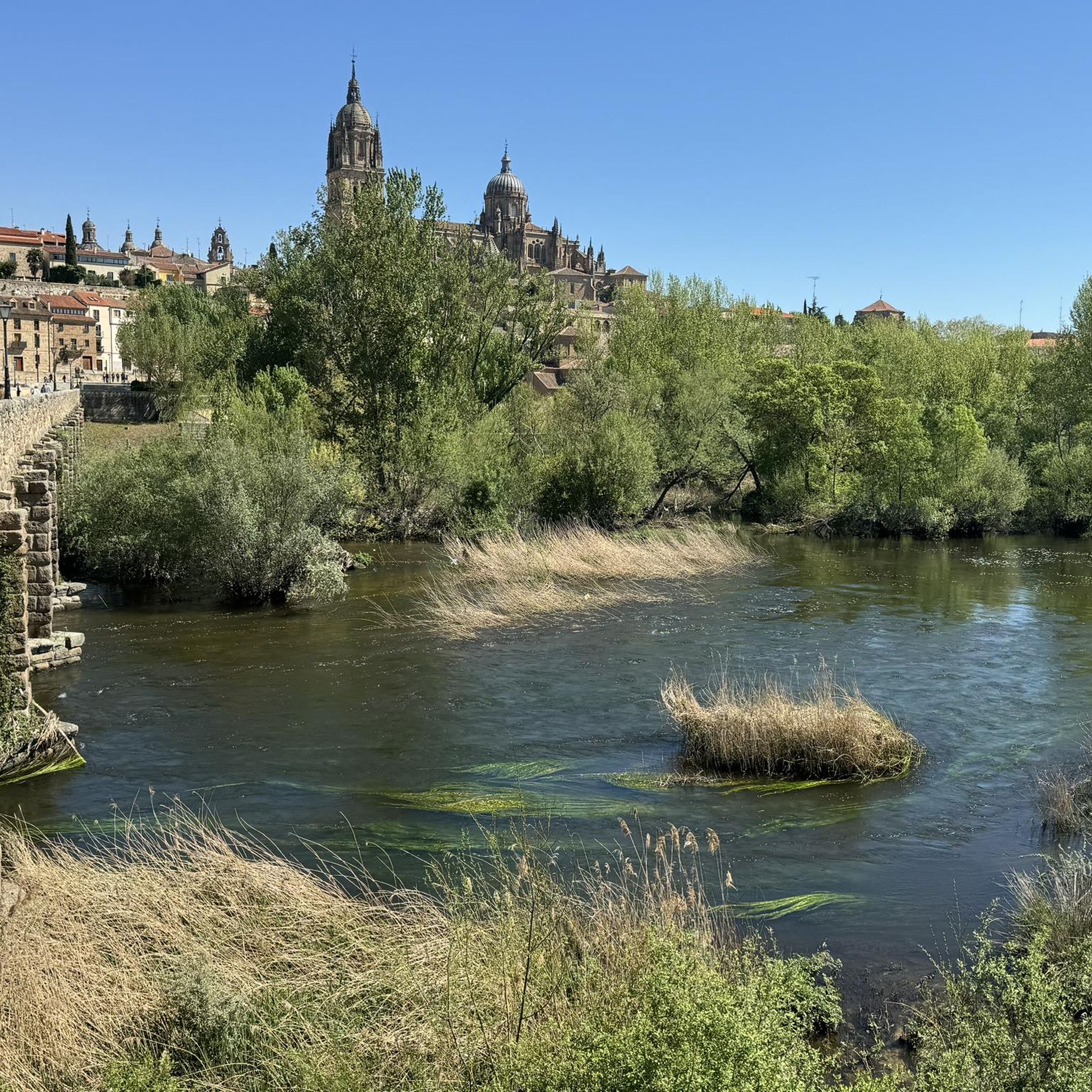
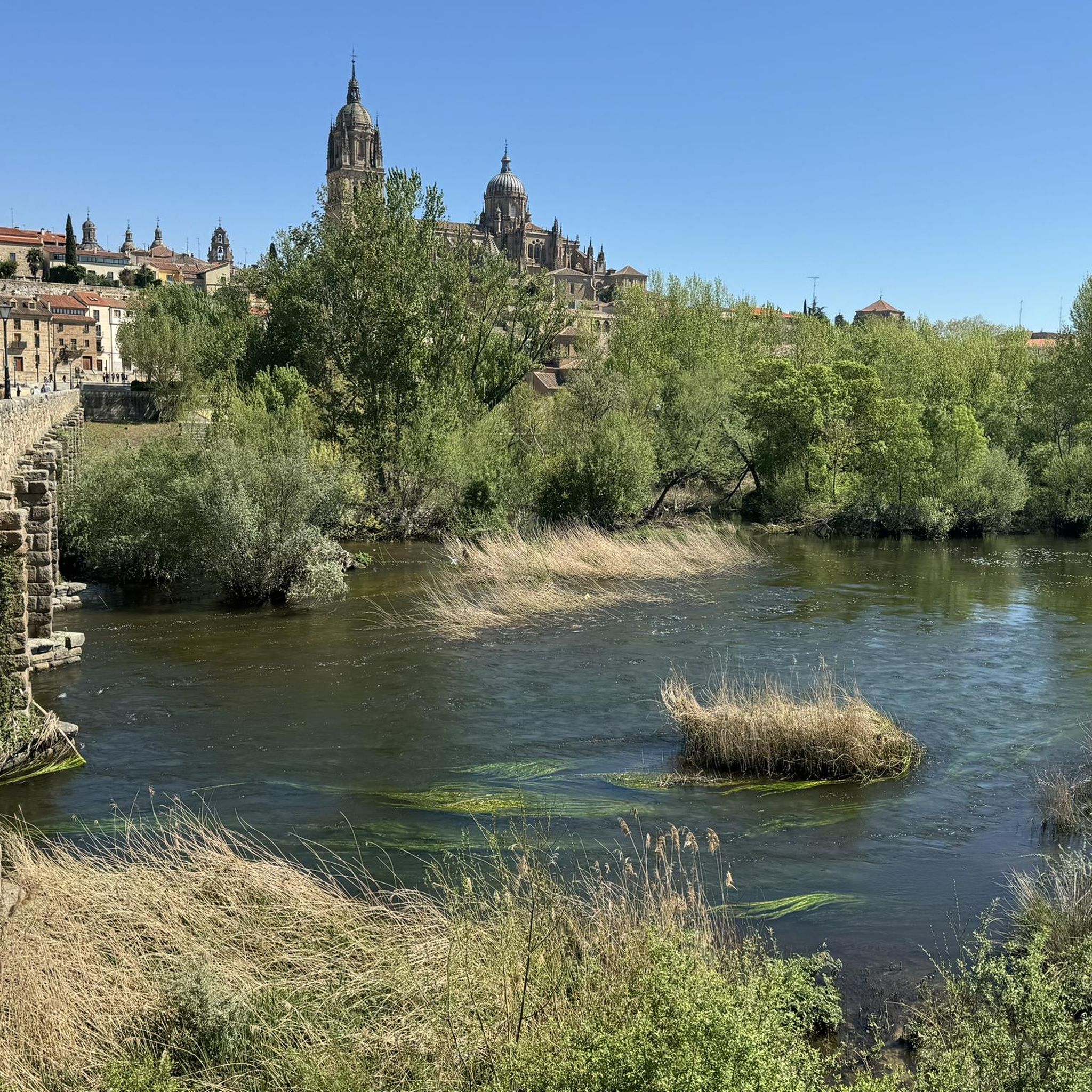
The history of Salamanca's Roman bridge is intertwined with that of the city itself, and it has been one of its defining features for centuries. Located in a position that facilitated human settlement and the development of economic activity, its proximity to the three hills and the Tormes River made it a strategic location. It is a solid bridge, resistant to the passage of time. For centuries it served as the main access point to the city, until a new bridge was completed over the Tormes River in 1913, allowing the passage of vehicles.
10
0

Incredible buildings in Salamanca
0
0

The Old Cathedral of Salamanca is dedicated to Saint Mary of the See. Construction began in 1140. Its predominant style is Romanesque, transitioning to Gothic. Originally, it was more of a crenellated fortress with towers serving as guard towers. Over the centuries, interior rooms such as the Dungeon Room and the Jailer's Room, which were useful during that period, became the bell-ringers' quarters. The Rooster Tower, so named for the shape of the weather vane at its top, is particularly noteworthy.
1
1
Frequently Asked Questions
What historical sites can I visit in Doñinos de Salamanca?
Doñinos de Salamanca offers several historical sites. You can explore the House of Shells, a stately mansion combining late Gothic, Mudejar, and Renaissance styles, known for its unique façade. Also, within the municipality, you'll find the Romanesque Church of San Juan in Santibáñez del Río, dating from the late 11th to early 12th century, and the significant Roman ruins in San Julián de la Valmuza, which include remnants of an important Roman villa.
Are there any unique cultural attractions in Doñinos de Salamanca?
Yes, Doñinos de Salamanca is home to the unique Museo del Hormigón Ángel Mateos, dedicated to concrete as an artistic medium. It showcases over 170 works by Ángel Mateos. Visits generally need to be arranged in advance.
What natural features can I explore in the area?
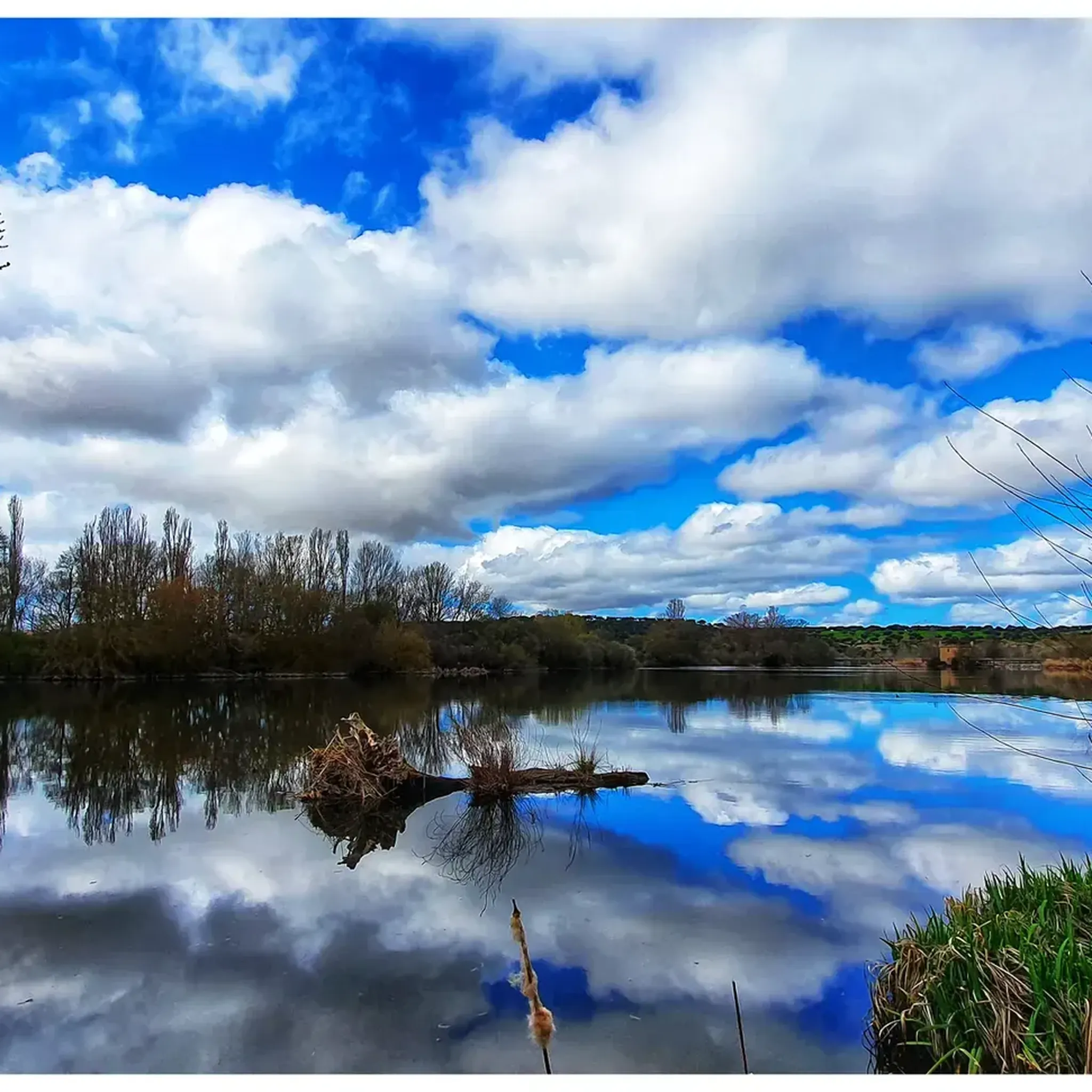
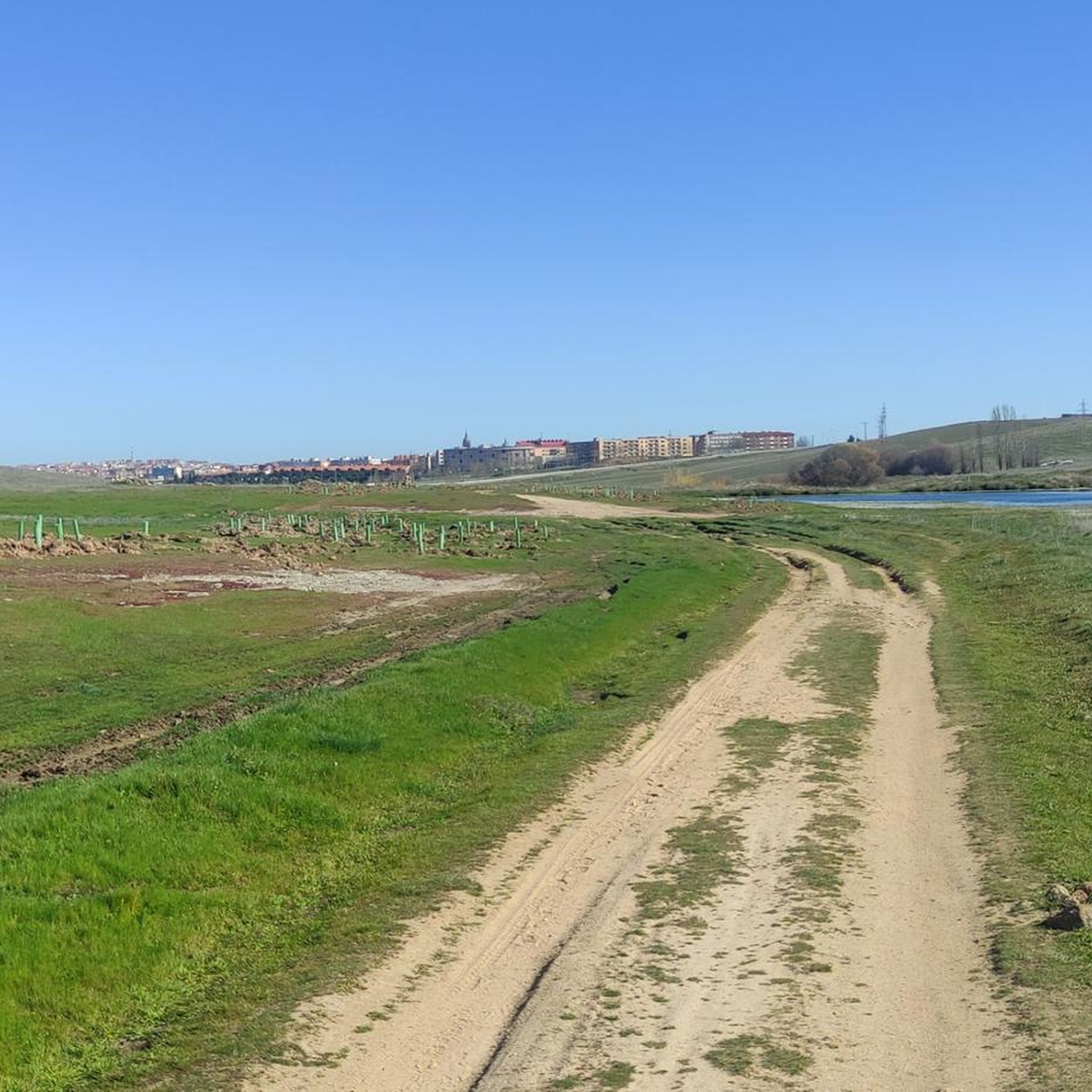
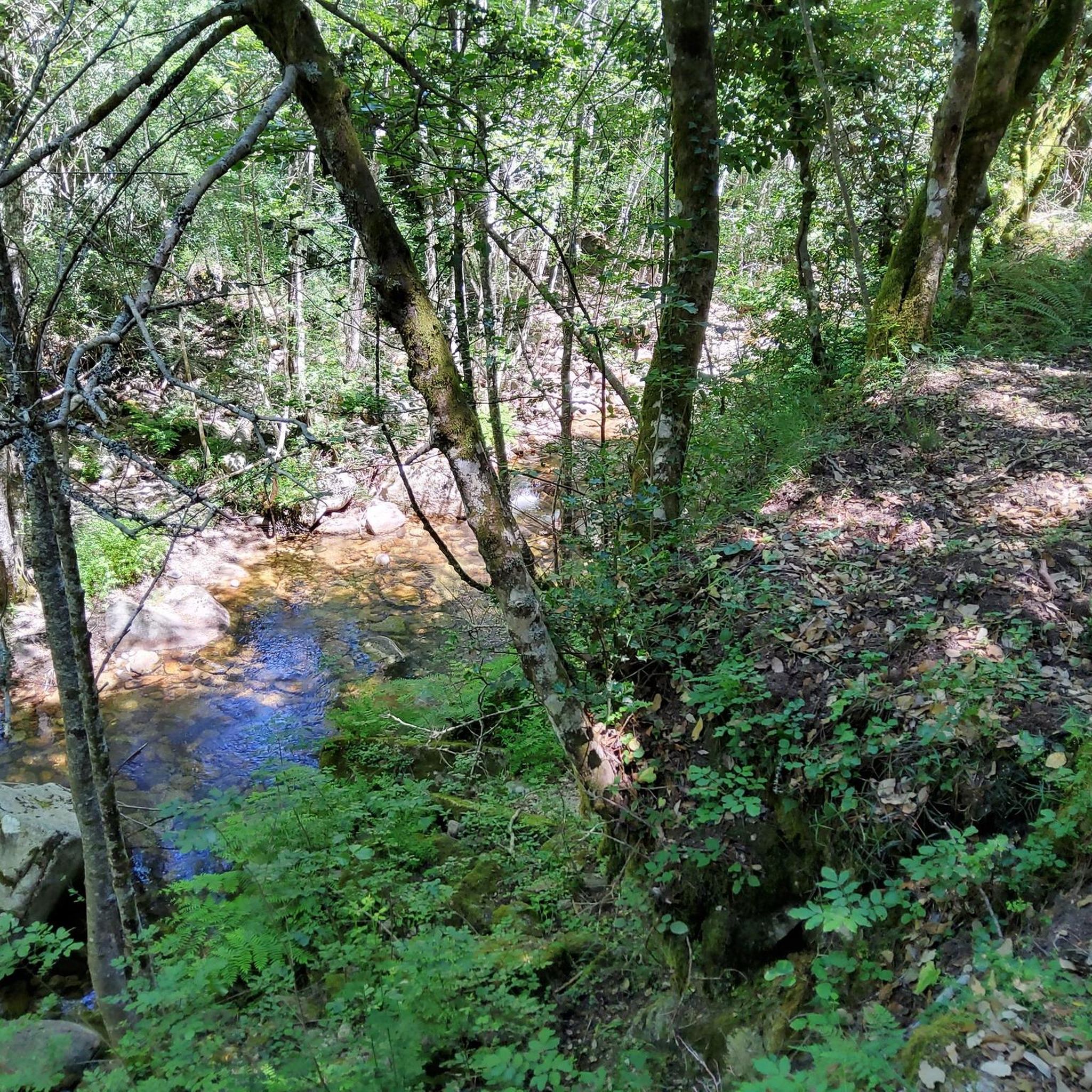
The municipality is situated on the banks of the Tormes River, offering a picturesque natural environment. This area is ideal for nature lovers, with opportunities for hiking trails to explore local flora and fauna. The terrain is generally flat with gentle undulations, with its lowest point along the Tormes River.
What outdoor activities are available near Doñinos de Salamanca?
The surrounding Campo de Salamanca area, including Doñinos de Salamanca, is excellent for outdoor activities. You can find diverse terrain suitable for hiking and mountain biking. For running, explore routes like the "River Walk of the Tormes River - Villamayor" or the "Roman Bridge of Salamanca – Tormes River Walk loop from Tejares - Chamberí". Cyclists can enjoy routes such as "Roman Bridge of Salamanca – Salamanca Old Town (historic centre) loop from Doñinos de Salamanca". You can find more details on these activities on the running trails, gravel biking, and cycling guides.
Are there family-friendly attractions in Doñinos de Salamanca?
Many attractions in the broader Salamanca area are considered family-friendly. Within Doñinos de Salamanca, the Cultural Center on C. Molino offers community activities and a library, and is suitable for children. The natural areas along the Tormes River also provide opportunities for family walks and outdoor enjoyment.
What kind of wildlife can I spot in Doñinos de Salamanca?
The natural environment of Doñinos de Salamanca supports a variety of wildlife. You might spot several species of amphibians like common frogs and marbled newts. Birdwatchers can look for azure-winged magpies, European bee-eaters, hoopoes, white storks, and various warblers and raptors.
What is the Iglesia Parroquial de Santo Domingo de Guzmán known for?
The Iglesia Parroquial de Santo Domingo de Guzmán is notable for housing a beautifully restored Baroque altarpiece. This altarpiece was originally from the El Carnero estate and was moved to the church to ensure its preservation.
Is the Plaza Mayor of Salamanca accessible for visitors with wheelchairs?
Yes, the Plaza Mayor of Salamanca is listed as wheelchair accessible. It's a popular place to stroll and enjoy the tranquil atmosphere and architectural beauty of Salamanca.
What is the significance of the Roman Bridge of Salamanca?
The Roman Bridge of Salamanca is a historic landmark that was part of the Vía de la Plata, linking Mérida with Astorga. While its origin dates back to the 1st century AD, only the fifteen arches closest to the city are original Roman, with other sections having undergone various reconstructions due to Tormes River floods. It served as the main access point to the city for centuries.
What do visitors enjoy most about the attractions around Doñinos de Salamanca?
Visitors appreciate the blend of cultural sites, historical landmarks, and natural beauty. The Plaza Mayor of Salamanca is particularly loved for its architectural beauty and tranquil atmosphere, while the Salamanca Cathedral offers wonderful views from its tower. The area's diverse terrain also makes it popular for outdoor activities like hiking and cycling along the Tormes River.
Are there any Roman ruins to see in the area?
Yes, in the hamlet of San Julián de la Valmuza, part of Doñinos de Salamanca's municipal area, you can find remnants of an important Roman villa. These ruins, which include mosaics, columns, tombs, and pottery, were declared a Property of Cultural Interest in 1931.
Most popular routes around Doñinos De Salamanca

Get inspired with the komoot mobile app


Explore more
Still not found the Highlight you’re looking for? See guides of the top attractions in other regions:
