Attractions and Places To See around Villardefrades - Top 12
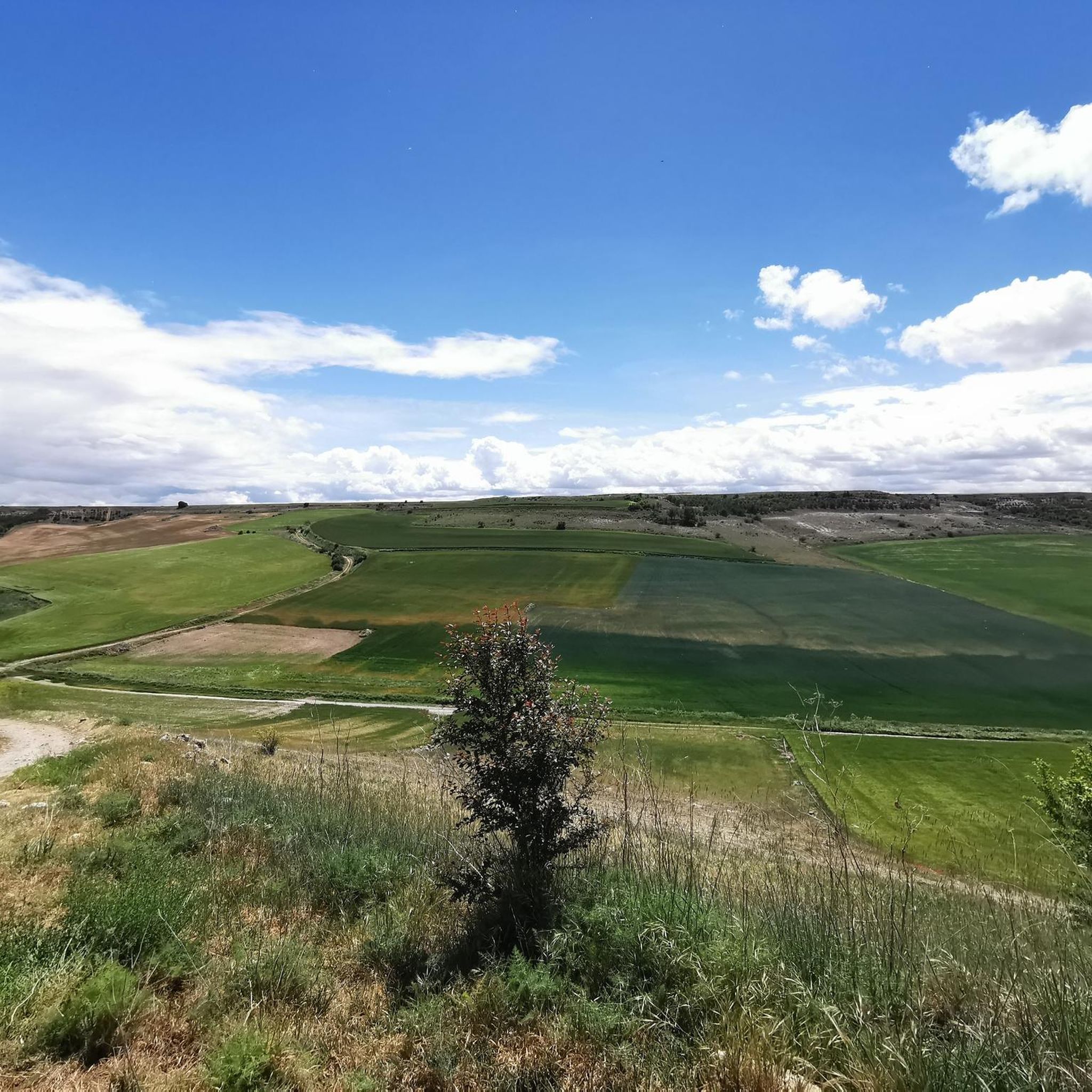
Attractions and places to see around Villardefrades offer a glimpse into history and tradition within the Tierra de Campos region. This area, characterized by expansive agricultural fields and rolling hills, provides opportunities for tranquil walks and a connection with nature. Visitors can explore historical sites, religious buildings, and natural features. The region's landscape is suitable for quiet strolls and discovering local biodiversity.
Best attractions and places to see around Villardefrades
- The most popular attractions is Monastery of La Santa Espina…
Last updated: June 29, 2026
Monastery of La Santa Espina
Highlight • Religious Site
Translated by Google •
Tip by

Urueña Castle
Highlight • Castle
It was ordered to be built …
Translated by Google •
Tip by
Sign up now to discover places like this
Get recommendations on the best single tracks, peaks, & plenty of other exciting outdoor places.
Sign up for free
Hermitage of Our Lady of the Annunciation
Highlight • Religious Site
Built in the …
Translated by Google •
Tip by
Tiedra Lavender Fields
Highlight • Natural
In the small town of Tiedra, this beautiful plant has been cultivated since 2006 and …
Translated by Google •
Tip by

Church of San Cipriano of San Cebrián de Mazote
Highlight • Religious Site
Translated by Google •
Tip by

Sign up for free to discover even more attractions around Villardefrades.
Sign up for free
Already have an account?
Start today with a free account
Your next adventure awaits.
Login or Signup



Tips from the Community

High on a hill near Urueña stands this Romanesque hermitage of Mozarabic origin, one of the most unique in Castile and León. What few know is that beneath its floor were found Visigothic pottery fragments and a small well used to collect rainwater, considered blessed. Local shepherds said that this water cured eyesight if applied at dawn. Today, the well remains, covered by a slab, and the hermitage continues to hold its air of mystery among the golden stones of the moor.
0
0

The Hermitage of Our Lady of the Annunciation is located in Urueña, in the province of Valladolid and is an outstanding example of Romanesque-Lombard art in Spain. Built in the 12th century by order of the Infanta Sancha Raimúndez, on the site of a previous Mozarabic church. It is the only complete example of Romanesque-Lombard art in Castile and León. The hermitage is located in a small valley a few kilometres from the town of Urueña, offering a magnificent view of the wall that surrounds the town.
4
0
Today, only the outer walls remain, and the various rooms that it may have had in the past have completely disappeared. It was built around the year 1060 by the Castilian monarch Ferdinand I the Great on the remains of an ancient Roman fortification.
5
0
Urueña Castle is an impressive fortress located in the municipality of Urueña, in the province of Valladolid, Spain. This medieval castle dates back to the 11th century and is one of the best preserved in the region. Originally built in the 11th century, the castle has witnessed numerous historical events and has undergone several renovations over the centuries.
7
0
In Tiedra, a beautiful corner of the province of Valladolid in Castilla y León, the lavender fields unfold like a violet mantle that intoxicates the senses. Here, lavender blooms intensely, creating a visual and olfactory spectacle that attracts visitors from all over. If you ever want to immerse yourself in the beauty and fragrance of lavender fields, Tiedra is the perfect place to do so. 🌿💜
2
0

It is worth the visit. It lasts about 50' and they explain it very well. We visit the monastery and the church. Visiting schedule: FRIDAY: 16:00-17:00-18:00. SATURDAYS: Morning: 10:00 11:00-12:00- 13:00 Afternoon: 16:00-17:00- 18:00 SUNDAYS AND HOLIDAYS: Morning: 10:00-11:00-12:00-13:00 Afternoon: 16:00-17:00-18:00 https://lasantaespina.es/oficina-de-turismo/
0
0

Historical and spiritual treasure dating from the 12th century. The Cistercian monastery captivates with its mix of Romanesque and Gothic architecture. The monastery is known for being a point of pilgrimage and for its charming natural environment, which invites reflection and tranquility.
1
0

This is an amazing and beautiful historical site. It is obtained from the relic relics that have been housed in one of its chapels for almost nine centuries.
0
0
Frequently Asked Questions
What historical sites can I explore around Villardefrades?
The region offers several historical sites. You can visit the Urueña Castle, which preserves its outer walls and offers insight into the region's medieval past. Within Villardefrades itself, you can find the Remains of Villardefrades Castle, providing a glimpse into its medieval history. Additionally, the Monastery of La Santa Espina, dating from the 12th century, has undergone notable reforms over time and houses a relic from the holy crown of Christ.
Are there any notable religious buildings to visit?
Yes, there are several significant religious buildings. The Monastery of La Santa Espina is a sanctuary from the 12th century. The Hermitage of Our Lady of the Annunciation in Urueña is an 11th-century example of Romanesque-Lombard art. In Villardefrades, you can see the Iglesia de San Andrés, a neoclassical church known locally as 'La Obra', and the Ermita de San Cucufate.
Where can I find scenic viewpoints in the Villardefrades region?
For exceptional panoramic views of the Tierra de Campos region, head to the nearby town of Urueña. The Mirador del Roto and Mirador del Bueso offer magnificent vistas of the expansive fields and rolling hills characteristic of the area.
What kind of outdoor activities can I do near Villardefrades?
The natural surroundings, part of the Montes Torozos region, are ideal for quiet strolls and engaging with nature. You can find various routes for hiking, running, and road cycling. For detailed routes, explore the Hiking around Villardefrades, Running Trails around Villardefrades, and Road Cycling Routes around Villardefrades guides.
Are there hiking trails suitable for different skill levels?
Yes, the area offers hiking trails with varying difficulty. For example, the 'Embalse de la Espina — circular desde el Monasterio de la Santa Espina' is a moderate route, while the 'Monastery of La Santa Espina loop from La Santa Espina' is an easy option. You can find more details and options in the Hiking around Villardefrades guide.
Are there attractions suitable for families with children?
Many attractions in the area are family-friendly. The Monastery of La Santa Espina and the Hermitage of Our Lady of the Annunciation are suitable for families. Additionally, the Tiedra Lavender Fields, especially when in bloom in July, offer a beautiful and engaging experience for all ages.
Can I bring my dog to attractions or on trails?
While specific dog policies for individual attractions are not always listed, the natural surroundings of Villardefrades, with its agricultural fields and rolling hills, are generally suitable for walks with dogs. It's always recommended to keep dogs on a leash and respect local regulations, especially near religious sites or cultivated areas.
When is the best time of year to visit Villardefrades?
The region's landscape is ideal for quiet strolls and outdoor activities. Spring and early summer (May to July) are particularly pleasant, offering mild weather for exploring historical sites and enjoying the natural beauty, such as the blooming Tiedra Lavender Fields in July.
Are there any unique natural features to see?
Yes, the Tiedra Lavender Fields are a unique natural feature, especially when they bloom in July, transforming the landscape into a beautiful purple spectacle. The broader Tierra de Campos region itself, with its expansive agricultural fields and rolling hills, offers a distinct natural character for tranquil walks.
What dining or accommodation options are available in Villardefrades and nearby villages?
Villardefrades is a small town, but the surrounding area, including nearby villages like Urueña and Tiedra, offers options for dining and accommodation. These typically include local restaurants serving traditional Spanish cuisine and rural guesthouses or small hotels that provide a comfortable stay amidst the tranquil landscape.
What is the Church of San Cipriano of San Cebrián de Mazote?
The Church of San Cipriano of San Cebrián de Mazote is a significant religious building located in the small town of San Cebrián de Mazote. It is a site of great historical importance, surrounded by cereal fields, and is worth visiting if you are exploring the area, perhaps as part of a cycling route.
What is special about the Hermitage of Our Lady of the Annunciation?
The Hermitage of Our Lady of the Annunciation, located in Urueña, is an outstanding example of Romanesque-Lombard art in Spain. Built in the 11th century, it is considered the only complete example of this architectural style in Castile and León, offering a unique historical and artistic experience.
Most popular attractions around Villardefrades

Get inspired with the komoot mobile app


Explore more
Still not found the Highlight you’re looking for? See guides of the top attractions in other regions:
