Attractions and Places To See around San Román De Hornija - Top 20
Best attractions and places to see around San Román De Hornija include a blend of historical sites, natural landscapes, and cultural heritage. This tranquil municipality in Valladolid province is situated in the Montes Torozos region, where the Hornija River meets the Duero. The area features a rich Visigothic history, evidenced by its ancient landmarks and archaeological finds. Visitors can explore diverse attractions ranging from significant religious buildings to scenic river viewpoints.
Best attractions and places to see around San Román…
Last updated: June 29, 2026
San José Dam
Highlight • River
Translated by Google •
Tip by

Collegiate Church of Santa María la Mayor (Toro)
Highlight • Religious Site
Translated by Google •
Tip by
Sign up now to discover places like this
Get recommendations on the best single tracks, peaks, & plenty of other exciting outdoor places.
Sign up for free
Plaza Mayor de Toro
Highlight • Settlement
Translated by Google •
Tip by
Hermitage of the Holy Christ of La Muela
Highlight • Religious Site
Located on Alto de la …
Translated by Google •
Tip by
Clock Tower of Toro
Highlight • Monument
Translated by Google •
Tip by
Sign up for free to discover even more attractions around San Román De Hornija.
Sign up for free
Already have an account?
Start today with a free account
Your next adventure awaits.
Login or Signup


Tips from the Community

It was built between the late 12th and early 13th centuries by Commander Fernán (Hernán) Rodríguez de Valbuena, becoming a funerary chapel for the Order. For centuries, it served as a fortified church overlooking the Duero River, and was linked to the now-vanished castle and other medieval chapels in the town. It suffered several collapses in the 19th and 20th centuries, until the original ruins had practically disappeared; the current structure is the one dedicated to Santa María del Castillo (Saint Mary of the Castle).
4
0
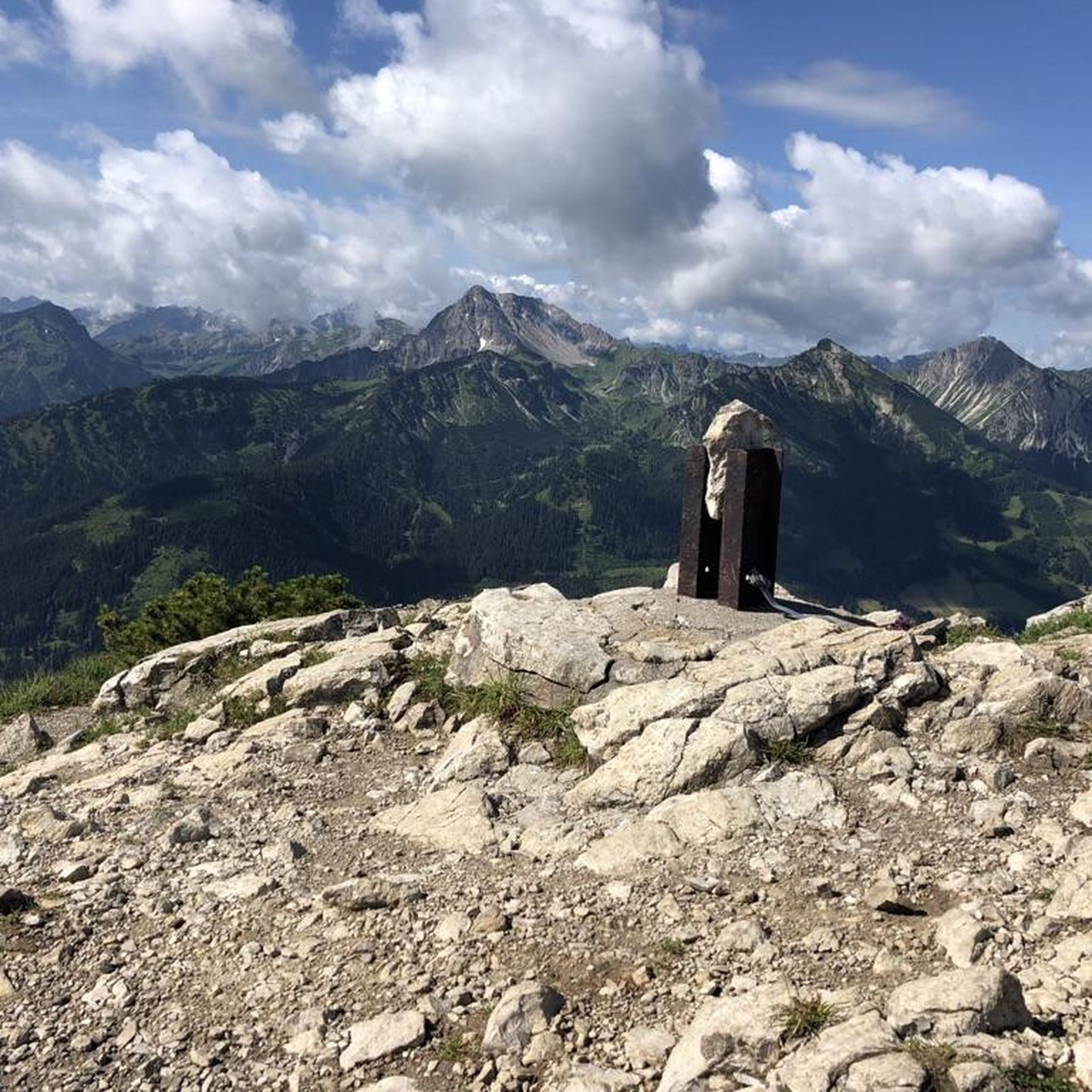
Hermitage of Santa María del Castillo (also known as the Hermitage of Santo Cristo or the Church of the Order of Saint John) in Castronuño: Located on Alto de la Muela, on the banks of the Duero River in Castronuño (Valladolid). A medieval building originally linked to the Military and Hospitaller Order of Saint John of Jerusalem, which established a commandery here.
4
0

You can cross over the dam without any danger, it is a road with little traffic...
0
1
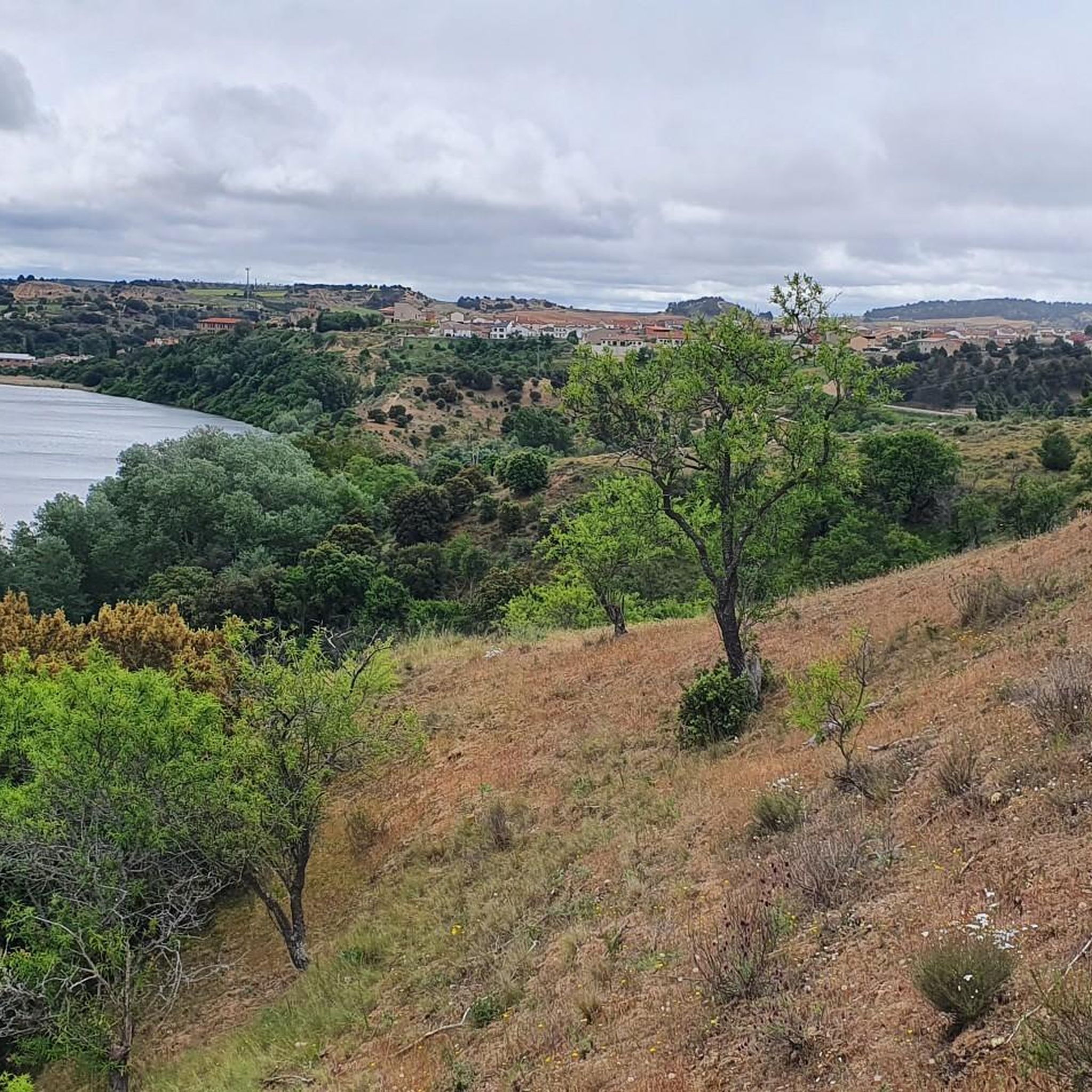
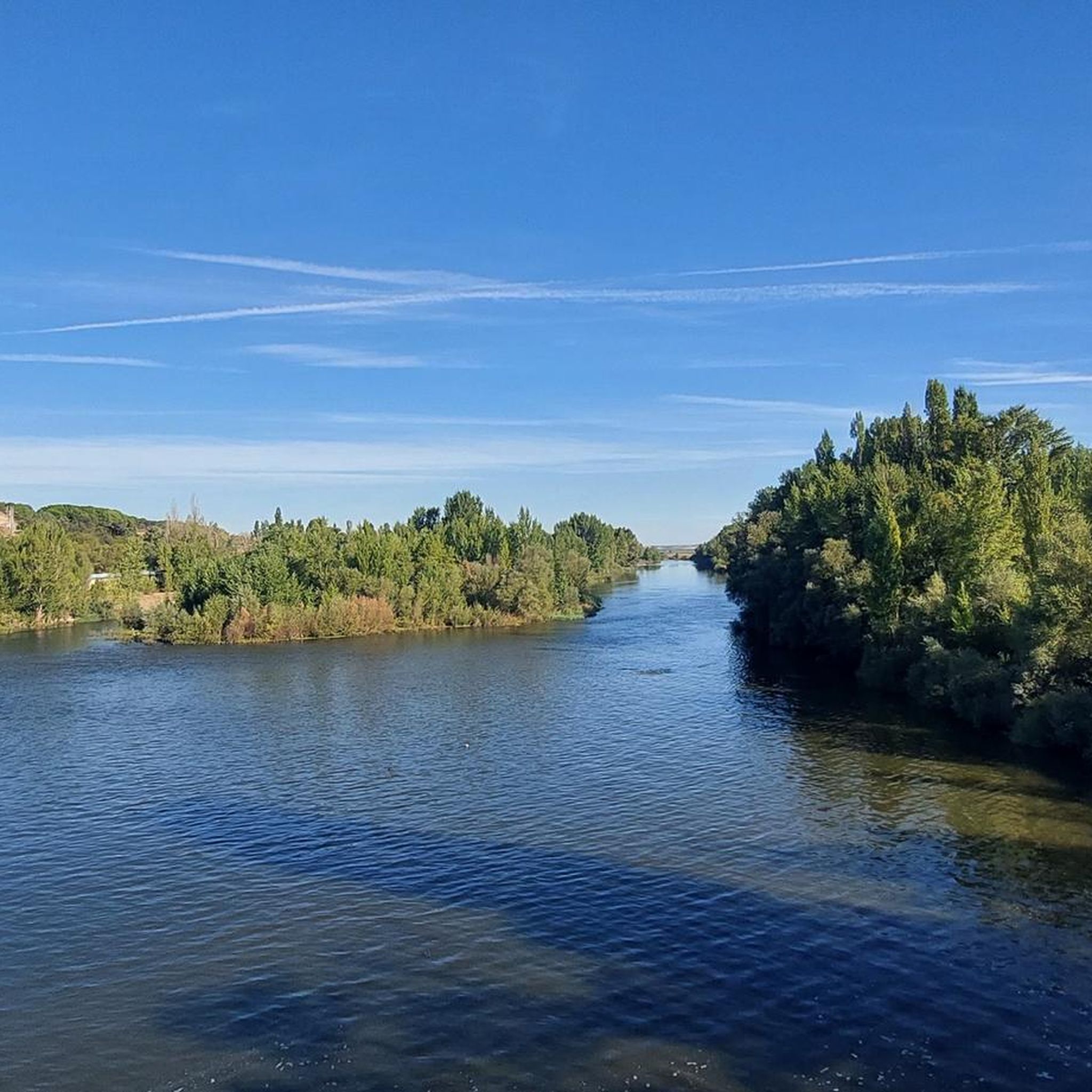
The San José Reservoir and Dam, also known as the Castronuño Dam, is a hydroelectric engineering project located in the middle course of the Duero River, about 2 km from the town of Castronuño. Built between 1941 and 1945, the dam is a gravity type and has a height of 14.05 metres.
6
0
The inspiration for the Collegiate Church came from the Cathedral of Zamora, and its design also influenced other buildings, such as the Old Cathedral of Salamanca. Construction began in the 12th century under the auspices of the kings of León. It is one of the most characteristic examples of Romanesque in its transitional phase. The works extended over an unusually long period, from the last third of the 12th century to the middle of the 13th. The collegiate church was built in two stages: the first included the side portals, walls and layouts, while the second focused on the roof and a dome with attached towers. If you ever have the opportunity to visit Toro, don't miss the opportunity to explore this wonderful collegiate church. It is a true historical treasure! 🌟
3
0
The Clock Tower, also known as the Clock Arch, is located in the walled area of Toro, in the province of Zamora, Spain. Its construction began in 1719 during the reign of Philip V and was completed nineteen years later. The design is attributed to architect Joaquín Churriguera. The tower is located above the old Market Gate, which dates back to the 15th century and surrounded the first walled area of the city. Its height allows it to be seen from any point in Toro. If you ever visit Toro, don't miss the opportunity to admire this historic tower and its clock. It is a true symbol of the city! 🕰️🌟
2
0
The Plaza Mayor de Toro is located halfway between the Collegiate Church and the Clock Tower. It is a typical Castilian square, surrounded by three-story houses with arcades and balconies with wrought iron bars. The ground floor of these houses are usually occupied by bars and restaurants. If you ever have the opportunity to visit Toro, be sure to stop by the Plaza Mayor and enjoy its lively and welcoming atmosphere. Have a good trip! 🌟
3
0

A nice little dam that allows you to get to the other side of the river. It also has very nice views of the landscape.
1
1
Frequently Asked Questions
What historical sites can I explore around San Román de Hornija?
The region is rich in history. You can visit the Parish Church of San Román Mártir, which stands on the site of a 7th-century Visigothic monastery and houses the sepulcher of King Chindasvinto. Another significant historical site is the Collegiate Church of Santa María la Mayor (Toro), a stunning Romanesque-Gothic church from the 12th-13th centuries. Don't miss the Hermitage of the Holy Christ of La Muela, a medieval building with ties to the Order of Saint John, offering views over the Duero River.
Are there any natural viewpoints or scenic spots in the area?
Absolutely. The most popular natural viewpoint is the View of the Duero River Meander from La Muela Park, which offers panoramic views of one of Europe's largest river meanders within the Riberas de Castronuño natural reserve. You can also enjoy views from the San José Dam, a hydroelectric project on the Duero River.
What outdoor activities are available near San Román de Hornija?
The area offers various outdoor activities, especially along the Duero and Hornija rivers. You can find numerous trails for hiking, running, and road cycling. For detailed routes, explore the Hiking around San Román De Hornija guide, the Running Trails around San Román De Hornija guide, or the Road Cycling Routes around San Román De Hornija guide.
Are there family-friendly attractions or activities?
Yes, several attractions are suitable for families. The View of the Duero River Meander from La Muela Park is a great spot for all ages to enjoy nature. The San José Dam also offers accessible paths, ideal for a family stroll or bike ride. Additionally, the Collegiate Church of Santa María la Mayor (Toro) and the Clock Tower of Toro are historical sites that can engage older children.
What is the best time to visit San Román de Hornija for outdoor activities?
The region experiences typical Valladolid province weather. Spring and autumn generally offer pleasant temperatures for hiking and cycling. Summer can be warm, but activities around the rivers like the Duero and Hornija, or in shaded areas like the Monte Cubillas holm oak forest, can still be enjoyable. Consider visiting during local festivities for a cultural experience.
Can I find easy walking trails or beginner hiking routes?
Yes, there are easy walking options. The Hiking around San Román De Hornija guide includes routes like the 'Almond Tree Trail' and 'Camino de Levante: Toro Loop' which are rated as easy. The gravel paths near the San José Dam are also suitable for leisurely walks.
What cultural heritage sites are there besides churches?
Beyond the prominent religious buildings, San Román de Hornija offers a glimpse into its cultural past. You can explore the
What cultural heritage sites are there besides churches?
Beyond the prominent religious buildings, San Román de Hornija offers a glimpse into its cultural past. You can explore the Museo del rey Chindasvinto within the Parish Church, which displays pre-Romanesque artifacts. The village also features an Escuela Museo del Ayer, providing insight into past educational practices, and a Barrio de Bodegas Tradicionales, showcasing the area's winemaking heritage.
Are there any unique local traditions or events?
San Román de Hornija is known for its vibrant local traditions. Key festivities include Semana Santa (Holy Week) with its Via Crucis procession, the 'Subida del Mayo,' and celebrations for San Isidro and San Juan. The main fiesta honors San Roque on August 16th, featuring bull runs, bullfights, and open-air dances. Traditional customs like 'La Cencerrada' and the historical 'Impuesto al forastero' also reflect the town's unique social history.
What kind of local cuisine can I expect to find?
The local cuisine features traditional dishes such as chanfaina, made with potatoes, blood, liver, chili, and pork. Given the region's winemaking heritage, you can also expect to find excellent local wines to accompany your meals.
What do visitors enjoy most about the attractions around San Román de Hornija?
Visitors particularly appreciate the stunning panoramic views from the View of the Duero River Meander from La Muela Park, often highlighting it as an impressive and idyllic spot. The historical significance and architectural beauty of sites like the Collegiate Church of Santa María la Mayor (Toro) are also highly valued, with many noting its impressive details and works of art.
Are there opportunities for cycling or mountain biking?
Yes, the area is suitable for cycling. The gravel path along the Duero River near the San José Dam is ideal for biking. For more structured routes, you can consult the Road Cycling Routes around San Román De Hornija guide, which includes various options, some extending to nearby towns like Toro and Zamora.
Where can I find information about parking or public transport to these attractions?
While specific parking areas for individual attractions are not detailed, most towns and villages in the region, including San Román de Hornija and nearby Toro, will have public parking available. Public transport options might be limited to local bus services connecting larger towns. It's advisable to check local transport schedules if you plan to rely on public transit.
Most popular routes around San Román De Hornija

Get inspired with the komoot mobile app


Explore more
Still not found the Highlight you’re looking for? See guides of the top attractions in other regions:
