Santa Cristina De La Polvorosa
Santa Cristina De La Polvorosa
The best road cycling routes around Santa Cristina De La Polvorosa
5.0
(8)
318
riders
40
rides
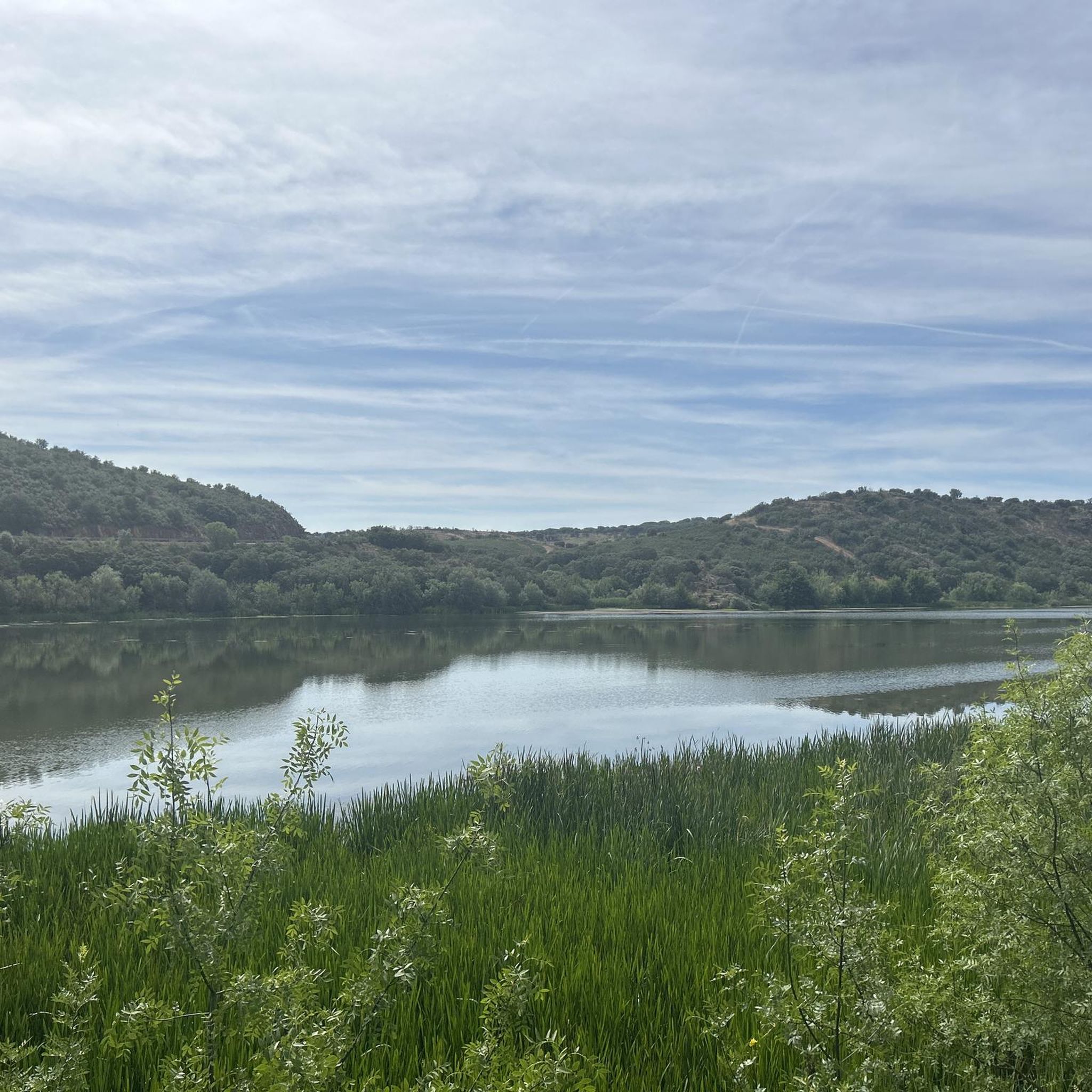
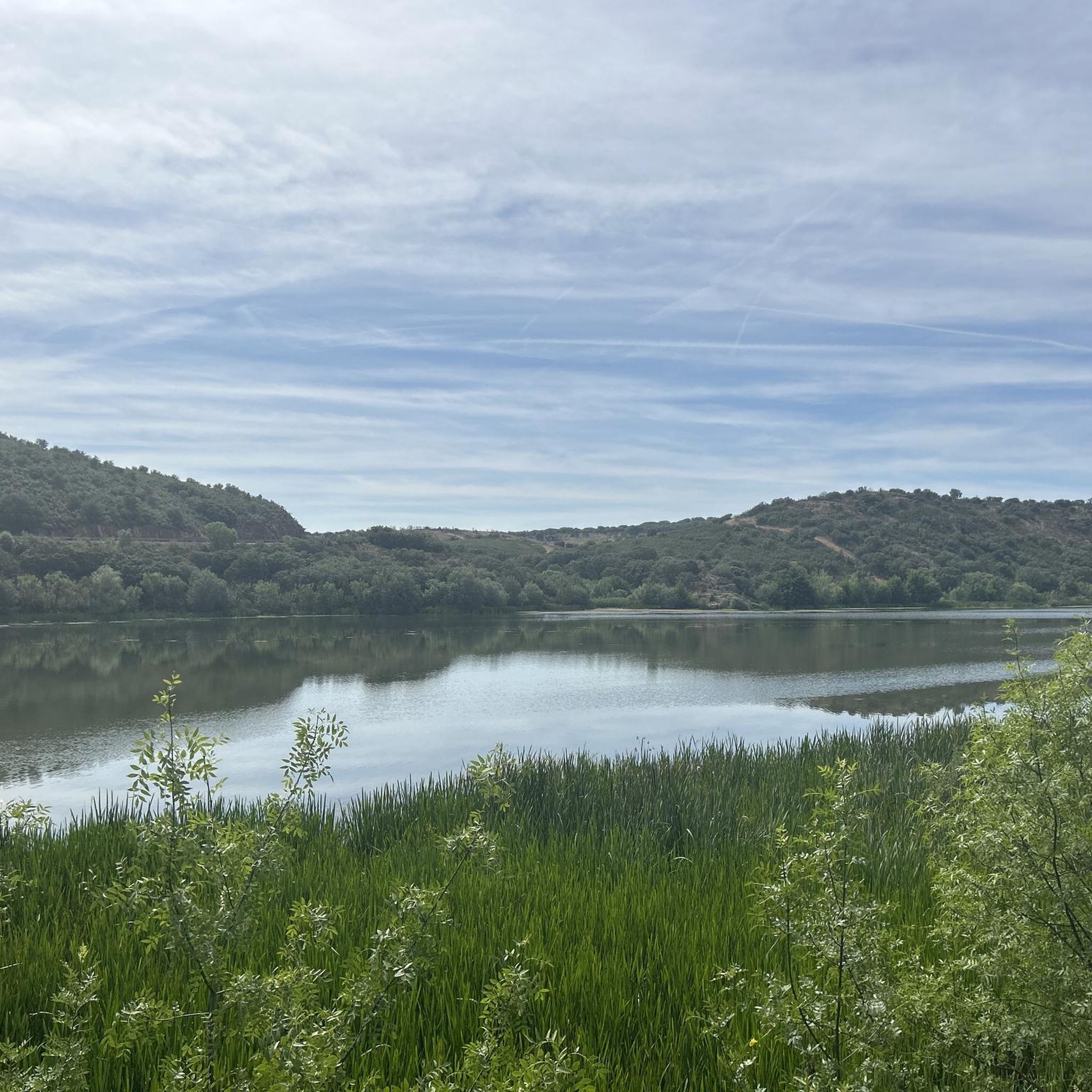
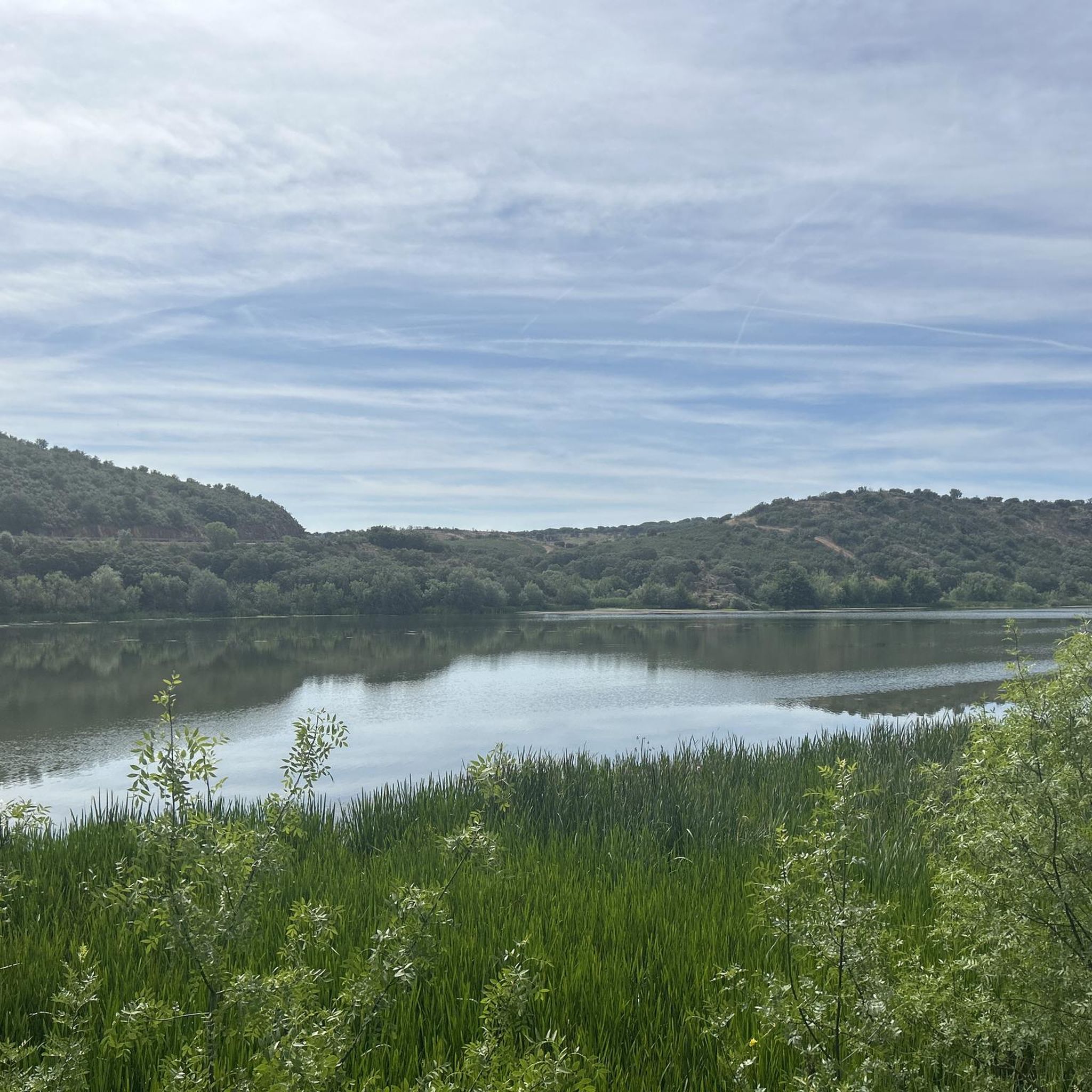
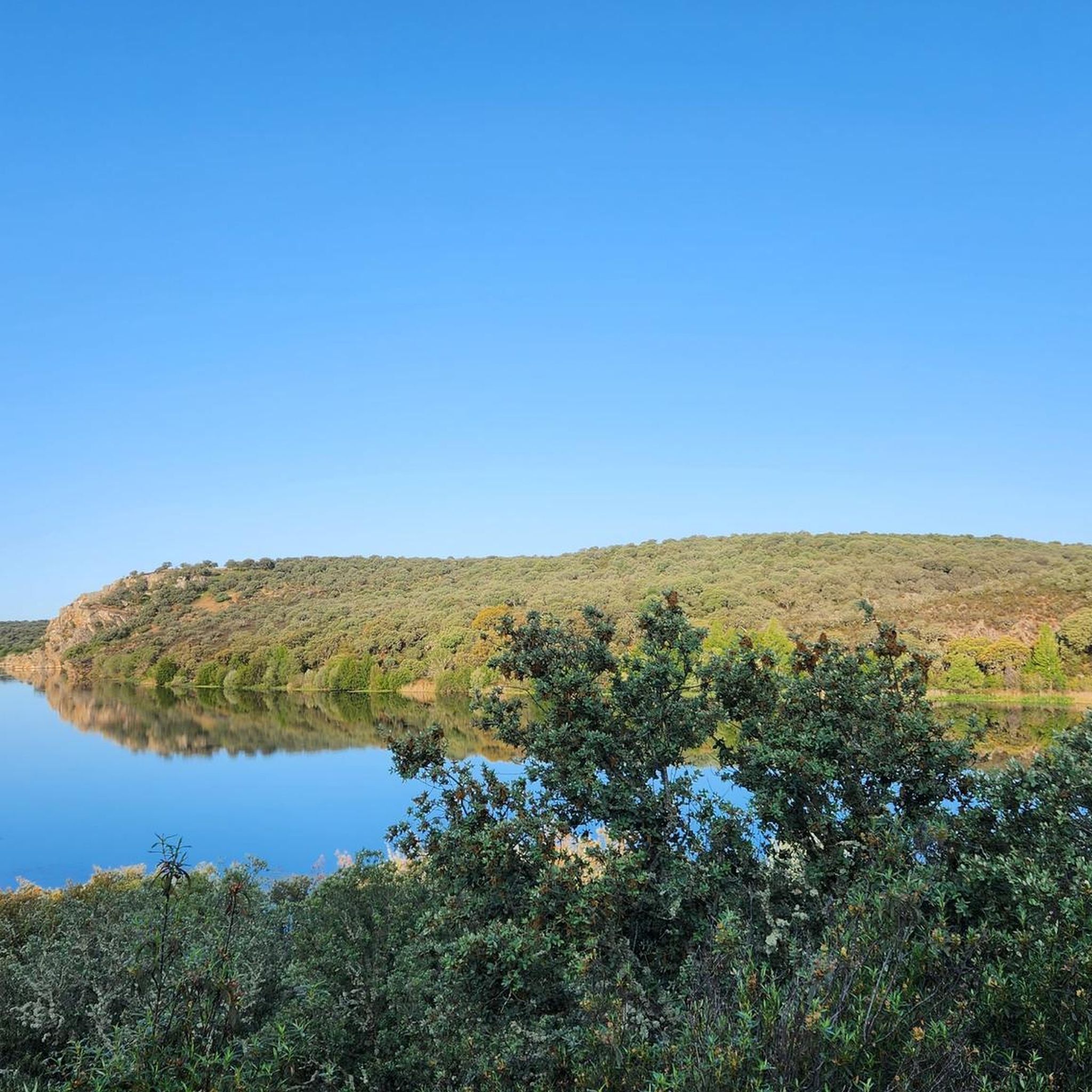
Road cycling routes around Santa Cristina De La Polvorosa are characterized by the fertile plains and tranquil landscapes shaped by the Órbigo River in the northeast of Zamora province, Spain. The terrain is generally flat, making it suitable for various cycling activities. The region also features repurposed railway lines, known as greenways, which offer dedicated paths for cyclists.
Best road cycling routes around Santa Cristina De La Polvorosa
- The most popular road cycling route is Benavente: Tera and Esla River…
Last updated: July 12, 2026
5.0
(1)
14
riders
68.5km
02:51
350m
350m
Moderate road ride. Good fitness required. Mostly well-paved surfaces and easy to ride.
8
riders
52.0km
02:10
210m
210m
Moderate road ride. Good fitness required. Mostly well-paved surfaces and easy to ride.

Sign up for free
3
riders
103km
04:07
340m
340m
Moderate road ride. Good fitness required. Mostly well-paved surfaces and easy to ride.
Hard road ride. Very good fitness required. Mostly well-paved surfaces and easy to ride.
5.0
(1)
19
riders
Moderate road ride. Good fitness required. Some segments of this route may be unpaved and difficult to ride.
Get access to more routes and recommendations from other explorers.
Sign up for free
Already have an account?
Our route recommendations are based on thousands of hikes, rides, and runs completed by other people on komoot.
Start today with a free account
Your next adventure awaits.
Login or Signup
Tips from the Community

Tábara is a Spanish municipality of about 830-950 inhabitants located in the province of Zamora, within the autonomous community of Castile and León. This small village stands at an altitude of 749 meters and is the capital of the Tierra de Tábara comarca. It represents a center of great historical-cultural importance, as well as being a fundamental stop for pilgrims traveling the Camino Sanabrésl
1
0

Tábara, located in the northwest of the province of Zamora (Castilla y León), is a town with a rich medieval history, a stunning natural setting, and a significant cultural heritage. Origins: These date back to the Bronze Age and Roman period. Middle Ages: It was an important monastic center with the Monastery of San Salvador de Tábara, founded by Saint Froilán in the 9th century at the behest of Alfonso III.
10
0

Monastery of Santa Marta de Tera, the oldest Romanesque church in Zamora and also one of the oldest in Spain. On the left side, hangs the oldest sculptural representation of St. James the Apostle in a pilgrim pose.
0
0

Beautiful landscape of agricultural fields right next to Lagunas de Villafáfila Natural Park.
0
0

A beautiful and charming church in the small town of Mózar on the banks of the Tera River.
1
0
In the historic center, the Church of Santa María del Azogue, from the 16th century, and in Gothic style, stands out as the main monument of Benavente.
1
0
A renovated castle and gardens rising above the public gardens below. The Parador hotel is one of the most visited monuments in Benavente.
1
0

Restored by the Hotel Parador, this 12th-century castle sits on top of a hill overlooking the surrounding landscape and botanical gardens below.
0
0
Frequently Asked Questions
How many road cycling routes are available in Santa Cristina De La Polvorosa?
There are nearly 40 road cycling routes around Santa Cristina De La Polvorosa, offering a variety of options for different skill levels. The komoot community has explored over 300 of these routes.
What is the typical terrain like for road cycling in this region?
The terrain around Santa Cristina De La Polvorosa is generally flat and fertile, shaped by the Órbigo River. This makes for pleasant riding conditions, though some routes might include gentle undulations. You'll find a mix of dedicated greenways and quiet country roads.
Are there routes suitable for beginners or those looking for an easier ride?
Yes, there are 8 easy road cycling routes available in the area. These routes are perfect for beginners or those seeking a more relaxed ride through the scenic plains and along the rivers.
What kind of elevation gain can I expect on road cycling routes here?
While the region is generally flat, some routes do feature moderate elevation changes. For example, the Benavente: Tera and Esla River Valleys Loop has an elevation gain of approximately 345 meters, while the more challenging Tábara, Sarracín de Aliste, Ferreras de Arriba, Morales del Rey — circular desde Benavente route involves over 1100 meters of climbing.
What are some scenic highlights I can expect to see along the road cycling routes?
Many routes offer views of the Órbigo River and its lush, poplar-lined groves. You can also encounter historical structures like the Bridge of the Vía Verde de la Plata, the distinctive Bridge over the Esla River with its wooden floor, and the Villanueva de Azoague Iron Bridge over the Tera River.
Are there any family-friendly cycling options in the area?
Yes, the region features several greenways (vías verdes), which are repurposed disused railway lines. These paths are generally flat, traffic-free, and ideal for family cycling, offering a safe and enjoyable experience for all ages.
What is the best time of year for road cycling in Santa Cristina De La Polvorosa?
The spring and autumn months typically offer the most pleasant weather for road cycling in Santa Cristina De La Polvorosa, with milder temperatures and less extreme heat than summer. These seasons also showcase the natural beauty of the riverine landscapes.
Are there circular road cycling routes available?
Yes, many of the routes are designed as loops, allowing you to start and finish in the same location. Examples include the popular Benavente and Villafáfila Lagoons Loop and the View of Castillo de Benavente – Santa Cristina de la Polvorosa loop from Benavente.
What historical landmarks can I explore while cycling?
Beyond the scenic bridges, the area has a rich Roman past, being part of the ancient Vía de la Plata. You can also visit the Church of Santa María del Azogue in Benavente, or the Parish Church of Santa Cristina with its distinctive octagonal tower in Santa Cristina de la Polvorosa itself.
What do other road cyclists enjoy most about cycling in Santa Cristina De La Polvorosa?
The area is highly rated by the komoot community, with an average score of 5.0 stars. Cyclists often praise the tranquil landscapes, the flat and fertile terrain ideal for road biking, and the well-maintained greenways that offer a pleasant riding experience.
Are there any routes that explore the river valleys?
Absolutely. The region is defined by its rivers. A great option is the Benavente – tour around Fuentes de Ropel and río Esla – Villafer, which specifically explores the area around Fuentes de Ropel and the Esla River, offering beautiful riverine scenery.
Most popular routes around Santa Cristina De La Polvorosa
Most popular attractions around Santa Cristina De La Polvorosa

Get inspired with the komoot mobile app


Explore more
Browse the best Road cycling routes in other regions.
