Attractions and Places To See around Adamuz - Top 20
Attractions and places to see around Adamuz are found in a village nestled in the foothills of the Sierra Morena in the north of Córdoba province, Spain. This area features a landscape of holm oaks, low mountains, and olive groves. Adamuz offers a mix of historical sites, cultural experiences, and natural beauty.
Best attractions and places to see around Adamuz
- The most popular attractions is Bridge over the Guadalquivir River, a bridge that was the site of the Battle of Alcolea in 1868. This battle led to the end of Queen Elizabeth II's reign.
- Another must-see spot is Piedra Horadada, a natural monument. This geological formation is notable for the hole beneath it and visible quartz and copper veins.
- Visitors also love Puente Mocho, a Roman bridge that was part of the ancient Via Augusta. It crosses the Guadalmellato River near its mouth in the Guadalquivir.
- Adamuz is known for its historical sites, natural monuments, and bridges. Visitors can explore a variety of attractions, from ancient Roman structures to significant geological formations.
- The attractions around Adamuz are appreciated by the komoot community, with 42 upvotes and 12 photos shared by visitors.
Last updated: June 22, 2026
Puente Mocho
Highlight • Bridge
Translated by Google •
Tip by

Villafranca Iron Bridge
Highlight • Bridge
Translated by Google •
Tip by

Sign up now to discover places like this
Get recommendations on the best single tracks, peaks, & plenty of other exciting outdoor places.
Sign up for free
Bridge over the Guadalquivir River
Highlight • Bridge
The battle of the bridge of Alcolea took place on September 28, 1868 and confronted the rebel military against Queen Elizabeth II and the royalist troops who remained faithful to her authority. It took place on a bridge (located on the Guadalquivir River) near the Cordovan neighborhood of Alcolea and the defeat of the royalist troops meant the end of the reign of Isabel II, who had to go into exile in France.
Translated by Google •
Tip by

Fountain in Montoro
Highlight • Monument
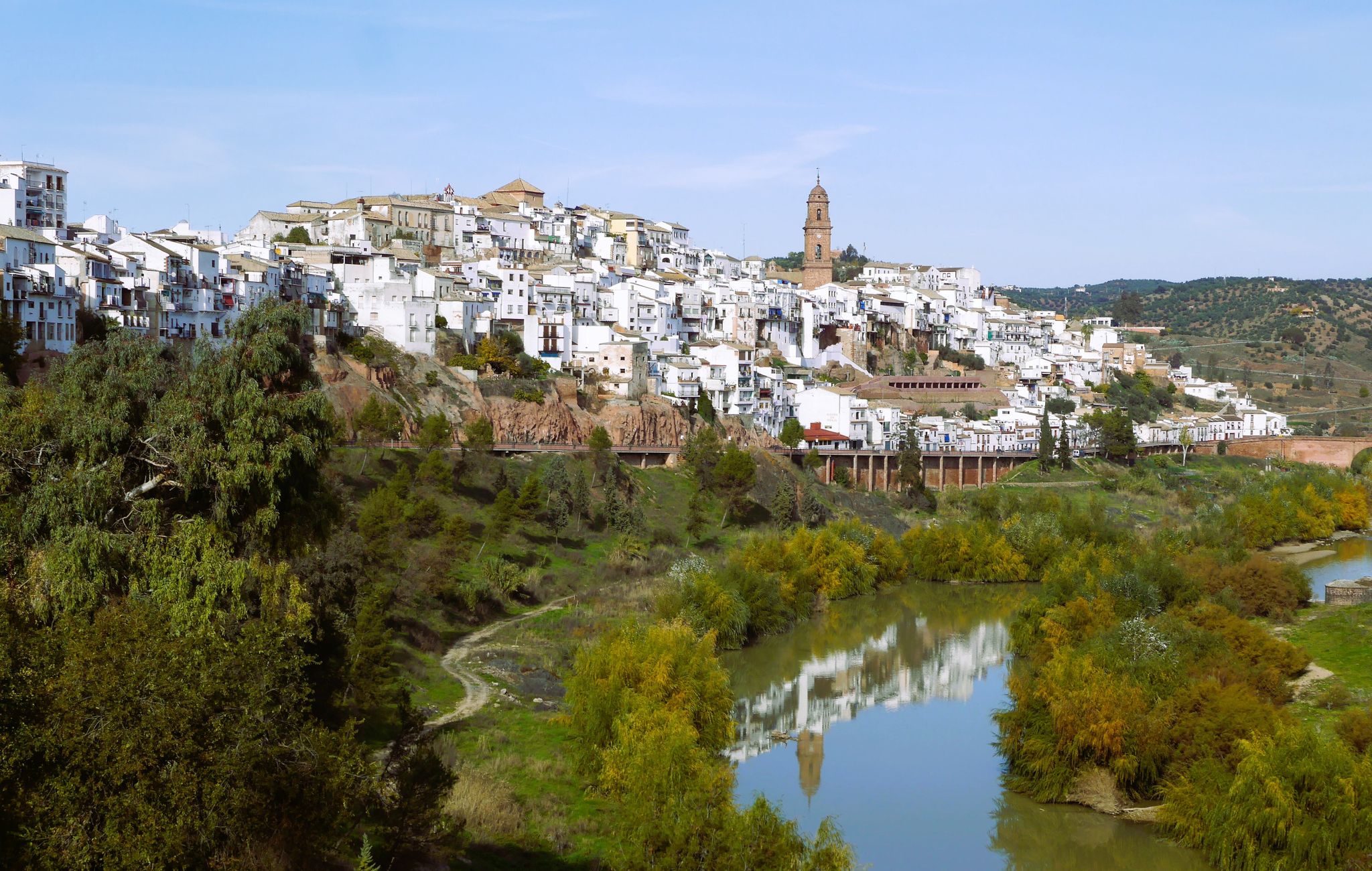
The first is part of the Sierra de Cardeña y Montoro Natural Park, and in it we can find vegetation of holm oaks, wild olive trees, stone and maritime pines and a population of melojo oak, rare in Andalusia. It is also an area of great fauna, hunting and livestock value. The second, which surrounds the town, is the axis of the landscape, life and history of the town; Due to the beauty of the meander, it is also known as the Andalusian Toledo. The third, populated by olive trees, places us in a truly Cordoba environment.
The town, with an Iberian, Greek, Roman, and Muslim past, is located on a small elevation that dominates the course of the river that divides it into two neighborhoods, offering an unmistakable image.
Declared a Historic-Artistic Site in 1969, it brings together a multitude of attractions and tourist attractions to visit, such as the bridge over the river, the Church of San Bartolomé, the Casa de las Tercias, its steep streets of white houses, or the Torre de Villaverde. Its Holy Week, declared of Tourist Interest, reaches its greatest splendor on the afternoon of Holy Thursday with the presence of the Roman Empire. It is one of the towns included in the Baético Romana Route.
Translated by Google •
Tip by

Guadalmellato Reservoir and Dam
Highlight • Lake
Translated by Google •
Tip by
Sign up for free to discover even more attractions around Adamuz.
Sign up for free
Already have an account?
Start today with a free account
Your next adventure awaits.
Login or Signup
Other adventures around Adamuz

Tips from the Community

A metal bridge crosses the Guadalquivir River on the outskirts of Villafranca de Córdoba. Built in the late 19th century, it is notable for its riveted iron structure, typical of the engineering of that era.
0
0

The Puente Mocho Bridge is located in Alcolea, within the municipality of Córdoba, and crosses the Guadalmellato River near its mouth in the Guadalquivir. It is a Roman bridge that was part of the Via Augusta, the great road that connected Cádiz with the Pyrenees via Córdoba.
4
0

The Puente Mocho Bridge connects the CH-1 highway with the CO-3103 highway, which will take us to the town of Villafranca de Córdoba. This route is popular with cyclists, as its paved road is in good condition and the low traffic of motor vehicles makes it very safe. The route is winding with continuous ups and downs, making it a perfect area for training.
0
0

Municipality located to the east of the province of Córdoba, on the border with Jaén. Most of it is located in the foothills of Sierra Morena, making the Guadalquivir River the border with the countryside. Therefore, the mountains, the river and the countryside are the three elements that determine the landscape. The first is part of the Sierra de Cardeña y Montoro Natural Park, and in it we can find vegetation of holm oaks, wild olive trees, stone and maritime pines and a population of melojo oak, rare in Andalusia. It is also an area of great fauna, hunting and livestock value. The second, which surrounds the town, is the axis of the landscape, life and history of the town; Due to the beauty of the meander, it is also known as the Andalusian Toledo. The third, populated by olive trees, places us in a truly Cordoba environment. The town, with an Iberian, Greek, Roman, and Muslim past, is located on a small elevation that dominates the course of the river that divides it into two neighborhoods, offering an unmistakable image. Declared a Historic-Artistic Site in 1969, it brings together a multitude of attractions and tourist attractions to visit, such as the bridge over the river, the Church of San Bartolomé, the Casa de las Tercias, its steep streets of white houses, or the Torre de Villaverde. Its Holy Week, declared of Tourist Interest, reaches its greatest splendor on the afternoon of Holy Thursday with the presence of the Roman Empire. It is one of the towns included in the Baético Romana Route.
0
0
Puente de los Remedios welcomes us to the town of Villafranca de Córdoba, this bridge crosses the Guadalquivir River, in the surroundings of this bridge there is a recreational area and a small pier.
0
0

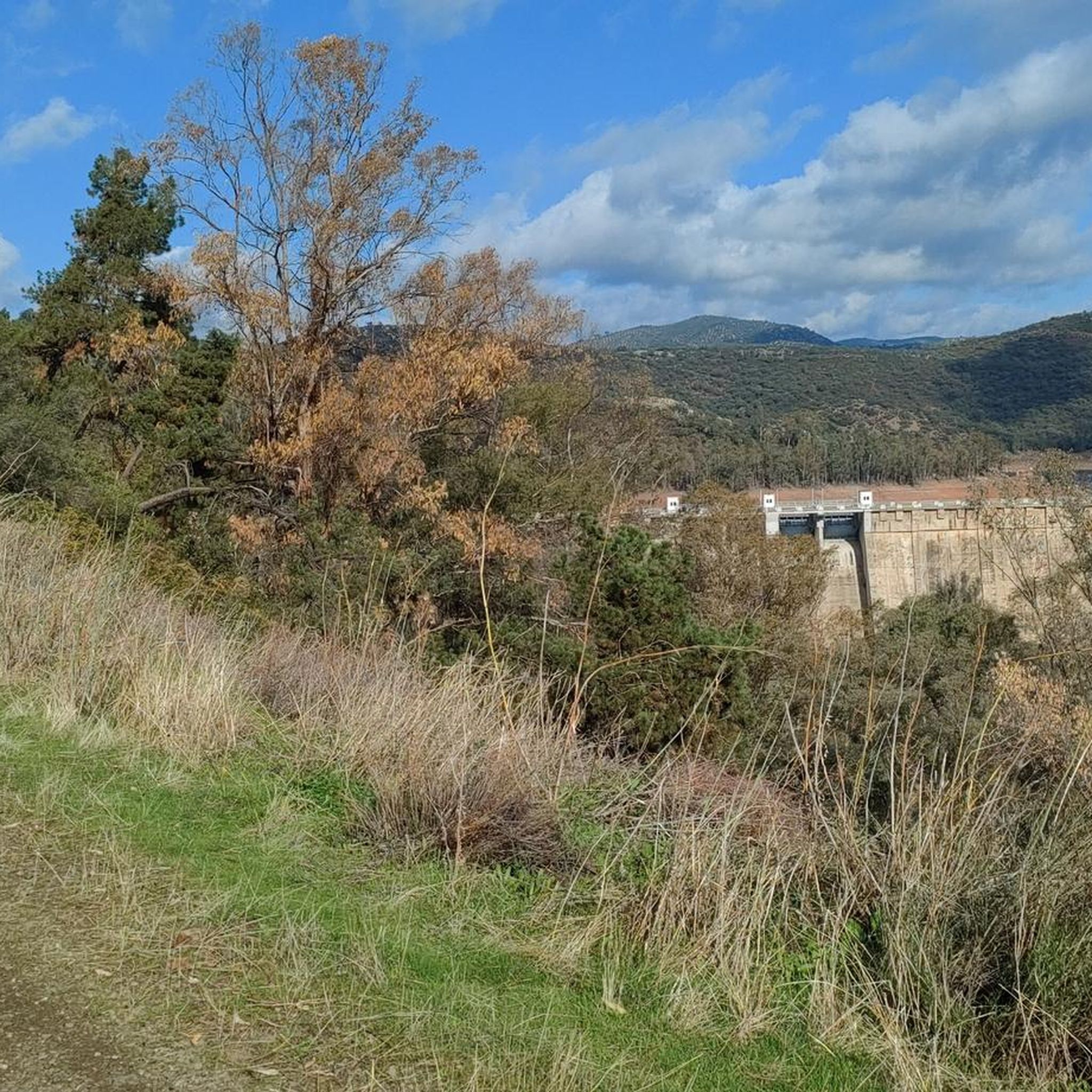
Due to the proximity of the dam to the city of Córdoba, its main function is supply. It was built in 1911 at the source of the Guadalmellato river, which flows into the Guadalquivir after more than 110 kilometers of travel.
2
0

Pedestrianized bridge that suffered damage during the Civil War and is still visible. That is why among the inhabitants of Villafranca the expression "to have more shots than the iron bridge" is common. Parallel to it runs the Puente de los Remedios, which replaced it for road traffic.
3
0
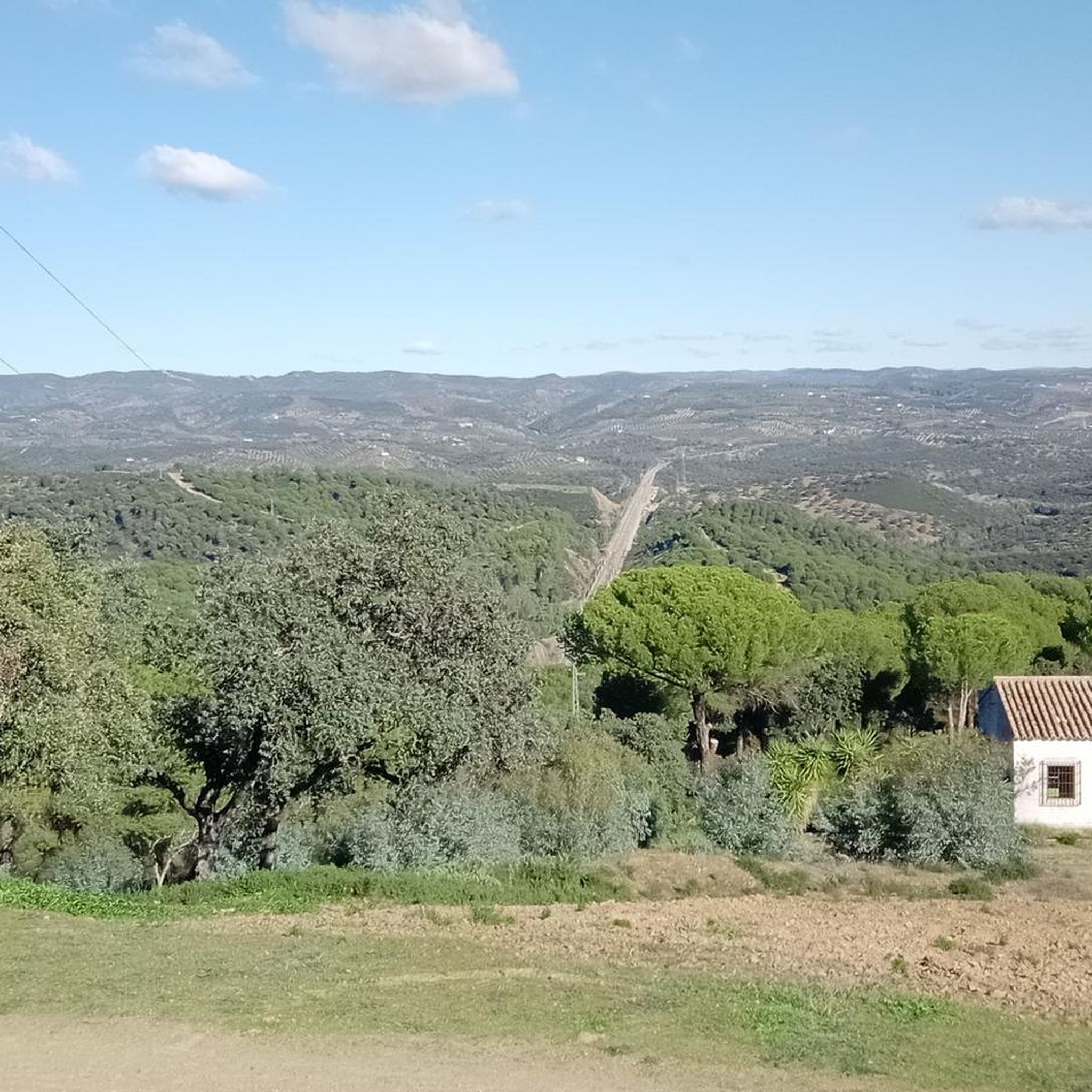
Very busy area for cyclists, very quiet road that connects Villafranca and Alcolea.
0
0
Frequently Asked Questions
What historical sites can I explore in Adamuz?
Adamuz is rich in history. You can visit the Clock Tower, the Renaissance Saint Michael's Church, and the 17th-century Oratorio de San Pío V. The Pósito de Adamuz, a former jail and granary, now serves cultural purposes. Don't miss the Camino Real de la Plata with its old family seats, and the Medieval Watering Trough built upon Roman structures.
Are there any natural monuments or scenic viewpoints in the area?
Yes, the area boasts several natural features and viewpoints. You can visit Piedra Horadada, a unique geological formation with visible quartz and copper veins. For panoramic views, head to the Mirador Astronómico de Montes Comunales or the Mirador de Sierra Morena. The Sierra Morena Foothills themselves offer beautiful landscapes of holm oaks and olive groves.
What outdoor activities are available near Adamuz?
The region around Adamuz is perfect for outdoor enthusiasts. You can enjoy hiking, cycling, and running. Explore various trails through the natural surroundings. For specific routes, check out the Hiking around Adamuz, Running Trails around Adamuz, and Road Cycling Routes around Adamuz guides.
Are there hiking trails suitable for different skill levels?
Yes, there are hiking trails for various abilities. For example, the Hiking around Adamuz guide lists routes like the 'Hiking loop from Villafranca de Córdoba' which is rated easy, while the 'Guadalquivir Meanders Trail' and 'Villafranca de Córdoba – Iron Bridge' are moderate. The area's landscape of low mountains and olive groves provides diverse terrain.
Can I find family-friendly attractions around Adamuz?
Absolutely. Many of the historical bridges are suitable for family visits, such as the Villafranca Iron Bridge and the Bridge over the Guadalquivir River, both noted as family-friendly. The natural areas like the Montes Comunales also offer pleasant walks for families.
What is the significance of the bridges near Adamuz?
The bridges near Adamuz hold significant historical importance. The Puente Mocho is a Roman bridge that was part of the ancient Via Augusta. The Bridge over the Guadalquivir River was the site of the Battle of Alcolea in 1868, which led to the end of Queen Elizabeth II's reign. The Villafranca Iron Bridge is a late 19th-century riveted iron structure, notable for its engineering and Civil War damage.
Where can I learn about the local history and archaeology of Adamuz?
To delve into the local history and archaeology, visit the Centro de Interpretación de la Historia de Adamuz. This center provides insights into archaeological findings from the Neolithic and Chalcolithic periods, including ceramics and tools from the Cueva del Cañaveralejo, which itself holds remains from the early Copper Age.
What kind of landscape can I expect to see in Adamuz?
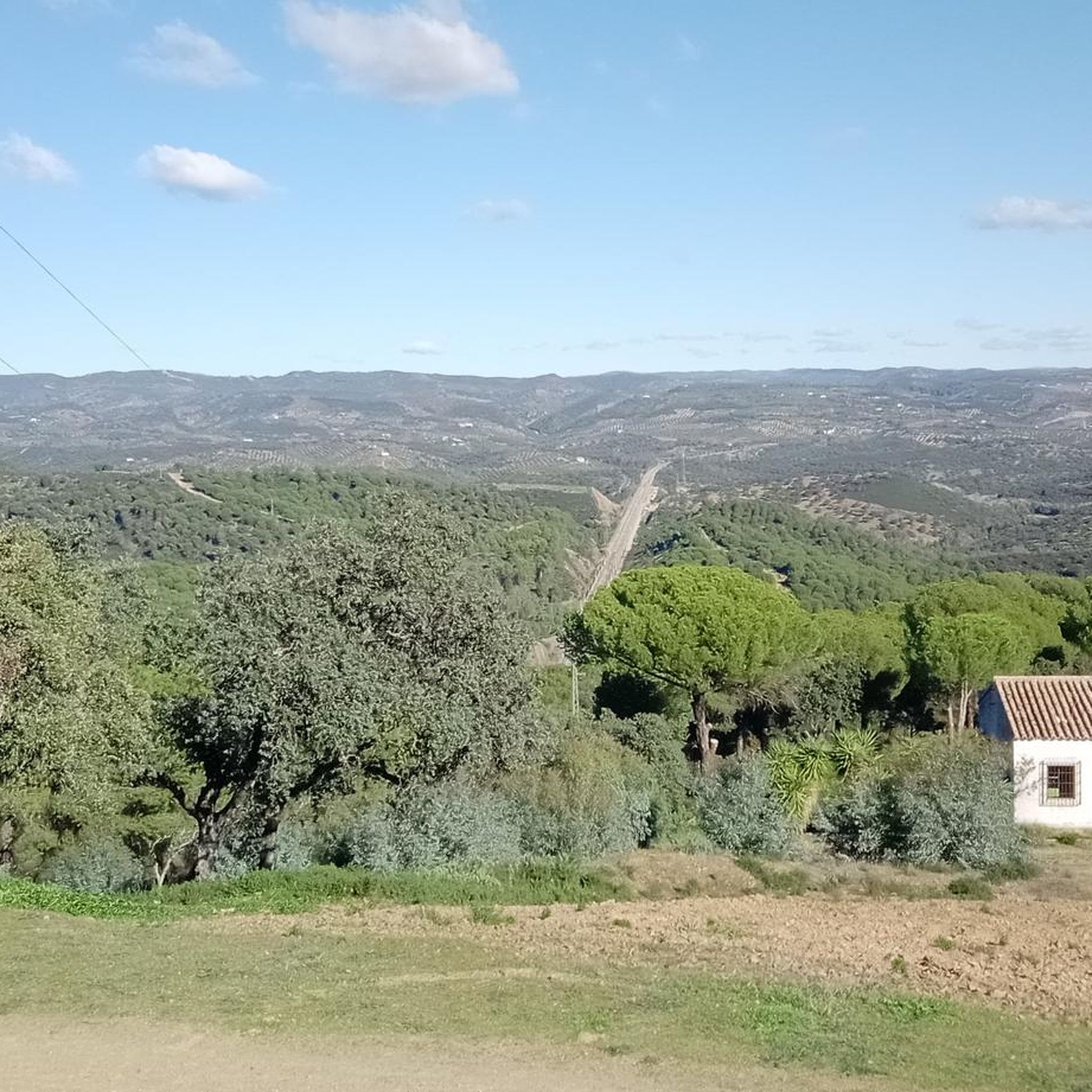
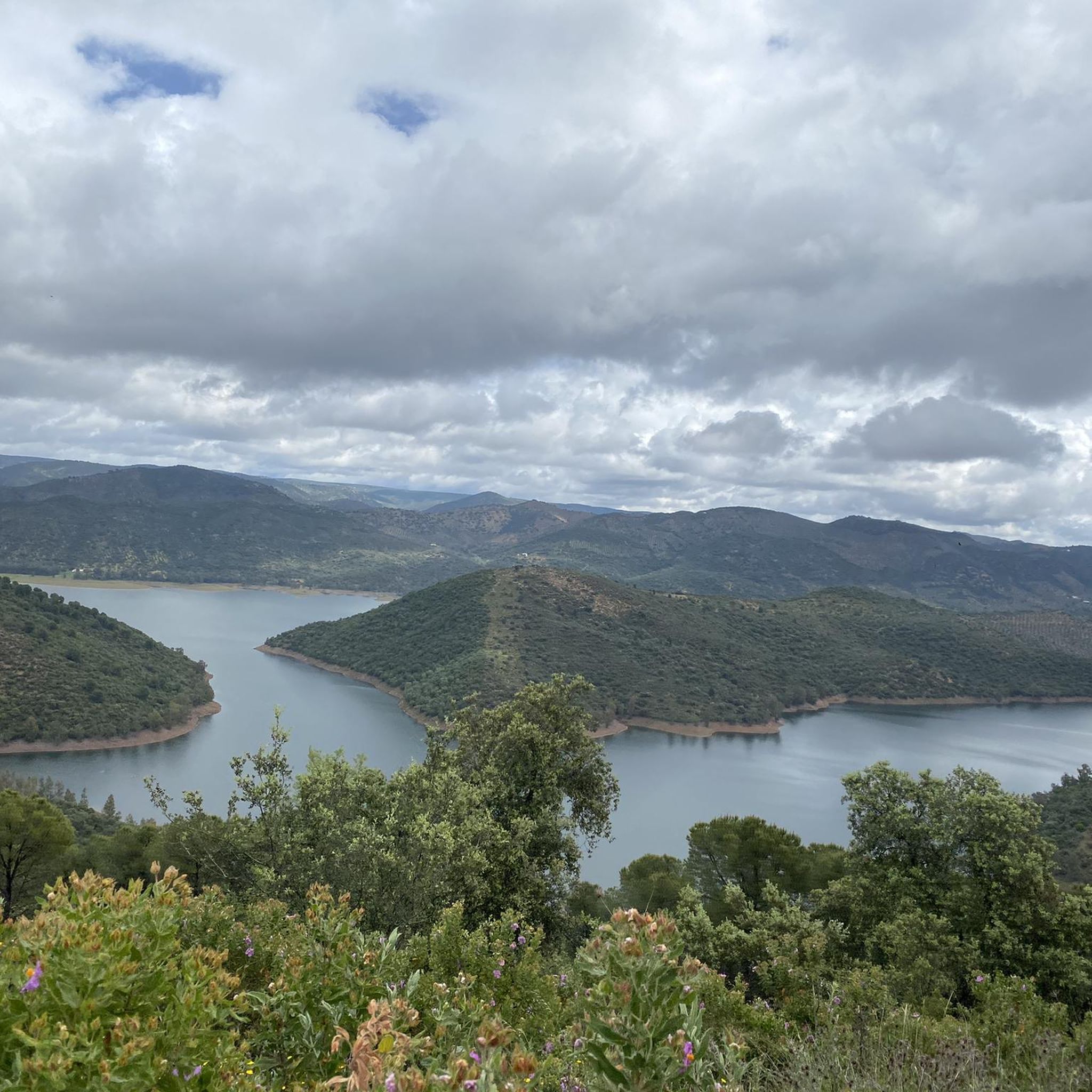
Adamuz is situated in the foothills of the Sierra Morena, offering a landscape characterized by holm oaks, low mountains, and extensive olive groves. A portion of the scenic Guadamellato Reservoir also lies within the village's boundaries, adding to the natural beauty.
What do visitors enjoy most about the attractions around Adamuz?
Visitors appreciate the blend of historical sites, natural beauty, and outdoor activity opportunities. The komoot community has given the attractions around Adamuz 42 upvotes and shared 12 photos, highlighting the appeal of ancient Roman structures, significant geological formations like Piedra Horadada, and the historical significance of bridges such as Bridge over the Guadalquivir River.
Are there any accessible attractions in Adamuz?
While many historical sites may have varying accessibility, the Fountain in Montoro is noted as wheelchair accessible. When planning your visit, it's always advisable to check specific accessibility details for each location.
What is the best time to visit Adamuz for outdoor activities?
Given its location in the Sierra Morena foothills and suitability for rural tourism, spring and autumn generally offer the most pleasant weather for outdoor activities like hiking and cycling. Temperatures are milder, making it ideal for exploring the natural landscapes and historical sites without the intense heat of summer.
Most popular attractions around Adamuz

Get inspired with the komoot mobile app


Explore more
Still not found the Highlight you’re looking for? See guides of the top attractions in other regions:
