The best walks and hikes around Titulcia
3.2
(13)
165
hikers
24
hikes
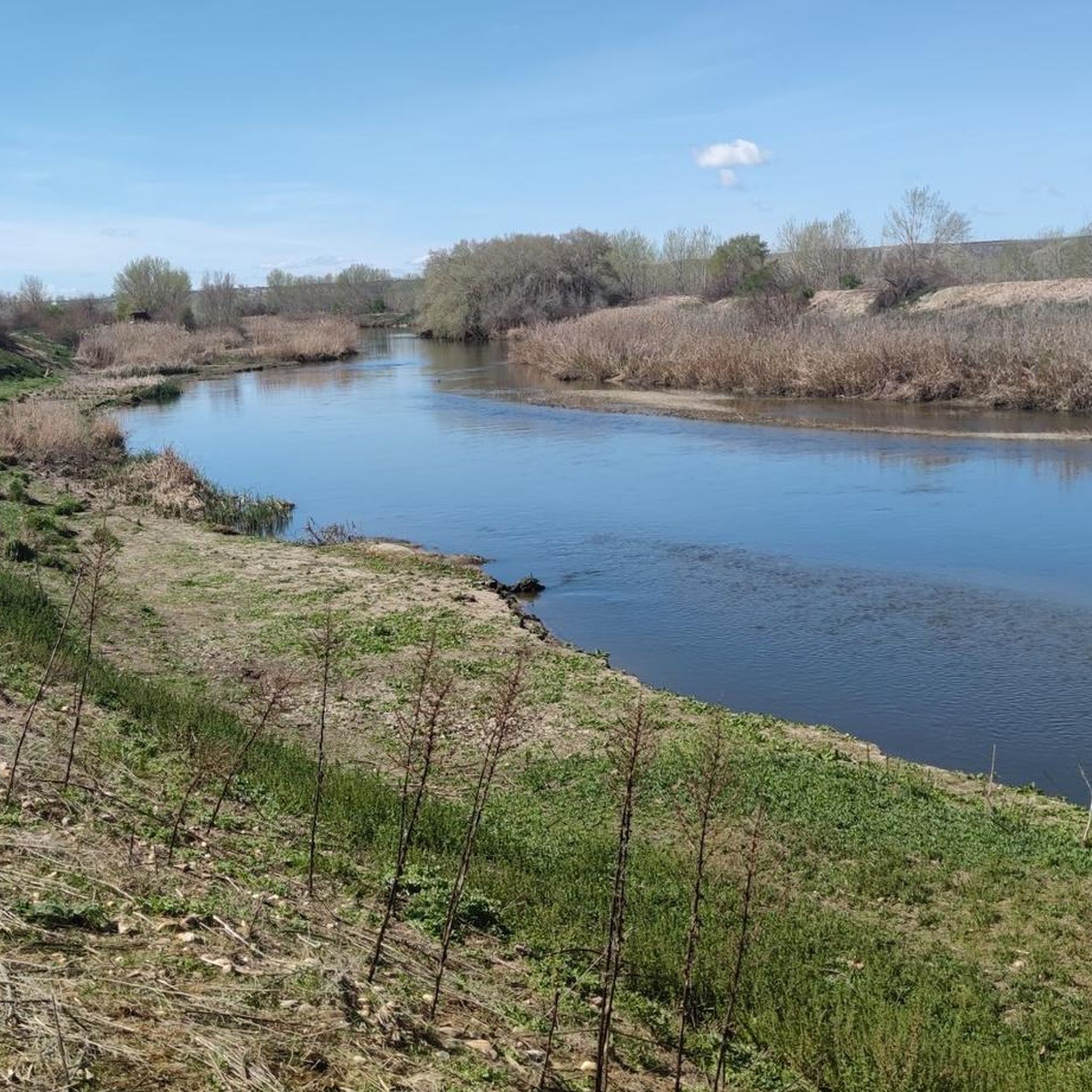
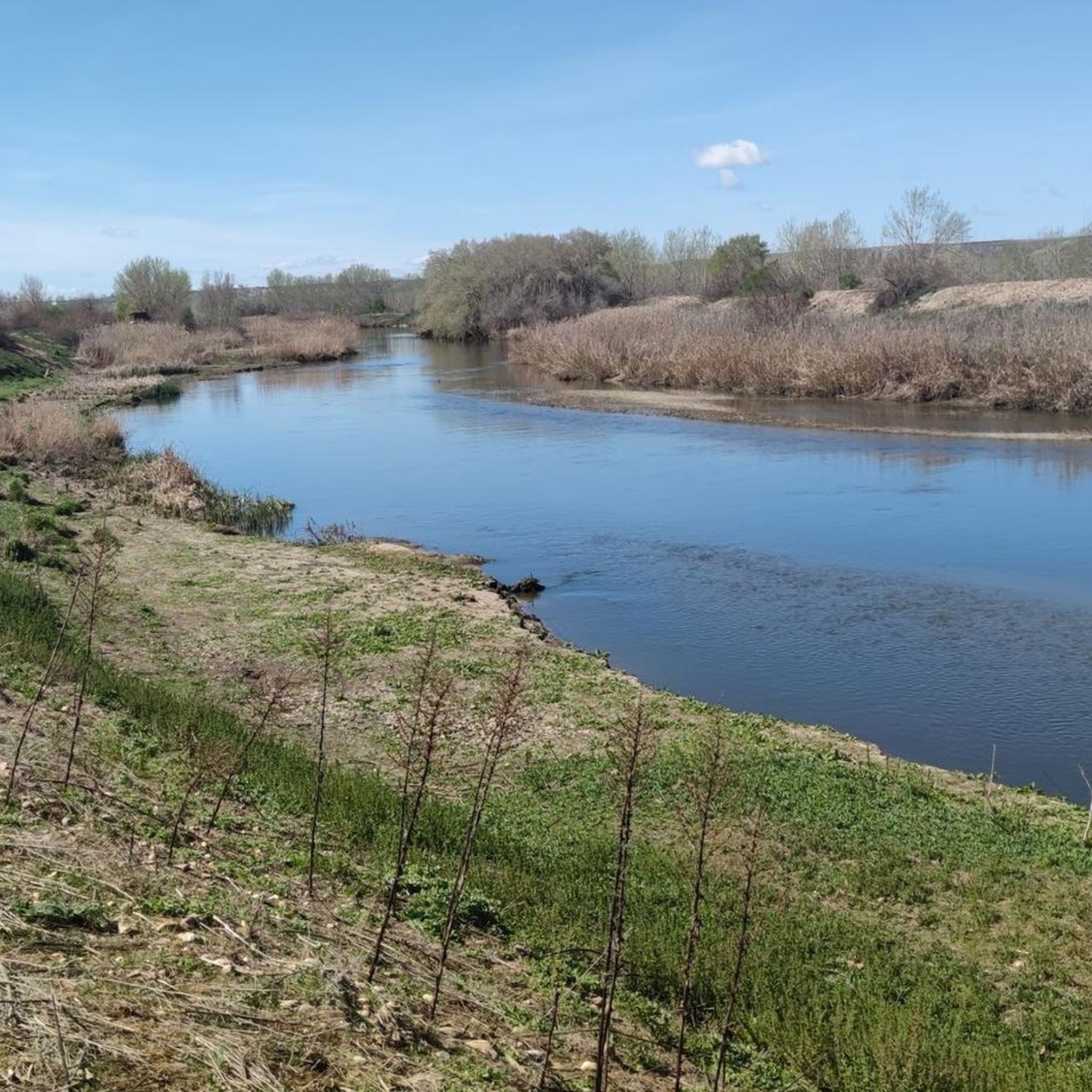
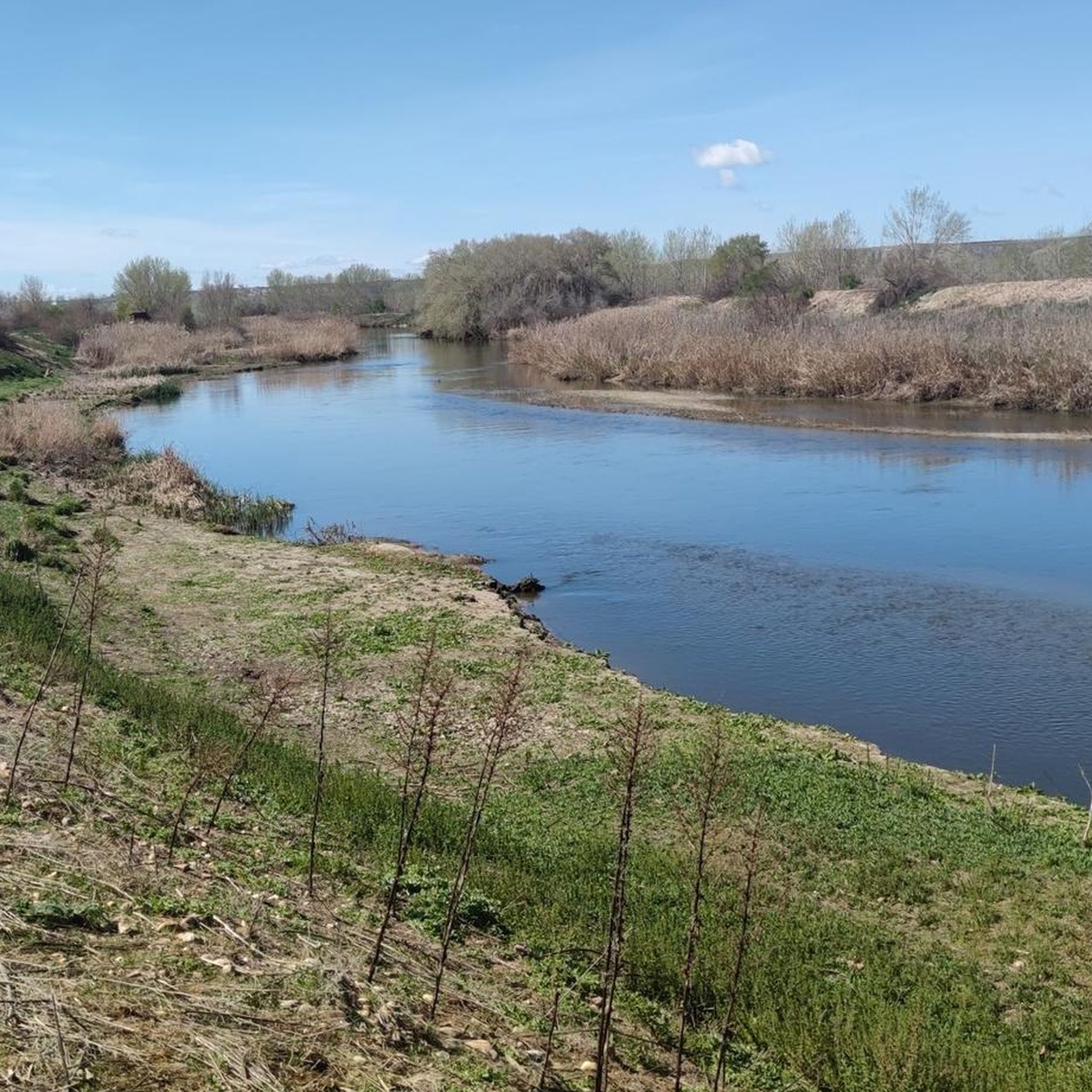
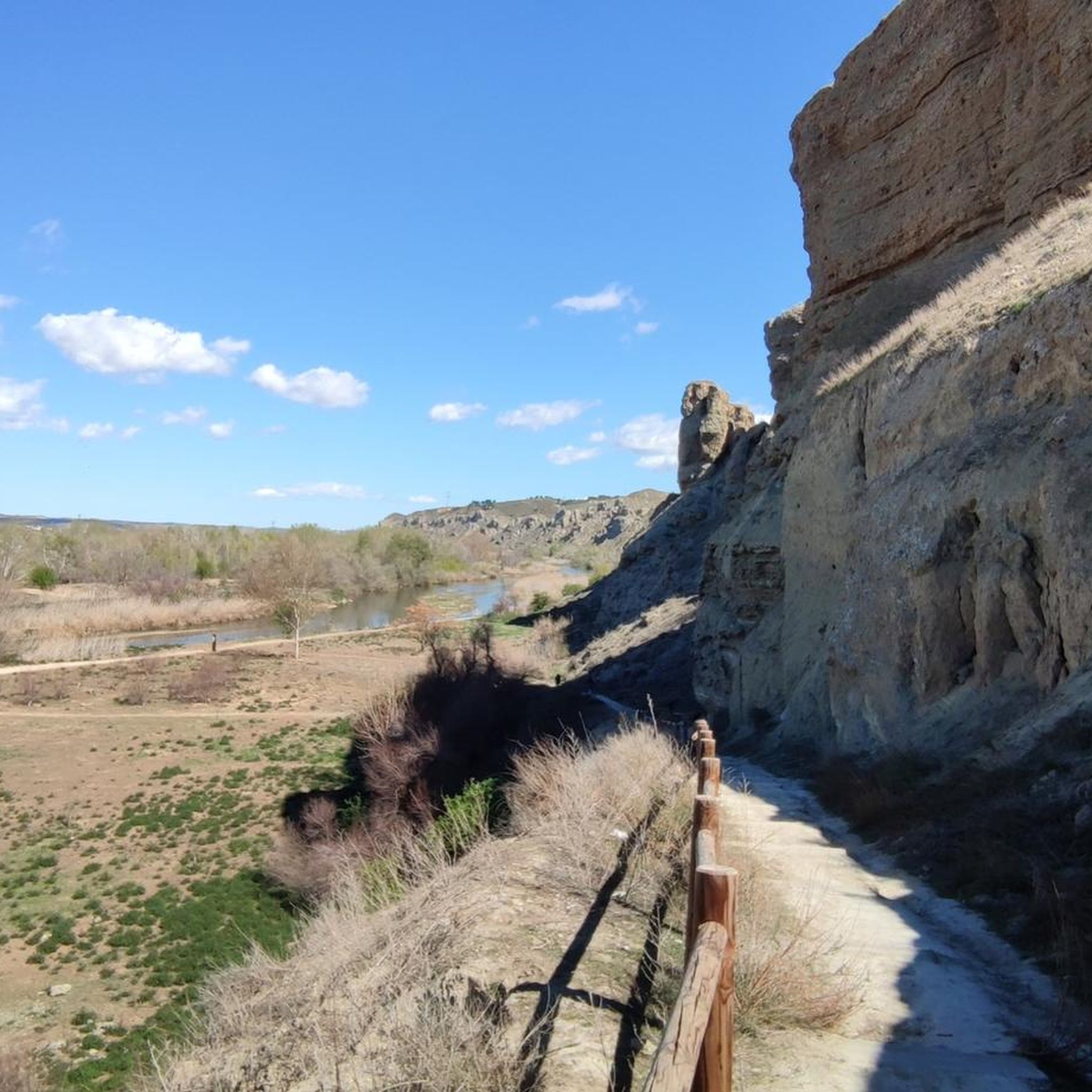
Hiking around Titulcia offers diverse landscapes within the Regional Park of the Southeast, characterized by the confluence of the Jarama and Tajuña rivers. The terrain includes fertile plains, gypsum cliffs known as "Los Cortados," and expansive steppe hills. Significant natural features include the Laguna de San Juan wetland and well-preserved riparian forests.
Best hiking trails around Titulcia
- The most popular hiking route is Barranco de Picote – circular from Titulcia via the Jarama river, a 3.1 miles (5.0 km)…
Last updated: June 25, 2026
4.7
(6)
35
hikers
5.01km
01:21
60m
60m
Easy hike. Great for any fitness level. Easily-accessible paths. Suitable for all skill levels.
4.0
(1)
24
hikers
15.7km
04:37
300m
300m
Moderate hike. Good fitness required. Mostly accessible paths. Sure-footedness required.

Sign up for free
4.0
(1)
17
hikers
18.8km
05:36
420m
420m
Hard hike. Very good fitness required. Mostly accessible paths. Sure-footedness required.
1.0
(1)
4
hikers
Easy hike. Great for any fitness level. Easily-accessible paths. Suitable for all skill levels.
7
hikers
4.47km
01:14
70m
70m
Easy hike. Great for any fitness level. Easily-accessible paths. Suitable for all skill levels.
Get access to more routes and recommendations from other explorers.
Sign up for free
Already have an account?
Our route recommendations are based on thousands of hikes, rides, and runs completed by other people on komoot.
Start today with a free account
Your next adventure awaits.
Login or Signup

Tips from the Community

Several pleasant breakfast bars, a good option for bikers or cyclists, and the old iron bridge over the Jarama is beautiful...
0
0

Aljezar comes from the Arabic word "al jez", which means gypsum hill, gypsum quarry or territory where gypsum mineral is abundant. In botany, the complex and select ecosystem concentrated in the gypsum hills or gypsum cliffs that appear associated with the slopes and moors of the Miocene near the river plains is known as gypsum scrub or aljezar. The slopes of the Jarama are lands with little evolved soils, little capacity to retain water and steep slopes exposed to erosion. The landscapes of the Regional Park of the Southeast are characterized by showing a rich and varied geological diversity in short distances, converting the environment of the protected area into a suggestive selection of dynamic and changing natural scenarios.
0
0
The vegetation that adorns the steep earthy slopes of the Jarama valley is an exhibition of ingenious botanical adaptations to survive in the aljezares characteristic of the vegas of the southeast of Madrid. The esparto grass plants form large clumps of long, smooth leaves with a very dense and closed stem that conserves moisture inside. The austere jabuna has a woody appearance, the stems are very thin and do not exhibit striking colours that require a high consumption of energy, except during the flowering period. Another common plant in the cuts is the ontina or artemisia, used in popular medicine as an anti-diabetic, vermifuge and tonic, it develops thorns and discreet colours to avoid excessive transpiration. One of the most striking plants is the mignonette, which produces long and twisted stems. There are also thymes, rosemary scales and Syrian rue, which defend themselves from the xerophilous environment with a reduced leaf surface and scaly leaves.
0
0
The Romans were at a strategic crossroads. The main axis of the old pastoral and commercial routes in the southeast of Madrid was the Cordel de la Galiana, a route designed centuries ago by the Romans to connect the pastures of the plateaus of the Central System with the Mediterranean, probably used by Hannibal to return to Cartagena after the Salamanca campaign in 217 BC. The terraced distribution of the streets on the slope of a hill, formerly known as Cerro de Venus and currently Cerrón, has the appearance of an ancient medieval village, there are even remains in the town of a fortress linked to the Templars. The only remains of the old town of Titulcia that are preserved are part of the parish church and several balconied facades in the Plaza Mayor, the rest were destroyed in the Civil War. The current whitewashed and shiny houses were rebuilt in later years and offer a fairly uniform and modern appearance. In the 19th century the place was called Bayona de Tajuña, derived from the Basque word ibay ona (place next to a good river), from the times of repopulation by people from the north, but it was changed to Titulcia by royal decree of Ferdinand VII, in 1815, who spent the summer in Aranjuez and did not want to hear the name of the city where he had been imprisoned for six years, the French Bayonne.
0
0
The best times to observe birds are early in the morning, before the birds that sleep in the lagoon go out in search of food, and at dusk, when the birds that spend the day fluttering around the fields and plains of the Tajuña return to spend the night. With luck, suitable equipment, patience and knowledge of the habits of birds, you can see coots, grebes, white-rumped grebes, moorhens, grey herons, mallards, red-crested pochard and various reptiles such as the ocellated lizard and the common grass snake, among many others. In summer, it is easy to observe the bee-eater, little bittern, sand martin, reed warbler, great reed warbler and purple heron in the area around the lagoon and the surrounding steppe mountains.
0
0

Spectacular panorama that should not be missed even if we are in a hurry. Here you have to stop and look!
3
0

From the Titulcia cliffs, if you look up towards San Martín de la Vega, you can see spectacular views of the Jarama riverbed.
3
0
At this point on the path of La Blanca, at the height of the San Juan lagoons, there is a viewpoint frequented by bird lovers. It is a perfect point to see the fauna that inhabits this seasonal wetland.
0
0
Frequently Asked Questions
How many hiking trails are available in Titulcia?
Titulcia offers a diverse range of over 25 hiking trails, catering to various skill levels. You'll find everything from easy strolls to more challenging expeditions within the Regional Park of the Southeast.
Are there easy hiking options suitable for families or beginners in Titulcia?
Yes, Titulcia has 13 easy routes perfect for families or those new to hiking. An excellent option is the Barranco de Picote – circular from Titulcia via the Jarama river, an easy 5 km trail along the river. Another accessible choice is the Laguna de San Juan – Steppe Hills of the Tajuña loop from Refugio de Fauna Laguna de San Juan, which is also rated easy.
What natural features or landmarks can I expect to see on hikes around Titulcia?
Hiking in Titulcia offers views of diverse natural features. You can explore the dramatic gypsum cliffs known as "Los Cortados," the fertile plains at the confluence of the Jarama and Tajuña rivers, and the significant wetland of Laguna de San Juan. Keep an eye out for highlights like the Birdwatching Hide at San Juan Lagoons or the scenic Laguna de San Juan itself.
Are there any circular hiking routes in Titulcia?
Yes, many of Titulcia's trails are circular, allowing you to start and end in the same location. For an easy option, consider the Barranco de Picote – circular from Titulcia via the Jarama river. For a more challenging loop with extensive views, try the Titulcia Main Square – Views of the Jarama loop from Titulcia.
What do other hikers enjoy most about the trails in Titulcia?
The hiking trails in Titulcia are highly regarded by the komoot community, with an average score of 3.2 stars. Hikers often praise the diverse landscapes, including riparian forests, gypsum cliffs, and steppe hills, as well as the variety of options from easy riverside walks to more demanding expeditions.
Can I bring my dog on the hiking trails in Titulcia?
The Regional Park of the Southeast, where Titulcia is located, generally welcomes dogs, especially on trails like the Senda Galiana - Titulcia. It's always advisable to keep dogs on a leash and respect local regulations, particularly in protected areas or near wildlife habitats.
Are there any challenging hikes for experienced trekkers in Titulcia?
Yes, for experienced hikers seeking a challenge, Titulcia offers at least one difficult route. The Views of the Jarama – Titulcia Main Square loop from Titulcia is a demanding 19.1 km trail that leads through river valleys and elevated viewpoints, typically taking over 5 hours to complete.
What is the best time of year to go hiking in Titulcia?
Titulcia's diverse landscapes can be enjoyed throughout much of the year. Spring and autumn generally offer the most pleasant temperatures for hiking. Summers can be hot, making early mornings or late afternoons preferable, while winters are mild but can be damp along the river areas.
Are there opportunities for birdwatching along the trails?
Absolutely. Titulcia is situated within the Regional Park of the Southeast, a prime location for birdwatching. Areas like Soto Bayona, along the Jarama River, are known to host over 120 different bird species. You can visit the Birdwatching Hide at San Juan Lagoons for dedicated observation.
What kind of terrain can I expect on the trails in Titulcia?
The terrain around Titulcia is quite varied. You'll encounter fertile plains, well-preserved riparian forests along the Jarama and Tajuña rivers, dramatic gypsum cliffs, and expansive steppe hills. This diversity provides a range of walking surfaces and scenic backdrops for your hike.
Are there any historical or cultural points of interest integrated into the hiking routes?
Yes, some routes in Titulcia trace ancient paths, such as sections of the "Camino de Guadalupe," which were used by Romans and Arabs. Hikers may also come across historical remnants like bunkers from the Battle of Jarama along certain trails, blending natural exploration with cultural heritage.
Most popular attractions around Titulcia

Get inspired with the komoot mobile app


Explore more
Browse the best Hikes in other regions.
