The best running trails around Cuacos De Yuste
99
runners
25
runs
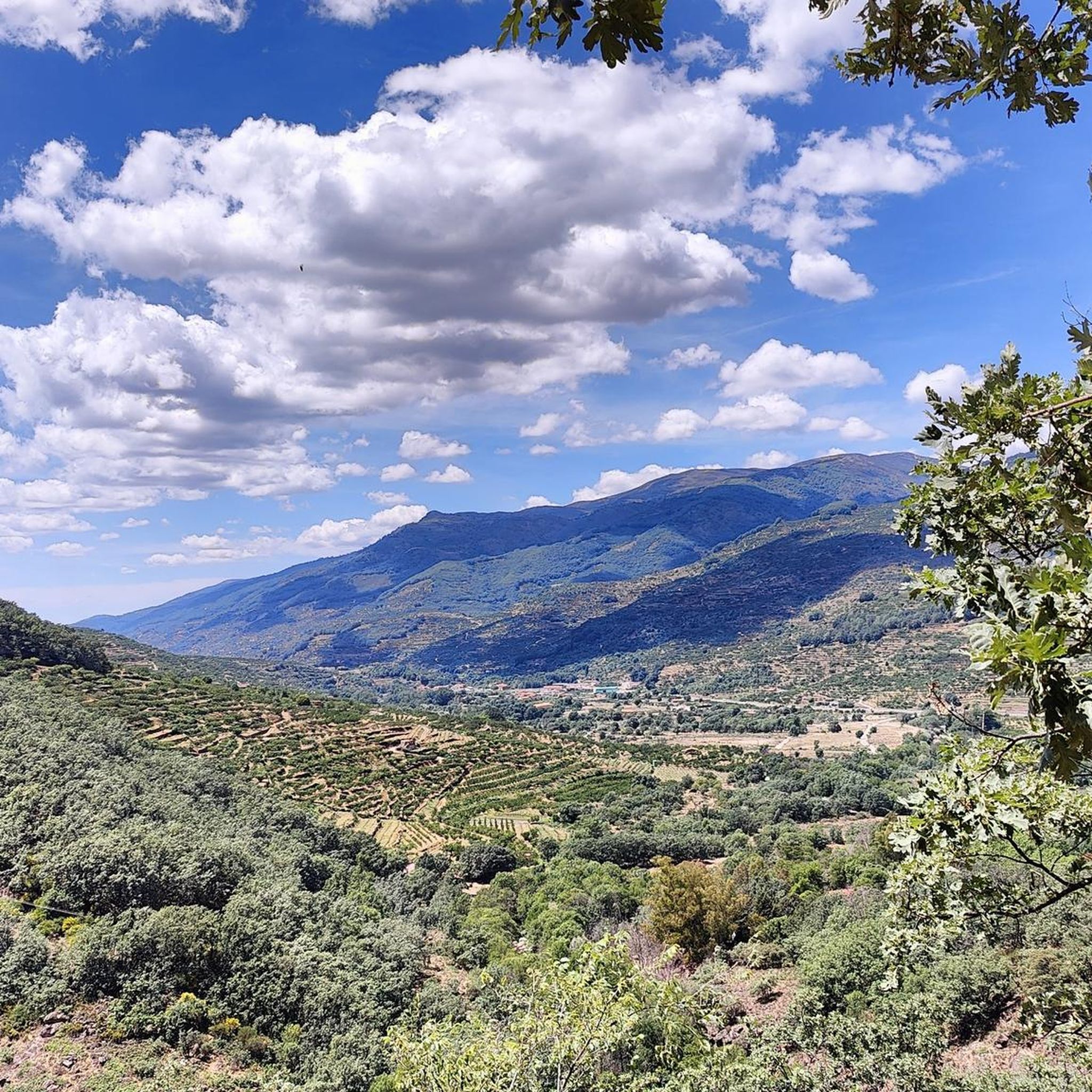
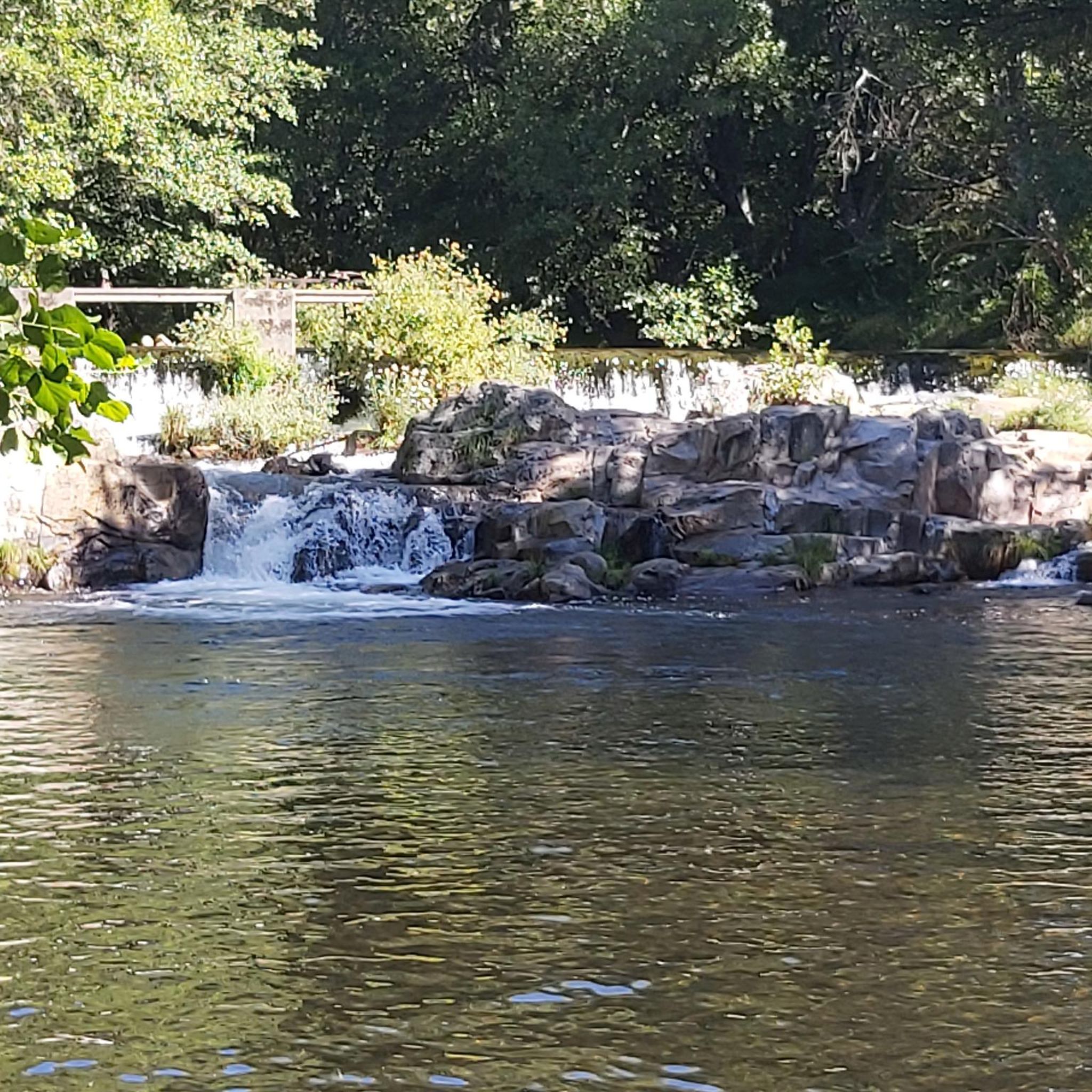
Jogging around Cuacos De Yuste offers a diverse and engaging environment for runners. The region, nestled in the province of Cáceres, is characterized by lush greenery, mountainous terrain, and abundant water features. Runners can explore routes alongside crystal-clear streams, impressive gorges, and through deciduous woods, providing varied surfaces from compacted earth to granite paving. The foothills of Sierra Gredos and the Sierra de Tormantos define the natural backdrop, offering both challenging ascents and tranquil paths.
Best jogging routes around Cuacos…
Last updated: June 27, 2026
5
runners
10.7km
01:35
490m
490m
Hard run. Very good fitness required. Mostly accessible paths. Some sure footedness required.
13
runners
8.59km
01:07
260m
260m
Moderate run. Good fitness required. Mostly paved surfaces. Suitable for all skill levels.

Sign up for free
7
runners
6.48km
00:46
110m
110m
Hard run. Good fitness required. Sure-footedness, sturdy shoes and alpine experience required.
4
runners
8.74km
00:56
50m
50m
Moderate run. Good fitness required. Mostly paved surfaces. Suitable for all skill levels.
4
runners
7.97km
00:53
150m
150m
Moderate run. Good fitness required. Mostly paved surfaces. Suitable for all skill levels.
Get access to more routes and recommendations from other explorers.
Sign up for free
Already have an account?
Our route recommendations are based on thousands of hikes, rides, and runs completed by other people on komoot.
Start today with a free account
Your next adventure awaits.
Login or Signup
Tips from the Community

The largest town in the region, it has a variety of shops and accommodations.
1
0

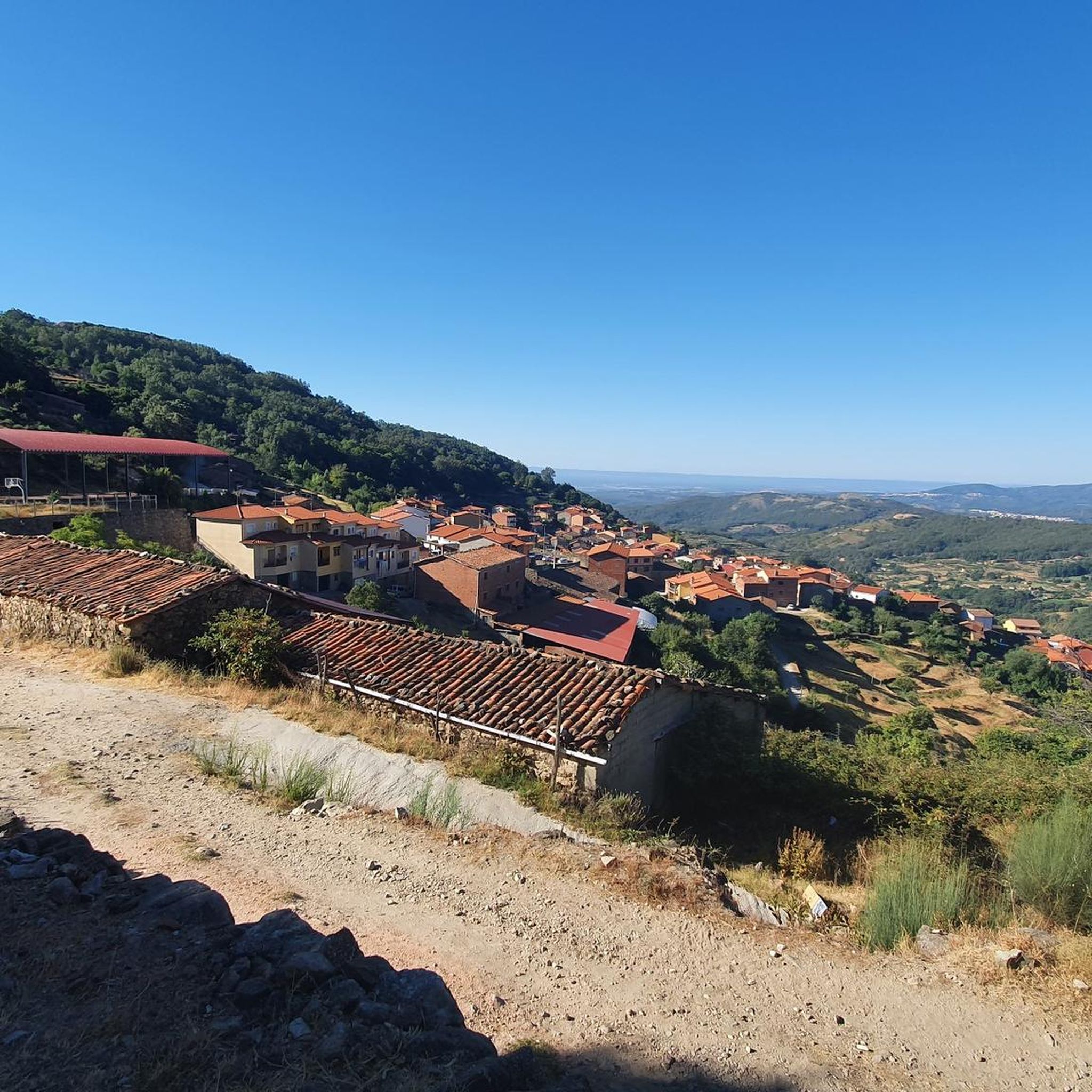
Torremenga takes its name from the ancient Torre Menguada, a Visigothic construction located northwest of the town and still visible today. It is notable for its traditional architecture, featuring old houses and granite arcades in the central square. Its natural surroundings are highly valued, with extensive pastures, cherry orchards, spots such as Las Eras and Las Tejoneras, and water areas for fishing and recreation, such as a reservoir and the municipal swimming pool.
0
0
Jaraíz de la Vera is the largest municipality in the region, with origins dating back to the Arab era, with its name derived from "harā'ith," meaning "ploughed fields." This town has historically been the economic and social center of La Vera and is recognized worldwide as the capital of the delicious La Vera paprika.
0
0
The most important monument in Jarandilla de la Vera is the castle-palace of the Counts of Oropesa, where Charles I stayed before moving to the Monastery of Yuste. This 15th-century castle, built on an ancient fortress, reflects the medieval history of the town, which was also briefly linked to the Knights Templar. Today, anyone can stay here, as it is a tourist parador. A natural highlight is the Jaranda Gorge, which runs through Jarandilla and offers a fresh and accessible natural environment next to the town center.
0
0

Medieval historic city. Some ruins of an old tower, probably from the Visigoth period, are preserved, located to the northwest of the town. Pass by the town hall and church and stop for something refreshing to eat and drink.
1
0

I am not sure if this bridge is Roman but it is very old and beautiful. It is the best way to cross the Jaranda Gorge when starting a route on foot or by bicycle.
1
0
It was built by Fernando Álvarez de Toledo during the 15th century. Emperor Charles V stayed in its dependencies in 1556. It is now controlled by the Parador Nacional de Turismo and is very well cared for.
2
1

Beautiful panoramic views of the entire La Vera valley and the Garganta Mayor canyon on its way to the south of Extremadura.
3
0
Frequently Asked Questions
How many running routes are available around Cuacos de Yuste?
There are over 15 dedicated jogging routes in the Cuacos de Yuste area, offering a variety of distances and difficulty levels. The region's diverse landscape, from mountainous terrain to tranquil woods, provides ample opportunities for runners.
Are there any easy or beginner-friendly jogging routes in Cuacos de Yuste?
While many routes in the area are moderate to difficult, the region's extensive network of trails includes paths that can be adapted for easier runs. Look for routes that stick to flatter sections along river valleys or through the village itself. For example, the initial sections of routes leading to natural pools often offer gentler terrain.
What are some challenging running trails for experienced joggers?
For those seeking a challenge, the region offers several difficult routes. Consider the Trabuquete Trail - Old Castile Path, a demanding 11.1 km route with significant elevation changes, or the Cueva de La Serrana – trail run from Garganta la Olla, which covers 10.7 km of varied terrain.
Can I find jogging routes that feature waterfalls or natural pools?
Absolutely! Cuacos de Yuste is known for its abundant water features. The Trabuquete Trail - Old Castile Path leads towards the stunning Charco del Trabuquete waterfall. Another excellent option is the Trabuquete Bridge – Charco del Trabuquete loop from Guijo de Santa Bárbara, which takes you through river valleys and past natural pools. You can also explore trails near the Nogaleas Waterfalls for a refreshing experience.
Are there any circular jogging routes in the area?
Yes, many routes in Cuacos de Yuste are designed as loops, allowing you to start and finish in the same location. A popular choice is the Trabuquete Bridge – Charco del Trabuquete loop from Guijo de Santa Bárbara. There are also circular routes that incorporate historical sites like the Monastery of Yuste.
What historical landmarks or points of interest can I see while running?
The region is rich in history. Many routes pass by the impressive Monastery of Yuste, the final residence of Emperor Charles V. You might also encounter the historic Carlos V Bridge, which crosses the Tres Cerros stream, offering a serene jogging experience away from more crowded spots.
What is the best time of year for jogging in Cuacos de Yuste?
The mild climate of Cuacos de Yuste makes it suitable for outdoor activities year-round. However, spring and autumn are particularly popular due to comfortable temperatures and vibrant scenery. Summer offers fresh mountain air and shaded paths through deciduous woods, while winter provides a unique, tranquil experience.
Are the jogging trails in Cuacos de Yuste suitable for families?
While specific 'family-friendly' routes aren't explicitly categorized, many of the less technical paths through wooded areas or along riverbanks can be enjoyed by families. Look for shorter, flatter sections of trails, especially those leading to natural pools, which often have lower technical difficulty and offer pleasant stops for children.
Can I bring my dog on the running trails?
Generally, dogs are welcome on most outdoor trails in the Cuacos de Yuste region, especially on less crowded paths. However, it's always advisable to keep your dog on a leash, particularly in nature reserves or areas with livestock, and to check local regulations for specific trails or protected areas like Los Pilones Natural Pools.
Are there jogging routes accessible by public transport?
While many routes start from Cuacos de Yuste village or nearby towns, direct public transport access to specific trailheads can be limited. It's often best to plan your run starting from a central point in a village, which may be served by local bus routes, and then connect to the trails. Parking is generally available in these starting points if you're driving.
What do other runners enjoy most about jogging in Cuacos de Yuste?
Runners frequently praise the region's stunning natural beauty and varied terrain. The combination of lush greenery, refreshing water features like gorges and waterfalls, and the historical charm of the villages creates a unique and inspiring backdrop for an active experience. The komoot community has explored over 15 routes here, often highlighting the tranquility of the wooded paths and the challenge of the mountainous sections.
Most popular routes around Cuacos De Yuste
Most popular attractions around Cuacos De Yuste

Get inspired with the komoot mobile app


Explore more
Browse the best Running Trails & Routes in other regions.
