Attractions and Places To See around Oropesa - Top 20
Best attractions and places to see around Oropesa include a variety of historical sites, bridges, and religious buildings. This region offers opportunities to explore ancient architecture and cultural landmarks. Visitors can discover structures that played significant roles in local history and communication. The area provides a setting for exploring both man-made monuments and natural surroundings.
Best attractions and places to see around Oropesa
- The most popular attractions is Roman Bridge of Madrigal de la Vera, a bridge that crosses…
Last updated: October 5, 2026
Roman Bridge of Madrigal de la Vera
Highlight • Bridge
Translated by Google •
Tip by

Puente del Arzobispo
Highlight • Bridge
Translated by Google •
Tip by

Sign up now to discover places like this
Get recommendations on the best single tracks, peaks, & plenty of other exciting outdoor places.
Puente Viejo de Candeleda
Highlight • Bridge
Translated by Google •
Tip by

Santuario de Chilla
Highlight • Religious Site
Translated by Google •
Tip by
Count’s Palace of Oropesa and Oropesa Castle
Highlight • Castle
The complex formed by the old and new …
Translated by Google •
Tip by

Sign up for free to discover even more attractions around Oropesa.
Already have an account?
Start today with a free account
Your next adventure awaits.

Tips from the Community

Historic bridge commissioned by the Archbishop of Toledo in the 14th century, in spring/summer home to hundreds of swifts, creating a unique spectacle.
0
0

The Count's Palace of Oropesa, located in the province of Toledo, is an architectural gem with a rich history and great heritage value. The Old Palace (or Doña Elvira Palace): in the Mudejar Gothic style, built in the 14th century. The New Palace: in the Renaissance style, built in the 15th century. It stands out for its original coffered ceiling, its balconies with the coat of arms of the Counts of Oropesa, and a large interior courtyard that was even used as a bullring. Together with the adjacent castle, it forms a complex declared a Historic-Artistic Monument in 1923. In 1931, it was incorporated into the National Parador Network, becoming the first Parador built on a historic building.
4
0

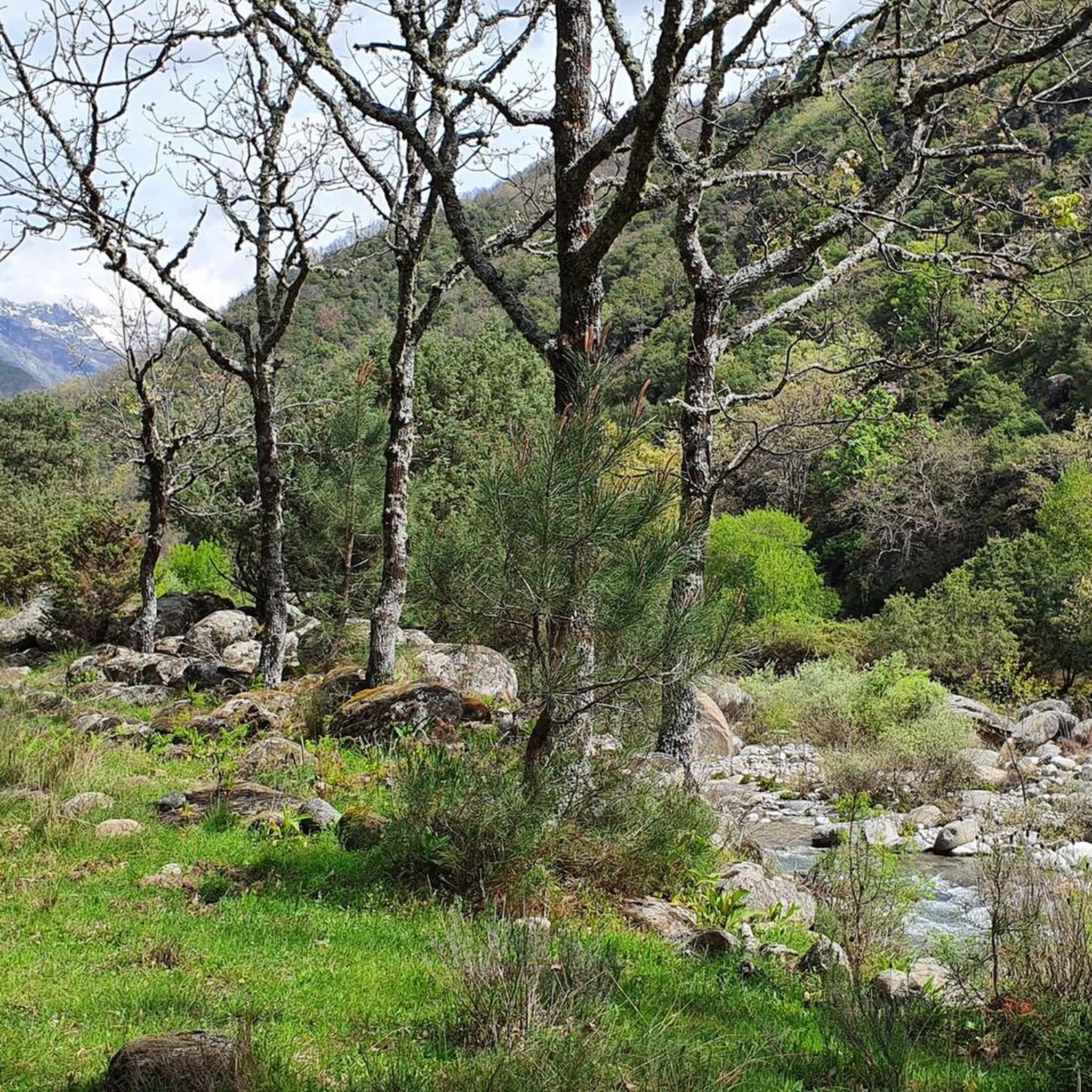
Beautiful area with steep slopes
1
1

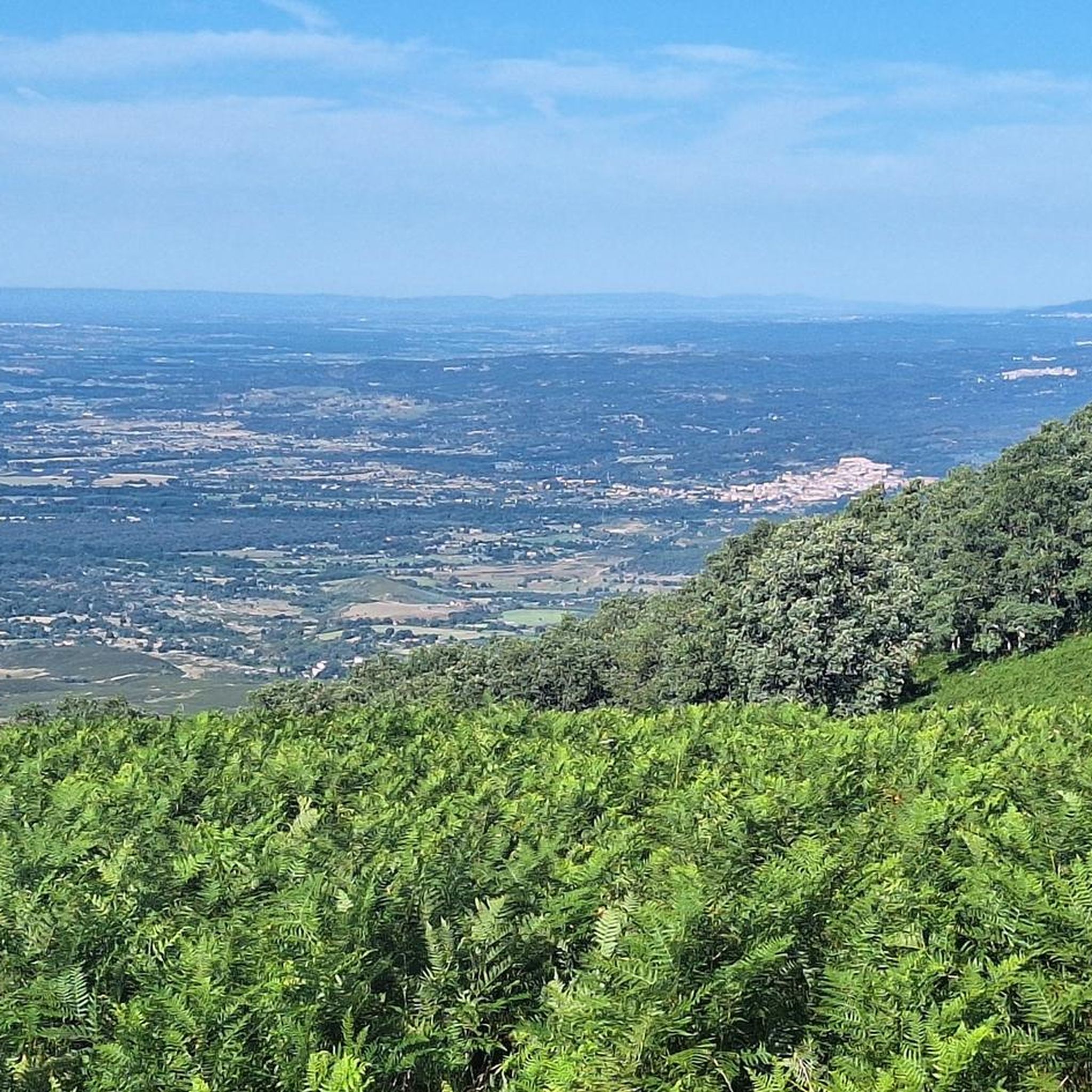
Without a doubt, this is one of the great discoveries of our trip to the Sierra de Gredos. Although it is not a renowned architectural monument, the Sanctuary is worth visiting for its location, its views, the interesting climb from Candeleda by bicycle and the pleasant walk that can be taken in its surroundings.
0
0
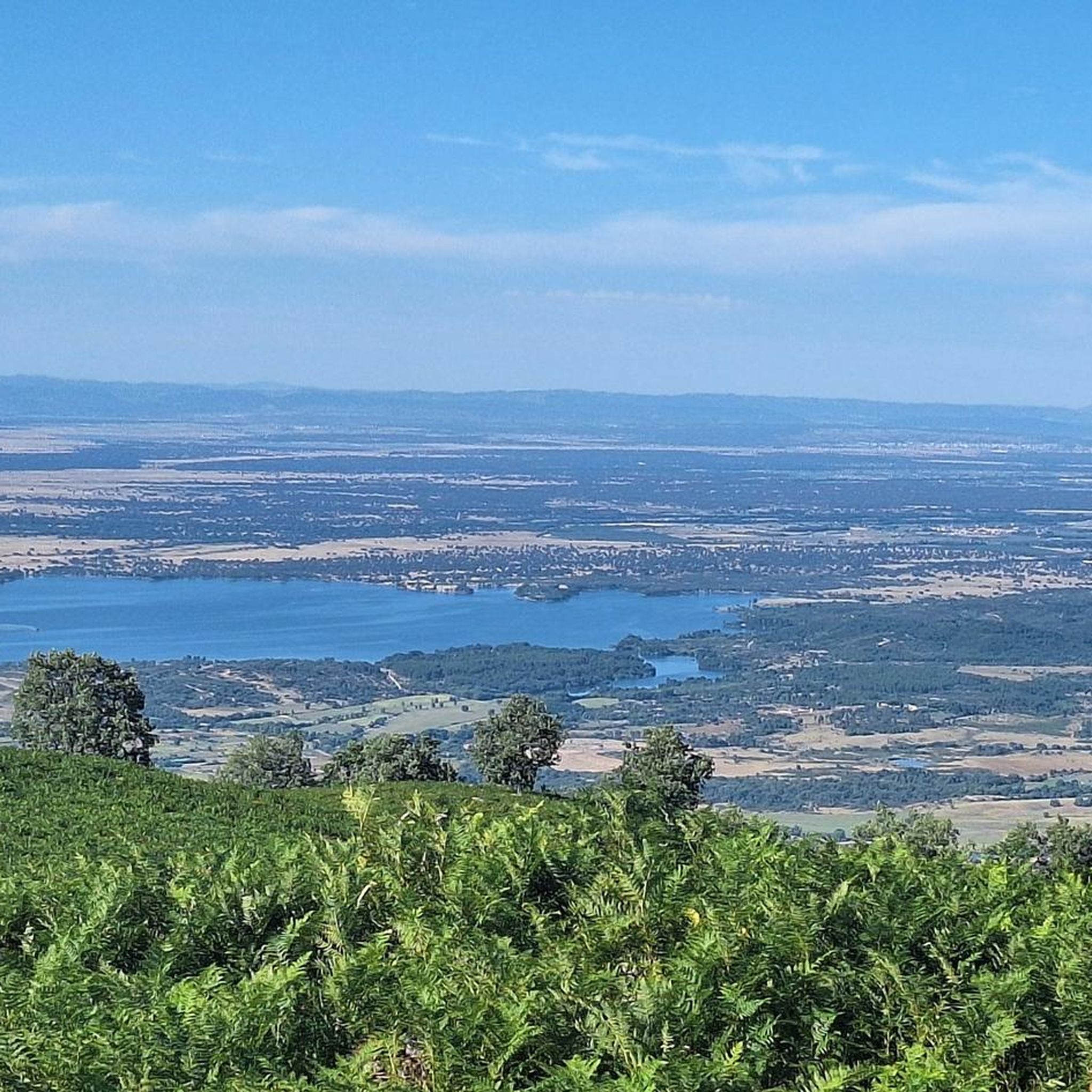
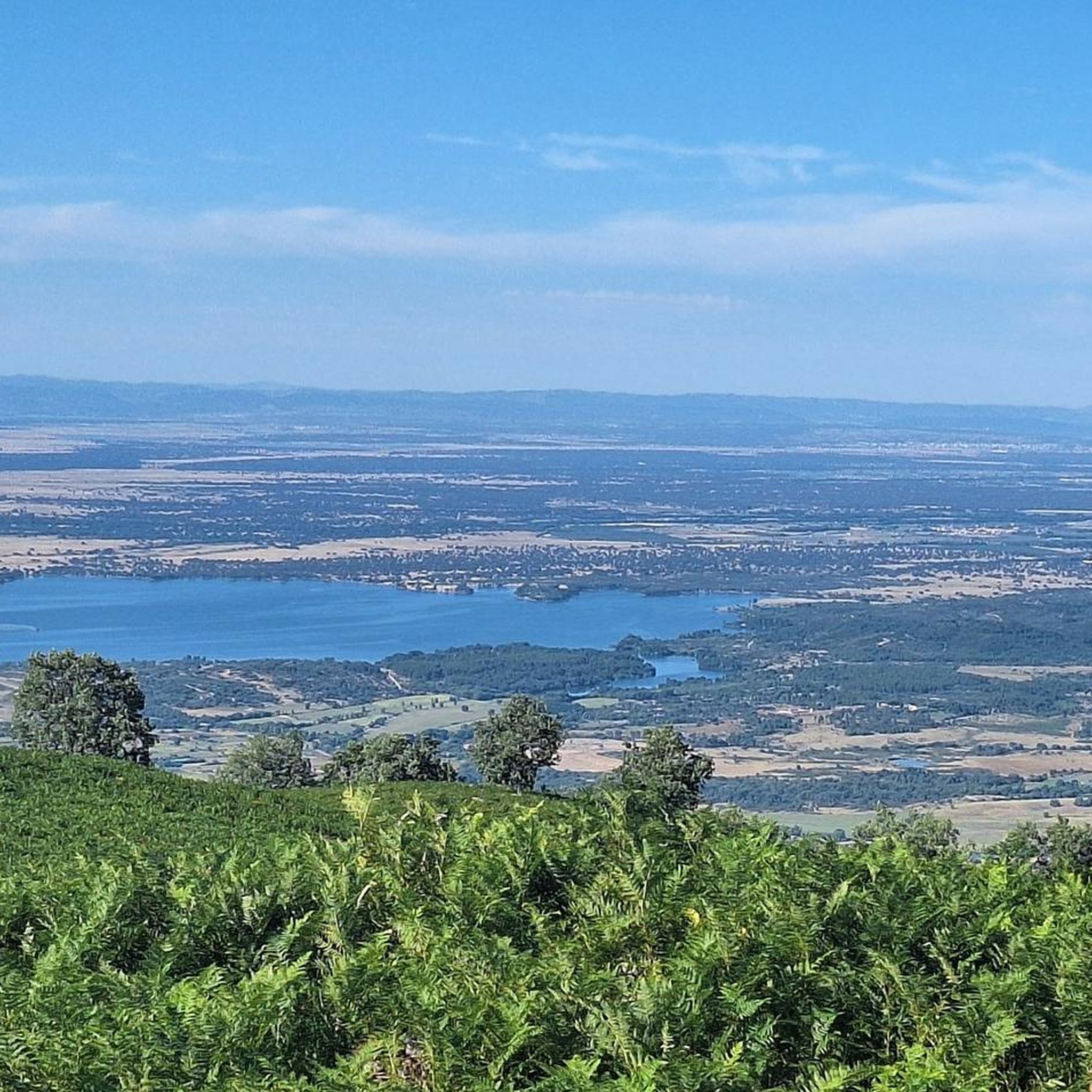
This small hermitage, built in the 16th and 17th centuries, is located in an environment of lush vegetation and beauty. Inside, the miracle of the Virgin of Chilla, the patron saint of Candeleda, is narrated on panels. The festivities in honor of the Virgin of Chilla, declared of National Tourist Interest, are celebrated on the second and third weekend of September. The sanctuary is located 6 km from Candeleda and offers magnificent panoramic views of the Rosarito Reservoir and the sky. Legend has it that the Virgin appeared to a shepherd named Finardo, who had lost a goat due to eating weeds. The Virgin resurrected the goat, and since then, it has always been represented that way. If you ever have the opportunity to visit this place, you will be immersed in a spiritual and tranquil experience surrounded by the natural beauty of the area. 🌿🌟
2
0
The Old Bridge of Candeleda is a beautiful bridge that stands over the Santa María Gorge. Built at the beginning of the 20th century, this neo-Mudejar style bridge is a centuries-old testimony of local architecture. From here, you can walk along what they call the “maritime promenade”, a place perfectly equipped for walking.
2
0

A beautiful spot in Madrigal de la Vera. There's a natural pool for swimming. Naturally, the water is quite cold. Impressive Roman-style bridge. It's believed to have been based on a Roman original and dates back to the Middle Ages.
1
0

The Roman bridge of Madrigal, also known as the "Old Bridge," is a bridge of Roman origin that crosses the Alardos Gorge, a narrow valley carved by the Tiétar River. Currently, it consists of only one arch; its original form is unknown, as it underwent several reconstructions. The bridge was built as part of the Roman road that linked Plasencia with Puerto del Pico and Ávila.
3
1
Frequently Asked Questions
What historical landmarks can I explore in Oropesa del Mar?
Oropesa del Mar boasts several significant historical landmarks. You can visit the ancient Count’s Palace of Oropesa and Oropesa Castle, a complex with Gothic-Mudejar and Renaissance architecture. Don't miss the 16th-century Torre del Rey, a defensive tower offering spectacular sea views, or the Oropesa del Mar Lighthouse, which also functions as a cultural space.
Are there any natural parks or reserves near Oropesa del Mar?
Yes, the region offers beautiful natural areas. A short distance away is the Sierra de Irta Natural Park, perfect for hiking and cycling with sea-view cliffs. You can also explore the Prat de Cabanes-Torreblanca Natural Park, a protected wetland ideal for birdwatching, or the Columbretes Islands Natural Park, known for its rich marine life and seabeds.
Which beaches are best for families in Oropesa del Mar?
For families, La Concha Beach is highly recommended due to its shell shape, calm waters, and amenities. Morro de Gos Beach also offers a relaxed atmosphere with long stretches of sand suitable for a family day out.
What kind of outdoor activities, like cycling or hiking, can I do around Oropesa?
The area around Oropesa is excellent for outdoor activities. You can find numerous MTB trails, cycling routes, and gravel biking paths. The Sierra de Irta Natural Park and Sierra de Oropesa also provide diverse hiking routes with panoramic views.
Where can I find scenic views around Oropesa?
For stunning vistas, head to the Oropesa Castle or Torre del Rey, both offering panoramic views of the coast and surrounding areas. The Oropesa del Mar Lighthouse also provides beautiful sea views. Additionally, the Sierra de Oropesa mountain range has trails with picturesque views of orchards and the Mediterranean.
Are there any unique cultural sites or museums in Oropesa del Mar?
Yes, explore the Oropesa Museum (Museu d'Orpesa), housed in the Palace of the Counts of Cervellón, which showcases historical and archaeological artifacts. For a truly unique experience, visit the Museo del Naipe (Playing Card Museum) in the old town, featuring over five thousand different playing cards from around the world.
What is the Vía Verde del Mar and what can I do there?
The Vía Verde del Mar is a scenic greenway that connects Oropesa del Mar with Benicàssim. It offers a beautiful coastal route perfect for walking, jogging, or cycling, providing an alternative way to enjoy the Mediterranean landscape.
Can I visit ancient ruins or archaeological sites in the area?
Yes, you can visit Oropesa la Vella, an archaeological site with evidence of human settlements dating back to the Stone Age, including Iberian, Roman, and Islamic inhabitants. This site highlights the region's long history and strategic importance.
What attractions are suitable for families with children?
Beyond the beaches, families can enjoy the Marina d'Or resort complex, which features theme parks, a water park, and an enchanted garden. The Santuario de Chilla, a small hermitage in a beautiful natural setting, is also family-friendly, as are the historic bridges like Puente del Arzobispo and Puente Viejo de Candeleda.
What do visitors enjoy most about the attractions around Oropesa?
Visitors particularly enjoy the blend of historical significance and natural beauty. The Count’s Palace of Oropesa and Oropesa Castle are appreciated for their impressive architecture and historical depth. The Roman Bridge of Madrigal de la Vera is loved for its historical charm and the natural pool nearby, while the Puente del Arzobispo is noted for its medieval origins and scenic views over the Tagus River.
Are there any hidden gems or less-known spots to discover?
For a less-known natural gem, explore La Renegà, a rugged coastal area with pristine coves and crystalline waters nestled between cliffs. The Museo del Naipe (Playing Card Museum) in the old town also offers a unique and unexpected cultural experience.
Can I visit any religious buildings with historical significance?
Yes, the Chapel of Virgen de la Paciencia is a 17th-century Baroque temple dedicated to the town's patron saint, featuring ornate facades and 18th-century Alcora tiles. Further afield, the Santuario de Chilla is a small hermitage from the 16th and 17th centuries, set in a beautiful, lush environment.
Most popular routes around Oropesa
Most popular attractions around Oropesa

Get inspired with the komoot mobile app


Explore more
Still not found the Highlight you’re looking for? See guides of the top attractions in other regions:
