Attractions and Places To See around Cebrones Del Río - Top 12
Best attractions and places to see around Cebrones Del Río include a blend of historical landmarks, cultural sites, and natural features. Situated in the fertile "Vegas y Riberas" region, the municipality is bordered by the Órbigo and Esla rivers, offering a diverse landscape. The area has a rich history, with evidence of pre-Roman and Roman presence. Visitors can explore ancient structures, religious buildings, and enjoy the riverside environment.
Best attractions and places to see around Cebrones Del Río
- The most…
Last updated: June 29, 2026
Plaza Mayor of La Bañeza
Highlight • Settlement
Translated by Google •
Tip by

Castillo de Villanueva de Jamuz
Highlight • Castle
Translated by Google •
Tip by

Sign up now to discover places like this
Get recommendations on the best single tracks, peaks, & plenty of other exciting outdoor places.
Sign up for free
Street Art and Monument to Santiago, La Bañeza
Highlight • Monument
Translated by Google •
Tip by

La Bañeza Town Hall and Clock Tower
Highlight • Monument
Architecturally, we …
Translated by Google •
Tip by

Church of Santa Elena de Jamuz
Highlight • Religious Site
Tip by
Sign up for free to discover even more attractions around Cebrones Del Río.
Sign up for free
Already have an account?
Start today with a free account
Your next adventure awaits.
Login or Signup

Tips from the Community

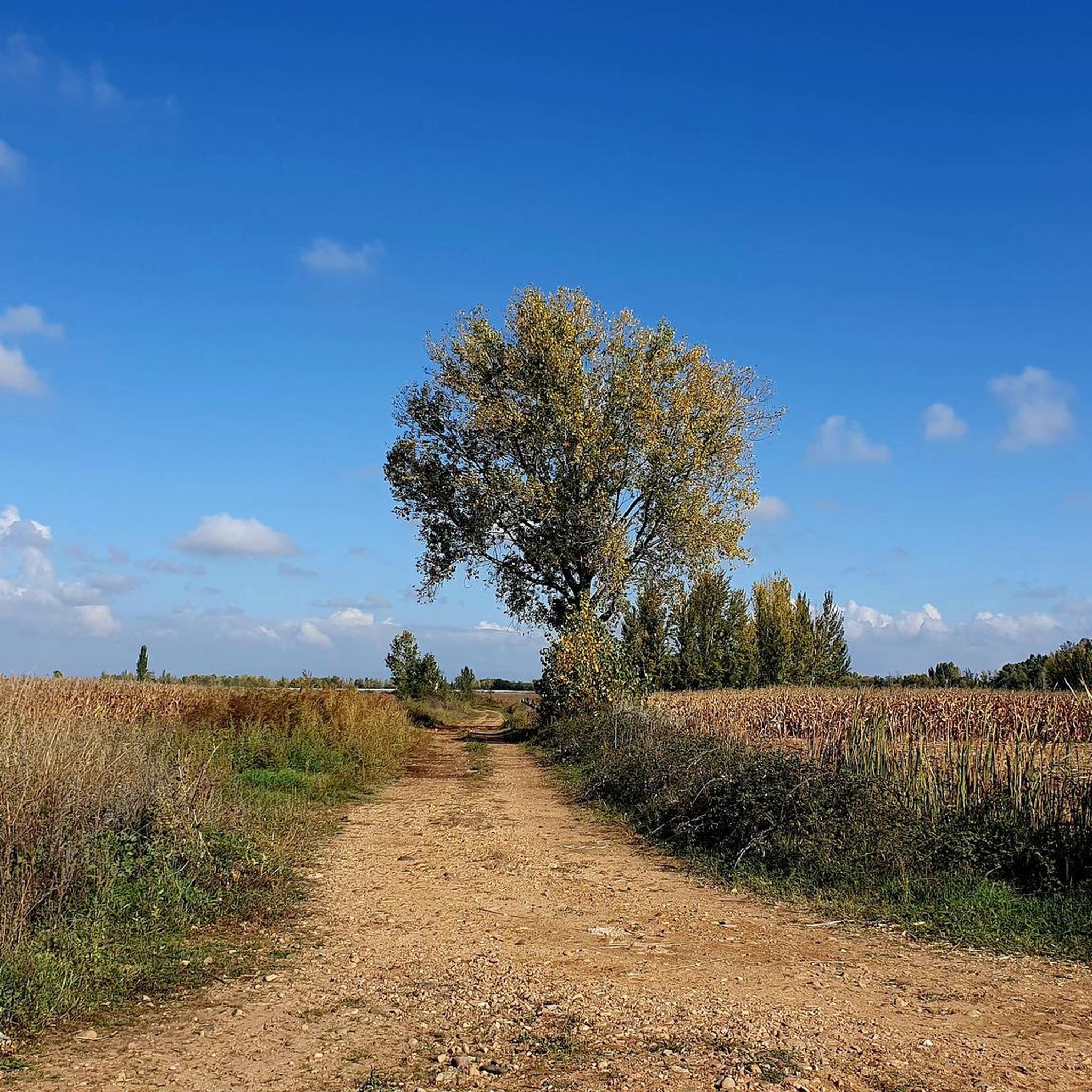
Santa Elena de Jamuz is a small rural town along the river. There are many walking trails along the river and irrigation system. The Plaza de Constitution is a good place to park and start your adventure.
2
0
Remains of a medieval castle in Villanueva de Jamuz. The cylindrical towers are an amazing structure.
3
0

Leonese town in the traditional region of La Valduerna. The birth of the city is dated from the 9th century, which shows the historical importance of this town. Architecturally, we can highlight the churches of San Salvador and Santa María and culturally the carnivals, its Holy Week and the patron saint festivals in August.
1
0
Medieval castle in the region of Tierra de La Bañeza, León. The castle of Villanueva de Jamuz is a Spanish fortress home to the famous Leonese knight Suero de Quiñones.
1
0
Important town in Leon with a rich architectural heritage that surprises many of its visitors. It is worth noting in the Plaza Mayor such as the churches of San Salvador or Santa María, or even the Town Hall, which are quite impressive.
1
0

Important town in Leon with a rich architectural heritage that surprises many of its visitors. I love its main square and its railway infrastructure, which I think give it all its character, but there are also buildings like the churches of San Salvador or Santa María, or even the Town Hall, which are quite impressive.
2
0

It is essential to stop for a while and enjoy the "ephemeral" art of the murals scattered everywhere.
1
0

Small sculpture that pays homage to the apostle and the pilgrims in this city on the Camino.
2
0
Frequently Asked Questions
What historical sites can I explore around Cebrones Del Río?
The region offers a rich historical tapestry. You can visit the ancient Castillo de Villanueva de Jamuz, which features remains of a medieval castle with cylindrical towers. In Cebrones del Río itself, the
Parish Church of San Esteban, dating back to the 15th century, houses significant 14th-15th century mural paintings. Additionally, the Roman Bridge over the Órbigo River is a notable historical structure, believed to have been crossed by Napoleon.
Are there any ancient Roman or pre-Roman ruins in the area?
Yes, the area has a deep historical past. In San Martín de Torres, a locality within the municipality, you can find a pre-Roman castro (fortified settlement) that was declared an archaeological zone. There is also evidence of a Roman presence, with some believing the Roman city of Bedunia or Baedunia was once located there.
What natural features can I enjoy near Cebrones Del Río?
Cebrones del Río is situated in the fertile "Vegas y Riberas" region, bordered by the Órbigo and Esla rivers. These rivers and their surroundings provide beautiful riverside landscapes and a tranquil rural environment. The town also features a fluvial beach area with ample green space, picnic tables, and sports courts, perfect for enjoying the outdoors.
What family-friendly activities are available around Cebrones Del Río?
Families can enjoy the fluvial beach area in Cebrones del Río, which offers green spaces, picnic areas, sports courts for football and basketball, and a children's playground. For a cultural outing, the Plaza Mayor of La Bañeza is a family-friendly settlement with impressive architecture and a lively atmosphere. Easy walking trails along the rivers are also suitable for families.
Are there opportunities for hiking or cycling near these attractions?
Absolutely. The region around Cebrones Del Río offers various routes for hiking and cycling. You can explore the natural surroundings through trails along the Órbigo and Esla rivers. For specific routes, check out the Hiking around Cebrones Del Río guide, which includes easy walks like the "Ribera del río Órbigo – circular desde Soto de la Vega" and moderate options like the "Vía de la Plata and Bazán Castle Loop." Cyclists can find routes in the Road Cycling Routes around Cebrones Del Río guide, such as the "Castrocontrigo from La Bañeza" circular route.
Where can I find easy walking trails suitable for families?
For easy and family-friendly walks, consider trails along the rivers. The Hiking around Cebrones Del Río guide features routes like "Ribera del río Órbigo – circular desde Soto de la Vega" and "Plaza Mayor of La Bañeza – Church of Santa María loop from La Bañeza," both rated as easy. These paths offer gentle terrain and scenic views, perfect for all ages.
Are there any places for wild swimming or relaxing by the water?
While the fluvial beach of Cebrones del Río has been out of use for swimming in recent summers, it still provides a lovely area for relaxing by the water. You can enjoy the green spaces, picnic areas, and the general tranquility of the riverside environment along the Órbigo and Esla rivers.
What is special about the Plaza Mayor of La Bañeza?
The Plaza Mayor of La Bañeza is a significant highlight, known for its rich architectural heritage. Visitors particularly appreciate its main square, the unique railway infrastructure, and impressive buildings like the churches of San Salvador or Santa María, and the Town Hall. It's an important town in León with a distinct character.
What is the Church of Santa Elena de Jamuz known for?
The Church of Santa Elena de Jamuz is located in a small rural town along the river. It serves as a good starting point for exploring the many walking trails along the river and irrigation system. The Plaza de Constitución nearby is a convenient place to park and begin your adventure in this scenic area.
Are there any local events or markets in Cebrones Del Río?
Yes, Cebrones del Río hosts an annual Medieval Market in July, which transforms the Plaza Mayor into a historical setting with various cultural and recreational activities. The town also celebrates its main festival on July 17th and honors Santa Lucía, the patron saint, on December 13th.
What is the best time of year to visit Cebrones Del Río for outdoor activities?
The region's climate makes spring (April-June) and autumn (September-October) ideal for outdoor activities like hiking and cycling. During these seasons, the weather is generally mild and pleasant, perfect for exploring the natural landscapes and historical sites without the intense heat of summer or the chill of winter.
Are there dog-friendly trails in the area?
Many of the natural trails along the Órbigo and Esla rivers are suitable for walks with dogs, offering open spaces and natural environments. When exploring, always ensure your dog is under control and be mindful of local regulations regarding pets in specific areas or on private land.
Can I see any unique street art or monuments nearby?
Yes, in La Bañeza, you can find the Street Art and Monument to Santiago. This location features a small sculpture honoring the apostle and pilgrims, alongside various murals. It's a great spot to stop and appreciate the 'ephemeral' art scattered throughout the city.
Most popular routes around Cebrones Del Río

Get inspired with the komoot mobile app


Explore more
Still not found the Highlight you’re looking for? See guides of the top attractions in other regions:
