Attractions and Places To See around Castropodame - Top 20
Best attractions and places to see around Castropodame, a municipality in the El Bierzo region of León, Spain, offer a blend of rich history and natural beauty. The area is particularly known for its Roman past, especially its gold mining activities, which have left significant historical remnants. Visitors can explore ancient fortified settlements, cultural sites, and charming villages nestled within a unique landscape.
Best attractions and places to see around Castropodame
- The most popular attractions is Ponferrada Castle, a…
Last updated: October 10, 2026
Molinaseca Roman Bridge
Highlight • Bridge
Translated by Google •
Tip by

Cruz de Ferro (Iron Cross)
Highlight • Monument
Translated by Google •
Tip by

Sign up now to discover places like this
Get recommendations on the best single tracks, peaks, & plenty of other exciting outdoor places.
Rabanal del Camino — Village and Church
Highlight • Settlement
Translated by Google •
Tip by
Ponferrada Castle
Highlight • Castle
Translated by Google •
Tip by
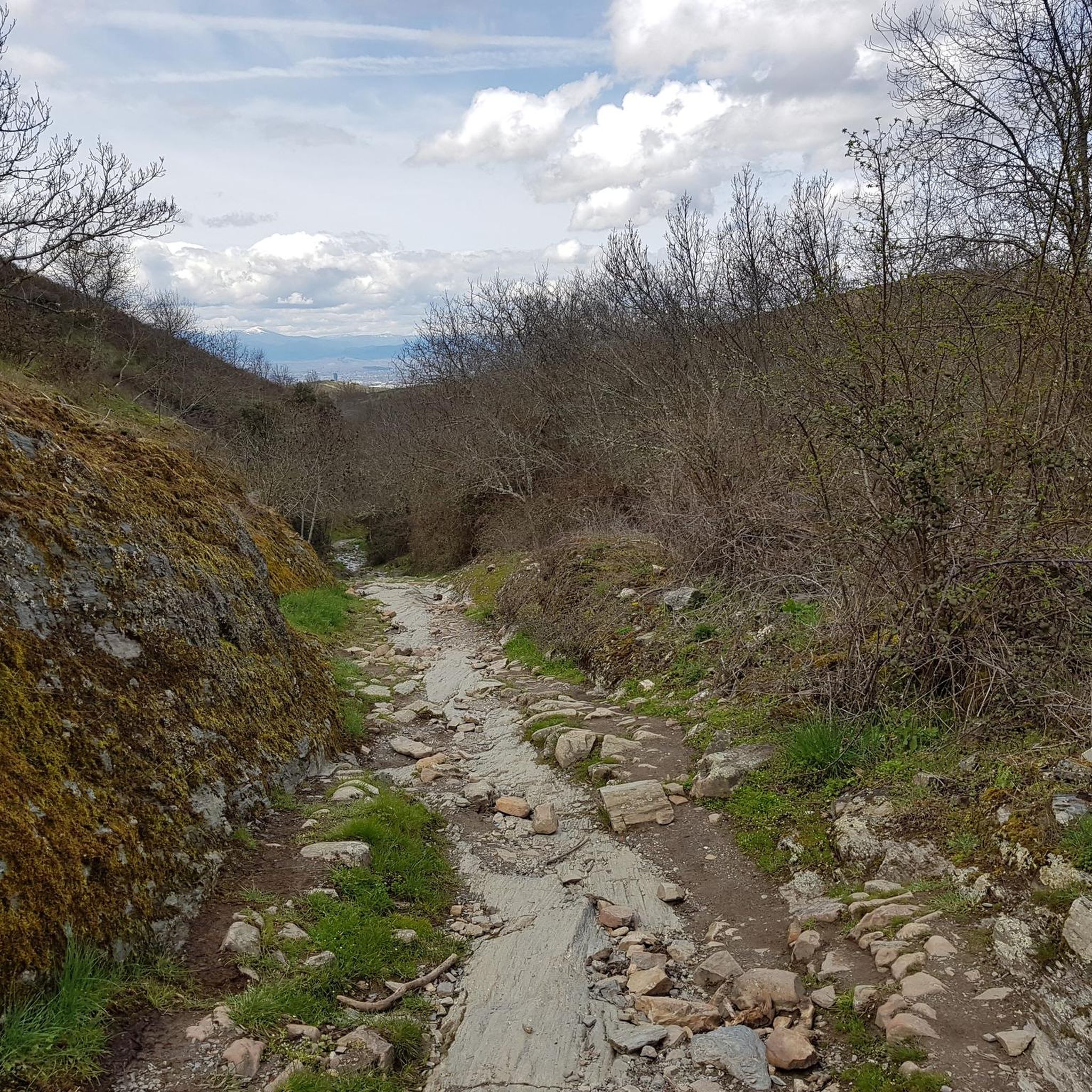
Trail to Foncebadón
Highlight (Segment) • Trail
Translated by Google •
Tip by
Sign up for free to discover even more attractions around Castropodame.
Already have an account?
Start today with a free account
Your next adventure awaits.

Tips from the Community

The "iron cross" here on Monte Irago, which is legendary for many pilgrims on the Camino Frances to Santiago de Compostela to the grave of the Apostle James the Greater, has since been replaced by a copy at the original location. The cross, which appears comparatively small due to its enormous height, is on the top of a very long tree trunk and protrudes from a constantly growing pile of stones. Many pilgrims take a stone with them on the Way of St. James and place it here. This stone symbolizes the burdens and hardships of the pilgrims (or their family members and friends at home), who symbolically cast off their worries at this point with the stone and can thus move on free of them.
6
0

The Church of Nuestra Señora de la Asunción in Rabanal del Camino is a beautiful architectural gem along the Camino de Santiago. This church, located in the small village of Rabanal del Camino in the province of León, was built in the 12th century and has undergone several renovations and extensions over the centuries. The church is of Romanesque origin and is believed to have been built by the Knights Templar, who protected the pilgrims who crossed the Montes de León on their way to Santiago de Compostela.
6
0

At the end of the 11th century, Osmundo, Bishop of Astorga, ordered the construction of a bridge (partly made of iron = pons ferrata) over the Sil for the pilgrims on the Way of St. James, near which a settlement was built. At the "pons ferrata", the iron bridge, the Knights Templar built a huge castle on a surface area of 160 x 90 m to protect the pilgrims on the Way of St. James. The medieval castle complex was inhabited by the Knights Templar from 1178 to 1312. Source: Wikipedia
5
0

The Templars' heyday from the 12th to 14th centuries led to the construction of this mighty fortress, among other things to protect the pilgrims on the Way of St. James. The rampart on the city hill stands out impressively against the mountain backdrop and absolutely conforms to the stereotypical image of a knight's castle. It is sensationally well maintained and a feast for the eyes.
6
0
The order, often referred to simply as the "Order of the Knights Templar," whose full name is "Poor Knights of Christ and of Solomon's Temple in Jerusalem," takes us mentally back to the 13th century. Founded in the Holy Land, it spread surprisingly quickly to many countries in Central Europe, and this castle complex in Ponferrada, northern Spain, was one of its numerous branches. The order gained notoriety through its dissolution in 1312 by the French king and the pope, and many of its members were burned at the stake as alleged heretics. The main reason for the dissolution, however, was not the members' human and religious misconduct (heresy), which was merely a pretext, but the legendary wealth of this order. King Philip IV of France primarily wanted to secure the treasures to bolster his coffers.
6
0

Although the bridge is believed to be of Roman origin, its current structure is primarily medieval Romanesque, with some later renovations in the 18th and 20th centuries. It is built of ashlar and cobblestone and consists of seven spans of varying sizes. It is the starting point of the town's main street, Calle Real, which ends at a cross and is home to most of Molinaseca's rural houses, bars, and restaurants. If you ever have the opportunity to visit it, you will immerse yourself in the rich Jacobean tradition and enjoy its historical beauty. 🚶♂️🌉
11
0

The Templar Castle of Ponferrada is a superb building. It houses the Templar Library and the Ponferrada Center for Research and Historical Studies, with over 1,400 books, including facsimiles of works by Leonardo da Vinci. It was originally a Roman camp and later a citadel. In the early 12th century, the Templars took possession of the fortress, strengthening and expanding it to serve as a residential palace and as a protection for pilgrims on their way to Santiago de Compostela. The building has an irregular square plan, and its most notable entrance is reached by crossing the moat over a drawbridge and, further on, two large crenellated towers joined by an arch. Its twelve original towers depicted the constellations.
5
0

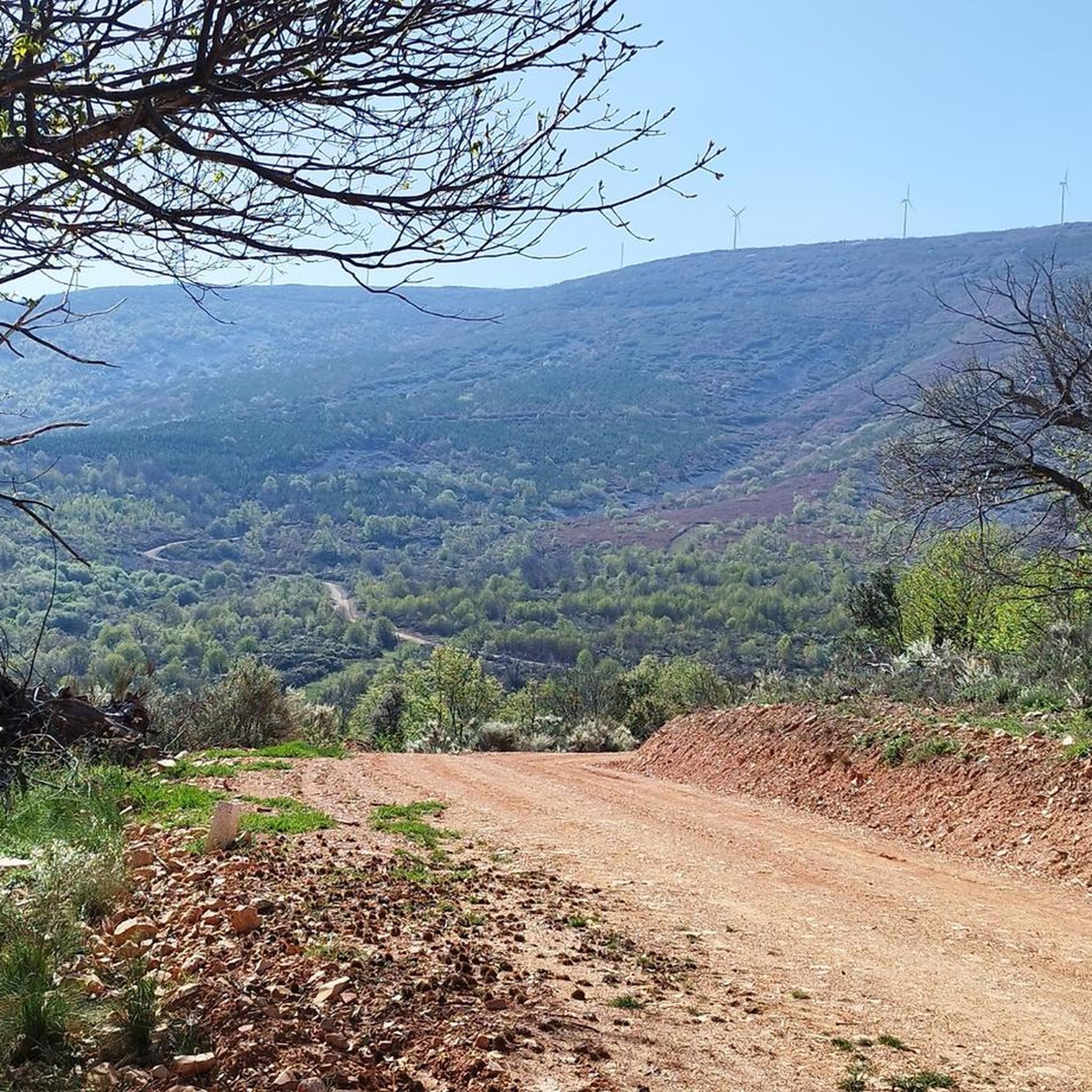
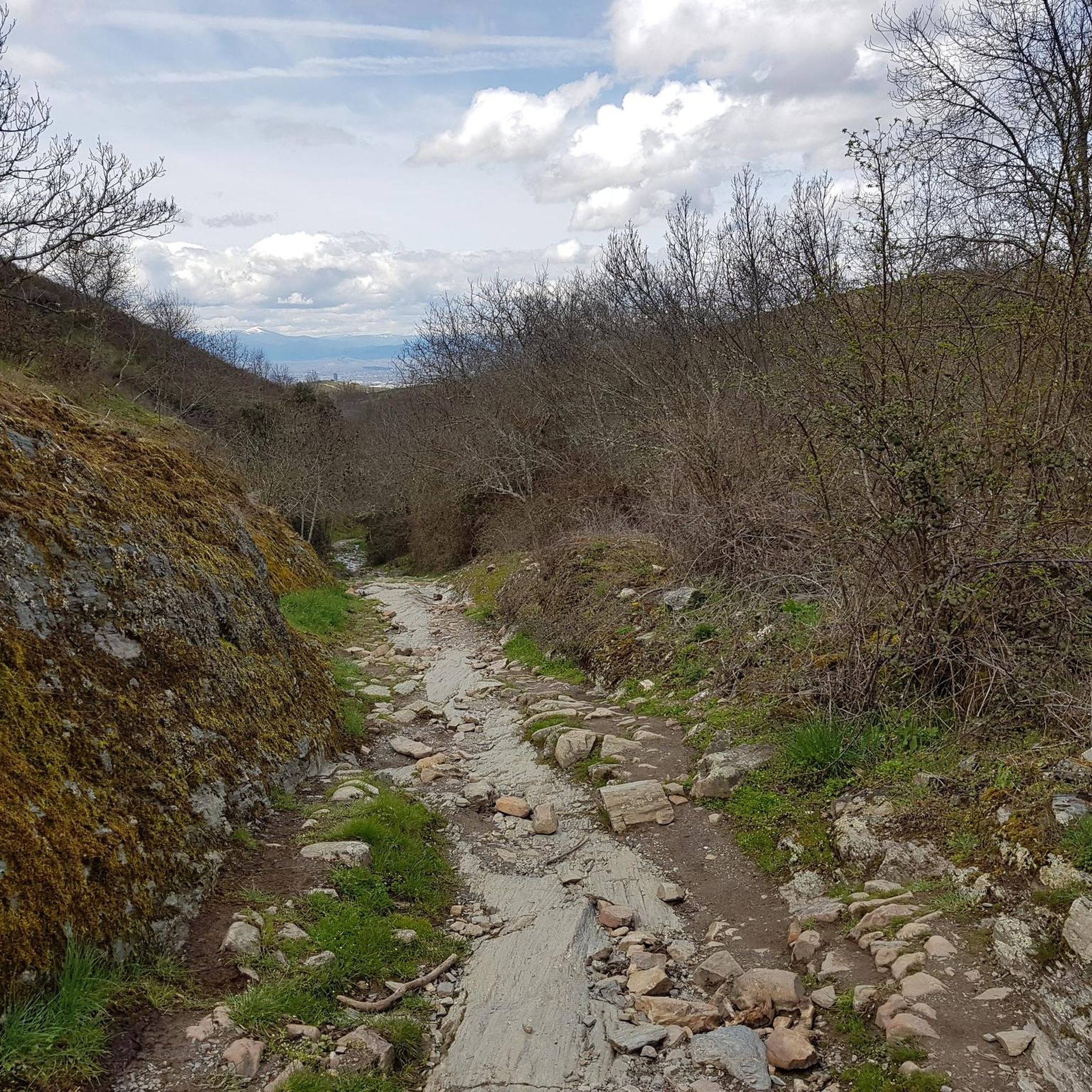
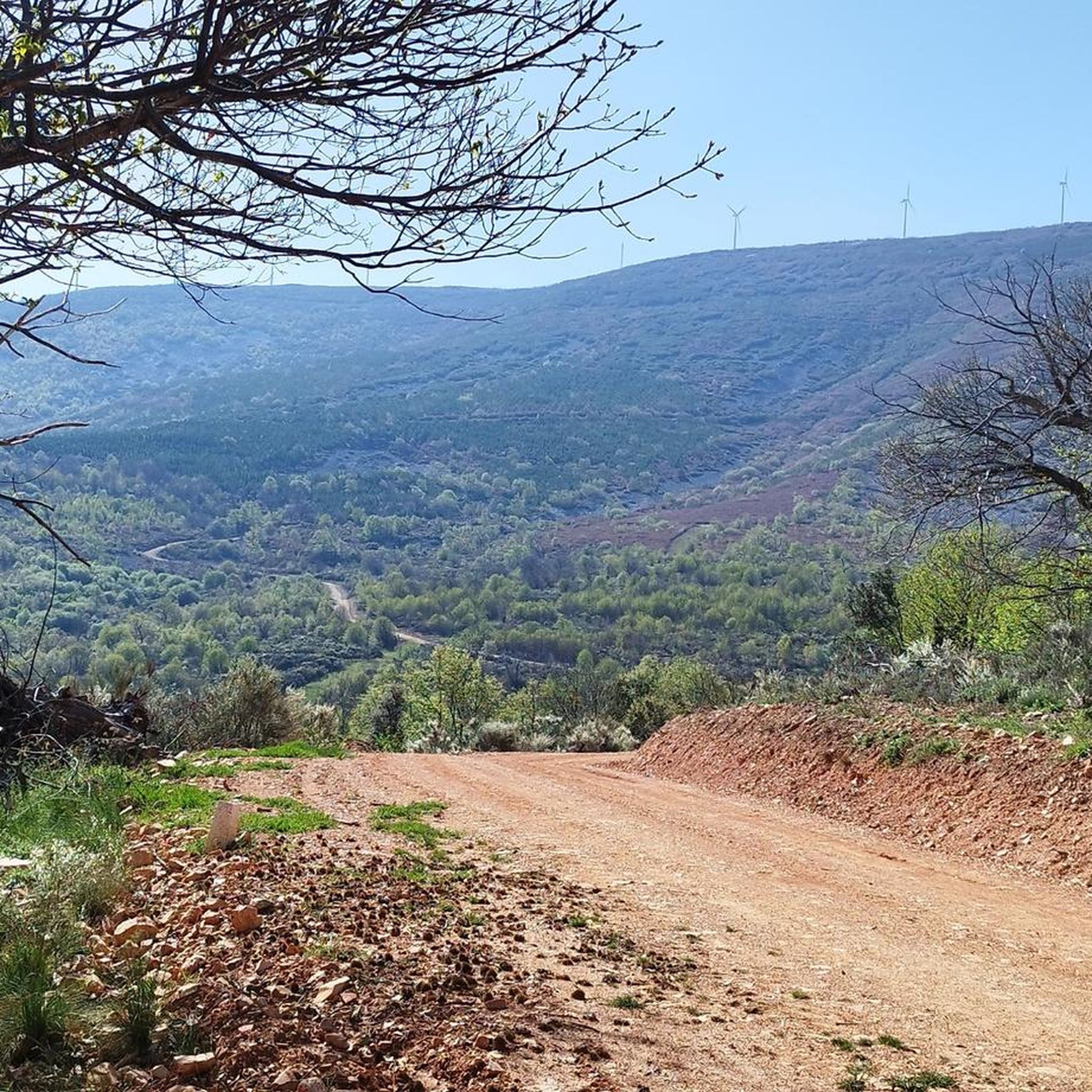
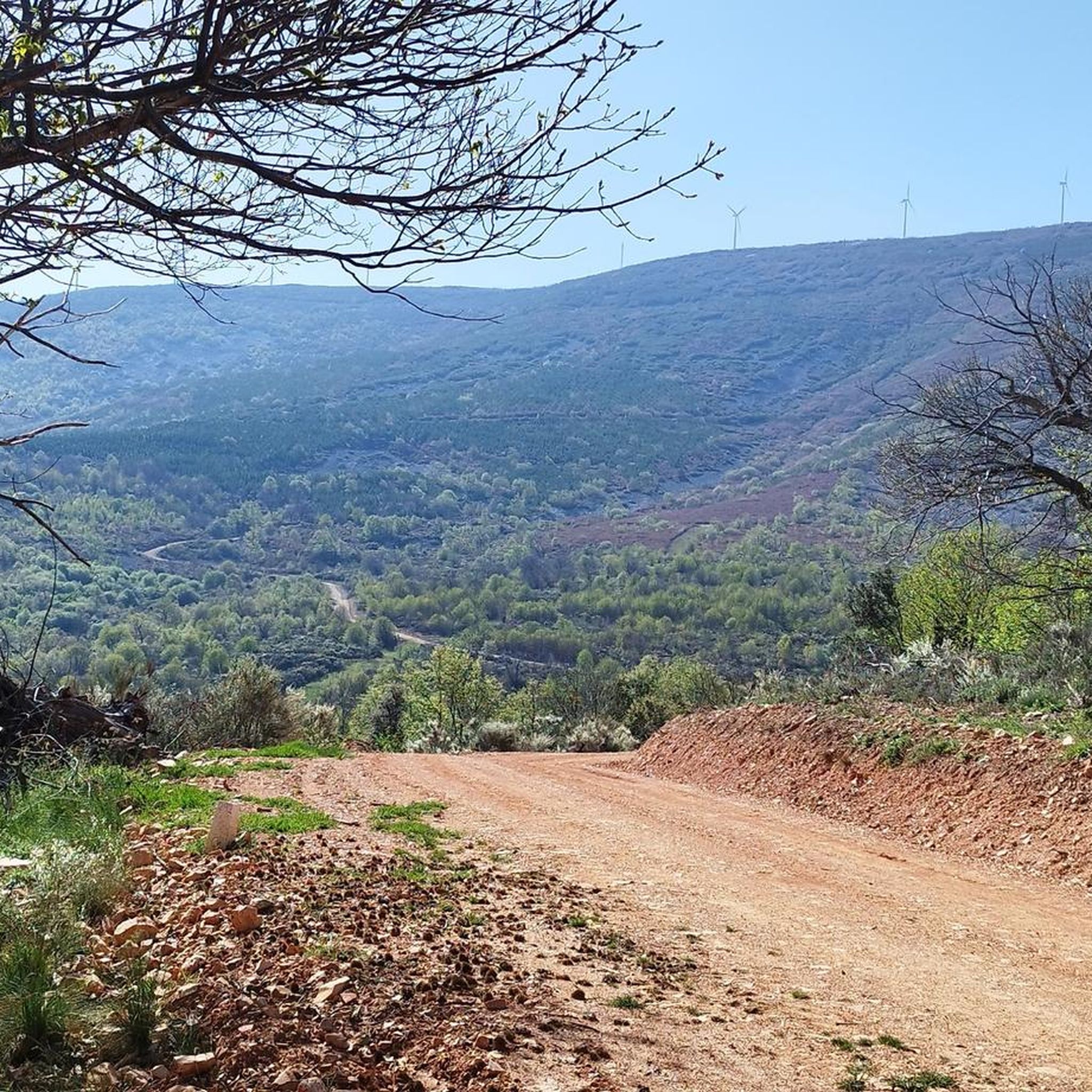
Long, steep climb up to the Cruz de Ferro, as the track can be very rough, especially in poor weather. Be sure to recover at one of the albergues once you reach Foncebadón.
2
0
Frequently Asked Questions
What are some of the most popular historical attractions around Castropodame?
Visitors frequently enjoy exploring the rich history of the area. Highly rated historical sites include Ponferrada Castle, a large Templar fortress, and the Molinaseca Roman Bridge, a significant medieval structure on the Jacobean Route. Another notable site is Cruz de Ferro (Iron Cross), a symbolic monument for pilgrims.
What unique historical sites related to Roman gold mining can I explore in Castropodame?
Castropodame is rich in Roman gold mining vestiges. You can find ancient 'castros' (fortified settlements), caves, galleries, and even a lake called El Encinal, all part of the Roman mining system. In Turienzo Castañero, you can observe 'Las Torcas', ancient Roman exploitation sites with clay ravines and water channels used for mineral extraction.
What kind of natural landscapes can I expect to see around Castropodame?
The municipality of Castropodame offers a blend of natural beauty and historical landscapes. Around Turienzo Castañero, you can find areas to 'get lost in nature,' crowned by the El Redondal mountain. The vestiges of Roman gold mining, such as the clay ravines at Las Torcas, also contribute to a unique, historically shaped natural environment.
Are there hiking opportunities near Castropodame's attractions?
Yes, there are several hiking opportunities. You can find routes like 'The Bridges of Malpaso - circular from Molinaseca' or 'Zofreral de Corbana – circular'. For more options, including routes of varying difficulties, explore the Hiking around Castropodame guide.
Can I find cycling routes around Castropodame?
Absolutely. The area offers diverse cycling routes, such as the 'Bárcena Reservoir Loop' or the 'Folgoso Dam – Folgoso de la Ribera loop'. For a comprehensive list of routes and their details, refer to the Cycling around Castropodame guide.
Are there any easy walks suitable for families near Castropodame?
While specific 'family-friendly walks' are not detailed, many moderate hiking routes can be enjoyed by families. For example, the 'Cruz de Ferro (Iron Cross) – Iron Cross loop' is an easy 3.8 km walk. You can find more options in the Hiking around Castropodame guide, looking for easy or moderate difficulty ratings.
What do visitors enjoy most about the attractions near Castropodame?
Visitors particularly appreciate the historical depth and the serene atmosphere. For instance, the Molinaseca Roman Bridge is loved for its medieval charm and its role on the Jacobean Route, inviting slow strolls. The Cruz de Ferro is cherished for its symbolic significance to pilgrims, offering a moment of reflection amidst beautiful nature.
Are there any significant religious sites in Castropodame and its villages?
Yes, the area features several historical religious sites. In Castropodame itself, you can visit the 16th-century Church of Santa Colomba and the Hermitage of San Bernardino. The village of Matachana has the Hermitage of Santo Cristo de las Maravillas and the late Romanesque Church of San Roque, while San Pedro Castañero is known for its church with an interesting altarpiece.
What can I see in the village of Turienzo Castañero?
Turienzo Castañero is a village rich in history and tradition. Key sites include the Fuente del Concejo, the Fontanica, and the Plaza del Bailadero. Its church features notable altarpieces and a tabernacle. Additionally, you can explore Las Torcas, ancient Roman gold exploitation sites, and enjoy the natural beauty around the El Redondal mountain.
What is the historical significance of Onamio village?
Onamio is historically known as the 'iron village' due to the Coto Wagner iron mines. Visitors can still see remnants of this industrial past, including old mine offices, a mineral treatment plant with hoppers and conveyor belts, and vestiges of a cable car system. The Era del Castro also served as a historical watch point for water channels directed to the Castropodame mines.
When is the best time to visit Castropodame for outdoor activities?
While specific seasonal data isn't provided, the El Bierzo region generally enjoys pleasant weather for outdoor activities during spring and autumn. These seasons offer milder temperatures, ideal for hiking, cycling, and exploring historical sites without the intense heat of summer or the chill of winter.
Are there any running trails available near Castropodame?
Yes, for those interested in running, there are several trails. Options include 'Las Puentes de Malpaso Trail' and 'Boeza Bridge loop from Campo'. You can find more detailed information and additional routes in the Running Trails around Castropodame guide.
Most popular routes around Castropodame
Most popular attractions around Castropodame

Get inspired with the komoot mobile app


Explore more
Still not found the Highlight you’re looking for? See guides of the top attractions in other regions:
