Attractions and Places To See around Cabrera D'Anoia - Top 20
Best attractions and places to see around Cabrera D'Anoia include a blend of historical landmarks, natural beauty, and cultural sites. This municipality in the Anoia region of Catalonia features forested and mountainous terrain, crisscrossed by torrents that form secluded spots. The area is also integrated into the Penedès DO, known for its wine production, with vineyards forming a significant part of the agricultural landscape. Visitors can explore ancient castles, Romanesque chapels, and numerous waterfalls.
Best attractions and places to see around Cabrera D'Anoia
- The most popular attractions is Monastery of Saint Sebastian of the Gorgs, a religious building that is a Romanesque monastery founded in 1030. It features a church with a single nave, a bell tower, and a cloister of sculptural value.
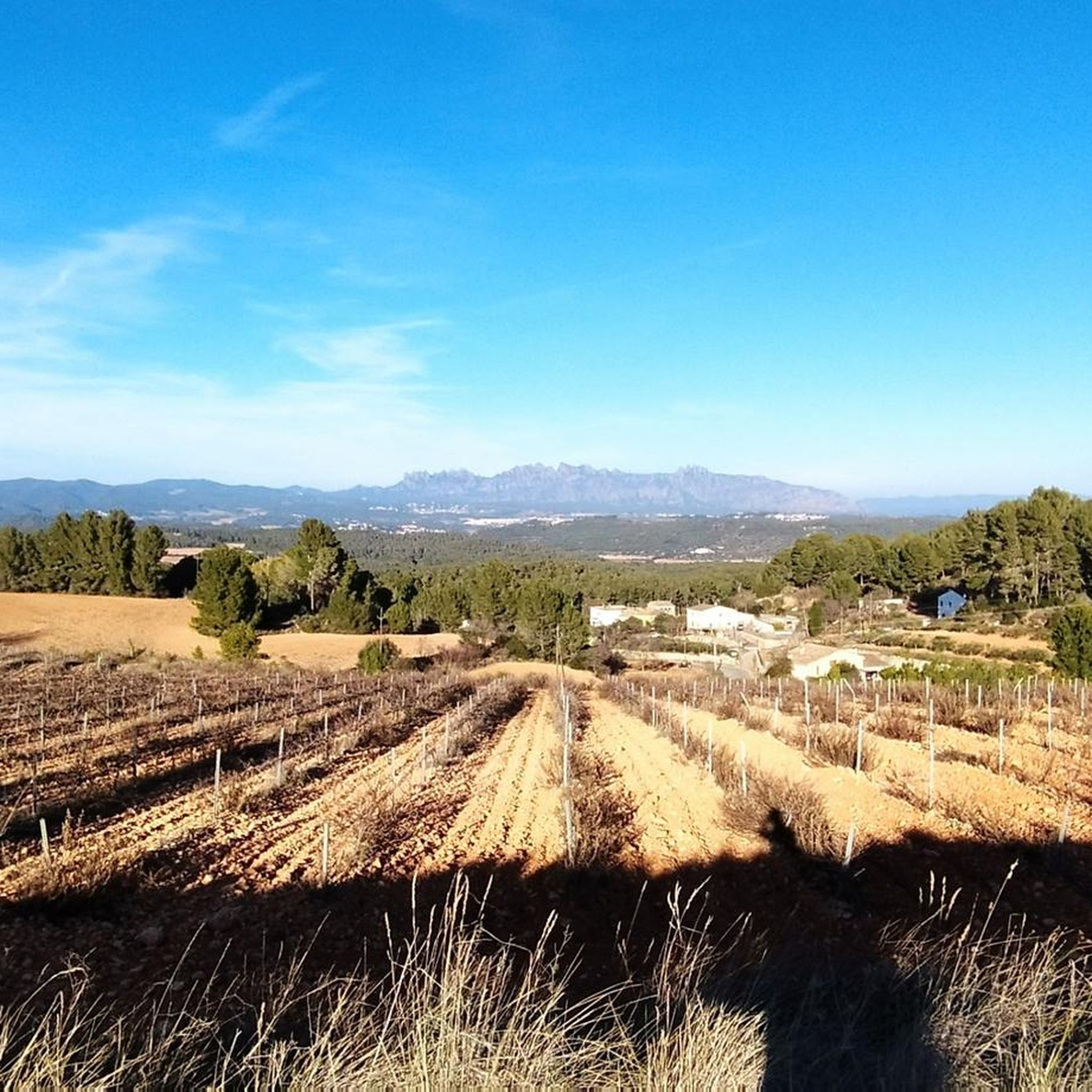
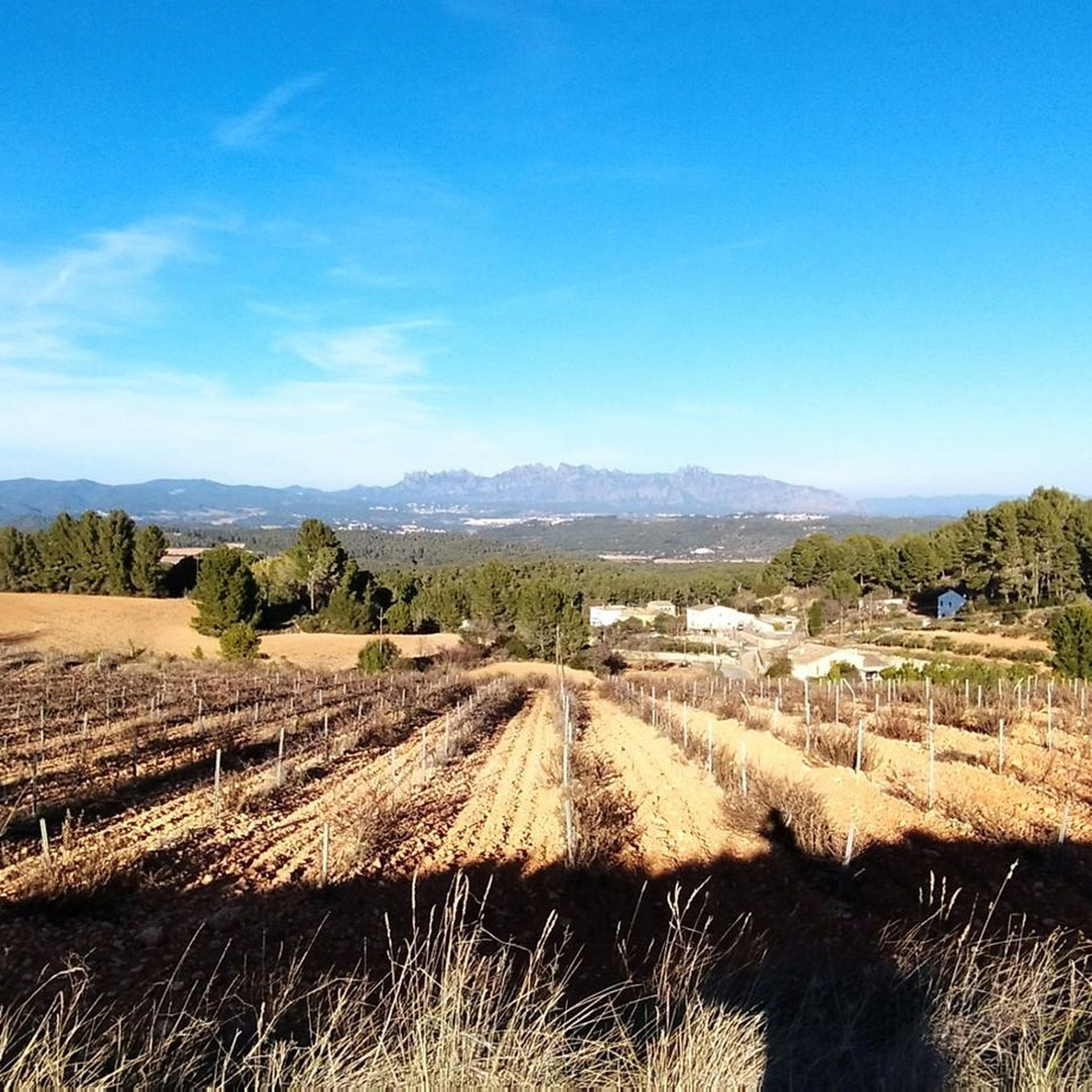
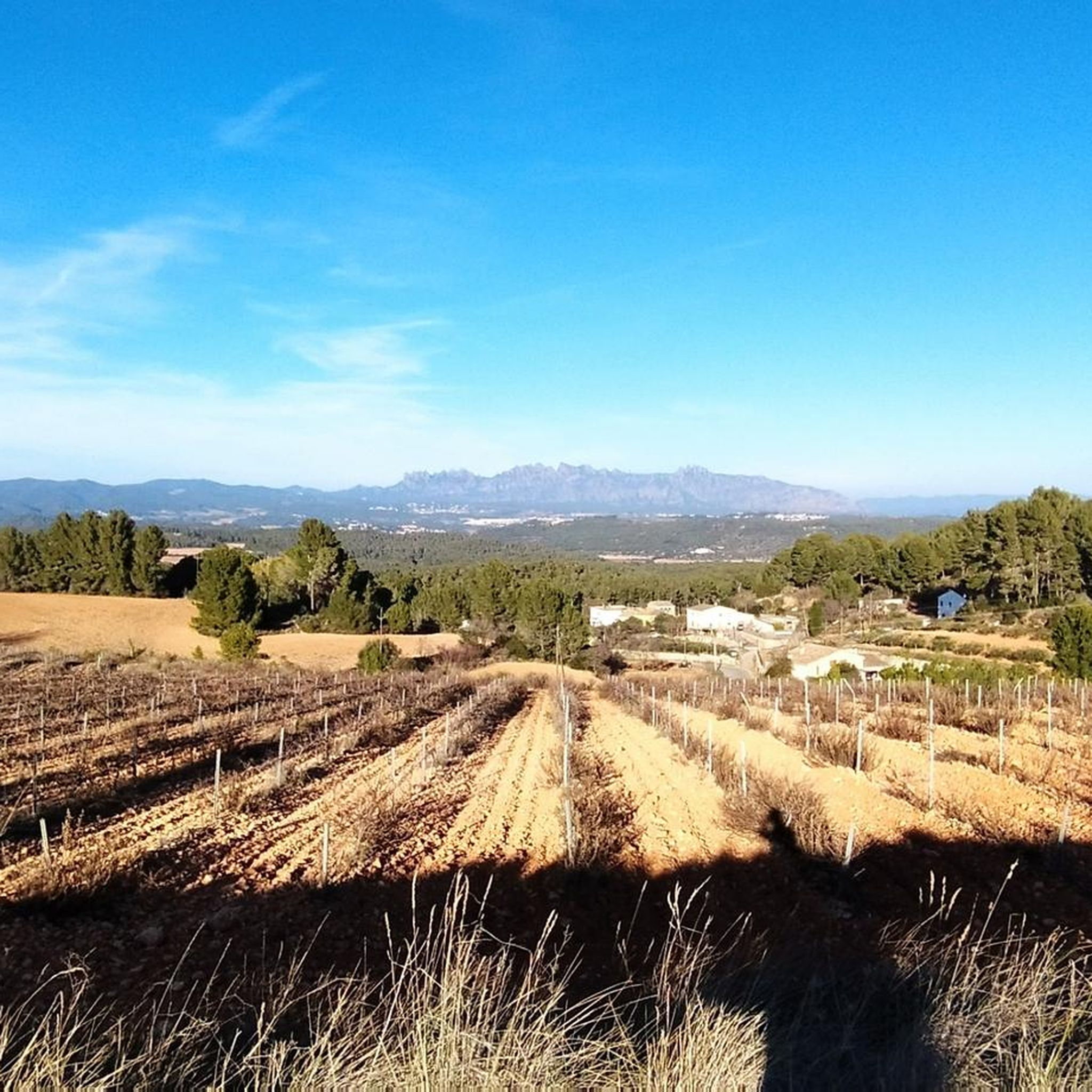
- Another must-see spot is L'Avellà, a small inhabited nucleus surrounded by vineyards and country houses. It is an obligatory step on the ascent to Alto de Font-rubí and features notable buildings like Villa Josefa Formosa and Can Gol.
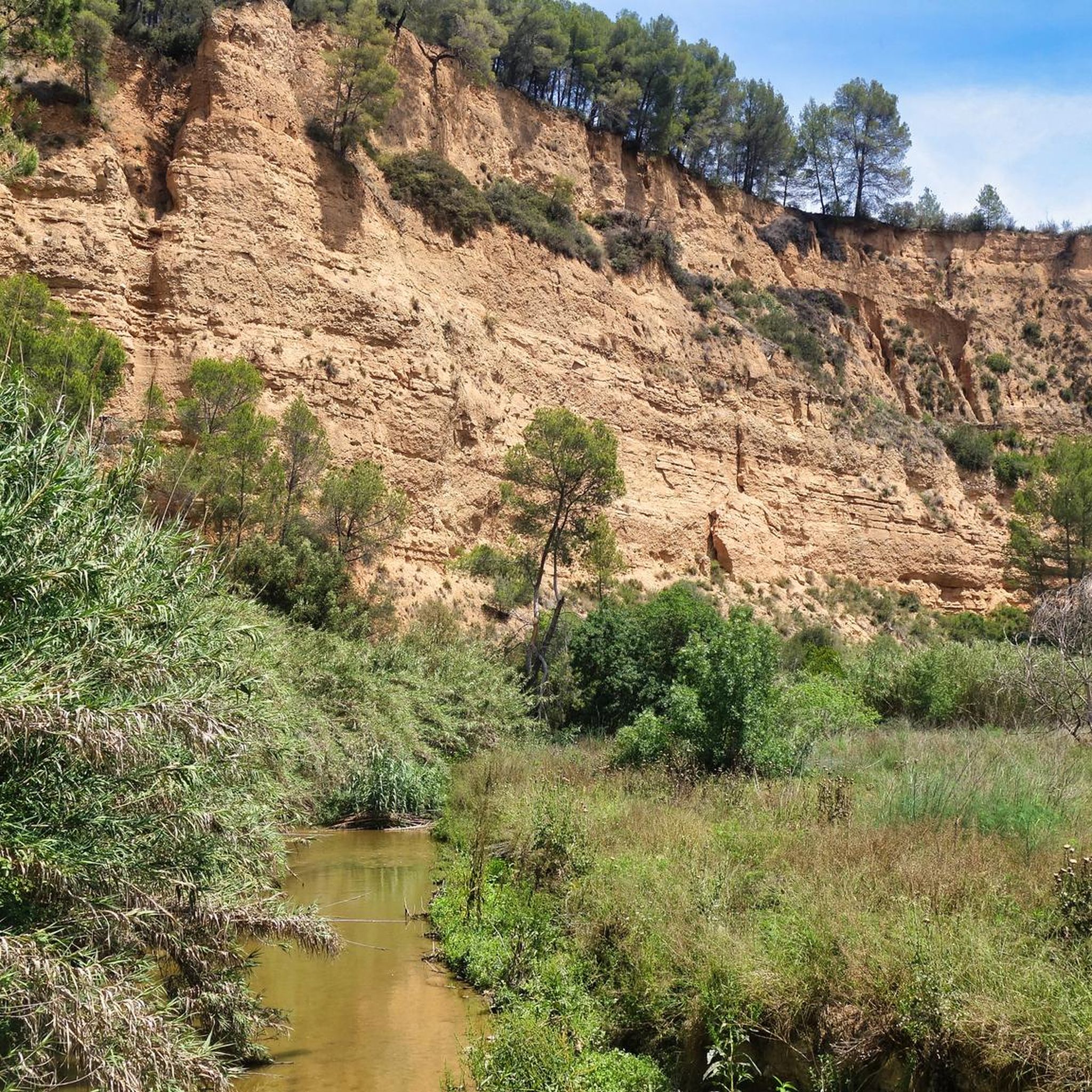
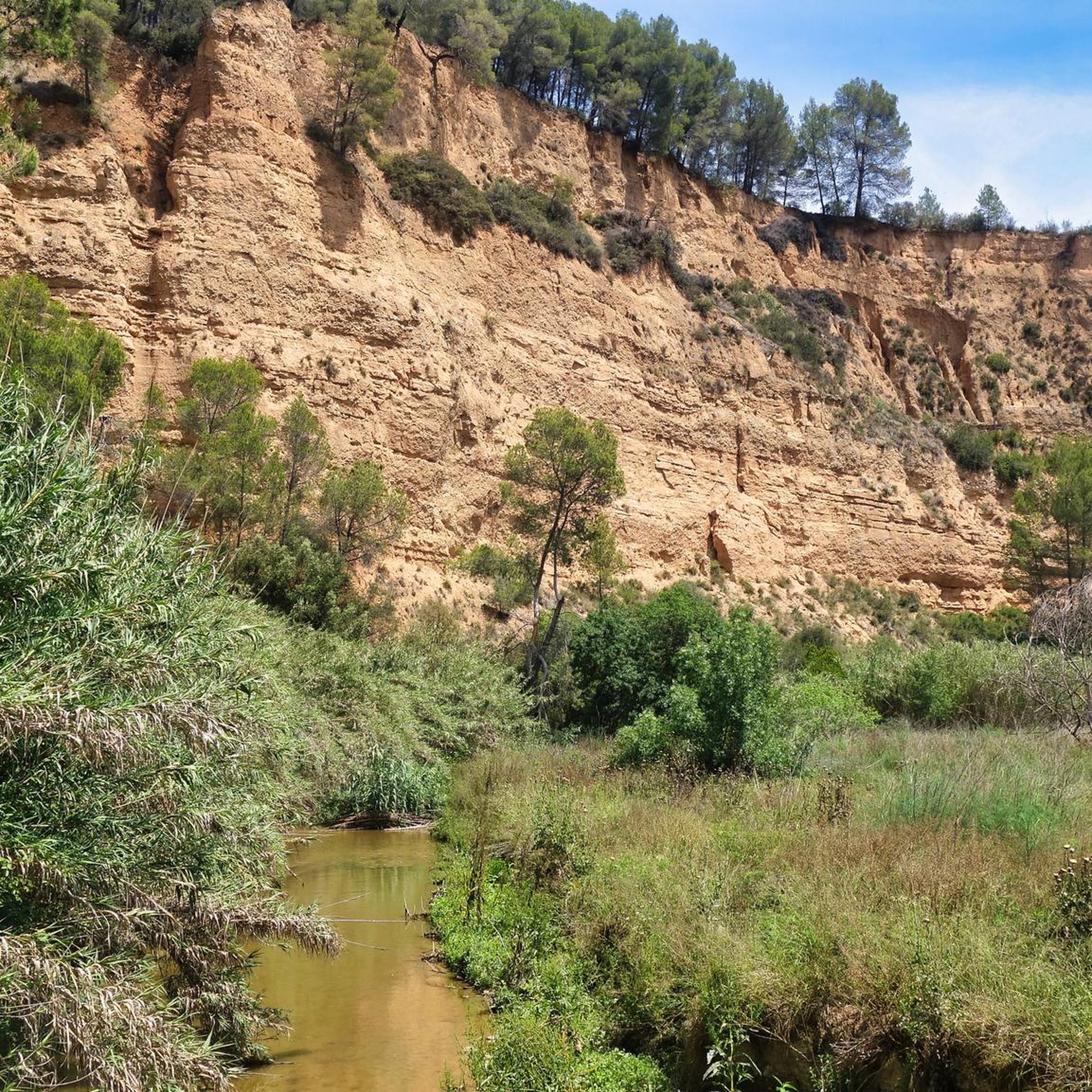
- Visitors also love Can Rimundet's Waterfall, a beautiful waterfall located in Sant Llorenç d'Hortons. This natural monument offers a tranquil environment with a lake.
- Cabrera D'Anoia is known for historical sites, natural waterfalls, and charming settlements. The region offers a variety of attractions to see and explore, from ancient castles to Romanesque chapels and numerous waterfalls.
- The attractions around Cabrera D'Anoia are appreciated by the komoot community, with more than 80 upvotes and 30 photos shared across various highlights.
Last updated: June 23, 2026
Monastery of San Sebastián de los Gorgs
Highlight • Religious Site
Showing Translation
Tip by

L'Avellà
Highlight • Settlement
Among these constructions, the Villa Josefa Formosa stands out, a building with a square floor plan and covered with an Arab tile pavilion built in 1902. It is currently renovated and works as a wine tasting room for the Heretat Mont-Rubí winery, which is based in the same locality.
Another singular house is Can Gol, a farmhouse built at the beginning of the 20th century that stands out for its noucentista style, especially for the use in all the openings of its façade of blue tile frames, alternating designs of white and blue squares and a border of blue rhombuses. . The frontal figure of Sant Jordi and the dragon stands out, also made from a tile mosaic.
Translated by Google •
Tip by
Sign up now to discover places like this
Get recommendations on the best single tracks, peaks, & plenty of other exciting outdoor places.
Sign up for free
Can Rimundet's Waterfall
Highlight • Waterfall
Translated by Google •
Tip by

Codorníu Cellars
Highlight • Historical Site
Translated by Google •
Tip by

Castle of La Granada
Highlight • Castle
Translated by Google •
Tip by
Sign up for free to discover even more attractions around Cabrera D'Anoia.
Sign up for free
Already have an account?
Start today with a free account
Your next adventure awaits.
Login or Signup

Tips from the Community


Codorníu (Raventós Group - Codorníu) is a business group of Spanish origin and American property (most of its shares belong to the Carlyle investment fund), dedicated to the production of cava and wine. Founded in Spain in 1551, it is one of the oldest companies in the country; the oldest being the Casa de Ganaderos de Zaragoza. Its turnover in 2018 was 203 million euros and it obtained a consolidated profit of 10.3 million. It has approximately 700 employees spread across ten wineries located in Spain (Catalonia, Aragon, La Rioja, Castile and Leon), the United States and Argentina.
11
0
The Codorniu cellars in San Sadurní de Noya are an important building of Catalan modernism that has been classified as a National Historic-Artistic Monument. They were built by the architect Josep Puig i Cadafalch between 1902 and 1915, with various subsequent interventions by Lluís Bonet i Garí (1930-1980). Tourist visits to these cellars, both by educational centres and the general public, have a long tradition.
11
0

There is little more to add to what Peaknik explains so well. You have to look closely to see the ruins of the castle.
0
0

The number of times I've passed by there and had never seen it.
0
0

Small waterfall hidden under the ctra. It is easy to access, and the place is very beautiful even if people sometimes do not know how to maintain it and the surroundings or the access are sometimes quite dirty.
0
0
It is a beautiful town in a very pleasant and quiet place, with very beautiful landscapes and views. You have to enjoy these places to practice cycling.
0
0

This small nucleus, belonging to the municipality of Avinyonet del Penedès, is primarily known for housing an old Benedictine monastery. It is a complex formed by a single-nave church, with a chapel, bell tower, and a cloister of great sculptural value. Another notable construction is Cal Bou, a 1893 building with a quadrangular floor plan and striking glazed ceramic decorations and cornices that separate the floors.
1
0
Frequently Asked Questions
What historical and cultural sites can I explore around Cabrera D'Anoia?
The region is rich in history. You can visit the ancient Cabrera Castle, dating back to the mid-11th century, which played a vital role in medieval history. Another significant site is the Monastery of Saint Sebastian of the Gorgs, a Romanesque monastery founded in 1030 with a church, bell tower, and a cloister of sculptural value. Also, explore the remains of the Castle of La Granada, which dates from the 10th century, or the Romanesque Chapel of Sant Salvador. For a taste of local heritage, consider the historical Casal dels Móra, Molí de Ca la Fou, and the Medieval Grey Ceramic Ovens.
Where can I experience the natural beauty of Cabrera D'Anoia?
Cabrera D'Anoia is renowned for its natural landscapes, especially its numerous waterfalls. The Torrent de la Bleda and other torrents feature beautiful spots like Salt d'aigua i cova dels Capellans, Salt de la Mala Dona, Salt del Cargol, and Salt dels Cucs. You can also find the tranquil Can Rimundet's Waterfall, which offers a peaceful environment with a lake. The Caves and Chasms of Mamut are another significant natural attraction.
Are there family-friendly attractions in the area?
Yes, several attractions are suitable for families. The Can Rimundet's Waterfall is a great place to discover with family, offering a waterfall and a lake. The L'Avellà settlement, surrounded by vineyards, is also considered family-friendly, offering pleasant landscapes. Additionally, the Codorníu Cellars, while a historical site, offer tourist visits that can be an engaging experience for older children and adults.
What kind of outdoor activities can I do near these attractions?
The region offers a variety of outdoor activities, particularly hiking, cycling, and mountain biking. You can find numerous trails that explore the forested and mountainous terrain, often leading to waterfalls and scenic viewpoints. For detailed routes, you can explore guides like Hiking around Cabrera D'Anoia, Cycling around Cabrera D'Anoia, and MTB Trails around Cabrera D'Anoia.
Are there specific hiking trails to explore the waterfalls?
Absolutely. Cabrera D'Anoia is known for its waterfall hikes. Popular routes often start from Canaletes and lead to waterfalls like Salt d'aigua i cova dels Capellans, Salt de la Mala Dona, and Salt del Cargol. These trails allow you to experience the humid and relaxing environment of the Bleda stream. You can find specific routes in the Hiking around Cabrera D'Anoia guide, such as the 'Snail Waterfall – Mala Dona Waterfall loop from Canaletes'.
What are some unique cultural experiences related to wine in the region?
Cabrera D'Anoia is integrated into the Penedès DO, a region famous for its wine production. You can visit sites like Can Feixes to discover and taste wines from small family brands. Nearby, the Codorníu Cellars in Sant Sadurní de Noya offer a significant example of Catalan Modernism and are a major tourist attraction, providing insight into cava production. Villa Josefa Formosa, near Cabrera D'Anoia, also functions as a wine tasting venue for the Heretat Mont-Rubí winery.
What is L'Avellà and what can I see there?
L'Avellà is a charming small inhabited nucleus belonging to the municipality of Font-rubí, surrounded by vineyards and country houses. It's a notable stop on the ascent to Alto de Font-rubí. Here, you can admire significant buildings like Villa Josefa Formosa, a 1902 building now used for wine tasting, and Can Gol, an early 20th-century farmhouse known for its Noucentista style and distinctive blue tile frames on its facade.
What is the significance of the Codorníu Cellars?
The Codorníu Cellars, located in Sant Sadurní de Noya, are an important example of Catalan Modernism. Built by architect Josep Puig i Cadafalch between 1902 and 1915, they are classified as a National Historic-Artistic Monument. They represent one of the oldest companies in Spain, dedicated to the production of cava and wine, and offer popular tourist visits.
Are there any less-known or 'hidden gem' spots to discover?
Beyond the main attractions, the region holds several less-known points of interest. The numerous waterfalls along the Bleda stream, such as Salt del Cargol with its 35-meter gorge descent, offer secluded and beautiful experiences. The Caves and Chasms of Mamut provide a unique natural exploration. Additionally, the early 20th-century farmhouse Can Gol in L'Avellà, with its distinctive Noucentista style, is a charming architectural hidden gem.
What kind of terrain characterizes the Cabrera D'Anoia area?
The landscape of Cabrera D'Anoia is primarily characterized by forested and mountainous terrain. This topography is crisscrossed by numerous torrents that carve out beautiful, secluded spots, particularly known for their waterfalls. The area also features extensive vineyards, as it is integrated into the Penedès DO, adding to its picturesque agricultural landscape.
Can I find any religious or spiritual sites in the vicinity?
Yes, the region has significant religious sites. The Monastery of Saint Sebastian of the Gorgs is a Romanesque monastery founded in 1030, featuring a church, bell tower, and a cloister. The Chapel of Sant Salvador, with Romanesque origins, is also the church of the old Cabrera Castle, offering a glimpse into the area's spiritual past.
Most popular routes around Cabrera D'Anoia
Most popular attractions around Cabrera D'Anoia

Get inspired with the komoot mobile app


Explore more
Still not found the Highlight you’re looking for? See guides of the top attractions in other regions:
