The best road cycling routes around Lovö naturreservat
4.1
(253)
6,796
riders
182
rides
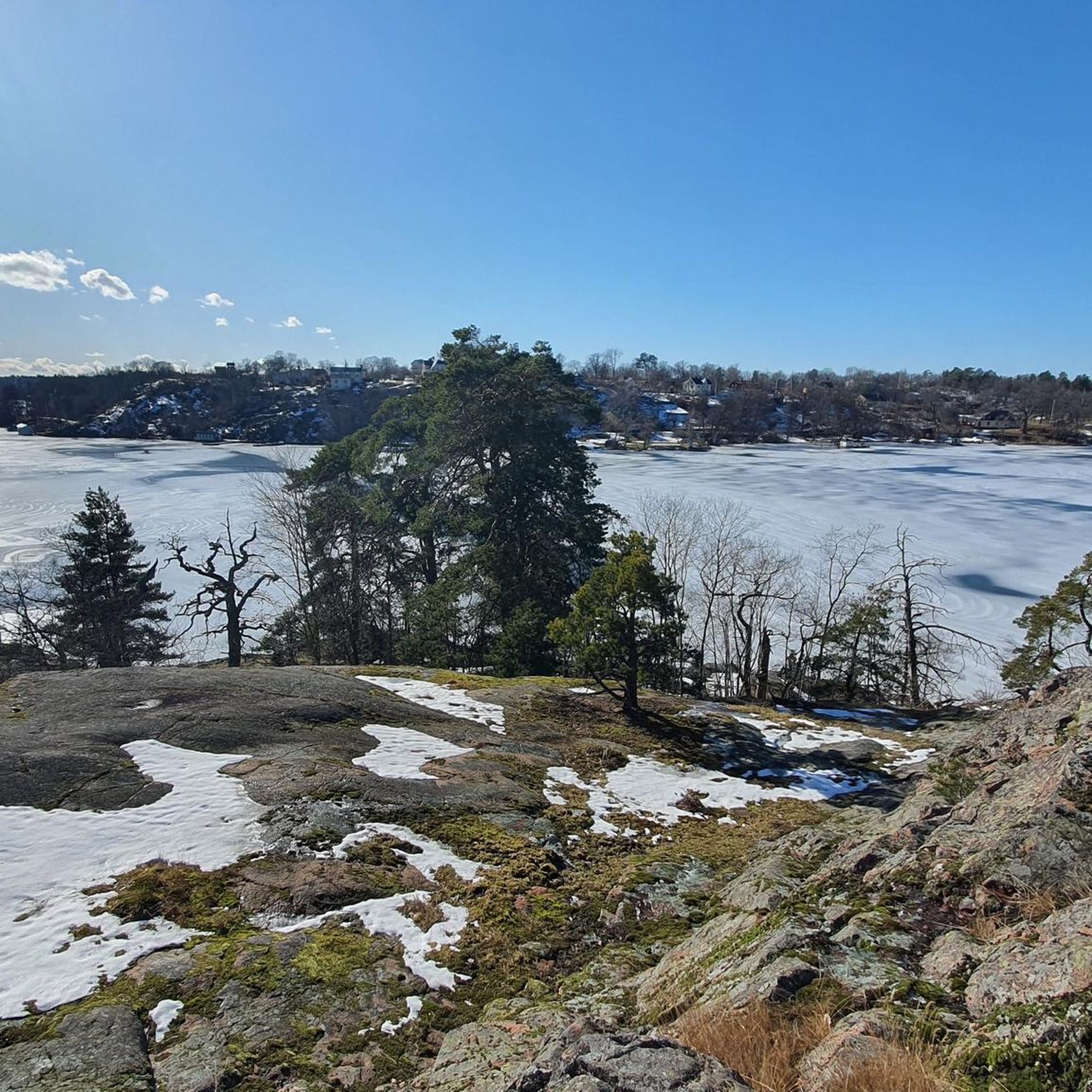
Road cycling around Lovö naturreservat traverses an island landscape characterized by a mix of woodlands, open fields, and proximity to Lake Mälaren. The terrain generally features gentle undulations, making it accessible for various skill levels. This natural reserve, located west of Stockholm, offers a network of paved roads suitable for road bikes. The area's geography provides scenic views of the surrounding water and natural environment, including ancient oak forests and cultivated fields.
Best road cycling routes around Lovö naturreservat
- The…
Last updated: July 5, 2026
4.8
(6)
181
riders
88.9km
03:41
560m
560m
Moderate road ride. Good fitness required. Mostly well-paved surfaces and easy to ride.
4.0
(2)
121
riders
85.6km
03:51
630m
630m
Moderate road ride. Good fitness required. Some segments of this route may be unpaved and difficult to ride.

Sign up for free
115
riders
Easy road ride. Great for any fitness level. Mostly well-paved surfaces and easy to ride.
5.0
(1)
41
riders
109km
04:48
770m
770m
Moderate road ride. Good fitness required. Some segments of this route may be unpaved and difficult to ride.
15
riders
Moderate road ride. Good fitness required. Mostly well-paved surfaces and easy to ride.
Get access to more routes and recommendations from other explorers.
Sign up for free
Already have an account?
Our route recommendations are based on thousands of hikes, rides, and runs completed by other people on komoot.
Start today with a free account
Your next adventure awaits.
Login or Signup
Tips from the Community

Riddarholmen is the historical core of Stockholm, with buildings from different eras. The oldest is the Riddarholm Church, which was consecrated around the year 1300. From 1634 and until 1950, the church was the royal burial place. Originally, the Riddarholm Church was part of a monastery. It was founded by the Franciscan order around 1270 on land donated by King Magnus Ladulås. The king chose the church as his final resting place and was buried there after his death in 1290. Magnus Ladulås was the son of Birger Jarl, who is believed to have founded Stockholm in the 1250s. In 1527, during the reign of King Gustav Vasa, the Reformation took place in Sweden. It meant that the crown confiscated the property of the church and the monasteries. The purpose was to break the power of the church and obtain funds for defense. On the west side of the island, Gustav Vasa ordered the construction of two cannon towers and a middle wall. The towers are preserved in the lower levels of the Birger Jarl Tower and in the south tower of the Wrangelska Palace. In the 17th century, Sweden developed into a great power and Stockholm's urban environment was modernized. The crown donated building land to the high nobility, who in the 1630s and 40s built palaces in the contemporary Renaissance style. In the second half of the 17th century, alterations and extensions were carried out in the imposing Baroque style. Some of the leading architects of the time were hired. Jean de la Vallée and Nicodemus Tessin the Elder designed the Wrangelska Palace. After the castle fire of 1697, the palace remained the royal residence for 57 years. In the 18th century, the crown began to take over the palaces. They were made into state administrative buildings and seats of Sweden's highest judicial institutions. In the 19th century and until about 1950, Riddarholmen was also an entry point for shipping on Lake Mälaren. One of the country's largest steamship ports was located on the west side of the island, where a quay was built. In the 1960s, it became a recreational park.
1
0

A popular cycling route just outside the city, offering a peaceful ride through green parks and quiet paths.
0
0

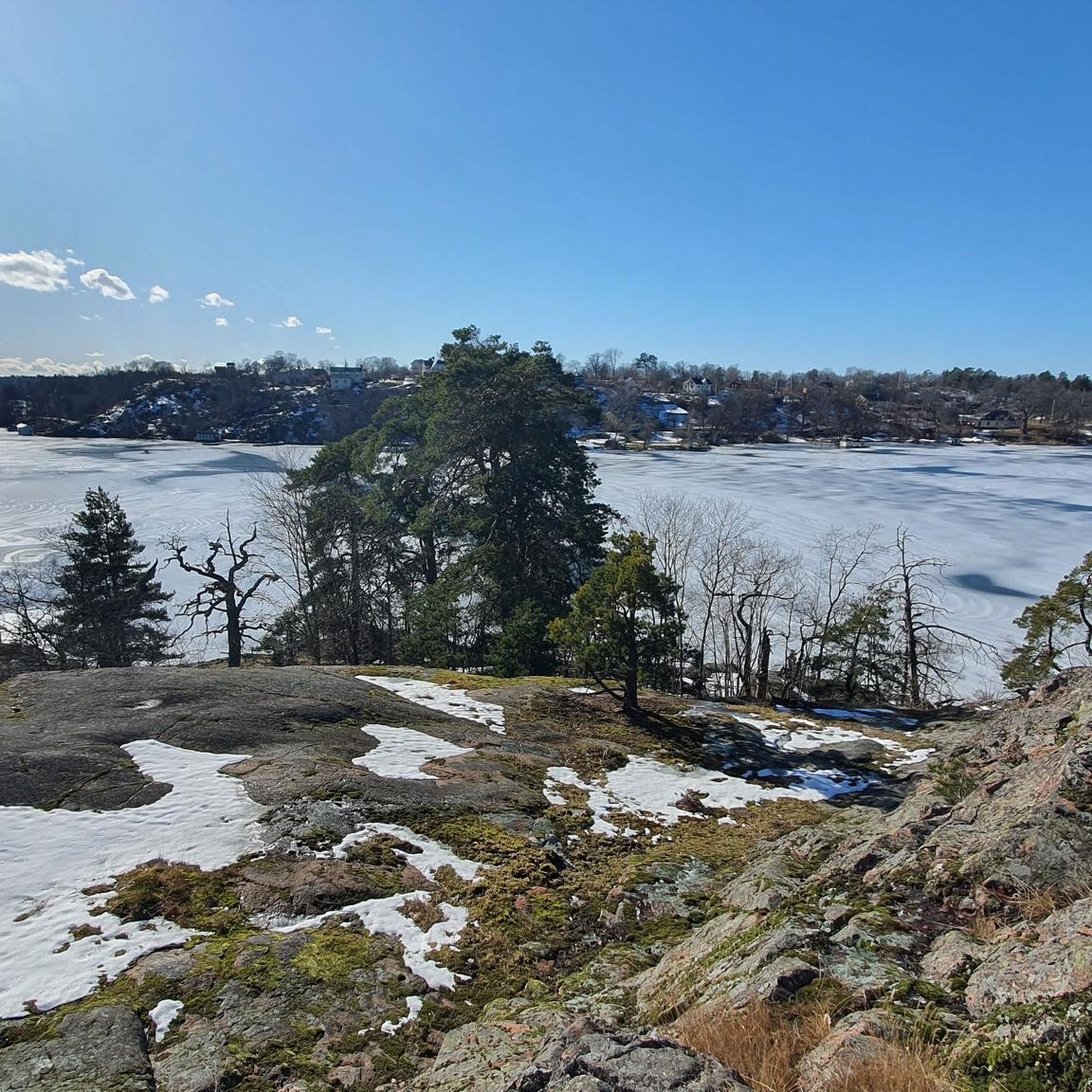
Gömmarens Nature Reserve, centered around the crystal-clear Lake Gömmaren just south of Stockholm, features forest trails, rocky cliffs by the water, a small sandy beach for swimming, and excellent spots for hiking, fishing and horseback riding year-round.
0
0

The bridge on both sides has gradual asce t. So it is pretty easy to keep the steady pace. At both ends, you can speed up your pace.
0
0

It's fun to lean downhill in the curves
0
0

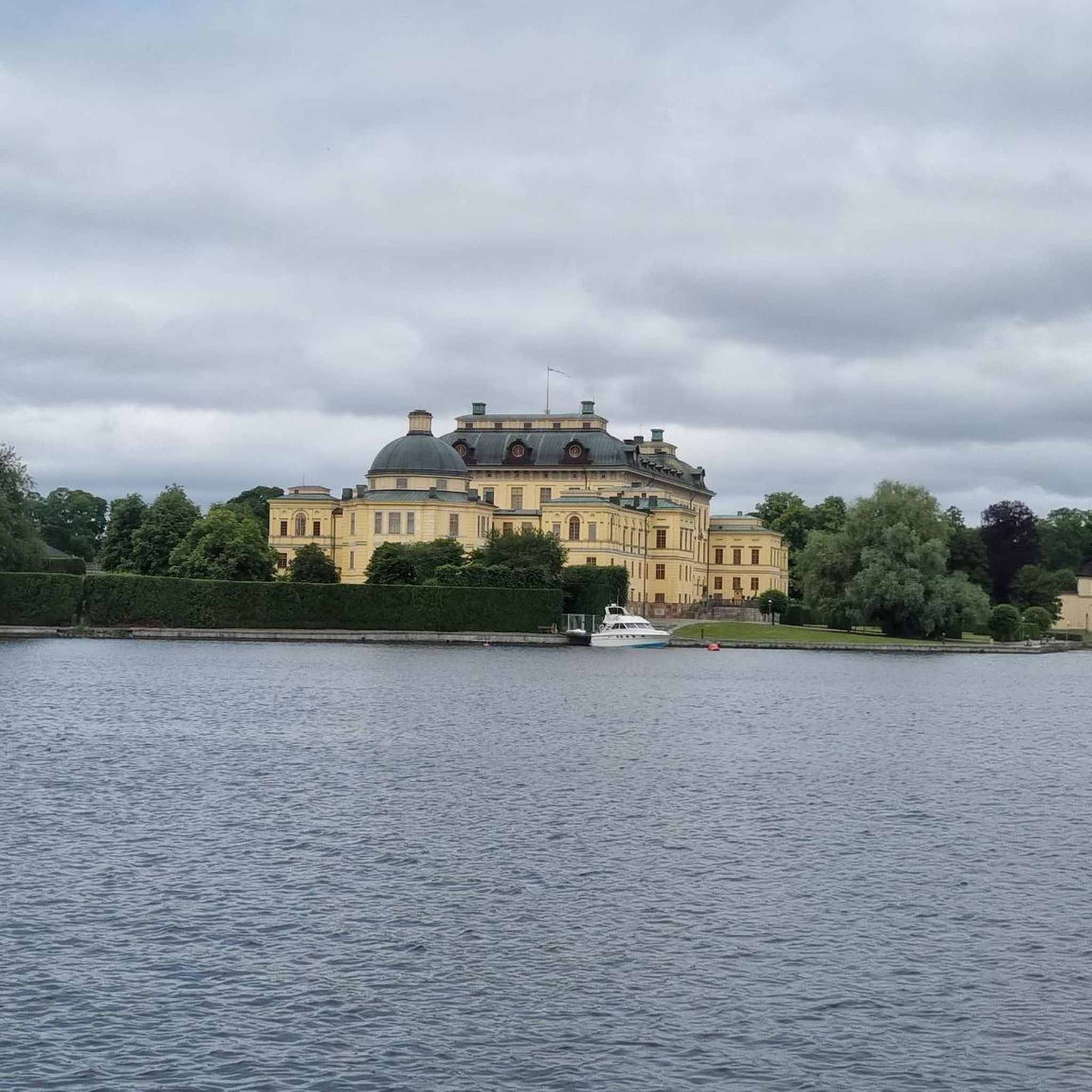
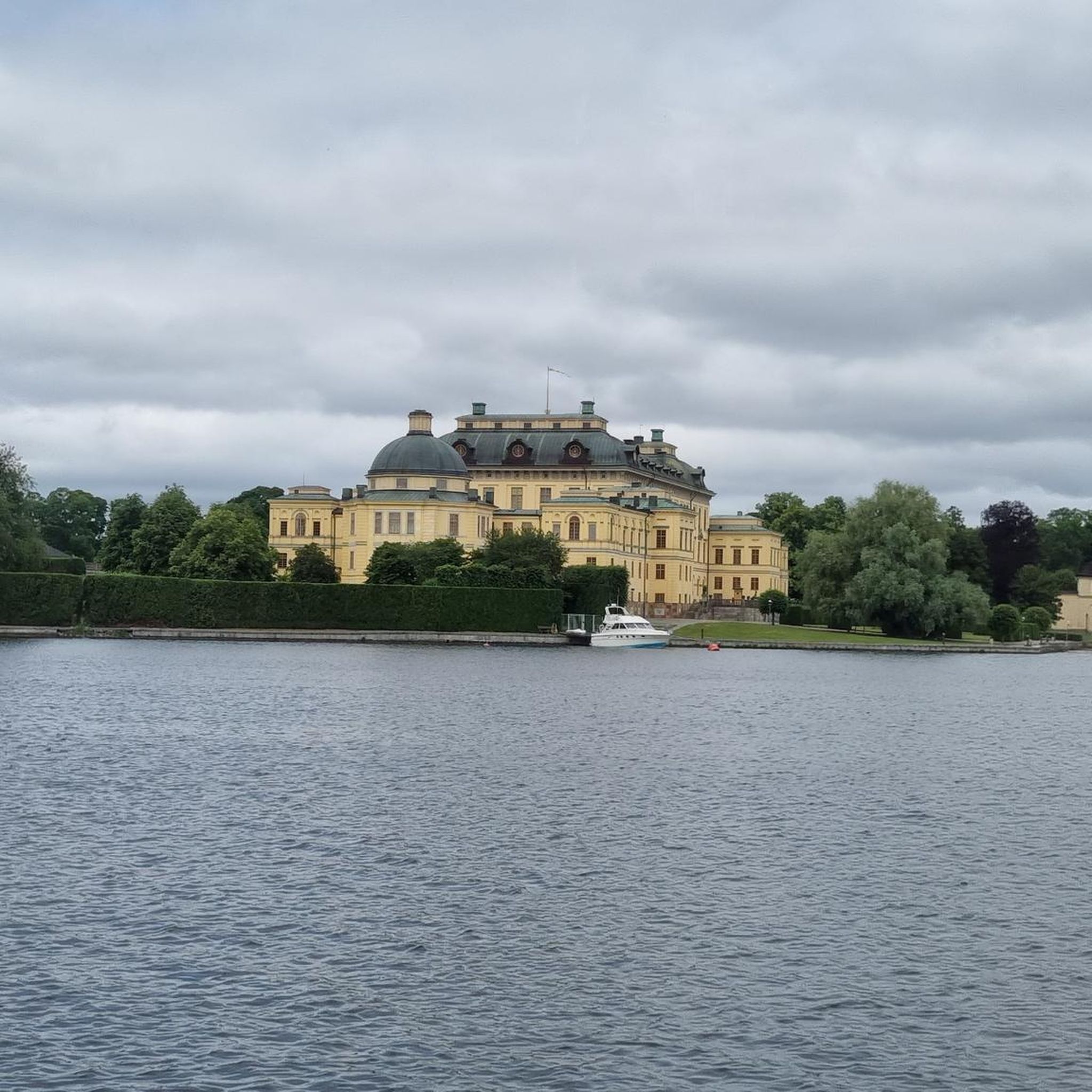
This perfectly straight tree-lined avenue leads to Sturehovs Castle, an 18th-century manor house in Botkyrka, known for its beautifully preserved interiors. The main building, designed by Carl Fredrik Adelcrantz, is considered one of the finest examples of manor houses from the Gustavian period. The manor boasts a rich collection of period furnishings, artwork and exquisite decorative elements, including rare cocklestoves and Neoclassical décor.
0
0

Riddarholmskyrkan, the resting place of the Swedish kings. A church steeped in history. Very interesting and worth seeing. It's best to buy a combined ticket, which includes the castle, the antique museum, the Three Crowns Museum and the treasury. Not only do you save a lot, you also get to see a lot.
3
0

Impressive building, worth seeing.
1
0
Frequently Asked Questions
How many road cycling routes are available in Lovö naturreservat?
Lovö naturreservat offers a wide selection of road cycling routes, with nearly 200 options to explore. These routes cater to various skill levels, from easy rides to more challenging experiences.
What kind of terrain can I expect when road cycling in Lovö naturreservat?
The terrain in Lovö naturreservat is characterized by gentle undulations, making it accessible for various skill levels. You'll cycle through a mix of woodlands, open fields, and enjoy scenic views of Lake Mälaren, all on paved roads suitable for road bikes.
Are there easy road cycling routes suitable for beginners in Lovö naturreservat?
Yes, Lovö naturreservat has over 40 easy road cycling routes. These often feature smooth surfaces and minimal elevation gain, making them ideal for leisurely cycling and beginners looking for a relaxed ride.
Are there any challenging road cycling routes for experienced riders?
For experienced riders seeking a more demanding experience, Lovö naturreservat offers nearly 30 challenging routes. These can include longer distances or more sustained climbs through the reserve's varied terrain.
What are the options for parking when visiting Lovö naturreservat for road cycling?
While specific parking locations are not detailed in the route data, as a nature reserve located near Stockholm, Lovö naturreservat typically has designated parking areas at key entry points or trailheads. It's advisable to check local municipality or park information for the most current parking details before your visit.
Can I access Lovö naturreservat by public transport for road cycling?
Lovö naturreservat is situated west of Stockholm, and public transport options are generally available from the city. Buses often serve the area, providing access to various points within or near the reserve. We recommend checking the local public transport provider's website for routes and schedules that accommodate bicycles.
What can I see along the road cycling routes in Lovö naturreservat?
As you cycle through Lovö naturreservat, you can explore several interesting landmarks. Consider visiting the Ancient Burial Ground, or the World War II Anti-Aircraft Battery Remains on Lovö for a historical perspective. The Lovö Scenic Loop and Medieval Church also offers a blend of natural beauty and cultural heritage.
Are there any loop routes for road cycling in Lovö naturreservat?
Many of the road cycling routes in Lovö naturreservat are designed as loops, allowing you to start and finish at the same point without retracing your path. These circular routes are popular for exploring the diverse landscapes, including woodlands, open fields, and views of Lake Mälaren.
What do other road cyclists enjoy most about cycling in Lovö naturreservat?
The area is highly rated by the komoot community, with an average score of 4.2 stars from over 230 reviews. Reviewers often praise the varied scenery, the well-maintained paved roads, and the peaceful atmosphere that allows for an enjoyable cycling experience amidst nature.
Is Lovö naturreservat suitable for family-friendly road cycling?
Yes, the generally gentle undulations and numerous easy routes make Lovö naturreservat suitable for family-friendly road cycling. The paved surfaces and scenic environment provide a pleasant setting for families to enjoy a ride together, especially on the less challenging paths.
Are there cafes or places to stop for refreshments along the road cycling routes?
While the guide data does not specify cafes directly on the routes, as a popular nature reserve near Stockholm, Lovö naturreservat and its surrounding areas typically offer opportunities for refreshments. You might find cafes or small eateries in nearby villages or at popular viewpoints, especially during peak seasons.
Most popular routes around Lovö naturreservat
Most popular attractions around Lovö naturreservat

Get inspired with the komoot mobile app


Explore more
Browse the best Road cycling routes in other regions.
