Attractions and Places To See around Cabezarrubias Del Puerto - Top 20
Attractions and places to see around Cabezarrubias Del Puerto include natural features and historical sites within the Parque Natural del Valle de Alcudia y Sierra Madrona and Sierra Morena. The region features oak-covered hills and the Valle del Río Tablillas, offering diverse landscapes. Historical points of interest range from ancient fortifications to Roman road vestiges and cave paintings. The area also preserves cultural heritage through sites like the Centro de Interpretación de la Trashumancia.
Best attractions and places to see…
Last updated: July 2, 2026
Puertollano
Highlight • Settlement
Translated by Google •
Tip by

Batanera Waterfall
Highlight • Waterfall
Translated by Google •
Tip by
Sign up now to discover places like this
Get recommendations on the best single tracks, peaks, & plenty of other exciting outdoor places.
Sign up for free
La Batanera Rock Art Site
Highlight • Historical Site
Translated by Google •
Tip by
Peñaescrita Cave Paintings
Highlight • Historical Site
Translated by Google •
Tip by
The Almodóvar Mill
Highlight • Monument
Translated by Google •
Tip by
Sign up for free to discover even more attractions around Cabezarrubias Del Puerto.
Sign up for free
Already have an account?
Start today with a free account
Your next adventure awaits.
Login or Signup
Popular around Cabezarrubias Del Puerto


Tips from the Community

On the hill of Cerro de los Molinos you can see the ruins of an old windmill built in the 18th century, near the old castle, which is why this place is popularly known as El Castillo. The historic castle was a fortress with four stone towers, surrounded by high walls and thick walls, with a moat around it, built during the Islamic domination of the Peninsula. These data are known from historical documents, but there are no current vestiges of their presence.
29
0
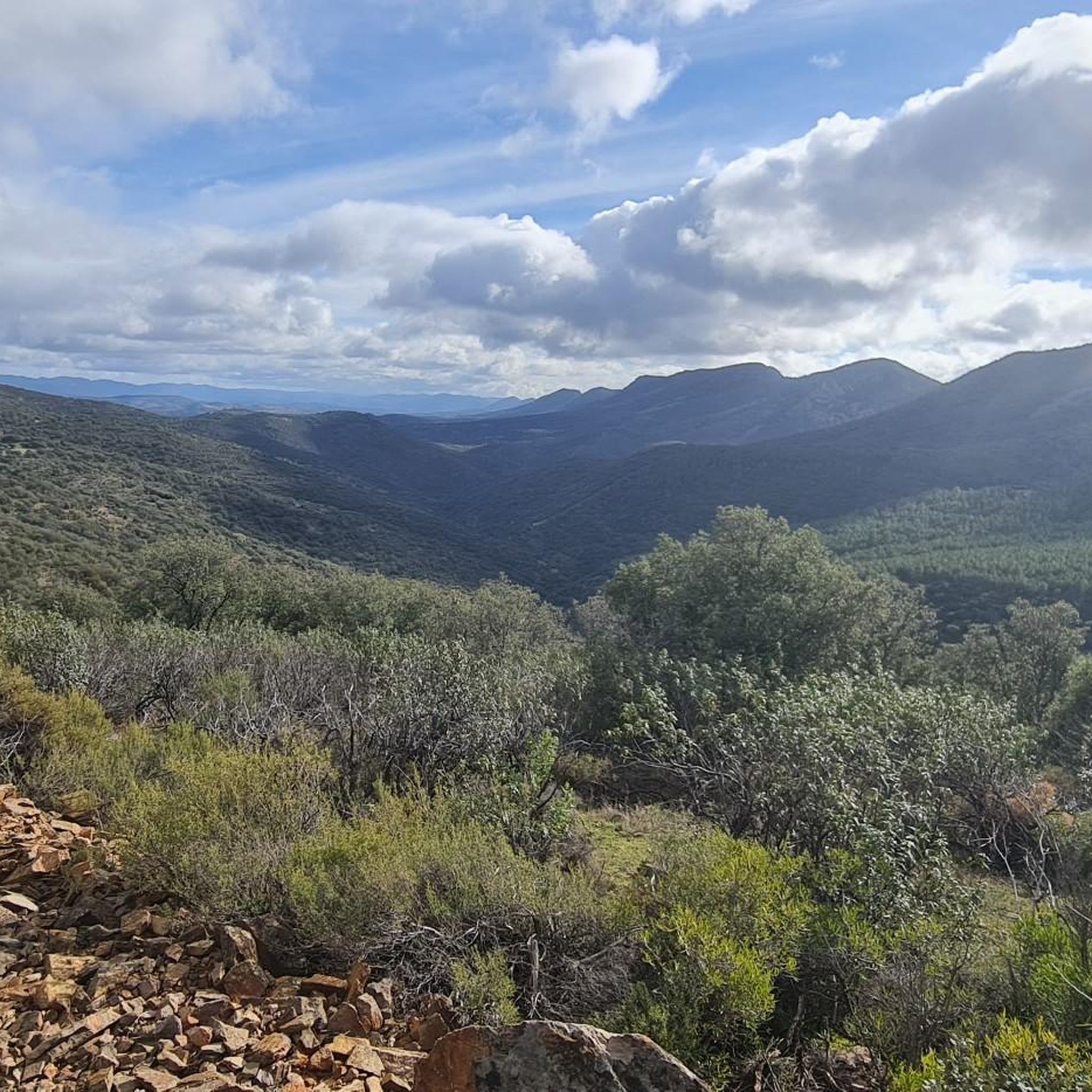
The Batanera Waterfall and Shelter is located in the Alcudia Valley and Sierra Madrona Natural Park. Route 10.- LAS LASTRAS- LA BATANERA
16
0

The Sierra Madrona has this, spaces like the Cascada de la Batanera, a river that forms a waterfall full of life and charm, ideal for passing by and cooling off!
2
0
Area where stones appear in the background and where there are a group of rock paintings that show us how old these areas are, already inhabited since time immemorial.
0
1
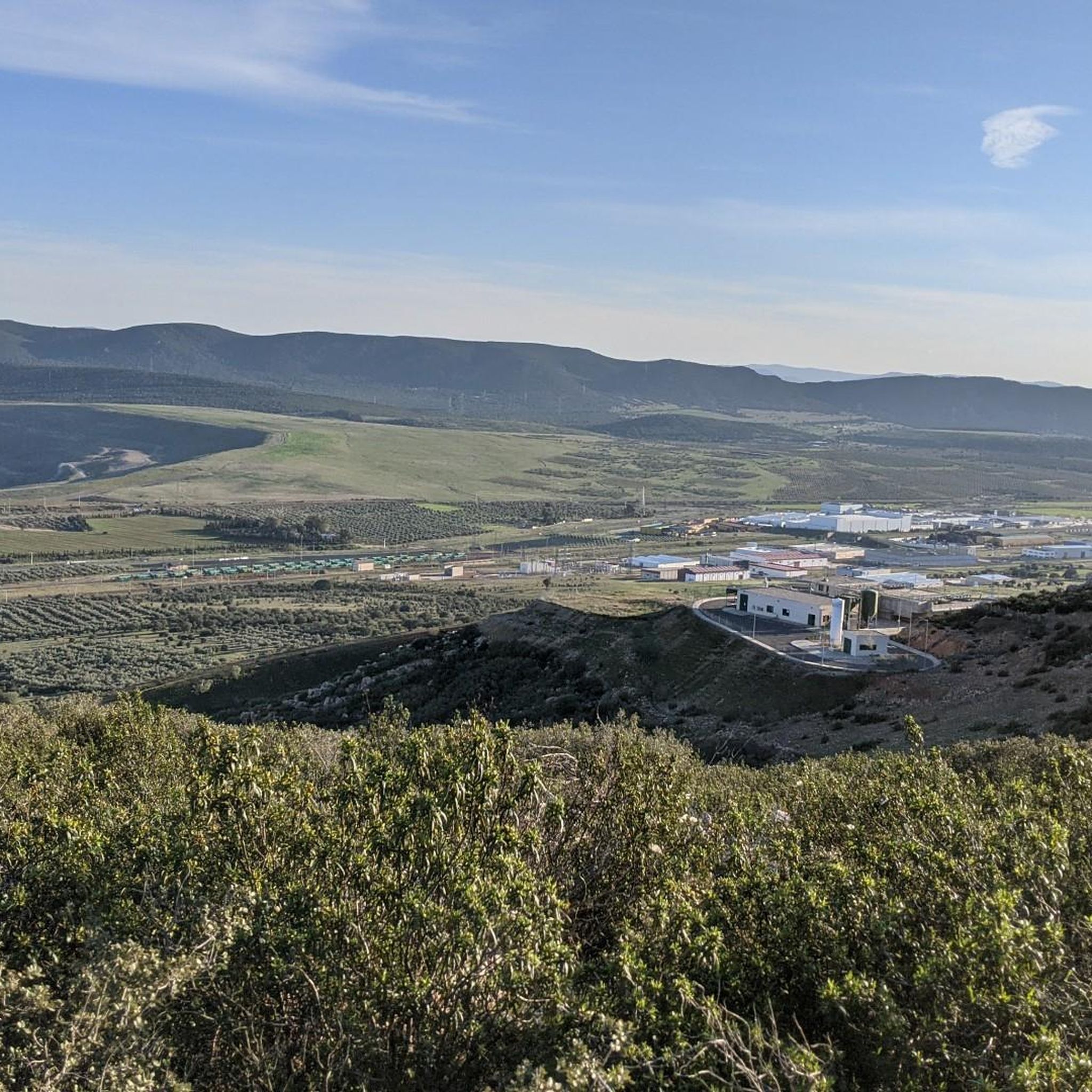
Located at the foot of the Monument to the Miner, an imposing bronze sculpture, the work of Pepe Noja, which represents the mining history of the city, borders the volcanic area of Campo de Calatrava and in its vicinity is the Valley of Alcudia. Mining activity is of special importance with the Mining Museum, a building that surrounds an old headframe and simulates a coal selection workshop. On its two floors, the museum discourse addresses the transformation of Puertollano into an industrial city due to the discovery of coal. The mining tradition of this town is very present in its different corners, such as the Castillete de Santa María, which welcomes its visitors at the entrance to the city. It is also worth seeing the Monument to the Miner, mentioned above and located on the Cerro de Santa Ana, from which we will obtain a fantastic panoramic view of the city and its surroundings.
7
0

Puertollano is a Spanish town in the province of Ciudad Real, in the autonomous community of Castilla-La Mancha. Traditionally it has been associated with oil shale and coal mining and industry. The area in which Puertollano is located was inhabited since prehistoric times, finding archaeological remains that correspond to Homo heidelbergensis and Homo antecessor. The city was born during the Middle Ages, linked to the repopulation process of Castile during the 13th century. In the 16th century, Puertollano received the rank of town, a privilege granted by Felipe II. At that time Puertollano is an important agricultural and livestock center. The demographic consolidation of the city occurs at the end of the 19th century, with the development of coal mining and the inauguration of the train line between Madrid and Badajoz. Its cultural heritage corresponds mainly to religious buildings, such as the church of Nuestra Señora de la Soledad (14th century), the church of the Virgen de Gracia (15th century) and the church of La Asunción (16th century). There is also a mining museum, and an old medicinal sour water spa, known as the Casa de Baños and which today is a municipal office for citizen assistance.
3
0
A well-known place in the vicinity of Fuencaliente, where in the same place, you can enjoy a beautiful waterfall and shelters with cave paintings, all surrounded by the mountains and nature that characterize the Sierra Madrona.
32
0
They are located in the municipality of Fuencaliente and are one of the largest and best preserved groups of schematic cave paintings on the Iberian Peninsula. They appear in quartzite rock shelters located south of Ciudad Real province, in the foothills of Sierra Morena, at 920 meters. of altitude.
30
0
Frequently Asked Questions
What natural features can I explore around Cabezarrubias del Puerto?
The region is rich in natural beauty, primarily within the Parque Natural del Valle de Alcudia y Sierra Madrona. You can enjoy the serene landscapes of the Valle del Río Tablillas, known for its Mediterranean vegetation and natural pools. The surrounding oak-covered hills, including the Sierras del Rey and Valdoro, offer opportunities for hiking and wildlife observation. A notable natural highlight is the Batanera Waterfall, located within the natural park.
Are there opportunities for hiking or other outdoor activities near Cabezarrubias del Puerto?
Yes, the area is ideal for outdoor activities. You can find various routes for different sports. For running, explore trails like the "Cascada de la Batanera de Sierra Madrona — circular por las Pinturas rupestres Peña escrita" or the "Puerto de Retamar loop from Cabezarrubias del Puerto". You can find more running trails on the Running Trails around Cabezarrubias Del Puerto guide.
Where can I see ancient cave paintings in the region?
The area is home to significant prehistoric art. You can visit the La Batanera Rock Art Site, which features one of the largest and best-preserved groups of schematic cave paintings on the Iberian Peninsula. Another important site is the Peñaescrita Cave Paintings, where you can see schematic paintings including zigzag triangular signs and human figures made with ocher and black colors.
What historical sites can I visit in Cabezarrubias del Puerto itself?
Within the town, you can visit the Parish Church of San Gabriel Arcángel, a central landmark built in 1965. There are also remnants of ancient fortifications known as the Castillejos del Moro y del Castellar on hilltops, and vestiges of a Roman road near the Tablillas river. An 18th-century spa and laundry facility also offers a glimpse into the town's past.
Is there a place to learn about the local culture or history of the area?
Yes, the Centro de Interpretación de la Trashumancia (Center for the Interpretation of Transhumance) is dedicated to preserving and promoting the historical and cultural significance of transhumance in the Valle de Alcudia. It offers detailed insights through exhibitions and educational activities and also functions as an information and tourism office.
Are there family-friendly attractions around Cabezarrubias del Puerto?
Yes, several attractions are suitable for families. The town of Puertollano, nearby, offers historical and cultural sites, including a Mining Museum, which can be engaging for older children. Additionally, the ruins of The Almodóvar Mill, an 18th-century windmill, provide an interesting historical stop.
What is the best time of year to visit Cabezarrubias del Puerto for outdoor activities?
The gentle topography and Mediterranean climate make Cabezarrubias del Puerto enjoyable for outdoor activities for much of the year. Spring and autumn generally offer the most pleasant temperatures for hiking, cycling, and exploring the natural parks, avoiding the peak heat of summer.
Can I find routes for cycling or gravel biking in the area?
Absolutely. The region offers diverse terrain for cycling and gravel biking. You can explore routes like the "Quinto del Pocho – Hoya del Acebuche loop from Puertollano" for gravel biking, or longer cycling tours such as the "Montoro and Tablillas Reservoirs Loop." More options are available in the Gravel biking around Cabezarrubias Del Puerto guide and the Cycling around Cabezarrubias Del Puerto guide.
What is Puertollano, and why might I visit it?
Puertollano is a Spanish town in the province of Ciudad Real, historically associated with oil shale and coal mining. It offers a rich mining heritage, visible in sites like the Mining Museum and the Monument to the Miner. The town also has religious buildings from the 14th to 16th centuries, such as the church of Nuestra Señora de la Soledad, and provides a fantastic panoramic view from the Cerro de Santa Ana.
What do visitors enjoy most about the attractions around Cabezarrubias del Puerto?
Visitors appreciate the blend of natural beauty and historical significance. The Batanera Waterfall is loved for its natural charm and the nearby cave paintings. The ancient rock art sites, like La Batanera Rock Art Site, are highly valued for their historical depth and preservation. The overall experience is enhanced by the tranquil atmosphere and the opportunity to connect with the rural landscape of Castilla-La Mancha.
Are there any ancient fortifications or Roman vestiges to see?
Yes, you can find remnants of ancient fortifications known as the Castillejos del Moro y del Castellar on hilltops. Additionally, vestiges of a Roman road can be found near the Tablillas river, offering a glimpse into the region's ancient past.
Most popular routes around Cabezarrubias Del Puerto
Most popular attractions around Cabezarrubias Del Puerto

Get inspired with the komoot mobile app


Explore more
Still not found the Highlight you’re looking for? See guides of the top attractions in other regions:
