Attractions and Places To See around Cabezarados - Top 20
Attractions and places to see around Cabezarados include a blend of historical, cultural, and natural sites. Situated in the Tirteafuera river basin within the Campo de Calatrava, the area features rounded hills, oak and olive groves, and volcanic landscapes. Visitors can explore ancient settlements, significant historical monuments, and natural features like volcanic lagoons and river basins. The region offers diverse points of interest for those exploring its unique environment.
Best attractions and places to see around Cabezarados
- The most popular…
Last updated: October 18, 2026
Sheep Bridge
Highlight • Bridge
For using the same, the shepherds …
Translated by Google •
Tip by

El Martinete
Highlight • Historical Site
Translated by Google •
Tip by
Sign up now to discover places like this
Get recommendations on the best single tracks, peaks, & plenty of other exciting outdoor places.
Los Pozuelos de Calatrava
Highlight • Settlement
The Church of Our Lady of the Visitation: With a single nave, covered with a gable roof, equipped with a side tower with a bell tower and entrance door …
Translated by Google •
Tip by
Jurisdictional Pillory of Cabezarados
Highlight • Monument
Translated by Google •
Tip by
Ermita de San Isidro (Cabezarados)
Highlight • Religious Site
Translated by Google •
Tip by
Sign up for free to discover even more attractions around Cabezarados.
Already have an account?
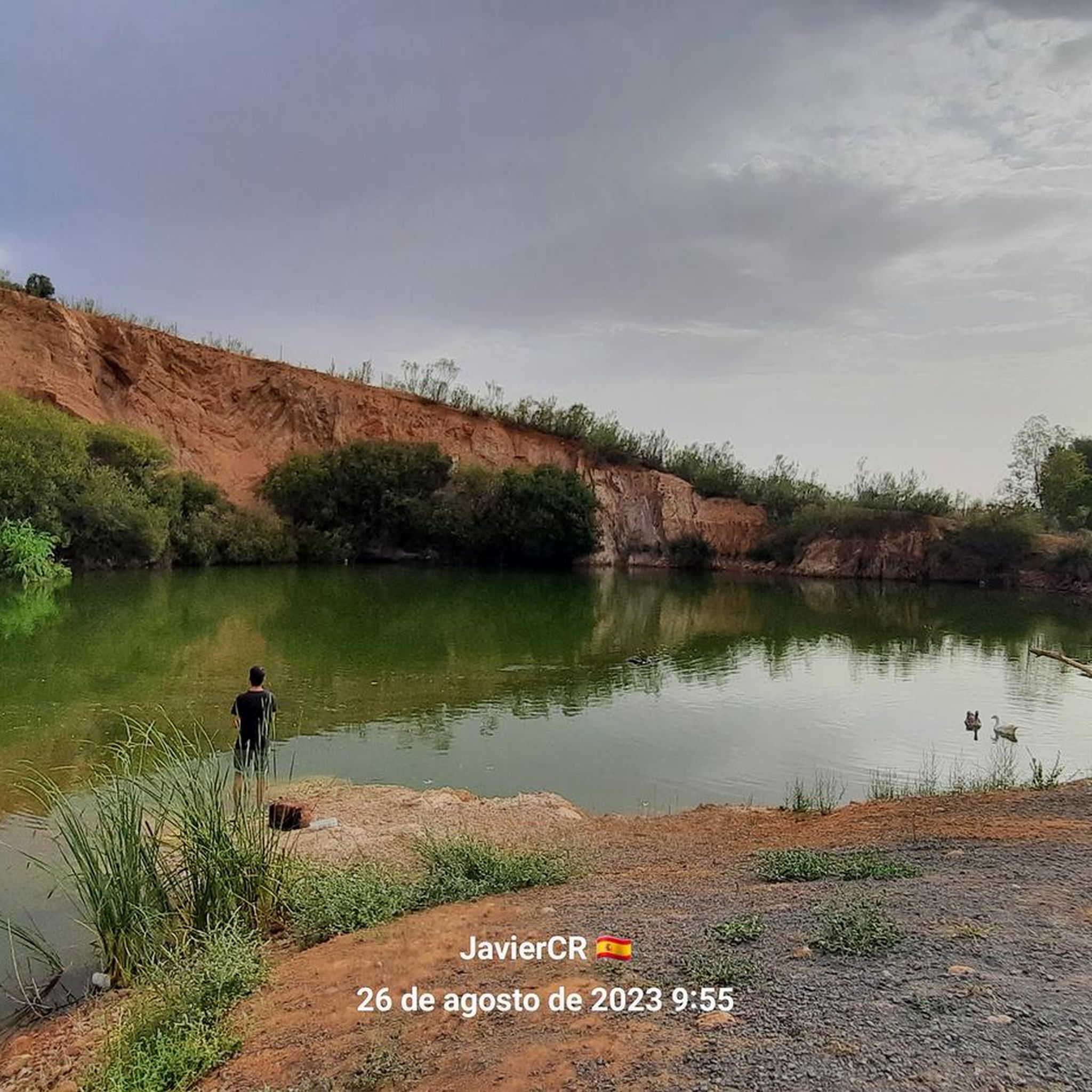
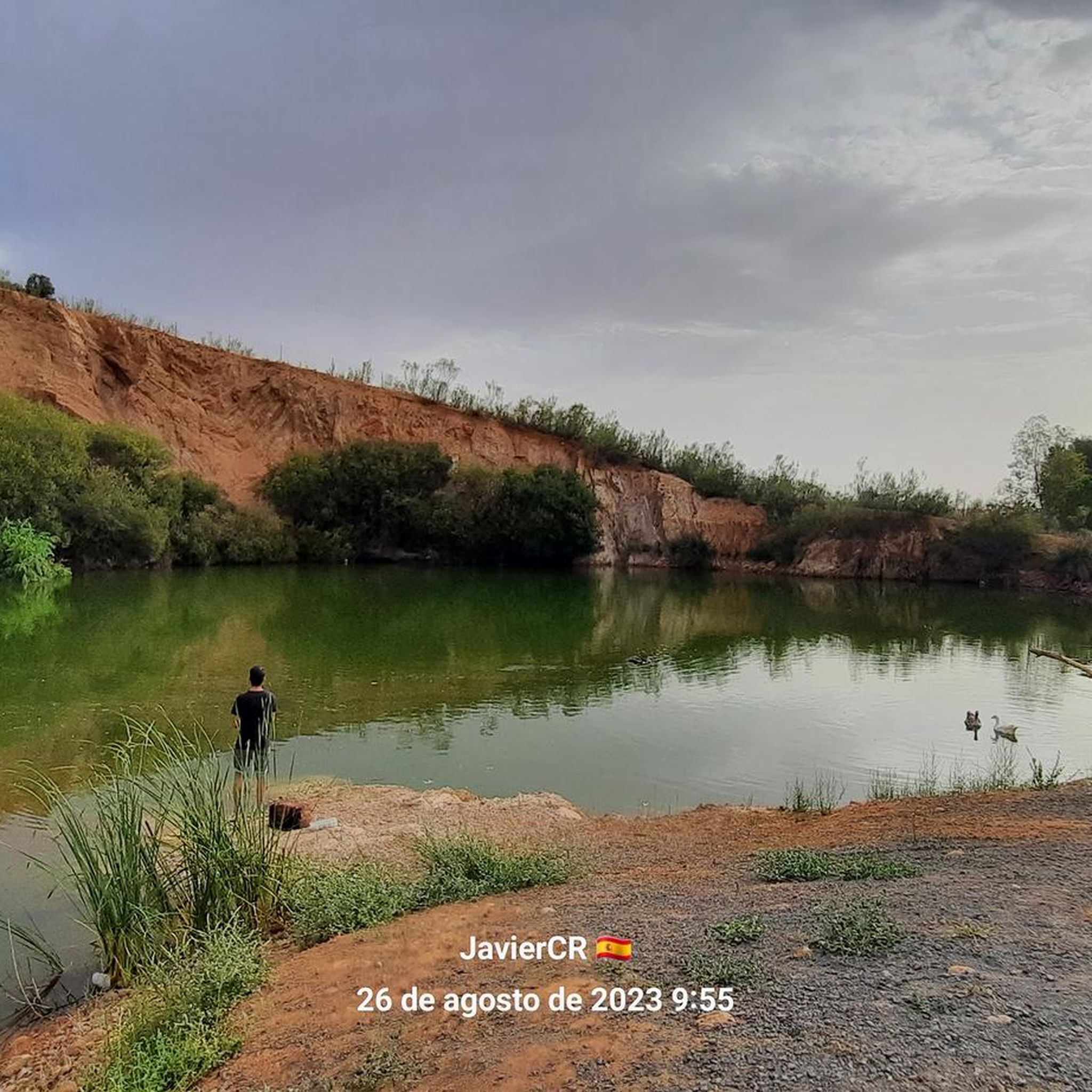

Tips from the Community

On Highway CM-4112, the Hermitage of San Isidro in Cabezarados is a place of great cultural and religious significance for the community. A pilgrimage is held in honor of San Isidro on May 15th, where the townspeople accompany the saint to his hermitage and spend a picnic together. During this celebration, a Mass is held at the hermitage, followed by a day of fellowship under the oak trees, where families enjoy meals specially prepared for the occasion. The hermitage is located in a beautiful natural setting, making it an ideal place to enjoy nature and the tranquility of the countryside.
13
0
On the CM-4112 road. The Hermitage of San Isidro in Cabezarados is a place of great cultural and religious importance for the community. A pilgrimage is held in honour of San Isidro on 15 May, where the townspeople accompany the saint to his hermitage and spend a day in the countryside together. During this celebration, a Eucharist is held in the hermitage, followed by a day of conviviality under the oaks, where families enjoy meals prepared especially for the occasion. The hermitage is located in a very beautiful natural setting, which makes it an ideal place to enjoy nature and the tranquillity of the countryside.
23
0
Cabezarados is located in the Tirteafuera river basin, in the western part of Campo de Calatrava, geographically nestled in the intermediate zone between the Montes de Toledo and the Alcudia Valley. Its natural and scenic surroundings invite you to carry out all kinds of activities related to nature. In the centre of the main square of Cabezarados stands the Jurisdictional Roll from the 15th century. This Roll was dismantled in the first decade of the 20th century, and its pieces distributed among all the residents of the town. On 23 January 1982, the Monuments Commission solemnly inaugurated the restoration of the Jurisdictional Roll that had been achieved after many years.
23
0
Monuments: The Church of Our Lady of the Visitation: With a single nave, covered with a gable roof, equipped with a side tower with a bell tower and entrance door on one side. The walls, built with quartzite, are rendered and whitewashed. Calabazas Castle: From the 13th century, from which only a cylindrical tower made of stone and plastered adobe and the demolished remains of the walls remain. Puente de las Ovejas: Old cattle counter of Roman origin. It is located on the Guadiana River. El Martinete: Iron foundry built around the 40s-50s of the 19th century, next to the Guadiana River, 4.6 km away. north of Los Pozuelos de Calatrava.
21
0
Located in the central part of the province, the surroundings of Los Pozuelos de Calatrava are characterized by presenting a soft relief characteristic of the Campo de Calatrava region. It is crossed from east to west by the Guadiana River and streams such as Fresno. As for its heritage, the Church of Our Lady of the Visitation stands out and it is worth walking along Calle Pozo.
12
0
Monuments: The Church of Our Lady of the Visitation: With a single nave, covered with a gable roof, equipped with a side tower with a bell tower and entrance door on one side. The walls, built with quartzite, are rendered and whitewashed. Calabazas Castle: From the 13th century, from which only a cylindrical tower made of stone and plastered adobe and the demolished remains of the walls remain. Puente de las Ovejas: Old cattle counter of Roman origin. It is located on the Guadiana River. El Martinete: Iron foundry built around the 40s-50s of the 19th century, next to the Guadiana River, 4.6 km away. north of Los Pozuelos de Calatrava.
11
0
Los Pozuelos was the village of Caracuel, achieving its own independence at the end of the 15th century. Its name comes from what this place had in the Middle Ages, when a small farm within the municipality of Caracuel constituted the antecedent of this town, which, as can be seen through the Topographical Relations of 1575, due to its scarce waters, would require to the opening of several small wells to supply the necessary flow.
25
0

Cabezarados is a small town on the banks of the Tirteafuera river between the Montes de Toledo and the Alcudia Valley. Pedaling along the CR-4110 road that crosses the town, you can see the jurisdictional Roll from the 15th century in the main square.
8
0
Frequently Asked Questions
What historical landmarks can I explore in Cabezarados?
Cabezarados is rich in history. You can visit the 15th-century Church of San Juan Bautista, a key religious heritage site. The impressive Jurisdictional Pillory of Cabezarados in the main square symbolizes the town's independence. Other notable sites include the ancient Sheep Bridge, which was used for livestock management, and the remains of the 19th-century El Martinete iron foundry.
Are there any significant natural attractions around Cabezarados?
Yes, the area is known for its unique natural features. Cabezarados is part of the Campo de Calatrava, characterized by volcanic landscapes, including the Cerro Cabezas Volcano. You can also explore the Volcanic Lagoons of Campo de Calatrava, an Important Community Site known for diverse birdlife, and the scenic Tirteafuera River Basin with its oak and olive groves.
What kind of outdoor activities can I do near Cabezarados?
The region offers various outdoor activities. For cycling enthusiasts, there are numerous routes, including those for touring bicycles and road cycling. Mountain biking is also popular, with many MTB trails available. The landscape of rounded hills and river basins provides excellent opportunities for exploring the natural environment.
Are there family-friendly places to visit in the area?
Absolutely. The Picnic area less than 5 km from Alcolea de Calatrava offers a natural space for relaxation and enjoyment, especially in spring, with facilities like picnic tables and swings. The Jurisdictional Pillory of Cabezarados is also considered family-friendly, offering a glimpse into local history in the town square.
Where can I learn about the industrial history of the region?
To delve into the region's industrial past, visit El Martinete. This impressive iron foundry, built around the 1940s-50s next to the Guadiana River, preserves work ships, a huge oven, and other elements in different states of ruin, offering a unique glimpse into 19th and 20th-century industry. Additionally, the remains of the San Quintín Mines, which were significant in the 19th and 20th centuries, provide further insight into the area's mining heritage.
What ancient or Roman sites can be found near Cabezarados?
The area around Cabezarados has preserved vestiges from the Roman era. A Roman road connecting Mérida with Levante passed through the territory, and findings like coins, tiles, and an Ionic capital in the Los Guijos area suggest the presence of an ancient Roman mansion or stop. You can also find Preroman Castellares, small castle-like buildings such as "El Castellar" and "La Piedra Escrita," indicating early settlements and likely serving as watchtowers.
What is the significance of the Jurisdictional Roll in Cabezarados?
The Jurisdictional Pillory of Cabezarados, located in the main square, is an impressive 15th-century monument. It symbolizes the town's municipal independence, granted after it ceased to be a dependency of Almodóvar del Campo. Although it was dismantled in the early 20th century, it has since been reassembled and stands as a proud emblem of local history.
Are there any religious heritage sites in Cabezarados?
Yes, Cabezarados features significant religious heritage. The Church of San Juan Bautista, a beautiful and simple 15th-century temple, houses images of the patron saints, San Pantaleón and Nuestra Señora de Finibusterrae. Another notable site is the Ermita Nuestra Señora de Finibusterre, a hermitage also mentioned in the town's cultural heritage.
What unique geological features characterize the landscape around Cabezarados?
The landscape around Cabezarados is distinctly volcanic. The town is nestled among the slopes of the Cerro Cabezas Volcano, from which it derives its name. The area is part of the Campo de Calatrava, known for its Volcanic Lagoons. You can observe this volcanic footprint from El Eucalipto Park, which offers views of Cerro Cabezas and the surrounding geological formations.
What do visitors enjoy most about the attractions in Cabezarados?
Visitors appreciate the blend of history and nature. For instance, the Sheep Bridge is praised for its historical significance and the beautiful route leading to the Guadiana River. The Picnic area is valued for its natural beauty, especially in spring, providing a pleasant spot for relaxation. The historical sites like the Jurisdictional Pillory are also highlighted for their cultural importance.
Can I find places for relaxation or picnics near Cabezarados?
Yes, there are pleasant spots for relaxation. The Picnic area, located less than 5 km from Alcolea de Calatrava, is specifically designed for visitors to eat or have a snack in the shade of its trees. This natural space is particularly beautiful in spring. Additionally, El Pilar, found at the entrance of the municipality, offers a peaceful and cool area with charming water conduits and traditional washing places.
What is the Sheep Bridge and why is it important?
The Sheep Bridge, also known as the thousand sheep or Merinas bridge, is a historical structure built to count sheep migrating from the north to the Alcudia valley. Shepherds had to pay a tribute called “Portazgo” to use it, making it a crucial point for livestock management and taxation in past centuries.
Most popular routes around Cabezarados

Get inspired with the komoot mobile app


Explore more
Still not found the Highlight you’re looking for? See guides of the top attractions in other regions:
