The best cycling routes around Campo De Criptana
4.7
(43)
564
riders
25
rides
Touring cycling around Campo De Criptana offers routes through the distinctive landscapes of Castilla-La Mancha, Spain. The region is characterized by the Sierra de los Molinos, a small elevation featuring historic windmills, and extends into the vast, arid La Mancha plains. Cyclists can also encounter riparian areas along the River Záncara and the wetlands of Laguna de la Veguilla, part of the San Juan Lagoon Complex. This varied terrain provides a mix of paved and unpaved surfaces, with routes ranging…
Last updated: October 8, 2026
56.8km
04:58
310m
310m
Hard bike ride. Good fitness required. You may need to push your bike for some segments of this route.
16
riders
71.2km
05:53
450m
450m
Hard bike ride. Very good fitness required. You may need to push your bike for some segments of this route.

5.0
(1)
11
riders
Moderate bike ride. Good fitness required. Mostly paved surfaces. Suitable for all skill levels.
4.7
(3)
9
riders
Hard bike ride. Good fitness required. You may need to push your bike for some segments of this route.
6
riders
Hard bike ride. Good fitness required. You may need to push your bike for some segments of this route.
Get access to more routes and recommendations from other explorers.
Already have an account?
Our route recommendations are based on thousands of hikes, rides, and runs completed by other people on komoot.
Start today with a free account
Your next adventure awaits.
Popular around Campo De Criptana
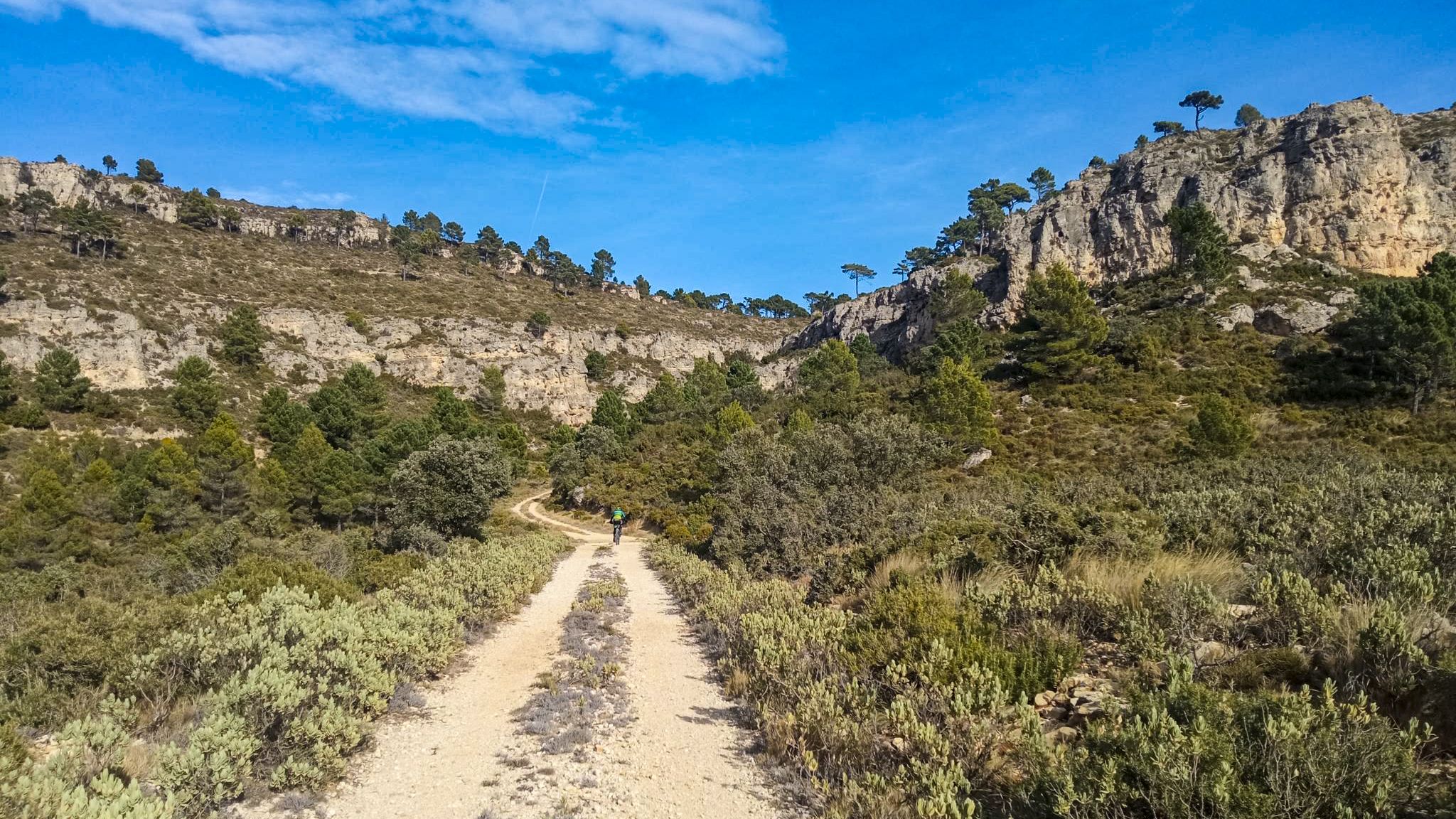
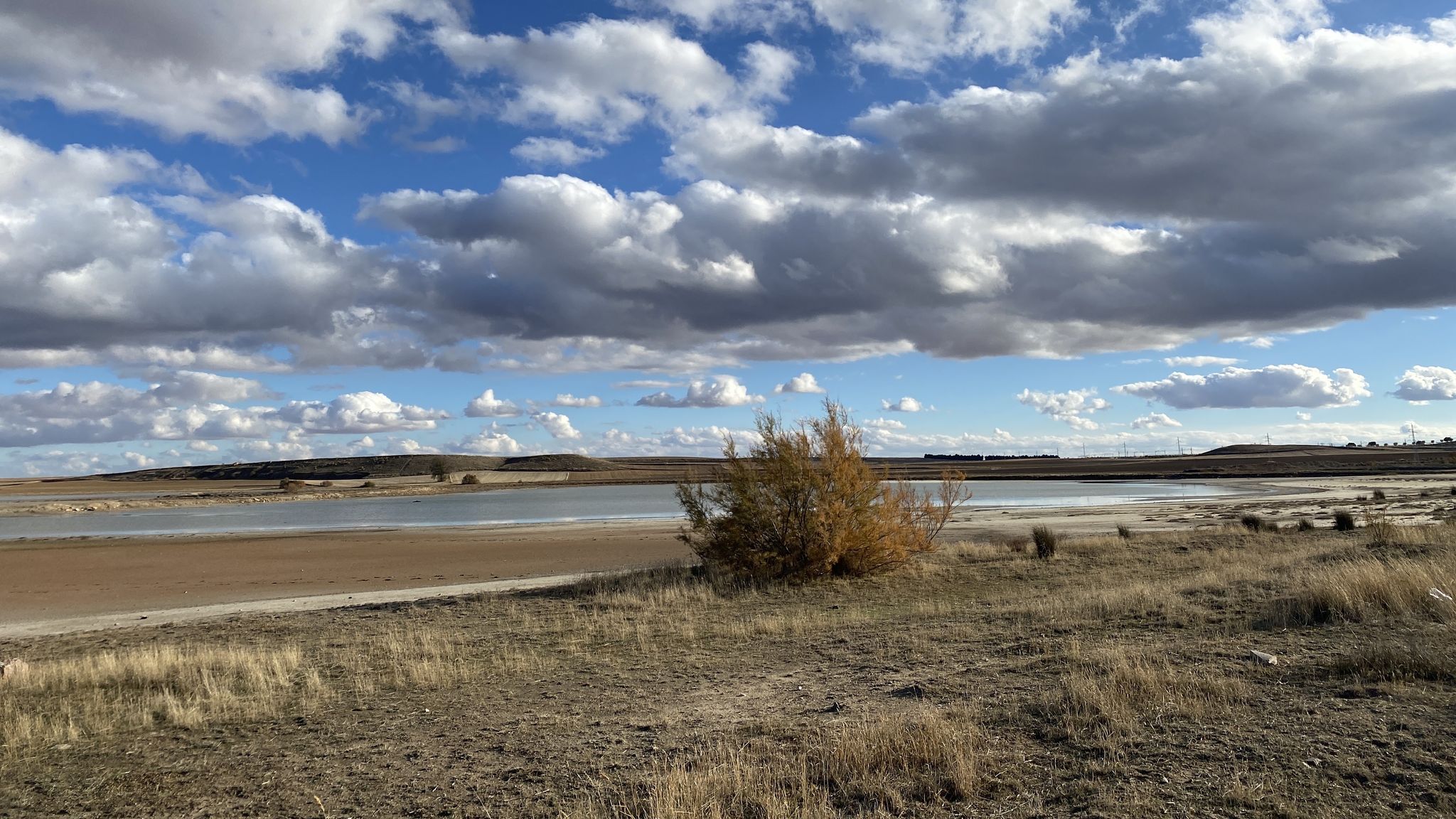
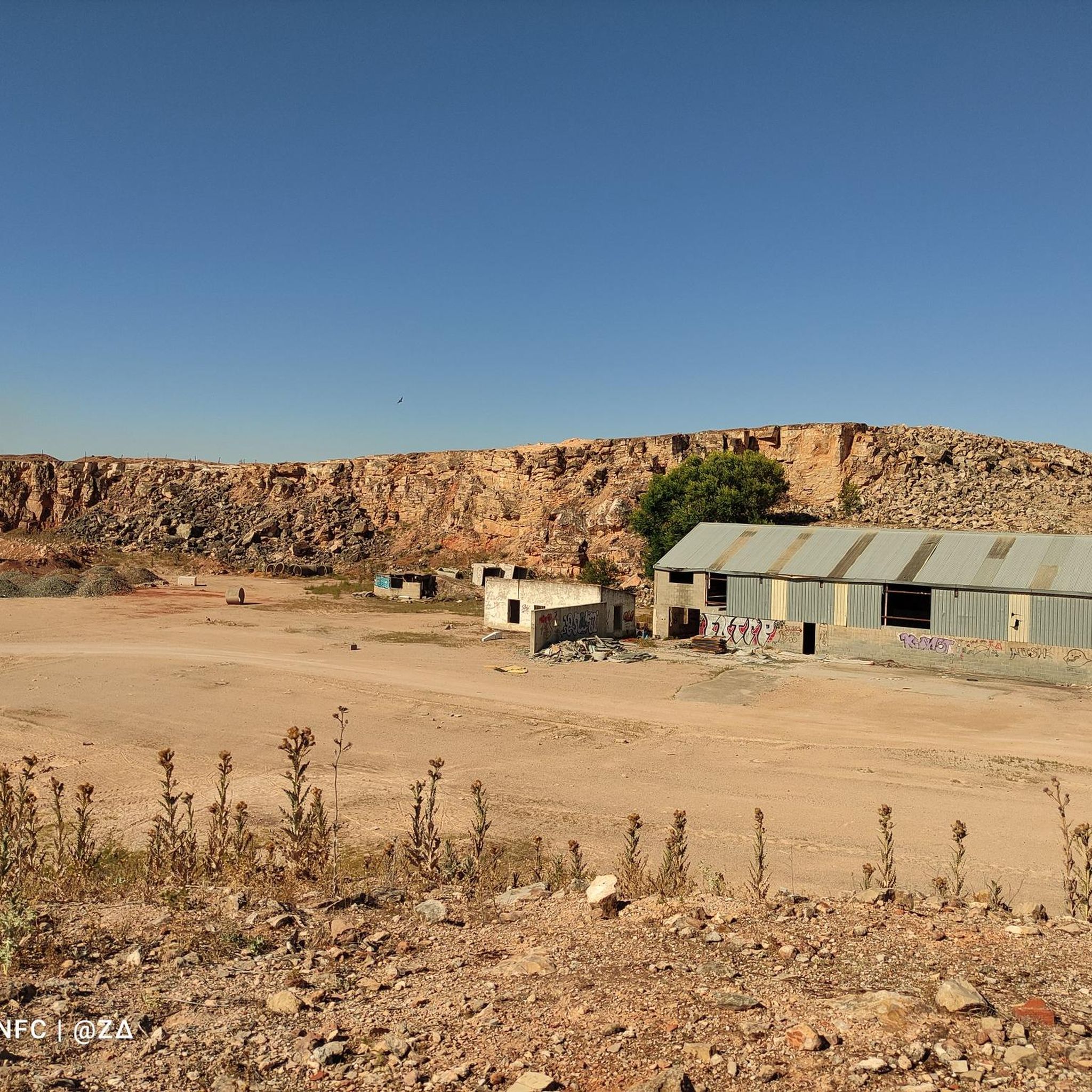



Tips from the Community

The ruins of the Ermita de Santa Ana in El Toboso (Toledo) are the remains of a 16th-century Renaissance temple. It is located outside the village, on a deserted hill.
2
0

Alcázar de San Juan is one of the most interesting destinations in the heart of La Mancha, with a blend of history, heritage, nature, and Cervantine traditions. Its name comes from the Military Order of Saint John, which dominated the area after the Reconquista. It claims to be the birthplace of Miguel de Cervantes, as the baptismal font where, according to some studies, the writer was baptized is preserved in the Collegiate Church of Santa María la Mayor. It was an important railway junction and economic center in the 19th and 20th centuries, which shaped its urban development.
2
0
The Hermitage or Sanctuary of the Holy Christ of Villajos is one of the most emblematic places in Campo de Criptana (Ciudad Real). It originated from the old village of Villajos, which was abandoned in the 14th century. The original church was dedicated to Our Lady of Villajos.
8
0
The Church of Santa Quiteria in Alcázar de San Juan (Ciudad Real) is one of the town's most important churches, boasting a rich history and significant architectural value. Origin: Construction began in the second half of the 16th century based on plans by Juan de Herrera, the architect of El Escorial. Execution: The work was directed by Agustín Argüello and completed by Bartolomé Elorriaga in 1604. Style: Renaissance with classical elements.
7
0
The Grand Prior's Tower is one of the most emblematic monuments of Alcázar de San Juan (Ciudad Real) and forms part of the Grand Prior's Palace Complex, linked to the Order of Saint John. Built in the 13th century on the remains of the old Muslim citadel, during the Almohad period. Reconquest: It became part of the palace of the Grand Priors of Castile and León of the Hospitaller Order of Saint John of Jerusalem. Expansions: In 1618, under Philip III, a floor was added with windows and plaster ribbed vaults.
8
0

Return to the town of Campo de Criptana
0
0
The Herencia Windmills are one of the most characteristic symbols of La Mancha and are located in the town of Herencia (Ciudad Real). The first windmill was built in 1790 because they were more economical and efficient than water mills, especially in an area with limited waterways. By 1807, there were as many as 11 mills, although seven remain today: El Ama, La Niece, Dulcinea, Maritornes, La Dueña Dolorida, La Duquesa, and Teresa Panza. Four of them were restored in 2003, giving them the typical La Mancha image we associate with Cervantes' work.
3
0
The Church of San Antonio Abad, built from 1525 onwards on an earlier church, is one of the main monuments of El Toboso and a prominent example of late Gothic architecture in La Mancha. Its hall plan features three naves of equal height covered by ribbed vaults supported by cylindrical columns. In the 17th century, side chapels and a transept were added, while the Renaissance-style doorways and the Plateresque tower complete its imposing façade. This church is thought to correspond to the one depicted in Don Quixote's famous phrase: "We have found the church, Sancho."
4
0
Frequently Asked Questions
How many touring cycling routes are available in Campo de Criptana?
There are over 20 touring cycling routes around Campo de Criptana, offering a variety of options for different skill levels and interests. These routes are highly rated by the komoot community, with an average score of 4.5 stars.
What are the difficulty levels of the touring cycling routes in Campo de Criptana?
The routes range from moderate to difficult. You'll find 9 moderate routes and 14 difficult routes, ensuring options for both experienced cyclists and those looking for a challenge. There is also one easy route available for a more relaxed ride.
Are there any circular touring cycling routes in Campo de Criptana?
Yes, many of the touring cycling routes in Campo de Criptana are circular, allowing you to start and end your journey in the same location. Examples include the El Toboso — circular from Campo de Criptana route and the Ermita de San Antón – Río Záncara loop from Campo de Criptana.
What kind of terrain can I expect on the touring cycling routes?
The terrain around Campo de Criptana is varied. You'll encounter the distinctive arid plains of La Mancha, sections along the picturesque River Záncara, and the small elevation of the Sierra de los Molinos. Routes often feature a mix of paved and unpaved surfaces, with some offering significant elevation changes.
What scenic viewpoints or landmarks can I see along the routes?
Many routes offer stunning views, particularly from the Sierra de los Molinos, which is home to the iconic Windmills of Campo de Criptana. You can also explore the Hermitage of Cristo de Villajos or pass by the Laguna de la Veguilla, a wetland area. The Hermitage of Cristo de Villajos – Campo de Criptana Windmills loop from Campo de Criptana is a great option for seeing several landmarks.
Are there any natural features to explore while cycling?
Absolutely. The region features the Laguna de la Veguilla, part of the San Juan Lagoon Complex, which is a crucial habitat for migratory birds and offers bird observation opportunities. Some routes also follow the scenic River Záncara, providing riparian views.
Can I spot any wildlife while touring cycling?
Yes, particularly around the wetland areas. The Laguna de la Veguilla is known for its migratory birds, making it an excellent spot for nature observation. Keep an eye out for various bird species as you cycle through these natural habitats.
What is the best time of year for touring cycling in Campo de Criptana?
Spring and autumn generally offer the most pleasant weather for touring cycling in Campo de Criptana, with milder temperatures. Summers can be very hot in La Mancha, so early mornings or late afternoons are advisable if cycling during this season. Winters are typically mild but can be chilly.
Are there options for families or beginners?
While many routes are moderate to difficult, there is one easy route available, which could be suitable for beginners or families looking for a more relaxed ride. It's always recommended to check the route details, including distance and elevation, to ensure it matches your group's fitness level.
What are the typical durations for touring cycling routes in the area?
Route durations vary significantly based on distance and difficulty. For example, the Hermitage of Cristo de Villajos – Campo de Criptana Windmills loop from Campo de Criptana can be completed in about 2 hours 7 minutes, while longer routes like El Toboso — circular from Campo de Criptana may take closer to 5 hours.
Are there any cultural or historical sites to visit along the touring cycling routes?
Campo de Criptana is rich in history. Beyond the famous Windmills of Campo de Criptana, you can explore the 16th-century Pósito (Granary), various hermitages like the Hermitage of Cristo de Villajos, and the unique Albaicín neighborhood with its Moorish-influenced architecture. Some windmills also house museums dedicated to local history and culture.
What makes touring cycling in Campo de Criptana unique?
The region's unique blend of cultural heritage and distinctive landscapes sets it apart. Cycling through the vast La Mancha plains with the iconic windmills in the backdrop, famously associated with Don Quixote, provides a truly immersive and historical experience that combines natural beauty with literary charm.
Most popular routes around Campo De Criptana
Most popular attractions around Campo De Criptana

Get inspired with the komoot mobile app


Explore more
Browse the best Cycling routes in other regions.
