The best walks and hikes around Langhammars
4.2
(42)
181
hikers
22
hikes
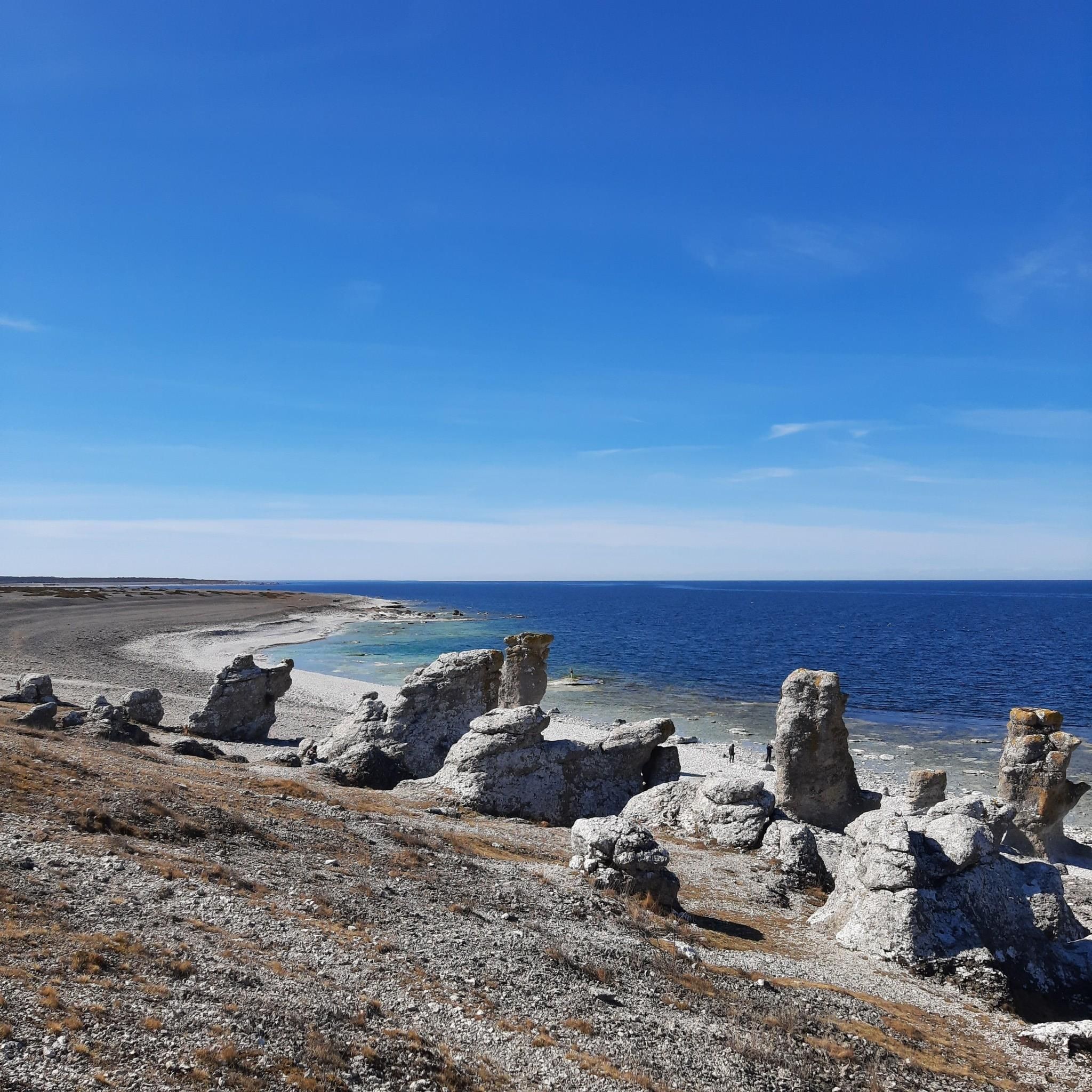
Hiking around Langhammars, located on the island of Fårö, Sweden, offers diverse terrain within a 480-hectare nature reserve. The landscape is characterized by dramatic limestone formations known as rauks, expansive pebble beaches, and exposed bedrock along the coast. Inland, hikers encounter a "savannah-like" environment featuring pine groves, heath areas, and small wet meadows. The central part of the peninsula includes rocky ground covered by juniper bushes.
Best hiking trails around Langhammars
- The most popular hiking route is Digershuvud Rauk Field – Rauk Field loop from Langhammars, a 7.1 miles (11.5 km) trail that takes about 3 hours to complete. This moderate route explores the distinctive rauk fields along the coastline.
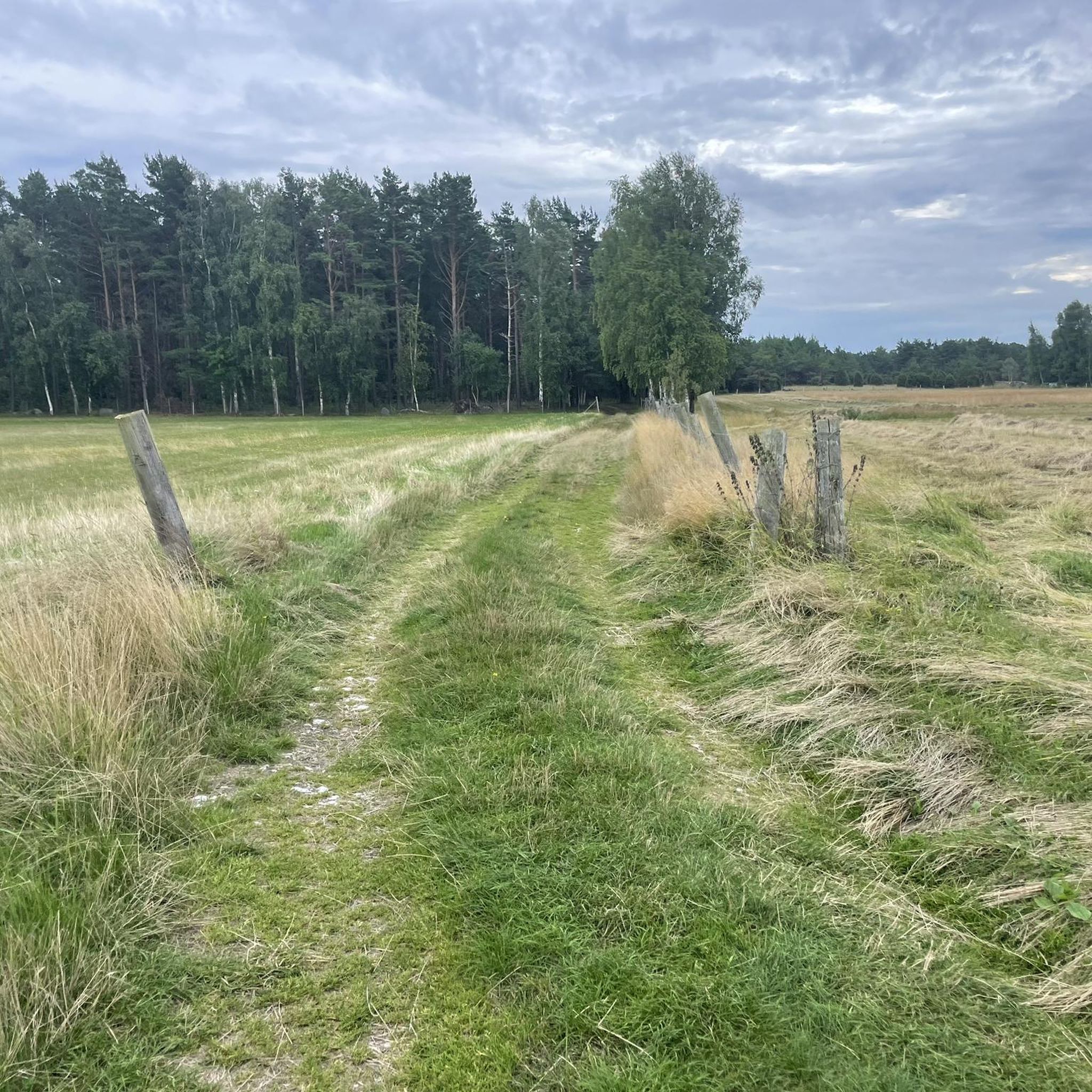
- Another top favourite among local hikers is Pheasant Spotting loop from Ajkesträsk, an easy 4.3 miles (7.0 km) path. This route traverses the "savannah-like" landscape, offering views of pine groves and meadows.
- Local hikers also love the View of the Coastline – Coastal Path loop from Ajkesträsk, a 3.9 miles (6.3 km) trail leading through coastal areas and pebble beaches, often completed in about 1 hour 35 minutes.
- Hiking around Langhammars is defined by impressive rauk fields, extensive pebble beaches, and varied inland landscapes with pine groves and meadows. The network offers options for different ability levels, from easy walks to moderate excursions.
- The routes in Langhammars are highly rated by the komoot community with an average score of 4.2 stars from more than 40 reviews. More than 170 hikers have used komoot to explore Langhammars's varied terrain.
Last updated: June 28, 2026
5.0
(3)
23
hikers
11.5km
02:55
20m
30m
Moderate hike. Good fitness required. Easily-accessible paths. Suitable for all skill levels.
3.0
(1)
4
hikers
7.04km
01:47
10m
10m
Easy hike. Great for any fitness level. Easily-accessible paths. Suitable for all skill levels.

Sign up for free
3.0
(1)
4
hikers
6.33km
01:37
20m
20m
Easy hike. Great for any fitness level. Easily-accessible paths. Suitable for all skill levels.
2
hikers
5.19km
01:19
20m
20m
Easy hike. Great for any fitness level. Easily-accessible paths. Suitable for all skill levels.
4.3
(6)
19
hikers
Easy hike. Great for any fitness level. Easily-accessible paths. Suitable for all skill levels.
Get access to more routes and recommendations from other explorers.
Sign up for free
Already have an account?
Our route recommendations are based on thousands of hikes, rides, and runs completed by other people on komoot.
Start today with a free account
Your next adventure awaits.
Login or Signup
Tips from the Community

I admit: there is not much to see, but it is interesting nonetheless. The wooden chapel of St. Olof once stood here, the foundations of which can still be seen.
0
0

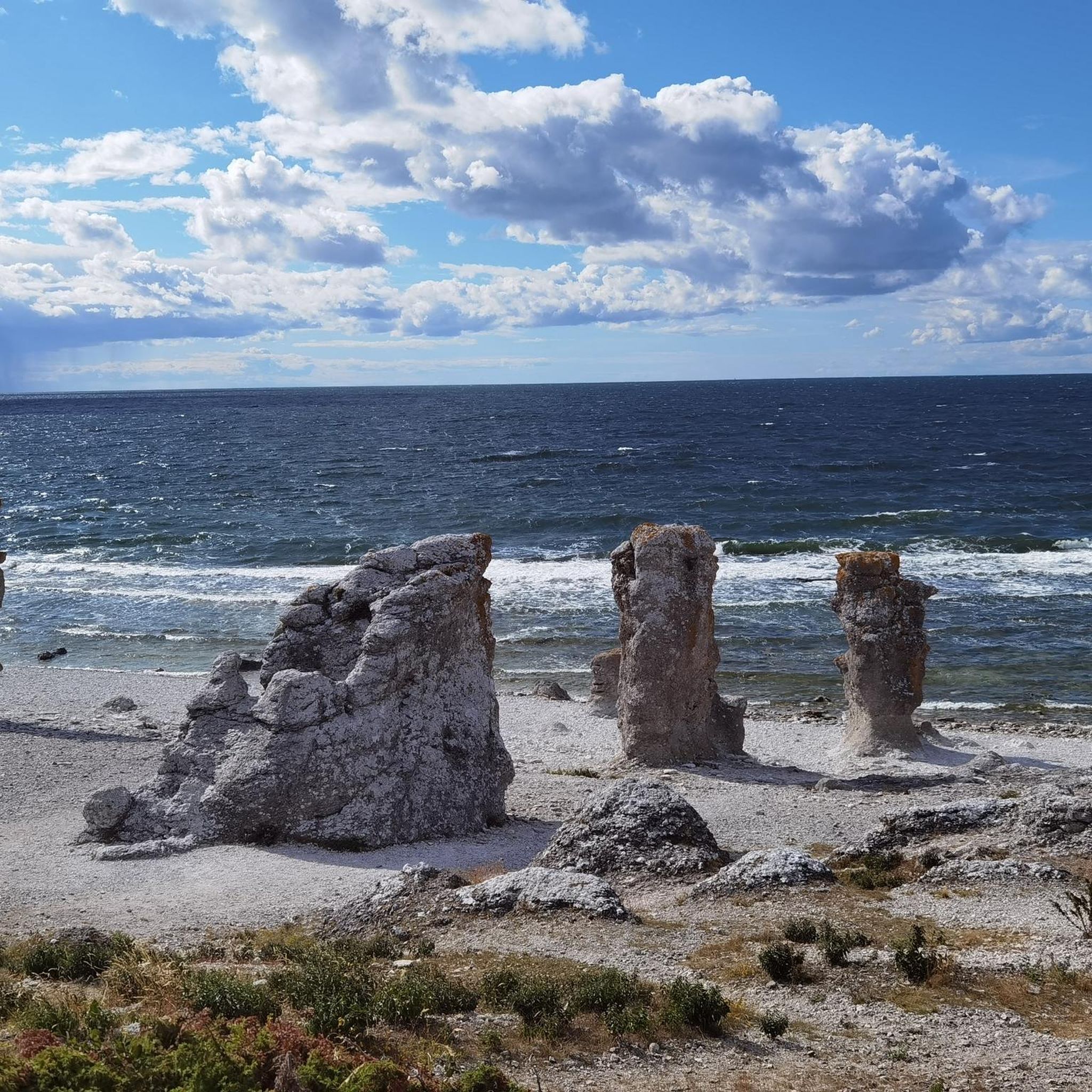
A true natural spectacle can be seen on the islands of Gotland and Fårö. The Raukar - or Raukensteine - delight naturalists and geologists, but also inspire artists such as Ingmar Bergman, who made his home on the Swedish Baltic islands. There is something mystical about the rock formations, which originated in the tropical climate of the Silurian period 400 million years ago. The coral reefs of that time gave rise to a limestone plateau, which gave Gotland a unique landscape and flora. Last but not least, the Raukensteine are impressive evidence of the fact that Gotland's nature is still very different from that of Sweden today. The Raukar were formed by the washing out and erosion of soft rock layers over millions of years. The elements raged particularly along the coastal areas and literally rubbed the stone away. What remained are hard pieces of limestone that form bizarre shapes and figures. In various areas of Gotland, entire "raukar fields" invite you to take a walk through the history of the earth. The raukar, which can be up to ten meters high, are not only found on the border between land and sea - remarkable stone colossi can also be discovered further inland. Because people have always viewed the raukar with imagination and superstition, many of the stone formations have been "baptized". For example, "the dog", "the maiden", "the old man" and "the gate" can be found scattered across the islands. Even the botanist Carl von Linné saw "ghosts and devils" in the stone steles by the sea in the 18th century. https://schwedenstube.de/mystisch-und-bizarr-die-raukar-auf-gotland/
2
0

Jauvika as the destination of a short walk from the “Dog” (Rocket).
0
0
One of the main destinations on Fårö.
1
2
Starting point to the old harbor (Gamle hamn) and the “dog” (Rauke)
0
0
One of the classic destinations on Fårö: the “Dog” rock formation/rock.
1
0
The old port is almost inconspicuously located in the forest near the coast. It looks like a pond, but the sign explains
0
0
A historic fishing station (Fiskeläge) with old huts and boats gives an impression of the work of former fishermen.
1
0
Frequently Asked Questions
How many hiking trails are available in Langhammars?
Langhammars offers over 20 hiking routes, providing a variety of options for exploring the nature reserve. The komoot community has contributed to a diverse selection of trails, with 14 routes rated as easy and 8 as moderate.
What natural features can I expect to see while hiking in Langhammars?
Hikers in Langhammars will encounter dramatic limestone formations known as rauks, particularly concentrated along the pebble beach at Klajvika. Notable rauks include the famous "Langhammarsgubben" and "Guldstugan." Beyond the coast, the landscape transitions to expansive pebble beaches, exposed bedrock, and inland areas featuring a "savannah-like" environment with pine groves, heath, and small wet meadows.
Are there any historical sites to explore in Langhammars?
Yes, approximately a kilometer south of the main Langhammars area, hikers can discover one of Gotland's best-preserved medieval agricultural areas. This site features suspected house foundations, waste heaps, meadows, and ancient stone fences (stensträngar) that once defined pastures and fields.
Are there easy or family-friendly hiking options in Langhammars?
Yes, Langhammars is well-suited for families and those seeking easier walks, with 14 of the available routes classified as easy. An example is the Pheasant Spotting loop from Ajkesträsk, an easy 7.0 km path that traverses the inland 'savannah-like' landscape.
Are dogs allowed on the hiking trails in Langhammars?
Langhammars is a nature reserve, and generally, dogs are welcome but must be kept on a leash to protect wildlife and other visitors. Always ensure your dog is under control and respect local regulations regarding nature conservation.
What is the general difficulty level of hikes in Langhammars?
The hiking trails in Langhammars range from easy to moderate. There are 14 easy routes, perfect for leisurely strolls or family outings, and 8 moderate routes for those looking for a bit more challenge. There are no difficult trails in the immediate area.
Are there any circular hiking routes in Langhammars?
Many of the trails in Langhammars are designed as loops, allowing hikers to start and end at the same point. For example, the popular Digershuvud Rauk Field – Rauk Field loop from Langhammars is a moderate 11.5 km circular route exploring the distinctive rauk fields.
What do other hikers enjoy the most about hiking in Langhammars?
The area is highly rated by the komoot community, with an average score of 4.2 stars from over 40 reviews. Hikers often praise the unique and dramatic rauk formations, the diverse coastal and inland landscapes, and the peaceful, unspoiled setting that allows for immersion in nature.
Is there parking available for hikers in Langhammars?
Yes, there are designated parking areas available for visitors to Langhammars, typically located near the main access points to the nature reserve. These parking facilities provide convenient starting points for exploring the hiking trails.
What kind of terrain will I encounter on the trails?
The terrain in Langhammars is varied. You'll walk on expansive pebble beaches and seawalls along the coast, as well as areas with exposed bedrock. Inland, trails traverse a 'savannah-like' landscape with pine groves, barren heath areas, and small, lush wet meadows. The central part of the peninsula features rocky ground often covered by low, creeping juniper bushes.
Are there any cafes or places to eat near the Langhammars hiking trails?
While Langhammars itself is a nature reserve focused on unspoiled natural beauty, Fårö island offers various cafes and restaurants, particularly in the main villages or closer to the ferry terminal. It's advisable to check local listings for current operating hours and locations before your visit.
Can I reach Langhammars using public transport?
Access to Fårö, where Langhammars is located, typically involves a ferry from Gotland. While there might be limited local transport options on Fårö, it's generally recommended to have a car or bicycle for convenient access to the nature reserve and its hiking trails. For more information on getting to Fårö, you might consult resources like Visit Sweden's Fårö page.
Most popular routes around Langhammars

Get inspired with the komoot mobile app


Explore more
Browse the best Hikes in other regions.
