Top 6 Castles around Cala
Best castles around Cala are found in a region characterized by its mountainous terrain and historical significance, particularly along the Vía de la Plata. The area features a mix of medieval fortresses and watchtowers, often strategically positioned on hills. These historical sites offer insights into past defensive systems and provide views of the surrounding Huelva mountains and Ribera de Cala. The landscape combines natural beauty with centuries of history.
Best castles around Cala
- The most popular castles is Castle of…
Last updated: June 29, 2026
Castle of the Towers
Highlight • Castle
Translated by Google •
Tip by

Castillo del Real de la Jara
Highlight • Castle
Translated by Google •
Tip by
Sign up now to discover places like this
Get recommendations on the best single tracks, peaks, & plenty of other exciting outdoor places.
Sign up for free
View of El Real de la Jara Castle
Highlight • Viewpoint
Translated by Google •
Tip by
Castillo de las Torres and Dehesa on the Vía de la Plata
Highlight (Segment) • Castle
Translated by Google •
Tip by

Santa Olalla Castle
Highlight • Castle
Translated by Google •
Tip by
Sign up for free to discover even more castles around Cala.
Sign up for free
Already have an account?
Start today with a free account
Your next adventure awaits.
Login or Signup

Tips from the Community

Section of the Camino de Santiago towards Monesterio.
0
1

The castle has a trapezoidal shape and has two gates and eight towers, three of which are semicircular. The main gate is located in the keep, to the south of the enclosure, while the secondary gate is on the opposite side. Both gates have been rebuilt with granite ashlar.
6
0
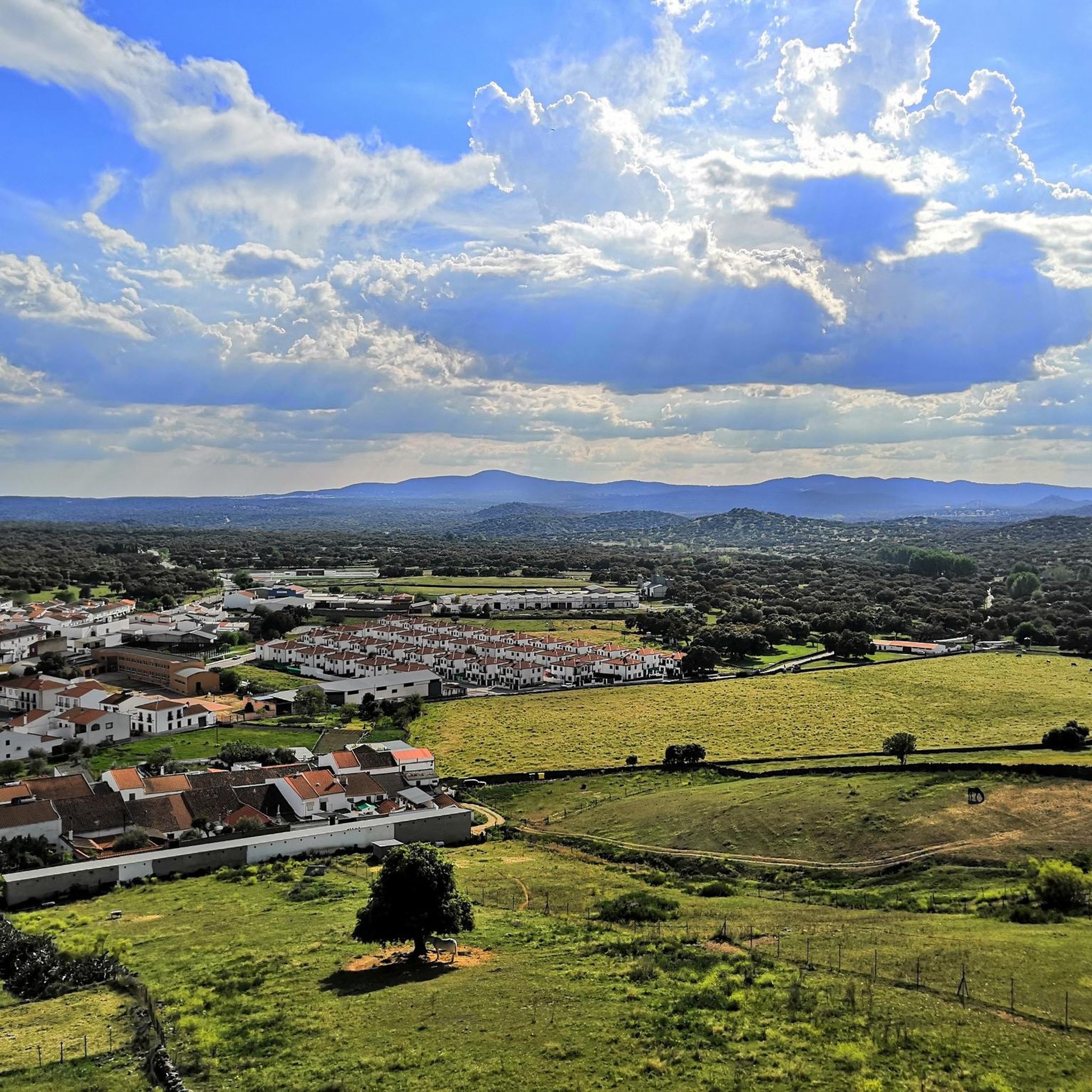
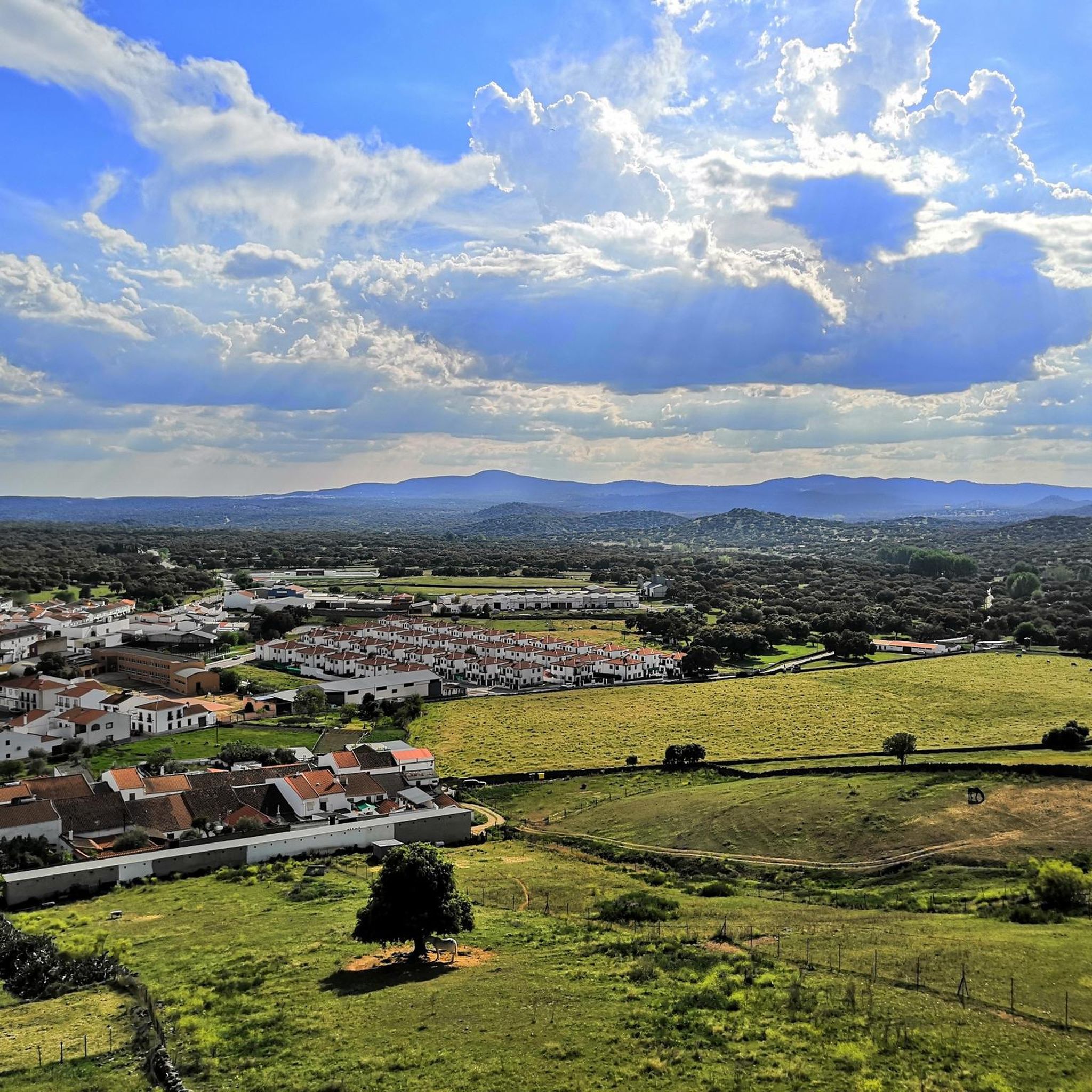
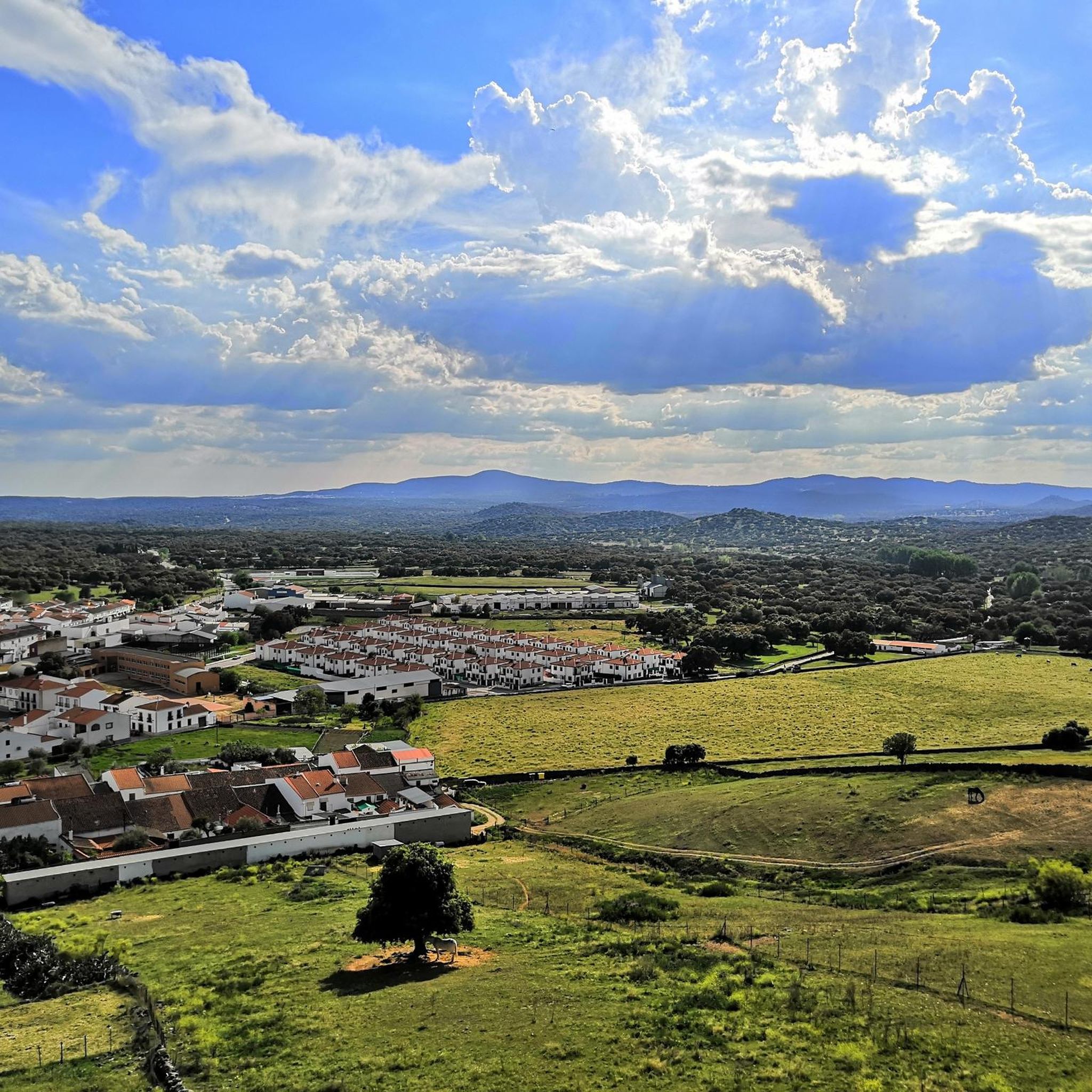
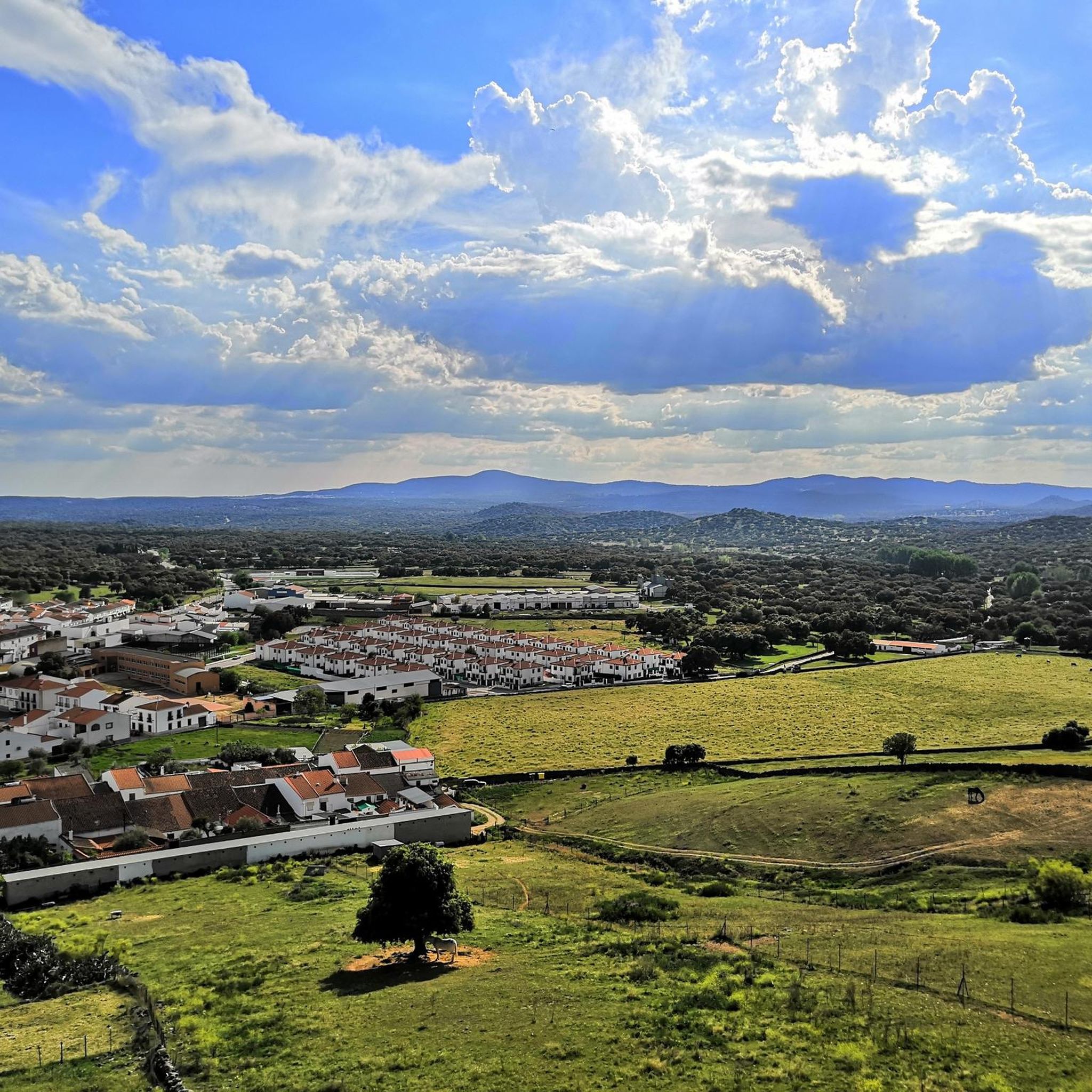
The view of El Real de la Jara Castle is one of the great scenic attractions of this charming town in the Sierra Norte of Seville.
4
1
The Real de la Jara Castle is located in the town of El Real de la Jara, in the province of Seville. This medieval castle occupies a strategic position atop a hill north of the town, making it an important defensive center during the Middle Ages.
6
0
El Real de la Jara Castle is a medieval fortress located in the municipality of El Real de la Jara, in the Sierra Norte de Sevilla. This castle has a rich history and offers a fascinating experience. You can join a guided tour to learn about the history of the castle, its architecture and its importance in the region.
5
0
Santa Olalla del Cala Castle is an impressive fortress located in the town of Santa Olalla del Cala, in the province of Huelva, Andalusia. This castle, of Muslim origin, was built in the 13th century and later renovated by the Christians after the Reconquista. The castle is located in a strategic position, on top of a hill, which allowed it to control the passage between Seville and the Sierra de Aracena. Its structure includes robust walls, defensive towers and a parade ground. The keep is one of the most outstanding elements of the castle, offering panoramic views of the surroundings. Today, Santa Olalla del Cala Castle is an important tourist attraction and a symbol of the historical heritage of the region. Guided tours are available that allow visitors to explore its corners and learn more about its history and architecture.
4
0
The Castillo de las Torres is a fortress located in the municipality of Monesterio, in the province of Badajoz, Extremadura. It is believed that due to its typology it could date from the 15th or 16th century. This castle is located on a small rocky hill, near the Torres stream and the road that connects Monesterio with El Real de la Jara (old Camino de la Plata). Although it is in the municipality of Monesterio, it is only 1 kilometer from the town of El Real de la Jara in the province of Seville
6
0

This fortress is located on the outskirts of El Real de la Jara, very close to the Castillo de las Torres and almost on the natural border with Extremadura. It was built at the end of the 14th century, but a large part of the walls and towers still remain. You can visit the monumental interior from Tuesday to Sunday from 10:00 a.m. to 6:00 p.m.
3
1
Frequently Asked Questions
How can I reach the castles around Cala using public transport?
While specific public transport routes directly to all castles can be limited, many are accessible by car. For instance, the Cala Castle is located within the municipality of Cala, and you would typically need to contact the local town hall for visit arrangements, suggesting it's integrated into the town. For others like Castle of the Towers, which is near El Real de la Jara, you might need to combine public transport to a nearby town with a short taxi ride or walk.
Is parking available at the castles near Cala?
Parking availability varies by castle. For castles situated within or very close to towns, like Cala Castle or the El Real de la Jara Castle, you can often find parking in the nearby village or designated areas. For more remote sites such as the Castle of the Towers, which is on a rocky hillock, parking might be less formal, often roadside or in small pull-offs near trailheads.
Can I take a guided tour of the castles in the Cala region?
Yes, guided tours can often be arranged for some castles. For example, the Cala Castle can be visited by prior reservation through the Cala town hall. For other sites, local tourist information centers in nearby towns like El Real de la Jara might offer information on guided visits or local guides.
Are there family-friendly castles to visit near Cala?
Many castles in the region offer an engaging experience for families. The historical significance and architectural features, like the towers of Castle of the Towers or the well-preserved walls of El Real de la Jara Castle, can spark children's imaginations. The Castillo de las Torres and Dehesa on the Vía de la Plata is also a great option, as it's part of a trail where children can enjoy spotting storks nesting on the ruins.
What is the best time of year to visit the castles around Cala?
The best time to visit is generally during the spring (March to May) and autumn (September to November) months. During these periods, the weather is typically mild and pleasant for exploring outdoor historical sites. Summers can be very hot, especially in inland areas, while winters are generally mild but can be damp.
Are the castles around Cala open during winter?
Opening hours and accessibility can vary, especially for smaller or less-maintained sites. The El Real de la Jara Castle, for instance, is open from Tuesday to Sunday, 10:00 a.m. to 6:00 p.m., which typically includes winter months. For other castles, it's advisable to check with local tourist offices or town halls for current winter schedules, as some may have reduced hours or require prior booking.
Are there cafes or refreshment options near the castles?
For castles located near or within villages, such as Cala Castle or El Real de la Jara Castle, you will likely find cafes, restaurants, or bars in the nearby town centers. For more isolated ruins like the Castle of the Towers, it's best to bring your own refreshments, as amenities will be limited.
Are there any lesser-known or 'hidden gem' castles worth exploring near Cala?
The region is rich with historical fortifications beyond the most prominent ones. While not a 'hidden gem' in the traditional sense, the Cala Castle, part of the 'Banda Gallega' defensive line, offers a deep dive into medieval history and panoramic views, and requires a prior reservation, making it a more intimate experience. Exploring the Vía de la Plata itself can lead you to various smaller, less-frequented ruins and historical markers.
Can I find scenic walks with castle views around Cala?
Absolutely. The castles around Cala are often strategically placed on hills, offering excellent viewpoints and opportunities for scenic walks. For example, the View of El Real de la Jara Castle is specifically highlighted for its scenic views of the 14th-century fortress. The trail along the Castillo de las Torres and Dehesa on the Vía de la Plata also provides a romantic route with views of the ruined fortress amidst natural landscapes.
What outdoor activities can I do near these castles?
The region around Cala offers a variety of outdoor activities, often incorporating views of the historical sites. You can find numerous routes for hiking, road cycling, and touring cycling. For example, there are several hiking trails around Cala, including the Sierra Morena Trail. Cyclists can explore routes like the Vía de la Plata - Castles of Santa Olalla and El Real de la Jara Loop, which passes by historical fortresses.
Are there hiking trails near these castles?
Yes, the area is well-suited for hiking, with trails often leading to or offering views of the castles. The Castillo de las Torres and Dehesa on the Vía de la Plata is itself part of a trail. You can find various hiking routes around Cala, ranging from easy to difficult, that allow you to explore the natural beauty and historical sites simultaneously.
What historical periods do the castles around Cala represent?
The castles around Cala span several significant historical periods. You'll find medieval fortresses, such as the 13th-century Castillo de las Torres built by the Santiago Order, and the 14th-century El Real de la Jara Castle. The Castle of the Towers dates from the 15th or 16th century, showcasing later medieval architecture. The Cala Castle features Gothic-Mudejar style from the 12th-14th centuries, reflecting its role in the 'Banda Gallega' defensive line.
Most popular attractions around Cala

Get inspired with the komoot mobile app


Explore more
Looking for the best castles somewhere else? Discover other guides around Cala:
