The 7 Most Amazing Peaks around Bisaurri
Best mountain peaks around Bisaurri are found within a mountainous landscape in the province of Huesca, Aragon, Spain. This region, part of the Pre-Pyrenees, is characterized by diverse terrain and significant elevations. El Turbón, a prominent mountain massif, stands out as a significant natural landmark directly relevant to Bisaurri and the surrounding Ribagorza region. The area offers various hiking trails that allow exploration of its natural beauty.
Best mountain peaks around Bisaurri
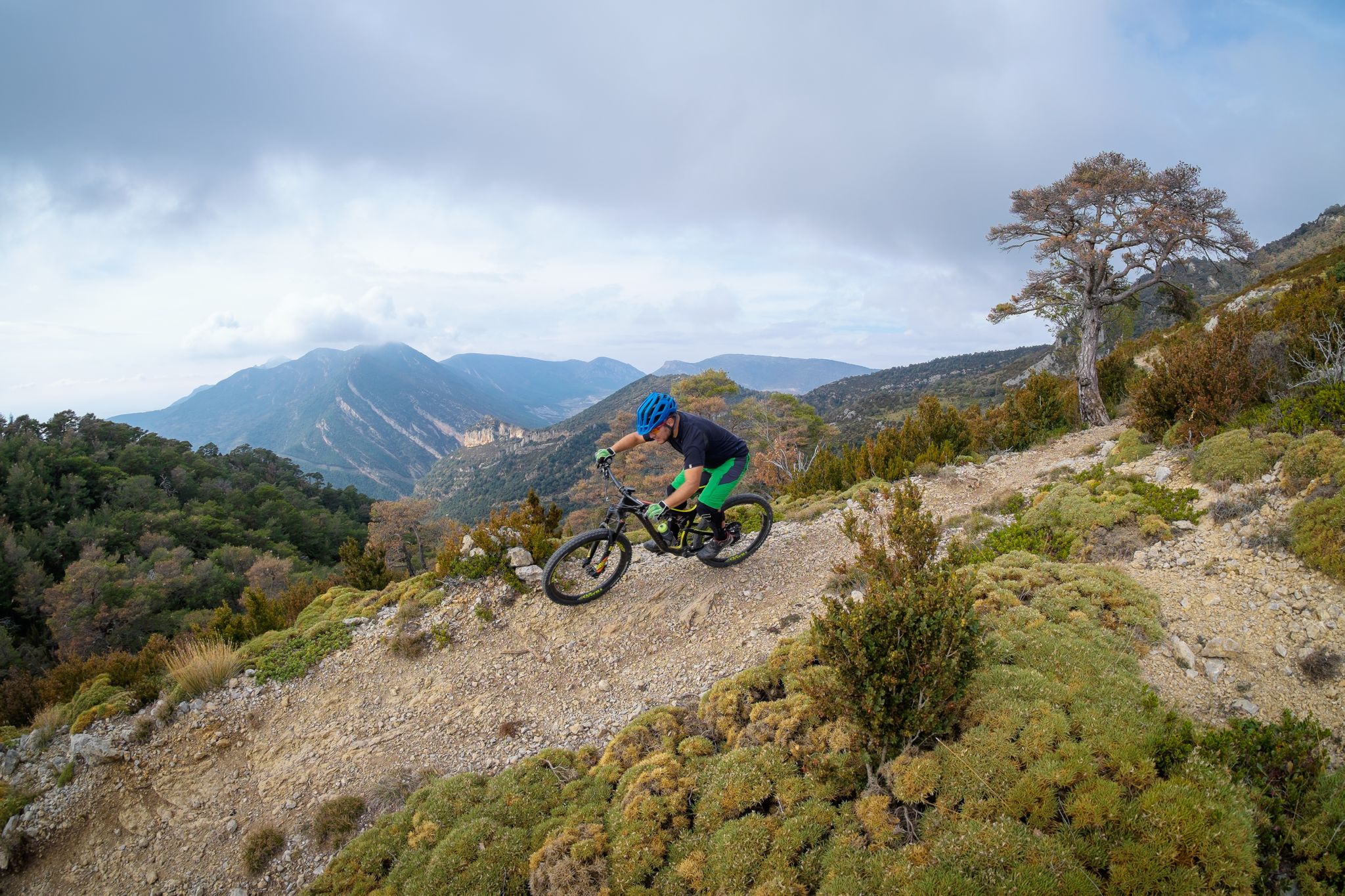
- The most popular mountain peaks is Collado de Sahún, a mountain pass that offers views of peaks like l'Aneto, Posets, and Monte Perdido. This pass is a demanding ascent, with a route that is largely a gravel track.
- Another must-see spot is Bonansa Pass, a mountain pass located at an altitude of 1,380 meters. This pass offers panoramic views of the surrounding mountains and marks the beginning of the descent to the Obarra gorge.
- Visitors also love Piedras Blancas, a summit. This location marks the end of a long climb to make the Gallinero Integral in the Benasque Valley.
- Bisaurri is known for its mountain passes and summits. The region offers a variety of mountain peaks to see and explore, providing diverse terrain and viewpoints.
- The mountain peaks around Bisaurri are appreciated by the komoot community, with 17 upvotes and 22 photos shared by visitors.
Last updated: June 29, 2026
Collado de Sahún
Highlight • Mountain Pass
Translated by Google •
Tip by

Bonansa Pass
Highlight • Mountain Pass
Translated by Google •
Tip by

Sign up now to discover places like this
Get recommendations on the best single tracks, peaks, & plenty of other exciting outdoor places.
Sign up for free
Pico Cerler
Highlight • Summit
Translated by Google •
Tip by

Ermita de Santa Margarita
Highlight • Religious Site
Translated by Google •
Tip by

Rincón del Cielo (2,323 m)
Highlight • Summit
Translated by Google •
Tip by

Sign up for free to discover even more peaks around Bisaurri.
Sign up for free
Already have an account?
Start today with a free account
Your next adventure awaits.
Login or Signup
Other adventures around Bisaurri

Tips from the Community

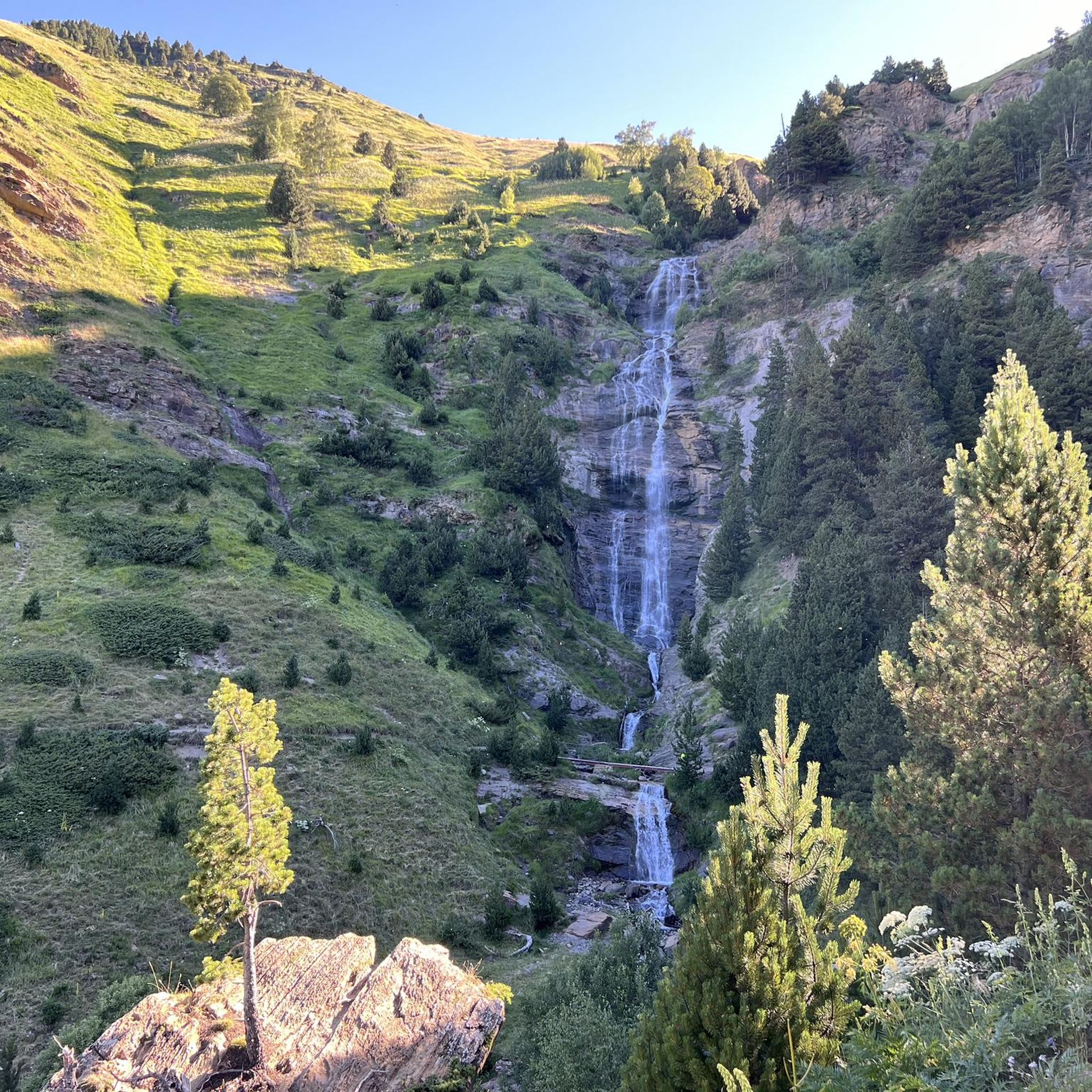
A legendary mountain pass in the Pyrenees. A crossing point between the Chistau and Benasque valleys, linking Sobrarbe and Ribagorza at an altitude of 2000m.
0
0

Access is via forest tracks in good condition. Obviously, to reach 2000m it takes a little time but the reward is worth it: the views are magnificent over the valleys and peaks at 360 degrees. A delight !
1
0

This aesthetic pyramidal peak, whose silhouette from the west face reminds some who view it favorably of K2, is above all an excellent viewpoint of the Maladetas and the Valle de l'Ampriu, which lies at its feet.
0
0

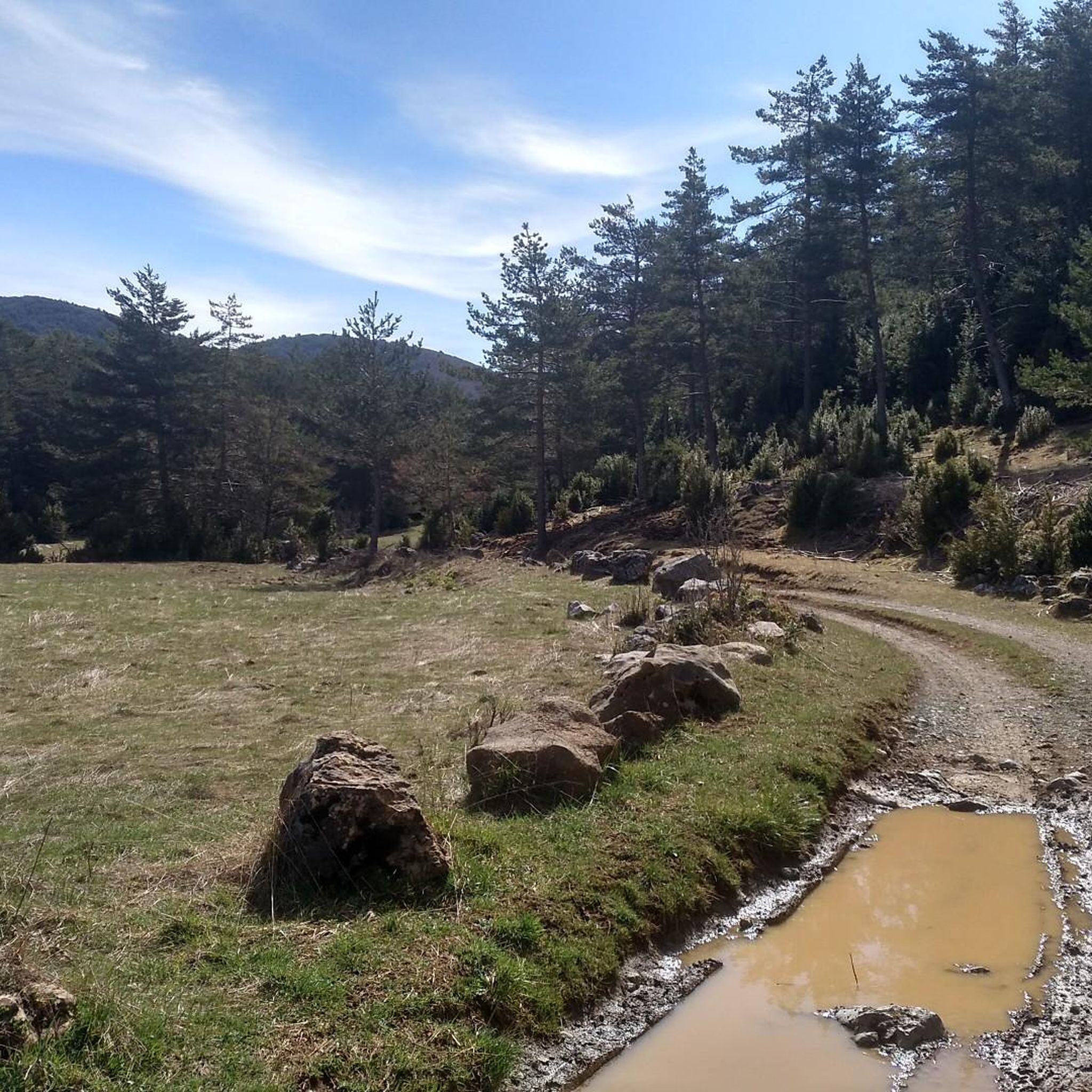
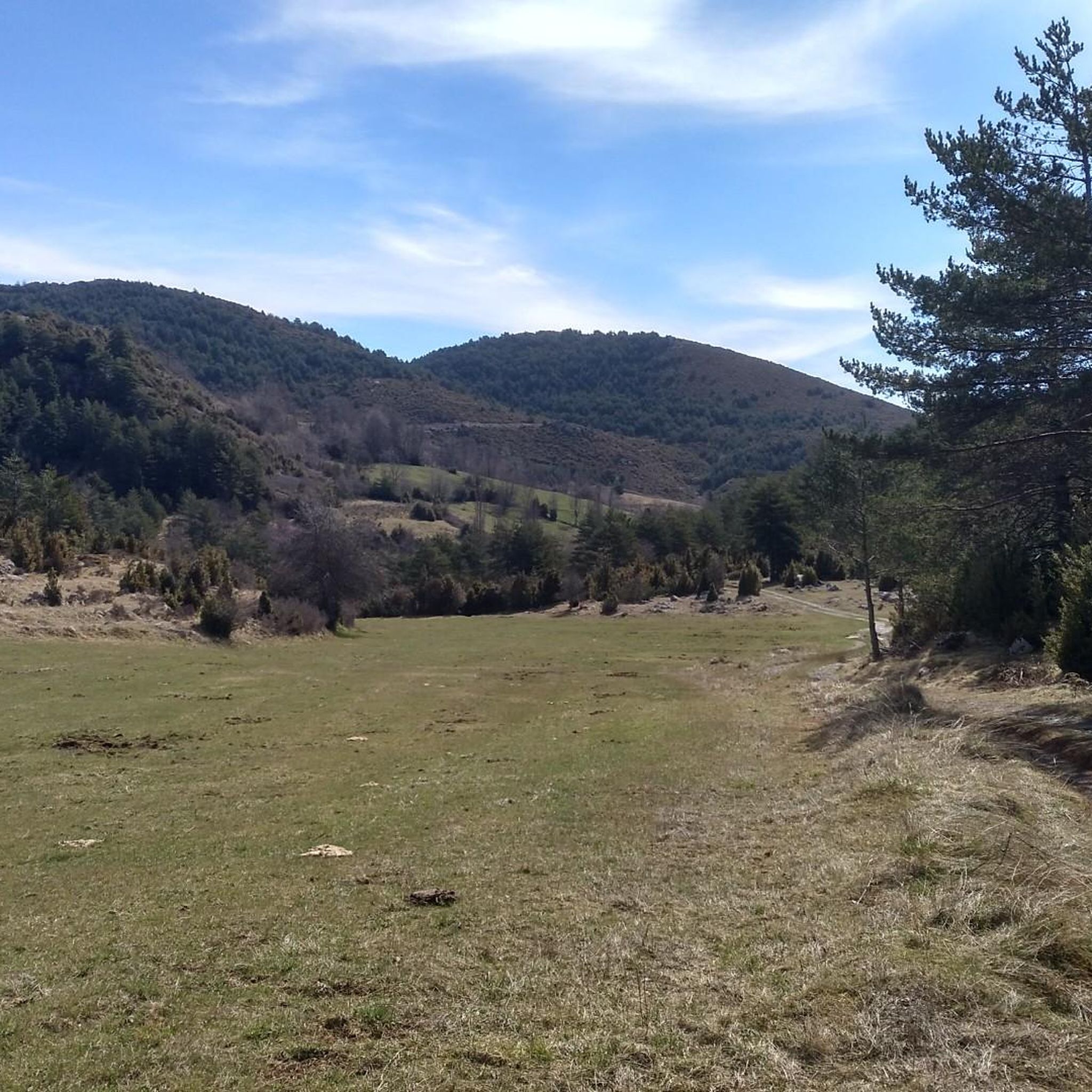
A table-bench combination in the shade of the forest.
1
0

Small hermitage that is located at a height leaving beautiful views over the Benasque Valley. Traditionally, the residents of Eresué used to go up here on a pilgrimage. Now it has a table as a pleasant picnic area.
0
0

This port connects the Noguera Ribagorzana river basin with the Sis valley and the Isábena basin, right on the border between Catalonia and Aragon. From Bonansa, the pass is a little over six kilometers long, with a fairly constant average drop of around 7%. Its other slope, the one that follows the Obarra gorge until it crowns the port, is much longer. It is 15 kilometers long, but it is very flat, with percentages around 3%, until it practically reaches the top, where the last two kilometers present considerable unevenness, with ramps of more than 15%.
0
0

The port of Bonansa is located at an altitude of 1,380 meters, in an open area from which you can see the panorama of the surrounding mountains. The climb is demanding, but worth it.
1
0

The port of Bonansa is located at an altitude of 1,380 meters. On one side of the pass is the town of Bonansa, and on the other, an extensive pine forest that marks the beginning of the descent to the Obarra gorge.
0
0
Frequently Asked Questions
What are the most notable mountain peaks and passes around Bisaurri?
The region around Bisaurri is known for its diverse mountain landscape. Collado de Sahún is a popular mountain pass offering extensive views of peaks like l'Aneto, Posets, and Monte Perdido. Another significant summit is Pico Cerler, which provides excellent views of the Maladetas and the Valle de l'Ampriu. Additionally, Bonansa Pass, at 1,380 meters, offers panoramic views and marks the descent to the Obarra gorge. El Turbón, while not listed as a highlight in the guide, is the most emblematic peak in the broader Ribagorza region, known for its majestic presence and rich folklore.
What kind of terrain and elevation can I expect when hiking in the Bisaurri mountains?
The Bisaurri area, part of the Pre-Pyrenees, features a varied mountainous landscape with significant elevations. You'll encounter diverse terrain, from gravel tracks on demanding ascents like the route to Collado de Sahún, to extensive pine forests near Bonansa Pass. Peaks like El Turbón involve long and tough hikes with elevation differences of around 1200 meters, often on rocky limestone outcrops.
Are there challenging hiking routes for experienced trekkers near Bisaurri?
Yes, the region offers several challenging routes. The ascent to Collado de Sahún is a demanding climb, largely on a rough gravel track with over 1100 meters of elevation gain. Similarly, reaching the summit of El Turbón is considered a long and tough hike, typically taking 7 to 8 hours. Routes like the "Turbón Loop from La Muria" and the "Giant's Bed – Turbón loop from Font de la Múria" are categorized as hard hikes requiring good fitness and sure-footedness.
What natural features and viewpoints can I discover on the mountain trails?
Beyond the peaks themselves, you can find stunning natural features and panoramic viewpoints. From Collado de Sahún, you'll see the high Pyrenees. Pico Cerler offers an excellent vantage point over the Maladetas and the Valle de l'Ampriu. El Turbón itself provides breathtaking panoramic views of the Pyrenees, including Sierra Ferrera, Peña Montañesa, and Cotiella. The region also features geological points of interest like the Cretaceous marl and caves on El Turbón.
What outdoor activities, besides hiking, can I do near these mountain peaks?
The area around Bisaurri is excellent for various outdoor activities. You can explore numerous road cycling routes, such as the "Valle de Benasque – integral of Castejón de Sos to Llanos del Hospital" or the "Castejón de Sos - Coll de Fadas - Bisaurri Loop." For running enthusiasts, there are trails like the "Sesué Village loop from Castejón de Sos." You can find more details on these activities in the dedicated guides for Road Cycling Routes around Bisaurri and Running Trails around Bisaurri.
Are there specific hiking trails around Bisaurri that lead to these peaks?
Yes, there are several hiking trails that allow you to explore the mountain peaks and passes. For El Turbón, popular routes include the "Turbón Loop from La Muria" and the "Giant's Bed – Turbón loop from Font de la Múria." While specific trails to Collado de Sahún and Bonansa Pass are demanding, they are well-known paths. You can find more hiking options in the Hiking around Bisaurri guide.
What is the best time of year to visit the Bisaurri mountains for hiking?
While the guide doesn't specify a single 'best' time, the mountainous terrain suggests that spring, summer, and early autumn would generally offer the most favorable conditions for hiking, with milder temperatures and less snow. Winter hiking would likely require specialized gear and experience due to snow and ice, especially on higher peaks like El Turbón.
Are there any family-friendly hiking options or activities near Bisaurri?
The provided data does not explicitly list 'family-friendly' categories for the mountain peaks themselves, and many of the highlighted ascents are described as demanding or challenging. However, the broader region offers numerous hiking trails of varying difficulties. For specific family-friendly routes, it would be advisable to consult local tourist information or detailed trail descriptions that specify suitability for children.
What makes El Turbón unique among the peaks in the Bisaurri area?
El Turbón stands out not only for its impressive elevation of 2,492 meters but also for its rich cultural significance. It's deeply embedded in Aragonese folklore, with legends of witches, gods, and even tales of Noah's Ark. Geologically, it's one of the oldest mountains in the Pyrenees, featuring massive rocky limestone outcrops, caves, and shafts. Its isolated location and seemingly flat summit also contribute to its distinctive character.
Can I observe wildlife while exploring the mountains around Bisaurri?
Yes, the mountainous environment around Bisaurri provides opportunities for wildlife observation. During treks to peaks like El Turbón, visitors may encounter alpine marmots, chamois, and even bearded vultures, making it a rewarding experience for nature enthusiasts.
What are some of the most popular loop hikes around Bisaurri peaks?
For those looking for loop hikes, the area offers options such as the "Turbón Loop from La Muria" and the "Giant's Bed – Turbón loop from Font de la Múria." These are both challenging routes that provide a comprehensive experience of the mountainous landscape around El Turbón. You can find more loop options in the Hiking around Bisaurri guide.
Where can I find accommodation or amenities near the Bisaurri mountain peaks?
While the guide focuses on the mountain peaks, Bisaurri is a municipality in the province of Huesca, Aragon, Spain. You can expect to find accommodation, cafes, pubs, and restaurants in Bisaurri village itself or in nearby villages. For specific recommendations, local tourist information centers would be the best resource.
Most popular routes around Bisaurri
Most popular attractions around Bisaurri

Get inspired with the komoot mobile app


Explore more
See even more amazing summits around Bisaurri with these guides:
