Attractions and Places To See around Manganeses De La Polvorosa - Top 20
Best attractions and places to see around Manganeses De La Polvorosa, a municipality in Zamora, offer a blend of historical, cultural, and natural features. Situated near the confluence of the Eria and Órbigo rivers, the area is characterized by its rich vegetation and tranquil landscapes. Visitors can explore ancient archaeological sites, traditional architecture, and historical canals. The region provides diverse opportunities for outdoor activities and cultural discovery.
Best attractions and places to see around Manganeses De La Polvorosa
- The most popular attractions is Bridge over the Esla River, a bridge that is a popular icon of the Esla greenway. Its combination of a wooden floor and old metallic railway structure creates a unique tunnel-like experience for walkers and cyclists.
- Another must-see spot is Bridge of the Vía Verde de la Plata, a bridge on the Vía Verde del Oeste. This disused railway line, converted into an adventure route, offers picturesque views for hiking, gravel, and mountain biking enthusiasts.
- Visitors also love Villanueva de Azoague Iron Bridge, a bridge that allows passage over the Tera river along the greenway of La Plata. It provides scenic views for those exploring the route.
- Manganeses De La Polvorosa is known for its historical sites, traditional architecture, and natural river landscapes. The area offers a variety of attractions to see and explore, from ancient settlements to scenic greenways.
- The attractions around Manganeses De La Polvorosa are appreciated by the komoot community, with 22 photos and 17 upvotes contributing to their popularity.
Last updated: July 7, 2026
Vizana Bridge
Highlight • Bridge
Translated by Google •
Tip by

Bridge of the Vía Verde de la Plata
Highlight • Bridge
Translated by Google •
Tip by

Sign up now to discover places like this
Get recommendations on the best single tracks, peaks, & plenty of other exciting outdoor places.
Sign up for free
Bridge over the Esla River
Highlight (Segment) • Bridge
Translated by Google •
Tip by

Villanueva de Azoague Iron Bridge
Highlight • Bridge
Translated by Google •
Tip by
Church of Santa María del Azogue
Highlight • Religious Site
Translated by Google •
Tip by

Sign up for free to discover even more attractions around Manganeses De La Polvorosa.
Sign up for free
Already have an account?
Start today with a free account
Your next adventure awaits.
Login or Signup


Tips from the Community


In the historic center, the Church of Santa María del Azogue, from the 16th century, and in Gothic style, stands out as the main monument of Benavente.
1
0
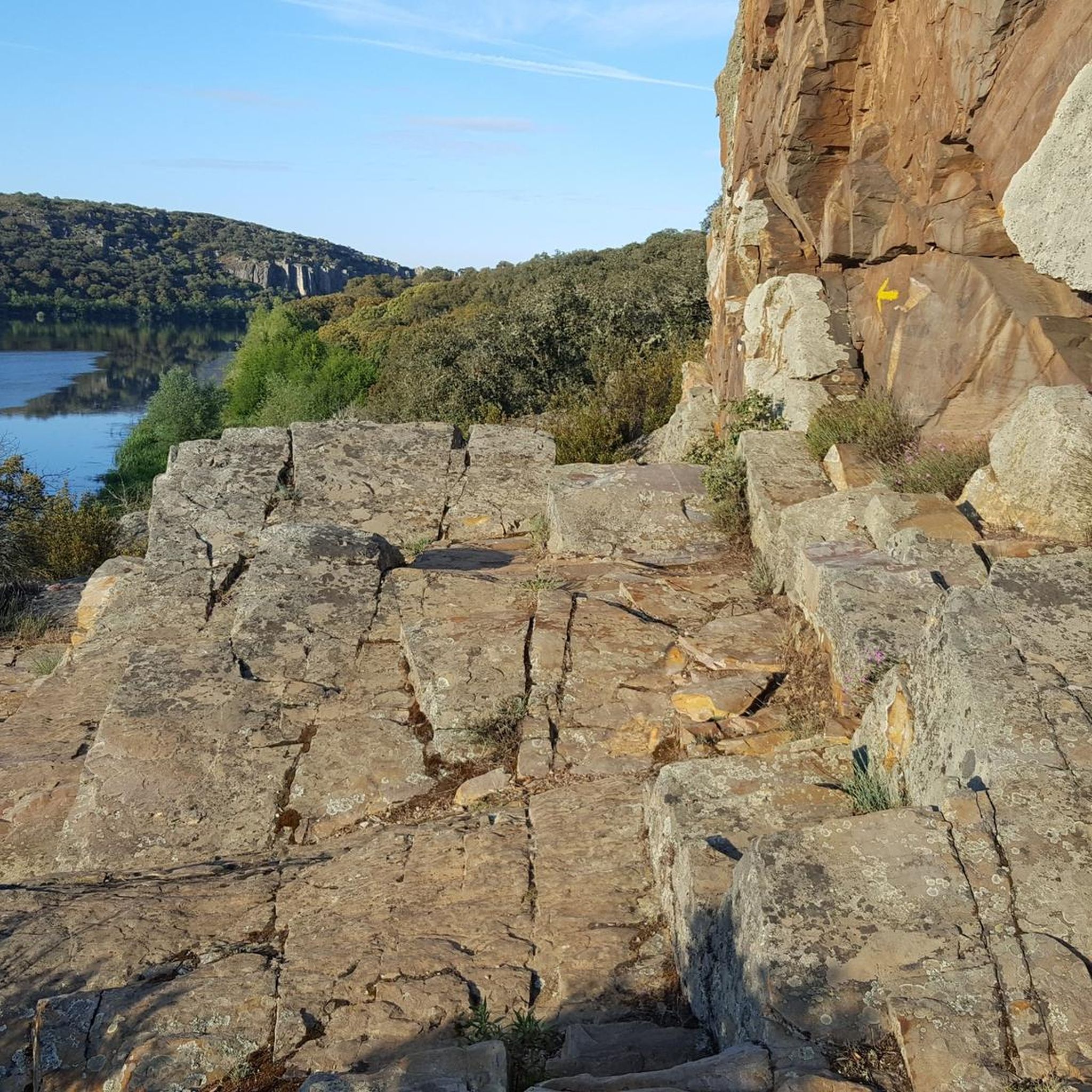
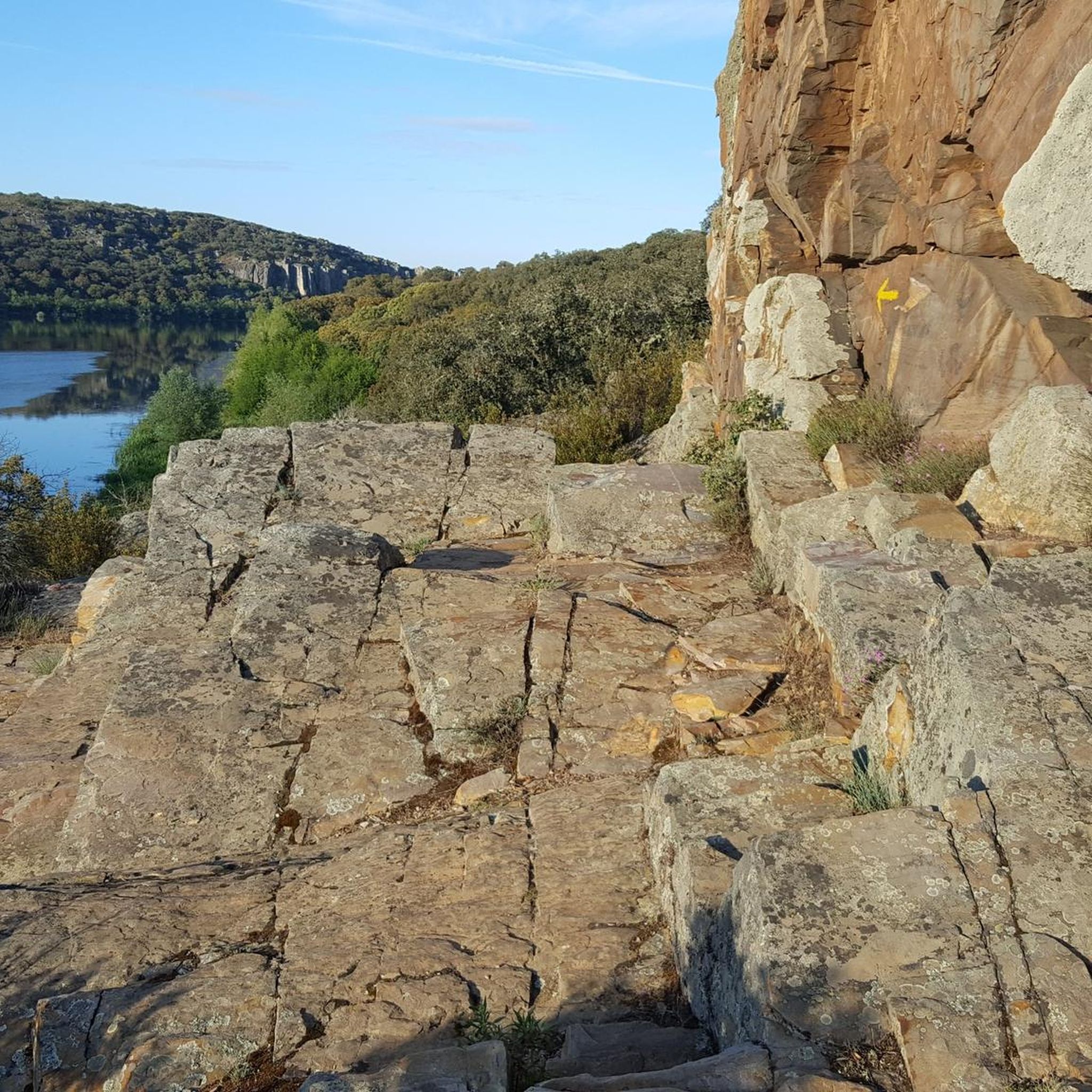
An incredible stretch of the 'Vía la Plata' pilgrimage route south of Benavente towards the small town of Barcial del Barco. Disused railway line converted into an adventure paradise, far from cars and traffic.
2
0

Viaduct that crosses the Órbigo river in the uninhabited town of La Vizana, south of Alija del Infantado. Emblematic routes such as the Vía de la Plata and the Camino de Santiago pass through this bridge. It dates back to Roman times in its origins, although it was rebuilt due to the War of Independence.
2
0
Roman bridge over the Órbigo river that connects the provinces of León and Zamora. Located on an old Roman road, today known as Vía de la Plata, part of the Camino de Santiago.
1
0
One of the artistic jewels of Benavente, the church is located in the center of the city near the main square. Its construction, which had four phases, began in the 12th century.
0
0

Beautiful picture that the Iron Bridge of Villanueva de Azoague gives us and that allows us to cross the Tera river while we roll along the long route of the greenway of La Plata.
2
0
A beautiful picture when we cross this bridge on the Vía Verde del Oeste or better known as the Vía Verde de la Plata. A luxury for all lovers of hiking, gravel or mountain biking.
2
0
Frequently Asked Questions
What historical sites can I explore in Manganeses De La Polvorosa?
Manganeses De La Polvorosa offers a rich historical experience. You can visit the ancient Archaeological Site of La Corona-El Pesadero, which dates back to the 7th century BC, or learn more about it at the Archaeological Classroom in town. The Romanesque Church and traditional architecture also showcase the area's past. Don't miss the historic Puente de la Vizana, a bridge over the Órbigo river with Roman origins, which has served pilgrims on the Camino de Santiago for centuries.
Are there any natural attractions or viewpoints nearby?
The region is characterized by its natural beauty, especially around the confluence of the Eria and Órbigo rivers. You can explore the surrounding countryside with its montes and pinares, offering diverse wild fauna. The Bridge of the Vía Verde de la Plata and the Bridge over the Esla River offer picturesque views along greenways.
What outdoor activities are available around Manganeses De La Polvorosa?
The area is excellent for outdoor activities, particularly along the Vía Verde del Oeste (Greenway of La Plata). This disused railway line is perfect for hiking, gravel biking, and mountain biking. You can find various routes for these activities, including the 'Vía de la Plata Greenway and Iron Bridge Loop' for MTB or the 'Banks of the Eria and Órbigo Trail' for hiking. For more detailed routes, check out the hiking, MTB, and running guides.
Are there family-friendly attractions or activities?
Yes, several attractions are suitable for families. The greenways, such as the Vía Verde de la Plata and the Esla greenway, offer easy and enjoyable paths for walking and cycling, making them ideal for all ages. The Villanueva de Azoague Iron Bridge also provides scenic views along a family-friendly route.
What is the 'El Salto de la Cabra' festival?
The 'El Salto de la Cabra' (The Goat Jump) is a traditional coming-of-age festival celebrated in late January for San Vicente Mártir. Historically, it involved throwing a live goat from a bell tower, but this practice has been banned and replaced with a cardboard goat. It remains a notable cultural event in the region, reflecting its unique traditions. You can learn more about the general concept of coming-of-age traditions on Wikipedia.
Can I find easy hiking trails near Manganeses De La Polvorosa?
Absolutely. The 'Vía Verde del Oeste' (Greenway of La Plata) offers many easy sections suitable for leisurely walks. For example, the 'View of Castillo de Benavente – Old Train Station of Benavente loop from Benavente' is an easy 7.2 km hike. You can find more options in the hiking guide for the area.
What is the significance of the Canal de Manganeses?
The Canal de Manganeses is an important historical heritage feature. It has been crucial for the region since medieval times, bringing water to the lands of Manganeses, Benavente, and Santa Cristina. It represents a significant part of the area's agricultural and engineering history.
What is there to see in the nearby town of Benavente?
The nearby town of Benavente is a significant historical crossroads. It features monumental buildings, including the Castillo de la Mota and the church of Santa María del Azogue. It also offers all necessary services like supermarkets, accommodation, and restaurants, making it a convenient stop.
Are there any archaeological routes in the area?
Yes, Manganeses De La Polvorosa serves as a starting point for the 'Ruta Arqueológica de los Valles de Zamora: Vidríales, Órbigo y Esla'. This archaeological route allows visitors to delve deeper into the rich history of the region, connecting various historical sites and landscapes.
What kind of bridges can I find in the region?
The area is notable for its historic and scenic bridges. You can find the ancient Puente de la Vizana over the Órbigo river, part of the Vía de la Plata. There are also modern bridges integrated into greenways, such as the Bridge of the Vía Verde de la Plata and the Villanueva de Azoague Iron Bridge, which offer scenic views for cyclists and walkers.
What is the best time to visit Manganeses De La Polvorosa for outdoor activities?
The region's climate is generally favorable for outdoor activities. Spring and autumn typically offer pleasant temperatures for hiking, cycling, and exploring the natural landscapes. Summers can be warm, while winters are cooler, but the greenways remain accessible year-round for those prepared for the weather.
Most popular routes around Manganeses De La Polvorosa

Get inspired with the komoot mobile app


Explore more
Still not found the Highlight you’re looking for? See guides of the top attractions in other regions:
