Attractions and Places To See around Cerbón - Top 19
Best attractions and places to see around Cerbón include historical architecture and natural surroundings in the northeast of Soria province, Spain. This tranquil region is situated at the foot of the Sierra del Rodadero, overlooking the Alhama River Valley. The landscape features agricultural fields, holm oak groves, and oak forests, offering diverse natural features. Cerbón provides a quiet escape with notable landmarks and cultural sites.
Best attractions and places to see around Cerbón
- The most popular attractions is Castle of…
Last updated: July 2, 2026
Castle of la Nava del Marqués de Magaña
Highlight • Castle
Translated by Google •
Tip by

Church of Nuestra Señora de la Blanca, Montenegro de Ágreda
Highlight • Religious Site
Translated by Google •
Tip by

Sign up now to discover places like this
Get recommendations on the best single tracks, peaks, & plenty of other exciting outdoor places.
Sign up for free
San Pedro Manrique
Highlight • Settlement
Translated by Google •
Tip by

Río Montes Canyon Trail
Highlight (Segment) • Trail
Translated by Google •
Tip by

Sarnago
Highlight • Settlement
Translated by Google •
Tip by
Sign up for free to discover even more attractions around Cerbón.
Sign up for free
Already have an account?
Start today with a free account
Your next adventure awaits.
Login or Signup

Tips from the Community

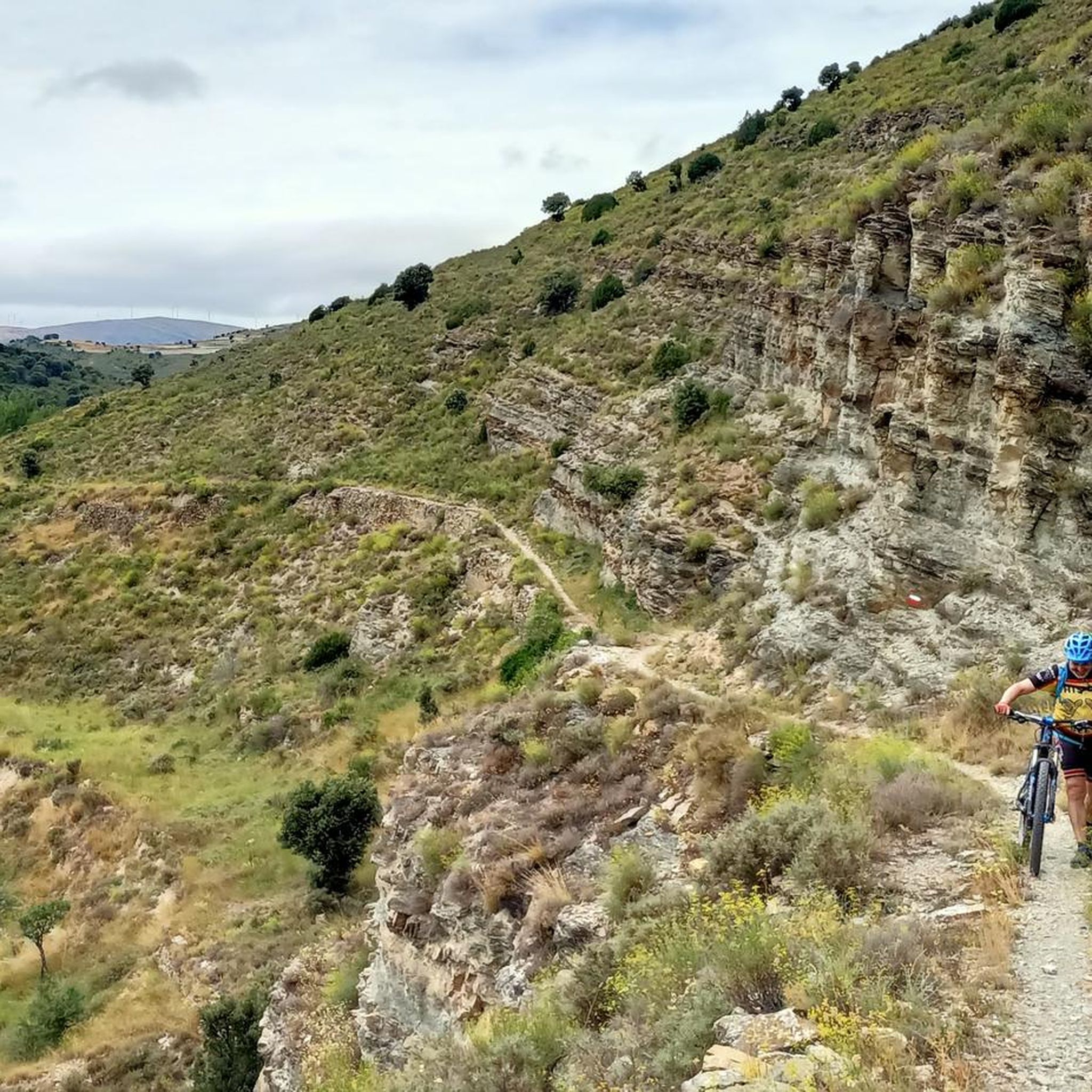
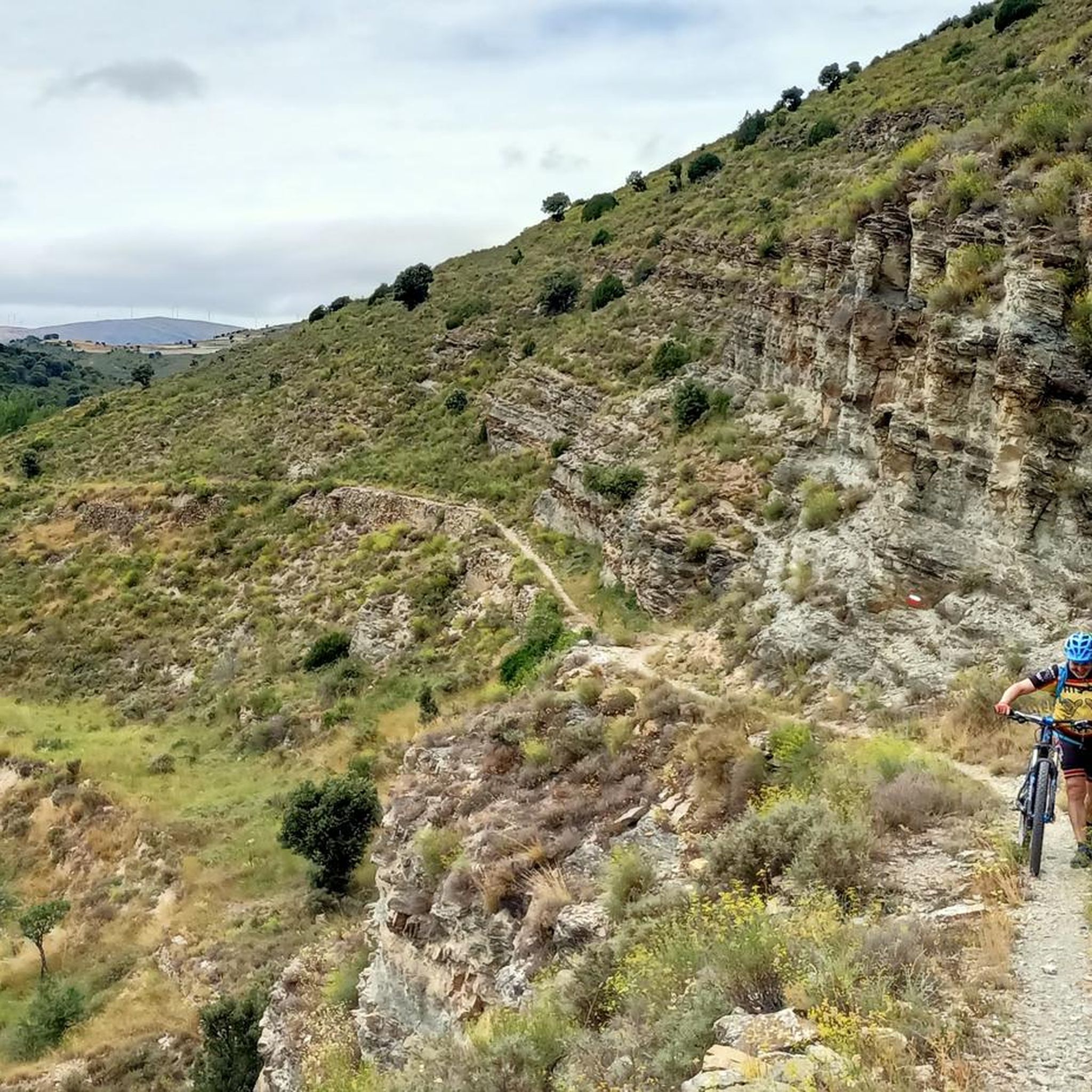
Spectacular trail, it only has one really complicated step, S4, which you have to know where to take.
0
0
Small and pretty town, area with lots of interesting mountain bike trails
0
0

San Pedro Manrique is a municipality in Soria in the Tierras Altas region, in the community of Castilla y León. Its origin dates back to the Celts, Vascones, Iberians and Romans. With the passage of time, other neighboring towns such as Sarnago, Las Fuentes de San Pedro, Matasejún, Palacio de San Pedro, Taniñe, Valdenegrillos and Ventosa de San Pedro have been incorporated into the municipal area. San Pedro Manrique is well known for his particular way of celebrating San Juan Day. On the night of San Juan the well-known "paso del fuego" is carried out, in which the embers of a bonfire are stepped on by the town's natives, barefoot and carrying someone on their backs. Among its heritage, the hermitage of the Virgen de la Peña, the church of San Miguel, the remains of a castle on the outskirts and the ruins of the convent of San Pedro el Viejo stand out.
0
0
Sarnago is a town in the Tierras Altas region, in the province of Soria, community of Castilla y León. It belongs to the municipality of San Pedro Manrique since 1972. The origins of Sarnago may date back to pre-Roman times, since a nearby mountain known as "el Castiillo" could have been the location of a surveillance watchtower. The time of greatest splendor of Sarnago was during the period of the Mesta (from the 13th to the 19th centuries), an organization created by Alfonso This small town has been losing population with the passage of time and the abandonment of rural activities, but an association founded in 1980 is recovering and restoring different infrastructure and heritage of Sarnago, such as the public fountain, the washing places, as well as the public lighting. . A project has recently been launched to create a "coliving" and attract population to the town.
1
0
Magaña Castle is a medieval fortress located on a hill overlooking the town of the same name, in the province of Soria, Tierras Altas region, community of Castilla y León. It is believed to have been built during two stages throughout the 15th century. The inner enclosure would be built in the first stage, and the outer barrier in a second. Due to its architectural characteristics, it belongs to the typology of stately castle of the Valladolid school, very common in the north of Castile in the second half of the 15th century.
2
0
Montenegro de Ágreda is a town belonging to the municipality of Matalebreras, in the province of Soria, region of Moncayo, in the community of Castilla y León. It stands out for the church of Nuestra Señora de la Blanca, a proto-Gothic fortified church from the 13th century that took advantage of the structure of an old Berber tower in its construction.
0
0

Magaña is one of those towns that surprises you greatly the first time you go. It is located on a promontory above the Alhama River valley and at the highest part stands the Nava del Marqués castle, built in the 15th century from a 10th century Berber tower. From the castle wall you can see a beautiful panoramic view of the town, in the foreground the church of San Martín de Tours stands out, built in the 16th century on a Romanesque hermitage.
1
0
In Montenegro de Ágreda, the ancient fortified church of Nuestra Señora de la Blanca remains standing, built at the end of the 12th century, attached to a Berber defensive tower, from the 10th century. Another jewel of the Romanesque style that spread throughout the medieval border lands .
1
0
Frequently Asked Questions
What historical and architectural sites can I explore near Cerbón?
The region around Cerbón is rich in history. You can visit the Castle of la Nava del Marqués de Magaña, a medieval fortress offering excellent views. Another significant site is the Church of Nuestra Señora de la Blanca, Montenegro de Ágreda, a proto-Gothic fortified church incorporating a 10th-century Berber defensive tower. Within Cerbón itself, the Romanesque Church of San Pedro Apóstol, dating to the late 12th century, is notable for its unique two-nave design and early Gothic architectural elements.
Are there any notable natural landscapes or features to see in the Cerbón area?
Yes, Cerbón is situated at the foot of the Sierra del Rodadero and overlooks the picturesque Alhama River Valley. The landscape features agricultural fields, holm oak groves, and oak forests, providing a diverse natural environment. For those seeking a more adventurous natural experience, the Río Montes Canyon Trail offers a beautiful, albeit technical, route along the canyon walls.
What kind of outdoor activities are available around Cerbón?
The area around Cerbón is ideal for various outdoor activities. You can find numerous routes for road cycling, mountain biking, and general cycling. For example, there are challenging MTB trails like the San Pedro Manrique – Arroyo Montes de Magaña Trail loop. You can explore more options in the dedicated guides for Road Cycling Routes around Cerbón, MTB Trails around Cerbón, and Cycling around Cerbón.
Are there specific cycling routes I can explore near Cerbón?
Absolutely. For road cycling, consider the 'Cigudosa and Aguilar del Río Alhama Circular' or the longer 'San Pedro Manrique from Magaña' route. Mountain bikers can tackle the 'San Pedro Manrique – Arroyo Montes de Magaña Trail loop from Fuentes de Magaña'. For general cycling, routes like the 'Fuentes de Magaña – Church of Castilruiz loop' are available. Detailed information and more routes can be found in the Road Cycling, MTB Trails, and Cycling around Cerbón guides.
What are some family-friendly attractions in the vicinity of Cerbón?
For family-friendly exploration, the settlement of San Pedro Manrique is a great option, known for its historical sites and cultural significance. Another interesting settlement is Sarnago, which offers a glimpse into rural Spanish life and history, with ongoing restoration efforts by a local association.
Is there a recommended time of year to visit Cerbón?
While Cerbón offers tranquility year-round, visiting in late summer can provide a unique cultural experience. The town celebrates its patron saint festivities in honor of the Virgen del Rosario on the third Sunday of August. These celebrations include an opening speech, a tour of the village's *peñas* with traditional drinks, bell ringing, and a procession, offering a vibrant insight into local traditions.
What is unique about the Church of San Pedro Apóstol in Cerbón?
The Church of San Pedro Apóstol, a Romanesque structure from the late 12th century, is particularly unique for its architectural design. It features two naves of similar length covered by pointed barrel vaults, separated by three arches. This innovative use of arches as buttresses anticipates Gothic styles, making it one of the most intriguing Romanesque churches in Soria and a declared Bien de Interés Cultural.
Can I find any less-known or "hidden gem" locations around Cerbón?
For those interested in exploring quieter, more authentic spots, the hamlet of Las Fuesas, part of Cerbón, is almost uninhabited and offers a glimpse into historic rural Spanish life. Additionally, the settlement of Sarnago, while undergoing restoration, provides a fascinating historical context and a peaceful atmosphere away from more crowded sites.
What makes the <a href="https://www.komoot.com/highlight/2718318" target="_blank" rel="noopener">Church of Nuestra Señora de la Blanca, Montenegro de Ágreda</a> significant?
This church is significant for its blend of history and architecture. It's a proto-Gothic fortified church from the 13th century that ingeniously incorporates an ancient Berber defensive tower from the 10th century. This combination makes it a remarkable example of Romanesque style on medieval borderlands, showcasing centuries of regional history.
What can I expect when visiting the <a href="https://www.komoot.com/highlight/2718376" target="_blank" rel="noopener">Castle of la Nava del Marqués de Magaña</a>?
When visiting the Castle of la Nava del Marqués de Magaña, you'll find a medieval fortress situated on a hill, offering excellent panoramic views of the town of Magaña and its surrounding valleys. While some parts are demolished, it's possible to explore the ruins, which are believed to have been built in two stages during the 15th century, reflecting the stately castle typology common in northern Castile.
What is there to see in <a href="https://www.komoot.com/highlight/6373808" target="_blank" rel="noopener">San Pedro Manrique</a>?
San Pedro Manrique is a municipality in the Tierras Altas region known for its historical sites. Visitors can explore the remains of a castle, several religious buildings including the hermitage of the Virgen de la Peña and the church of San Miguel, and the ruins of the convent of San Pedro el Viejo. The town is also famous for its unique San Juan Day celebration, featuring the traditional 'paso del fuego' (fire-walking).
Are there any challenging trails for experienced hikers or mountain bikers?
Yes, for those seeking a challenge, the Río Montes Canyon Trail is a notable option. It's described as quite technical and can be demanding in some sections, particularly for mountain bikers, but offers a beautiful and fun experience along the canyon walls. Many of the MTB routes in the area are also rated as 'difficult', such as the 'San Pedro Manrique – Arroyo Montes de Magaña Trail loop'.
What do visitors generally appreciate about the attractions near Cerbón?
Visitors to the attractions around Cerbón particularly appreciate the historical depth and the stunning natural surroundings. The medieval fortresses and ancient churches offer a rich cultural experience, while the diverse landscapes of the Alhama River Valley and Sierra del Rodadero provide opportunities for outdoor exploration. The komoot community has shared 32 photos and given 12 upvotes, highlighting the visual appeal and enjoyable experiences in the area.
Most popular routes around Cerbón

Get inspired with the komoot mobile app


Explore more
Still not found the Highlight you’re looking for? See guides of the top attractions in other regions:
