Attractions and Places To See around Villaverde Del Río - Top 16
Best attractions and places to see around Villaverde Del Río include historical landmarks, natural landscapes, and cultural sites situated in the Vega del Guadalquivir region. The area is characterized by the Guadalquivir River and the Siete Arroyos stream, offering diverse natural features. Visitors can explore ancient ruins, significant religious buildings, and scenic trails. This region provides a blend of historical depth and natural beauty for exploration.
Best attractions and places to see around Villaverde Del Río
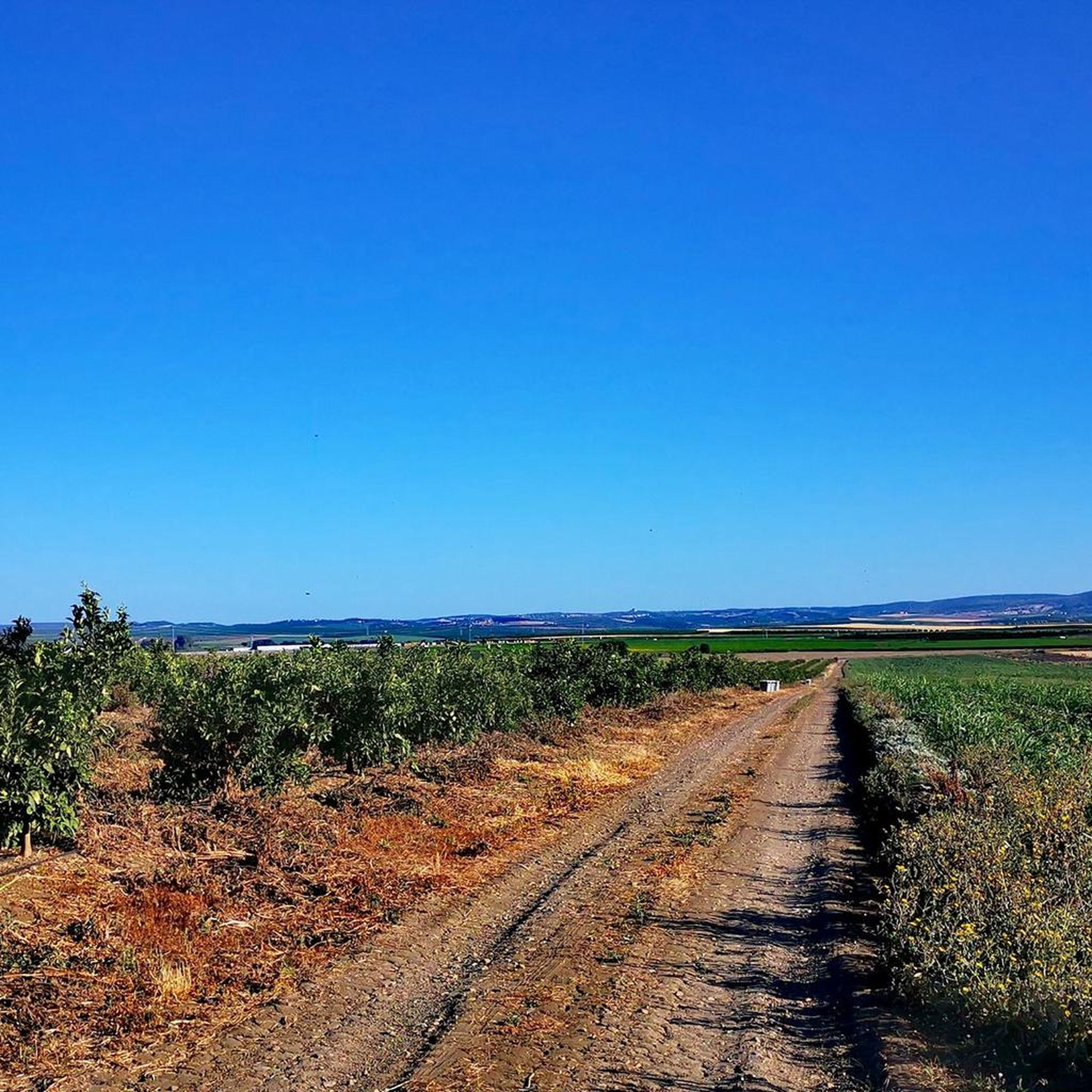
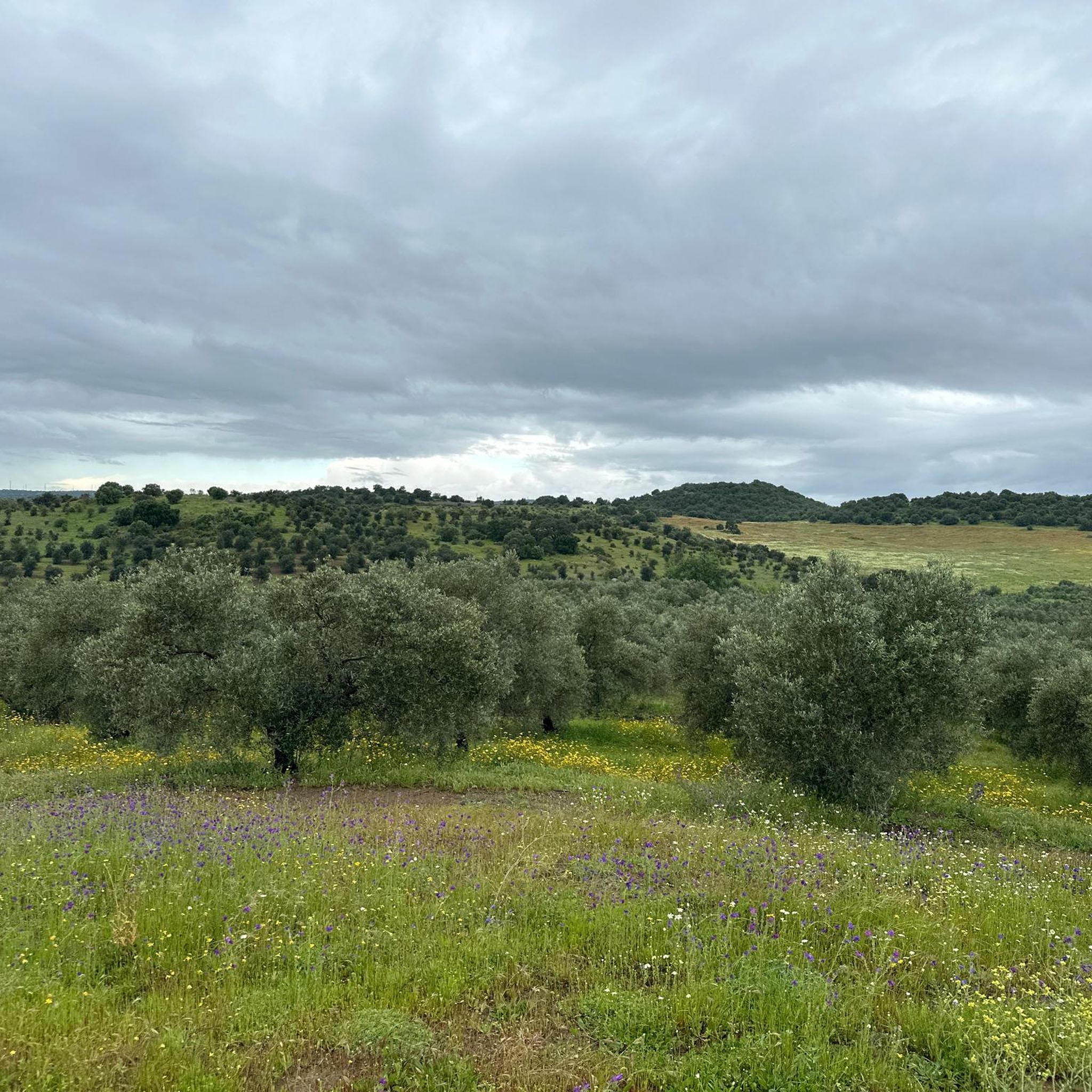
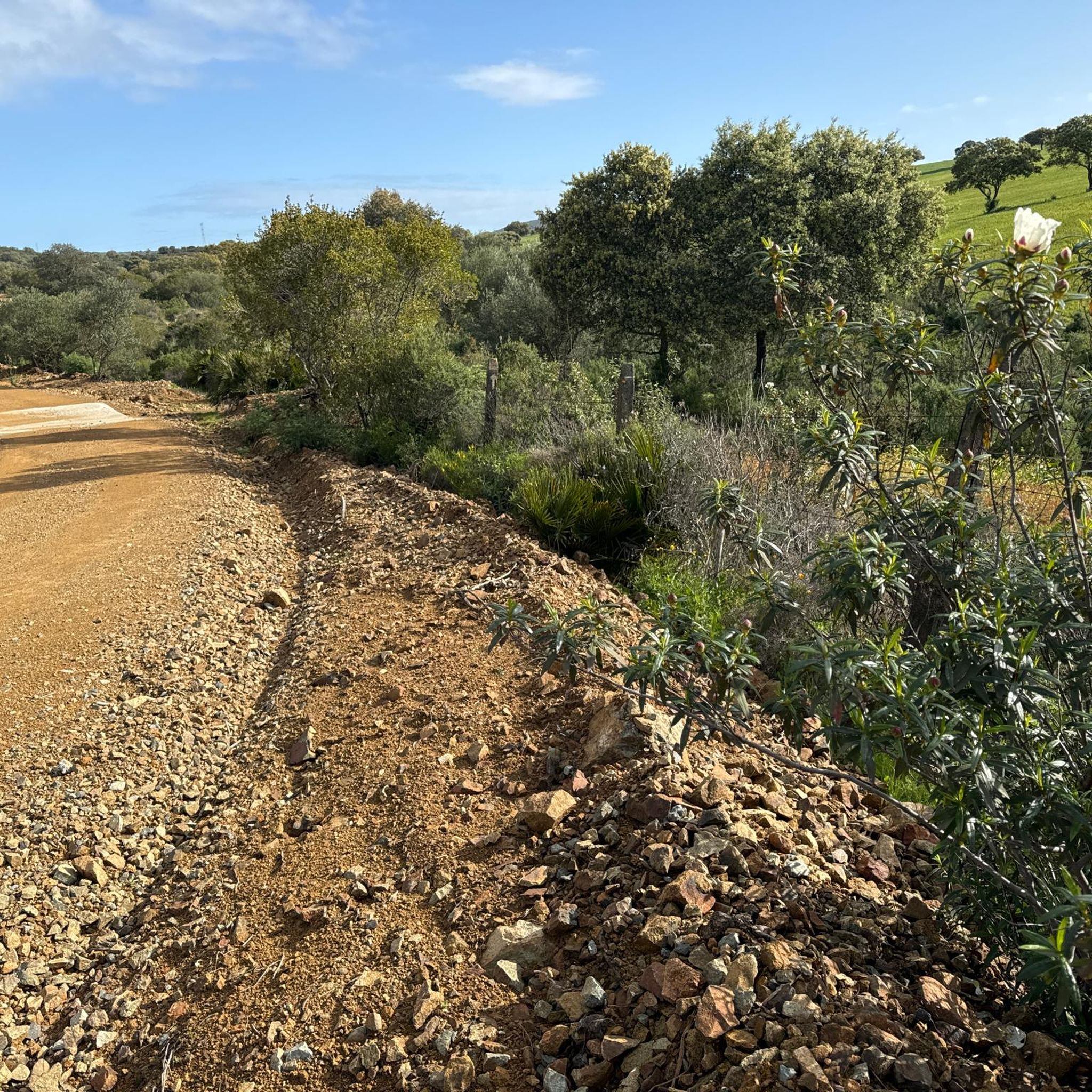
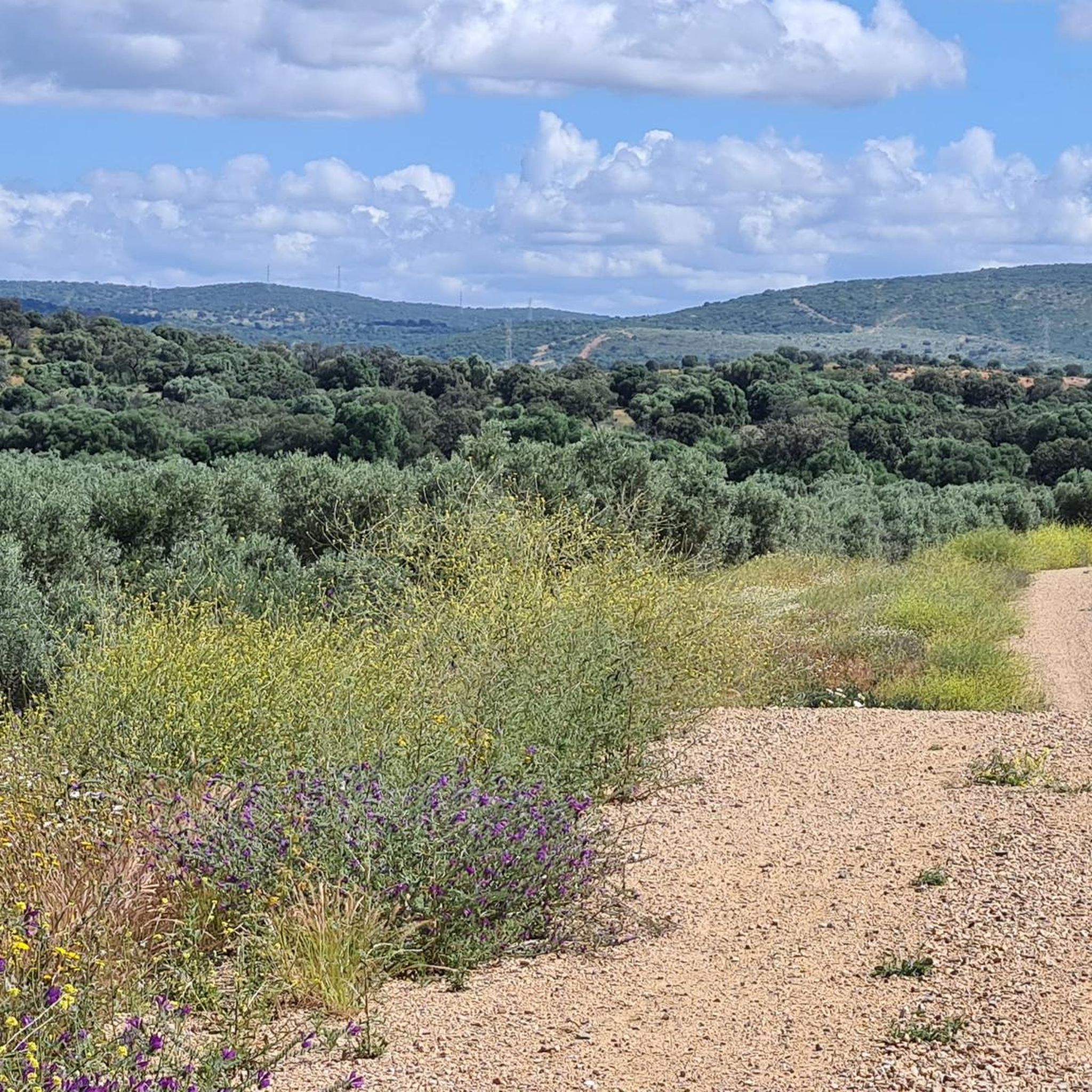
- The most popular attractions is Camino del Chaparral, a trail that offers views over extensive cork and kermes oak forests. The dirt track can be challenging in sections due to erosion, but the panoramic views from the hilltop are notable.
- Another must-see spot is Church of the Immaculate Conception, a religious building located in Plaza Blas Infante. This Baroque-style church, rebuilt after the 1755 Lisbon earthquake, houses a neoclassical altarpiece and an 11-centimeter terracotta image of the Holy Virgin of Aguas Santas.
- Visitors also love Ermita de San Bartolomé, a historic chapel originally built in the 15th century. This chapel features a basilica plan with three naves and a wooden roof, housing several altarpieces and statues.
- Villaverde Del Río is known for its historical sites, religious buildings, and hiking trails. The area offers a variety of attractions to see and explore, from ancient structures to natural paths.
- The attractions around Villaverde Del Río are appreciated by the komoot community, with 9 photos and 23 upvotes contributing to their appeal.
Last updated: June 29, 2026
Camino del Chaparral
Highlight • Trail
Translated by Google •
Tip by

Church of the Immaculate Conception
Highlight • Religious Site
Translated by Google •
Tip by

Sign up now to discover places like this
Get recommendations on the best single tracks, peaks, & plenty of other exciting outdoor places.
Sign up for free
Cuesta de Los Melonares
Highlight (Segment) • Climb
Translated by Google •
Tip by

Ermita de San Bartolomé
Highlight • Religious Site
Translated by Google •
Tip by
Church of the Sweet Name of Jesus and Holy Mercy
Highlight • Religious Site
This church has a rich history and was once used as a hospital, probably run by a brotherhood. Originally the church had one nave, but later another was added on the side of the epistle. The facade of the church is made of exposed brick and is topped with an artistic tower with a tiled facade.
Inside the church, the ceilings are made of wooden beams, with a gable roof in the main naves and simple chapel floors in the side aisles. The entrance to the church is in a typical Mudéjar style, with an oculus formed by bricks surrounded by blue, white and honey-coloured tiles. The tower has a semicircular arch with alfiz and is topped with a mixtilinear pediment and a cast iron weathercock. The church houses an 18th century altarpiece, on which there is an image of the Holy Jesus of the School of Seville, together with a painting of the Virgin of Mercy. Another special feature of the church is the simpecado of the Virgin of Belén, a precious plate with an embroidery of silver on red velvet.
The church is also the seat of the brotherhood of San Benito Abad of Cantillana, and from the last weekend of August a pilgrimage to the hermitage of the Saint in Castilblanco de los Arroyos starts from this church.
Translated by Google •
Tip by
Sign up for free to discover even more attractions around Villaverde Del Río.
Sign up for free
Already have an account?
Start today with a free account
Your next adventure awaits.
Login or Signup

Tips from the Community

The Ermita de San Bartolomé in Cantillana is a historic chapel originally built in the 15th century. The chapel is located in the Plaza de Llano, a central square in Cantillana. It has a basilica plan with three naves, separated by brick columns supporting pointed arches. The roof is wooden, with a central coffered ceiling and hanging on the sides. The exterior has been intensely transformed, highlighting the main entrance of the eighteenth century. The chapel has a beautiful main door from the 18th century and contains several altarpieces and statues, including the image of Jesus of Nazareth and Saint Bartholomew. Currently the hermitage of San Bartolomé houses the images of Our Lady of the Assumption, Saint Bartholomew, Our Father Jesus and Our Lady of Consolation, from the Baroque period, and the painting of Saint Catherine of Alexandria, from the eighteenth century, with some interest in the wall paintings with themes of angels with inscriptions between rock formations, datable to very late dates in the eighteenth century
6
0
Here too there is a stork's nest on the tower.
7
0
The Iglesia del Dulce Nombre de Jesús y Santa Misericordia in Cantillana is a beautiful historic building originally built in the 16th century. This church has a rich history and was once used as a hospital, probably run by a brotherhood. Originally the church had one nave, but later another was added on the side of the epistle. The facade of the church is made of exposed brick and is topped with an artistic tower with a tiled facade. Inside the church, the ceilings are made of wooden beams, with a gable roof in the main naves and simple chapel floors in the side aisles. The entrance to the church is in a typical Mudéjar style, with an oculus formed by bricks surrounded by blue, white and honey-coloured tiles. The tower has a semicircular arch with alfiz and is topped with a mixtilinear pediment and a cast iron weathercock. The church houses an 18th century altarpiece, on which there is an image of the Holy Jesus of the School of Seville, together with a painting of the Virgin of Mercy. Another special feature of the church is the simpecado of the Virgin of Belén, a precious plate with an embroidery of silver on red velvet. The church is also the seat of the brotherhood of San Benito Abad of Cantillana, and from the last weekend of August a pilgrimage to the hermitage of the Saint in Castilblanco de los Arroyos starts from this church.
7
0
The Iglesia de la Purísima Concepción in Villaverde del Río is located on the Plaza Blas Infante and is a popular place for both locals and visitors. The church is of Baroque style and consists of a single, spacious nave closed by a beautiful plaster cross vault. The façade of the church is adintel and is flanked by pilasters that crown a pediment with a pinnacle. Inside the church is a neoclassical altarpiece in which the Purísima Concepción is venerated, along with portal altarpieces of Santa Rita and San Sebastián.
8
0

The Los Melonares slope, located in the Natural Park of the Sierra Norte de Sevilla, is one of the most classic Seville ascents. A constant climb of almost 5 km and an average slope of 5.5%, reaching up to 10%. Do not forget to recharge the drums before starting to climb.
2
0
Building rebuilt in 1755, after the Lisbon earthquake and reformed at the beginning of the 19th century. The main altarpiece is an anonymous work from the end of the 18th or beginning of the 19th century. In one of the chapels is the image of the Holy Virgin of Aguas Santas, patron saint of the town. It is a small terracotta molded image that measures only 11 centimeters.
4
0

The road is beautiful but there are sections with a lot of erosion. They are easy with BTT when they are dry.
1
0

The dirt track is damaged in some sections as a result of erosion and floods caused by heavy rains. However, the views you get once you get to the top of the hill are worth the effort.
2
0
Frequently Asked Questions
What historical sites can I explore in Villaverde Del Río?
Villaverde Del Río offers several historical sites. You can visit the Church of the Immaculate Conception, a Baroque-style church rebuilt after the 1755 Lisbon earthquake, which houses valuable artifacts and an ancient image of the Virgen de Aguas Santas. Other notable sites include the Shrine to Nuestra Señora de Aguas Santas, traditionally believed to be built by Saint Isidore, and the ruins of a Medieval Castle from the Almohad period, which defended the Guadalquivir river route.
Where can I find natural landscapes and viewpoints near Villaverde Del Río?
For natural beauty, explore the Las Calderas Waterfalls and Mesa Redonda. Las Calderas features a series of waterfalls and pools, ideal for hiking. Adjacent to it, Mesa Redonda, a flat-topped mountain, offers stunning panoramic views of the Vega del Guadalquivir. The Camino del Chaparral also provides excellent views over extensive cork and kermes oak forests.
Are there any family-friendly attractions or activities in the area?
Yes, Villaverde Del Río has options for families. The Church of the Immaculate Conception and the Ermita de San Bartolomé are historical sites suitable for all ages. For outdoor family fun, Parque Fluvial Majadallana offers natural pools and small beaches where the river calms, perfect for a relaxing day amidst diverse flora and fauna.
What kind of outdoor activities can I do around Villaverde Del Río?
The region is excellent for outdoor activities. You can enjoy hiking, cycling, and horse riding, especially around the Las Calderas Waterfalls and Mesa Redonda. The Guadalquivir River also offers opportunities for fishing and relaxing walks along its banks. For more structured routes, consider exploring the MTB Trails around Villaverde Del Río or the Cycling routes around Villaverde Del Río.
Are there specific hiking trails I should know about?
Yes, the Camino del Chaparral is a notable trail offering views over cork and kermes oak forests, though some sections can be challenging due to erosion. The areas around Las Calderas Waterfalls and Mesa Redonda are also popular for hiking. For a variety of options, you can explore the Cycling around Villaverde Del Río guide, which includes walking routes like the 'Hike from Villaverde del Río – circular'.
What cultural events take place in Villaverde Del Río?
Villaverde Del Río hosts significant cultural events. The Romería del Convento, a religious pilgrimage in May in honor of Nuestra Señora de Aguas Santas, is one of Andalusia's oldest traditions. In July, the town celebrates the Festival del Melocotón, a traditional flamenco festival.
What are the characteristics of the Purísima Concepción Parish Church?
The Purísima Concepción Parish Church, also known as the Church of the Immaculate Conception, is a significant Baroque-style landmark. Reconstructed after the 1755 Lisbon earthquake, it features a single, spacious nave with a beautiful plaster ribbed vault. It houses valuable gold and silver artifacts, paintings from the 16th to 19th centuries, and an ancient Byzantine statue of the Virgen de Aguas Santas.
Can I find any ancient ruins or archaeological sites?
Yes, you can visit the Ruins of the Medieval Castle, built during the Almohad period to defend the Guadalquivir river route. Additionally, Mesa Redonda, a flat-topped mountain, is believed to be an ancient volcano and holds significant Iberian-Roman archaeological remains.
What is special about the Parque Fluvial Majadallana?
Parque Fluvial Majadallana is a forested park located in the upper course of the Siete Arroyos stream. It's known for its natural pools and small beaches where the river calms, making it a tranquil spot. The park is home to diverse flora like arbutus, mastic, and myrtle, and fauna including herons, kingfishers, and otters. Nearby, you can also see the siphon bridge of the Viar canal, a distinctive hydraulic structure.
What do visitors enjoy most about the attractions in Villaverde Del Río?
Visitors particularly appreciate the blend of historical depth and natural beauty. The panoramic views from the hilltop of Camino del Chaparral are highly regarded, even with challenging sections. The historical significance and architectural beauty of religious buildings like the Church of the Immaculate Conception are also frequently highlighted.
Are there other notable religious buildings besides the main church?
Beyond the main parish church, you can also visit the Ermita de San Bartolomé, a historic chapel originally built in the 15th century with a basilica plan. Other significant religious sites include the Church of the Sweet Name of Jesus and Holy Mercy and the Ermita de Nuestra Señora de la Soledad, both offering rich history and architectural interest.
What is the best way to explore the town's historic center?
Villaverde Del Río's historic streets and squares are best explored on foot. The town is small and easily walkable, allowing you to discover lovely historic balconied facades and landmarks like the Town Hall, which features brick vaults in its basement that were once part of the town's old granary.
Most popular routes around Villaverde Del Río

Get inspired with the komoot mobile app


Explore more
Still not found the Highlight you’re looking for? See guides of the top attractions in other regions:
