Attractions and Places To See around Baños De Valdearados - Top 20
Best attractions and places to see around Baños De Valdearados include a blend of historical sites and traditional architecture. This village in Burgos, Spain, is known for its significant Roman past and charming religious buildings. The area is also connected to the renowned Ribera del Duero wine region, offering insights into local culture and history.
Best attractions and places to see around Baños De Valdearados
- The most popular attractions is Peñaranda de Duero, a settlement known for its rich…
Last updated: July 12, 2026
Peñaranda de Duero
Highlight • Settlement
Translated by Google •
Tip by

Church of San Andrés, Zazuar
Highlight • Religious Site
Translated by Google •
Tip by
Sign up now to discover places like this
Get recommendations on the best single tracks, peaks, & plenty of other exciting outdoor places.
Sign up for free
Peñaranda de Duero
Highlight • Settlement
Translated by Google •
Tip by
Caleruega
Highlight • Settlement
Showing Translation
Tip by

Colegiata Santa Ana
Highlight • Religious Site
Its construction, begun in 1540 by the family …
Translated by Google •
Tip by
Sign up for free to discover even more attractions around Baños De Valdearados.
Sign up for free
Already have an account?
Start today with a free account
Your next adventure awaits.
Login or Signup


Tips from the Community

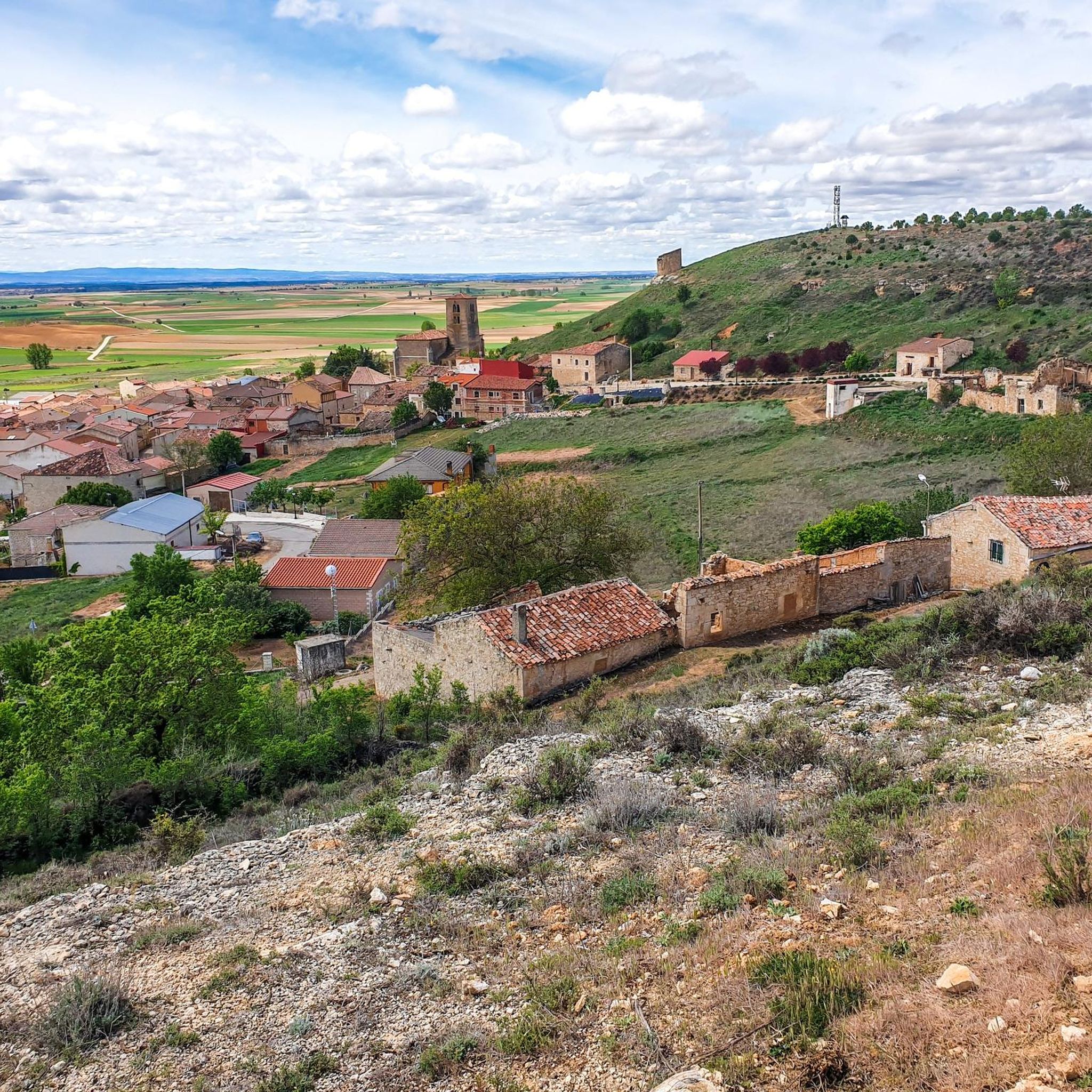
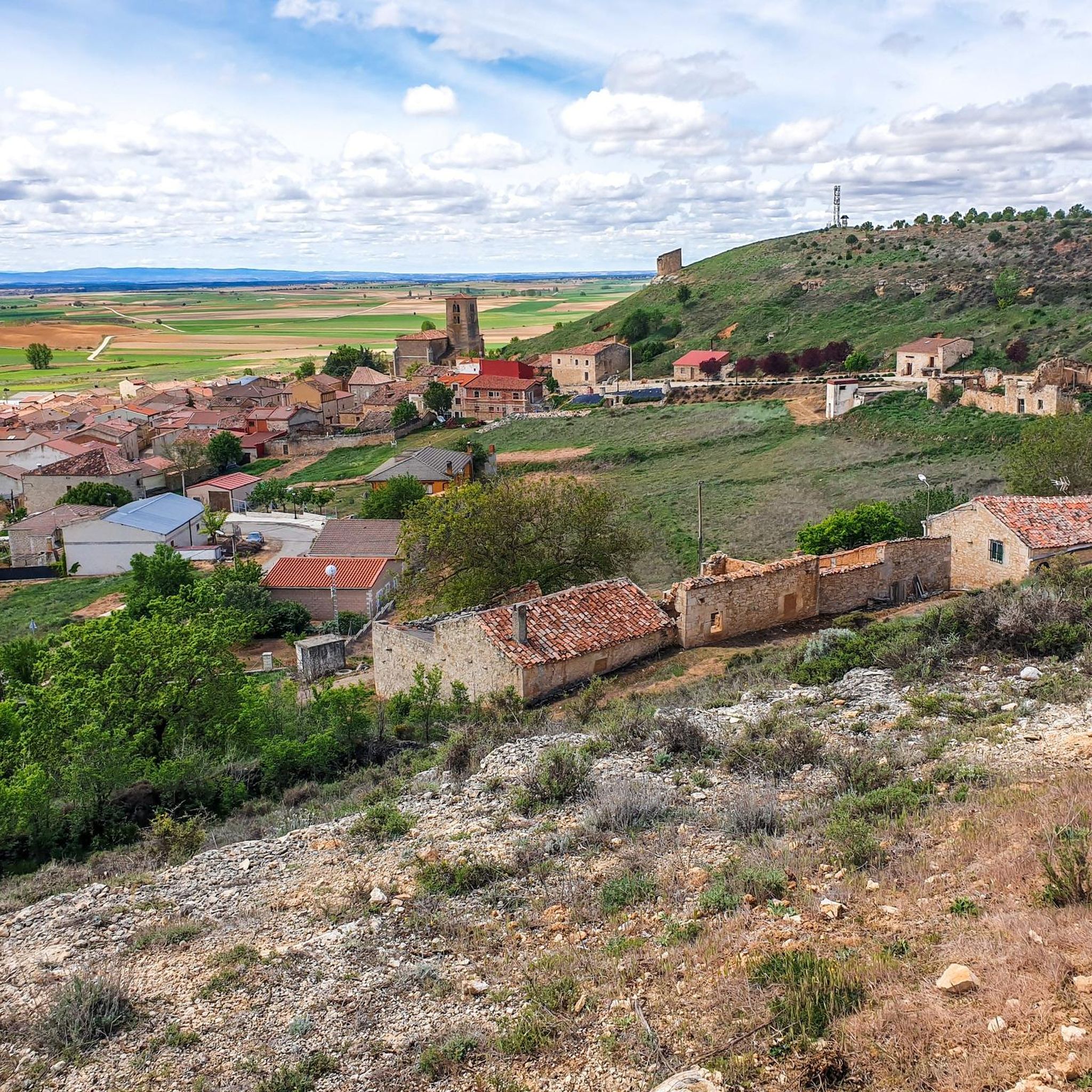
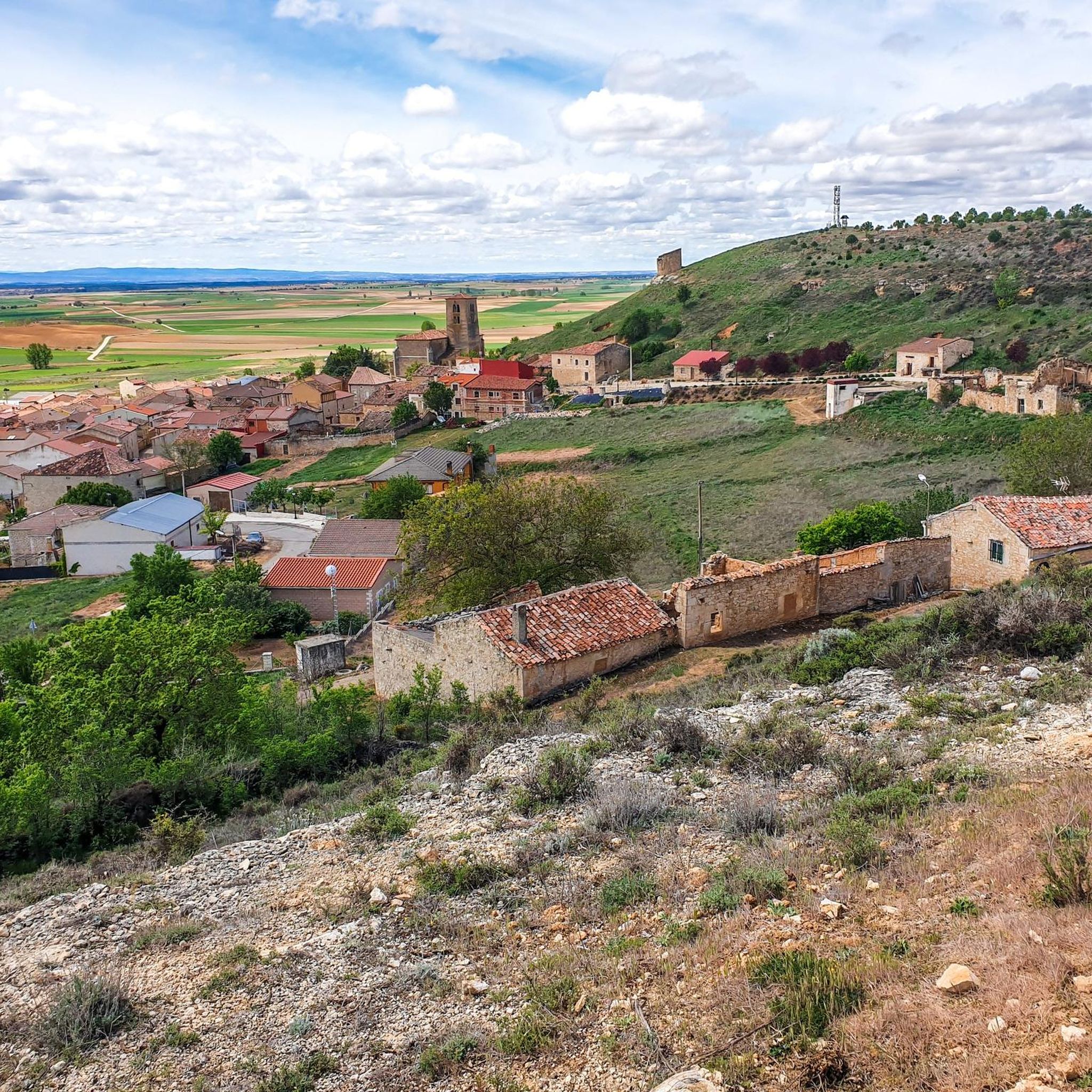
It is also worth strolling through its surroundings among vineyards and lavender fields, enjoying viewpoints and nature trails, and learning about its wine tradition, which makes the visit a perfect combination of medieval history, religious heritage, and tranquil nature.
1
0
Caleruega, in the province of Burgos and in the heart of the Ribera del Duero, is one of the most beautiful villages in the area and stands out for its great historical and spiritual value, as it is the birthplace of Santo Domingo de Guzmán, founder of the Dominicans. The most interesting thing is to walk through its stone old town and visit the Dominican monumental complex, formed by the Royal Monastery of Santo Domingo (on the site where the saint was born), the convent and the Guzmanes tower, as well as the church of San Sebastián, where he was baptized.
2
0

Spectacular area for hiking routes
0
0

Peñaranda de Duero is a municipality in Burgos, in the Ribera del Duero region, known for its rich historical heritage. Its old town, declared a Historic Site, is notable for the Peñaranda de Duero Castle, the Palace of the Counts of Miranda, its arcaded Plaza Mayor, and its provincial roll. In addition to its architecture, the town is part of the Ribera del Duero Designation of Origin and has a strong winemaking tradition.
4
0
Peñaranda de Duero is a municipality in Burgos, in the Ribera del Duero region, known for its rich historical heritage. Its old town, declared a Historic Site, is notable for the Peñaranda de Duero Castle, the Palace of the Counts of Miranda, its arcaded Plaza Mayor, and its provincial roll. In addition to its architecture, the town is part of the Ribera del Duero Designation of Origin and has a strong winemaking tradition.
3
0
The former Collegiate Church of Santa Ana in Peñaranda de Duero is an important monument that combines late Gothic and Renaissance styles. Its construction, begun in 1540 by the family of the Counts of Miranda, continued throughout the 17th century. Its main façade, in a classicist Baroque style, features Roman busts and a grand staircase. Inside, the main altarpiece is neoclassical, designed by the famous architect Ventura Rodríguez. The building is an excellent example of the transition between architectural styles during the period.
3
0
The Church of Saint Andrew the Apostle in Zazuar is a large church built between the 16th and 19th centuries. Its interior combines Gothic and Renaissance styles and is notable for its altars with 15th-century Castilian panels, a Gothic monstrance, and a processional cross. The masonry and stone tower was completed in 1802.
4
0
The Church of Saint Andrew the Apostle in Zazuar was built between the 16th and 19th centuries. Its interior combines Gothic and Renaissance styles and is notable for its altars with 15th-century Castilian panels, a Gothic monstrance, and a processional cross. The masonry and stone tower was completed in 1802.
4
0
Frequently Asked Questions
What historical sites can I explore in Baños de Valdearados?
Baños de Valdearados is rich in history, most notably the Roman Villa of Santa Cruz. This significant archaeological site, dating from the 4th and 5th centuries AD, features well-preserved mosaics, including the famous Bacchus mosaic. You can also explore several religious buildings such as the 17th-century Parish Church of Nuestra Señora de la Asunción, the 11th-century Old Church of Santo Cristo, and the Hermitages of Santo Cristo del Consuelo, San Roque, and Santa María Magdalena.
Are there any family-friendly attractions in the area?
Yes, the region offers several family-friendly spots. The historic town of Peñaranda de Duero, with its castle, palace, and arcaded Plaza Mayor, provides an engaging historical experience for all ages. The Plaza de Peñaranda itself is a great place to soak in traditional Castilian architecture and enjoy the town's atmosphere.
What outdoor activities are available near Baños de Valdearados?
The area around Baños de Valdearados is excellent for outdoor enthusiasts. You can find numerous routes for hiking, running, and cycling. For hiking, consider trails like 'Sendero de las Loberas' or 'Sendero de las Viñas'. Runners might enjoy the 'Forest and Pine Grove Trail' or the 'Arabuzos Trail'. Cyclists have options such as the 'Langa de Duero – San Esteban de Gormaz loop'. You can find more details and routes in the Hiking around Baños De Valdearados, Running Trails around Baños De Valdearados, and Cycling around Baños De Valdearados guides.
What natural features can I see in Baños de Valdearados?
The village is watered by the Bañuelos River, a tributary of the Duero, which is believed to be the origin of the town's name ('Baños' meaning 'baths'). The surrounding landscape features gentle cornices leading to moors, with the highest points reaching between 890 and 925 meters. The area is characterized by vineyards and cereal fields, reflecting its connection to the Ribera del Duero wine region.
What is the significance of the Roman Villa of Santa Cruz?
The Roman Villa of Santa Cruz is arguably the most significant attraction, renowned for its exceptionally well-preserved mosaics, particularly the intricate Bacchus mosaic. This mosaic, considered one of the best in Spain, suggests the villa's strong ties to wine production. The site also reveals evidence of a hypocaustum (underfloor heating system), indicating the high status of its former inhabitants.
Are there any cultural events or festivals in Baños de Valdearados?
Yes, each August, Baños de Valdearados celebrates a vibrant Roman Festival in honor of Bacchus. This festival brings the ancient history of the Roman Villa to life with parades, banquets, and various Roman-themed activities, offering a unique cultural experience.
What kind of architecture can I expect to see in the village?
Beyond the Roman ruins and churches, the village center of Baños de Valdearados itself is a point of interest. You'll find traditional stone facades, some adorned with swallows' nests, and a mural dedicated to rural women, showcasing the authentic rural architecture of the region.
What is the best time to visit Baños de Valdearados?
While Baños de Valdearados can be visited year-round, late spring (May-June) and early autumn (September-October) offer pleasant weather for exploring historical sites and enjoying outdoor activities. If you're interested in cultural events, visiting in August would allow you to experience the annual Roman Festival.
What do visitors enjoy most about the attractions near Baños de Valdearados?
Visitors particularly appreciate the rich historical heritage and well-preserved architecture. The old town of Peñaranda de Duero, with its castle and impressive Colegiata Santa Ana, is often highlighted for its beauty and historical significance. The blend of ancient history, traditional rural life, and the connection to the Ribera del Duero wine region also adds to the appeal.
Can I find viewpoints to enjoy the landscape?
Yes, the Castle in Peñaranda de Duero, originally built in the 10th century, offers incredible views of the town and the surrounding area from its keep and battlements. The general landscape around Baños de Valdearados, with its gentle cornices and moors, also provides scenic vistas.
What is the connection between Baños de Valdearados and the Ribera del Duero wine region?
Baños de Valdearados is strongly connected to the renowned Ribera del Duero wine region. The area's agricultural activity predominantly focuses on vineyards, and the Roman Villa of Santa Cruz's Bacchus mosaic further emphasizes this historical link to wine production. Many nearby towns, like Peñaranda de Duero, are also part of this prestigious Designation of Origin and have a strong winemaking tradition.

Get inspired with the komoot mobile app


Explore more
Still not found the Highlight you’re looking for? See guides of the top attractions in other regions:
