The best road cycling routes around Valdefuentes De Sangusín
4.9
(14)
2,471
riders
89
rides
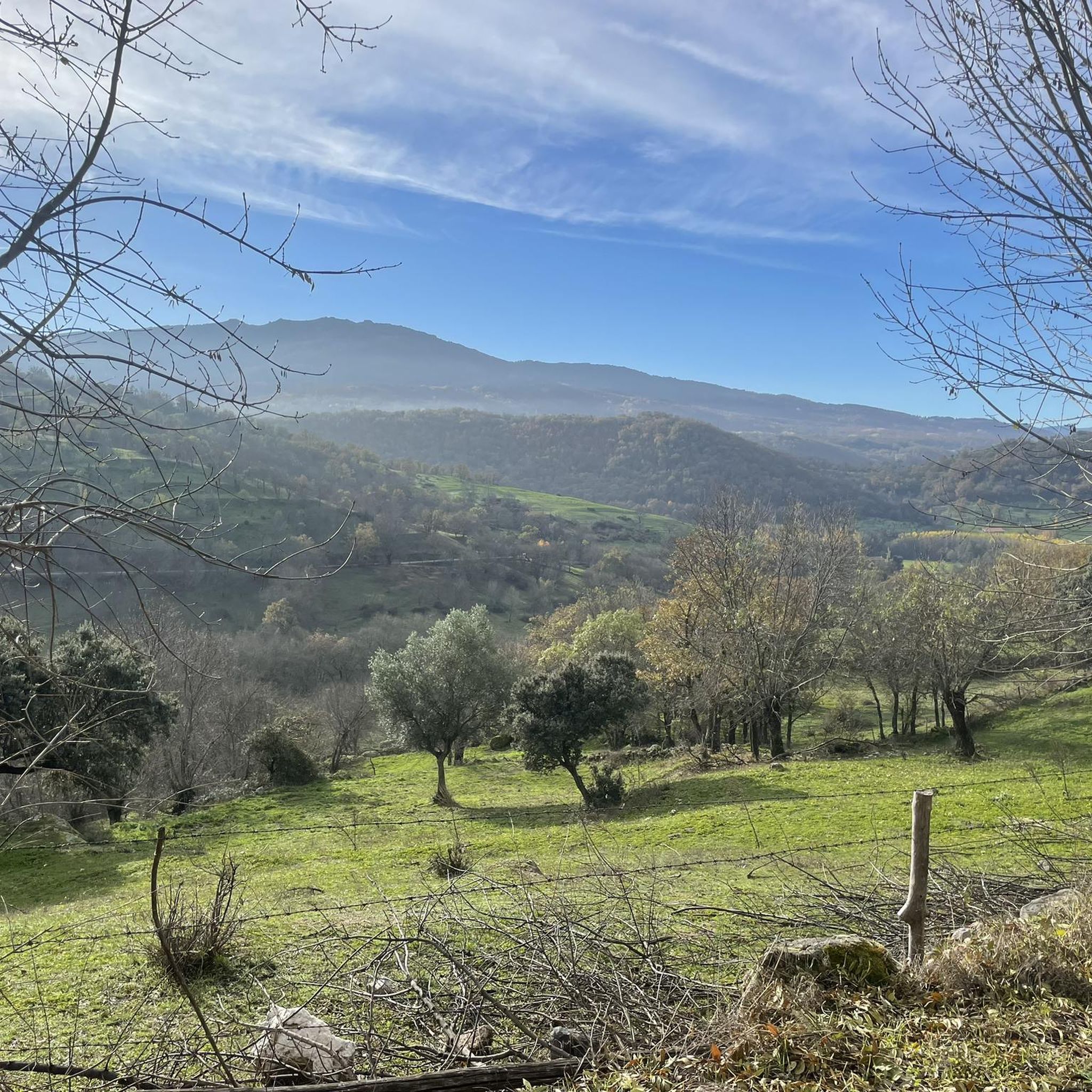
Road cycling routes around Valdefuentes de Sangusín traverse a landscape characterized by the Sierra de Béjar and Sierra de Francia mountain ranges, which form part of a UNESCO Biosphere Reserve. The region features varied terrain, from the flat Sangusín river valleys to demanding ascents in the foothills. Cyclists encounter coniferous and hardwood forests, rocky outcrops, and unique *dehesa* landscapes with holm oaks. This diverse topography provides a range of road cycling experiences.
Best road cycling routes around Valdefuentes De Sangusín
…Last updated: October 14, 2026
1
riders
52.9km
02:37
770m
770m
This moderate 32.9-mile (52.9 km) road cycling route near Valverde de Valdelacasa offers scenic views and a good workout.
50
riders
Moderate road ride. Good fitness required. Mostly well-paved surfaces and easy to ride.

28
riders
53.7km
02:39
720m
720m
Moderate road ride. Good fitness required. Mostly well-paved surfaces and easy to ride.
12
riders
47.8km
02:06
420m
420m
Moderate road ride. Good fitness required. Mostly well-paved surfaces and easy to ride.
10
riders
18.7km
00:51
220m
220m
Easy road ride. Great for any fitness level. Mostly well-paved surfaces and easy to ride.
Get access to more routes and recommendations from other explorers.
Already have an account?
Our route recommendations are based on thousands of hikes, rides, and runs completed by other people on komoot.
Start today with a free account
Your next adventure awaits.
Tips from the Community

It is the only granite theme park in Spain, created to pay homage to the quarrying tradition of the municipality. It occupies a former quarry transformed into an artistic and natural space. Monumental sculptures made from granite blocks by the Salamanca artist Amable Diego. Recreations that evoke menhirs, dolmens, and megalithic structures, including the famous "Salamanca Stonehenge." Explanatory panels on the history of quarrying, from Roman roads to modern industry.
6
0

A very good road with magnificent views and little traffic. To enjoy.
1
0
A lovely area for cycling.
1
0

Pretty town in the Sierra Salamanca, which also has a theme park dedicated to granite from which there are quarries.
0
0

Béjar is a Historical-Artistic city with many important buildings and monuments along narrow streets and large squares. The jewel is the Ducal Palace Palace from the 16th century belonging to the order of the Zúñiga family. Stop at the Plaza Mayor for a drink and a bite to eat.
1
0

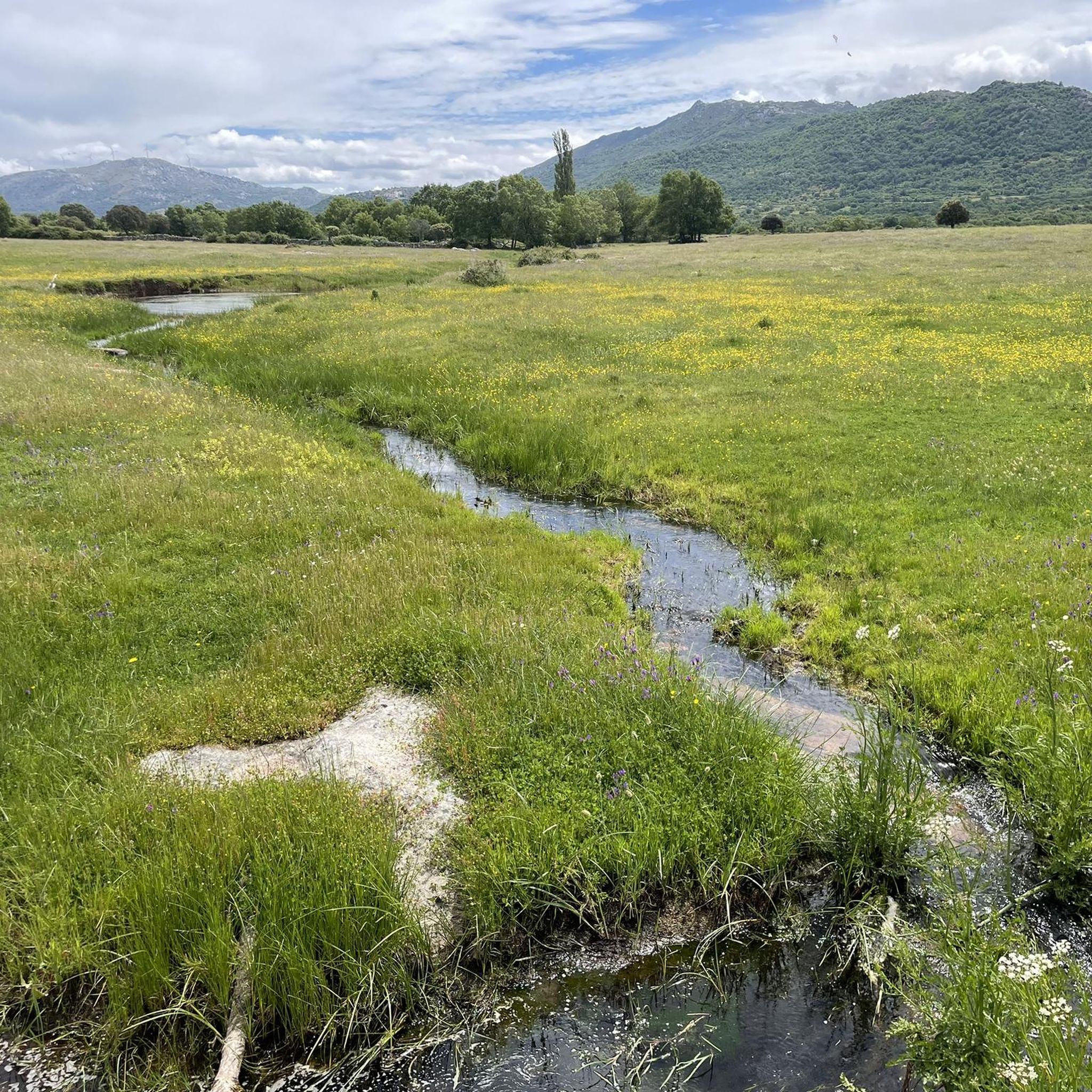
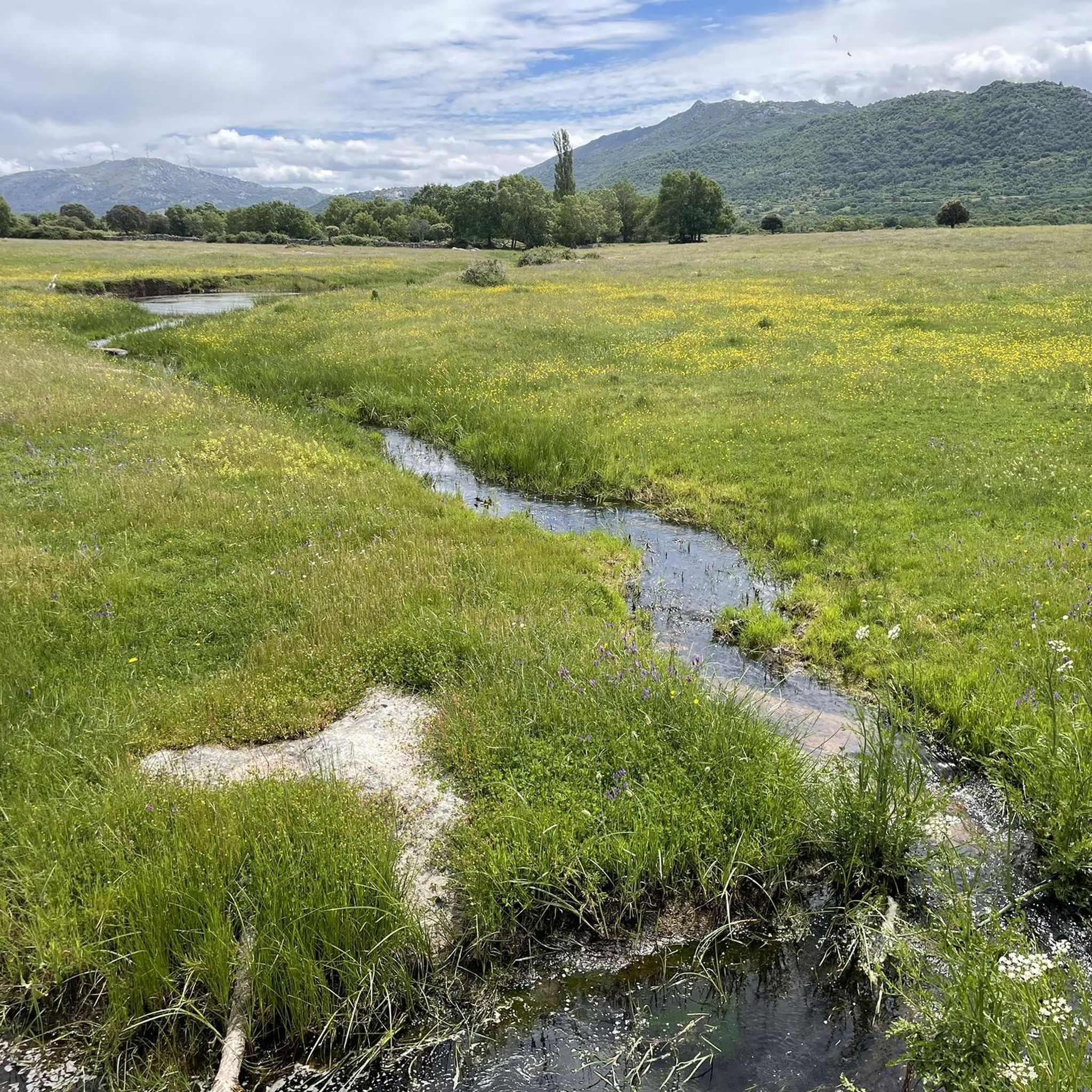
Nice stone formations. might be a good place to stop for a picknick and enjoy the views.
0
1

In the southeastern fringe of the province of Salamanca, the municipal complex of San Miguel de Valero is located, in the middle of the Sierra Quilamas, some 60 kilometers away from the charra capital. At an average altitude of about 950 meters above sea level, the climate is usually characterized by low temperatures and long winters. However, during the summer the days are mild and the nights are cool.
0
0
Near the town of San Esteban de la Sierra is this viewpoint, on the road that goes to San Miguel de Valero. There are good views of the town and the Quilamas Natural Area.
0
0
Frequently Asked Questions
How many road cycling routes are available around Valdefuentes de Sangusín?
There are over 90 road cycling routes in the Valdefuentes de Sangusín area. These routes offer a diverse range of experiences, from moderate loops to challenging climbs through the mountainous terrain.
What kind of terrain can I expect on road cycling routes in Valdefuentes de Sangusín?
The region offers varied terrain, characterized by the Sierra de Béjar and Sierra de Francia mountain ranges. You'll find everything from flat river valleys along the Sangusín river to demanding ascents in the foothills. The landscape includes coniferous and hardwood forests, rocky outcrops, and unique dehesa landscapes with holm oaks.
Are there challenging road cycling routes for experienced cyclists?
Yes, Valdefuentes de Sangusín is well-suited for experienced cyclists seeking a challenge. The area is known for its demanding ascents, including routes that traverse the Sierra de Béjar and Sierra de Francia. For example, the Miranda de Castañar – Ascent to Puerto de Valero loop from San Esteban de la Sierra is a difficult 71.5 km trail with significant elevation gain.
What are some notable landmarks or natural features to see along the cycling routes?
Cyclists can enjoy stunning views over the Sierra de Béjar and Sierra de Francia, both UNESCO Biosphere Reserves. The area also features the Sangusín river, numerous natural springs like Fuentebuena, and historical pathways such as the Cañada Real Romana and Ruta de la Plata. You might also encounter unique dehesa landscapes. For specific points of interest, consider visiting the Granite Theme Park or the Peña Negra Summit.
Are there any circular road cycling routes in the area?
Yes, many routes in Valdefuentes de Sangusín are designed as loops. A popular option is the Entresierras Integral Circular Trail, a moderate 52.9 km route that offers varied terrain. Another is the Molinos de Pichón – Ascent to Puerto de Cristóbal loop from La Calzada de Béjar, a moderate 26.5 km path.
What do other road cyclists say about the routes in Valdefuentes de Sangusín?
The road cycling routes around Valdefuentes de Sangusín are highly rated by the komoot community, with an average score of 5.0 stars from over 8 reviews. Cyclists often praise the diverse topography, ranging from river valleys to challenging mountain ascents, and the spectacular views of the Sierra de Béjar and Sierra de Francia.
Can I find routes that are suitable for families or less experienced cyclists?
While many routes feature challenging climbs, there are also moderate options available. The region's diverse topography provides a range of experiences, and you can find routes with less elevation gain, particularly in the flatter river valleys. Look for routes marked as 'moderate' or 'easy' to find suitable options for a more relaxed ride.
Are there any historical routes I can cycle on?
Yes, the area is rich in history, with ancient pathways adapted for cycling. The municipality is crossed by the Cañada Real Romana and the Ruta de la Plata (Silver Route), both offering scenic rides that connect the area to a rich history of trade and transhumance. These routes provide a unique blend of natural beauty and cultural heritage.
What is the best time of year for road cycling in Valdefuentes de Sangusín?
The region offers good cycling conditions for much of the year. Spring and autumn generally provide pleasant temperatures for cycling, with vibrant landscapes. Summer can be warm, especially in the valleys, so early morning or late afternoon rides are advisable. Winter cycling is possible, but higher elevations may experience colder temperatures and occasional snow.
Are there any specific viewpoints or passes worth cycling to?
Absolutely. The region is known for its stunning mountain vistas. The ascent to Puerto de Valero offers panoramic views, as does the ascent to Puerto de Cristóbal. These passes provide excellent opportunities to take in the dramatic scenery of the Sierra de Béjar and Sierra de Francia.
Where can I find amenities like cafes or accommodation for cyclists?
Valdefuentes de Sangusín and the surrounding villages offer rural tourism amenities. While specific bike shops might be in larger nearby towns, you can generally find cafes, restaurants, and accommodation options in the villages along the routes. It's advisable to check in advance for specific services, especially in smaller hamlets.
What are the options for exploring beyond Valdefuentes de Sangusín?
The region is part of the 'Centro BTT Entresierras,' featuring routes that extend into the Sierra de Béjar and Sierra de Francia. You can find longer, more challenging routes that connect Valdefuentes de Sangusín to other towns like Horcajo, Colmenar de Montemayor, Santibáñez de la Sierra, and Fuentes de Béjar, allowing for extensive exploration of the wider Salamanca province.
Most popular routes around Valdefuentes De Sangusín
Most popular attractions around Valdefuentes De Sangusín

Get inspired with the komoot mobile app


Explore more
Browse the best Road cycling routes in other regions.
