The best road cycling routes around Membibre De La Hoz
5.0
(6)
103
riders
17
rides
Road cycling routes around Membibre De La Hoz traverse a tranquil rural environment within the Segovia Norte - Tierra de Pinares region. The area is characterized by rolling hills, open countryside, and the presence of natural springs that feed the Hoz River. Cyclists can expect varied terrain, including pine forests and agricultural lands, with elevations around 870 meters above sea level in the village itself. The routes primarily feature well-paved surfaces, suitable for road biking.
Best road cycling routes around…
Last updated: July 11, 2026
12
riders
87.7km
03:53
590m
590m
This moderate 54.5-mile (87.7 km) road cycling route from Campaspero to Olivares de Duero passes through scenic Valladolid countryside.
19
riders
53.0km
02:16
400m
400m
Moderate road ride. Good fitness required. Mostly well-paved surfaces and easy to ride.

Sign up for free
5.0
(1)
8
riders
51.2km
02:03
230m
230m
Moderate road ride. Good fitness required. Mostly well-paved surfaces and easy to ride.
5.0
(3)
4
riders
Moderate road ride. Good fitness required. Mostly well-paved surfaces and easy to ride.
8
riders
45.3km
01:47
180m
180m
Easy road ride. Great for any fitness level. Mostly well-paved surfaces and easy to ride.
Get access to more routes and recommendations from other explorers.
Sign up for free
Already have an account?
Our route recommendations are based on thousands of hikes, rides, and runs completed by other people on komoot.
Start today with a free account
Your next adventure awaits.
Login or Signup
Popular around Membibre De La Hoz


Tips from the Community

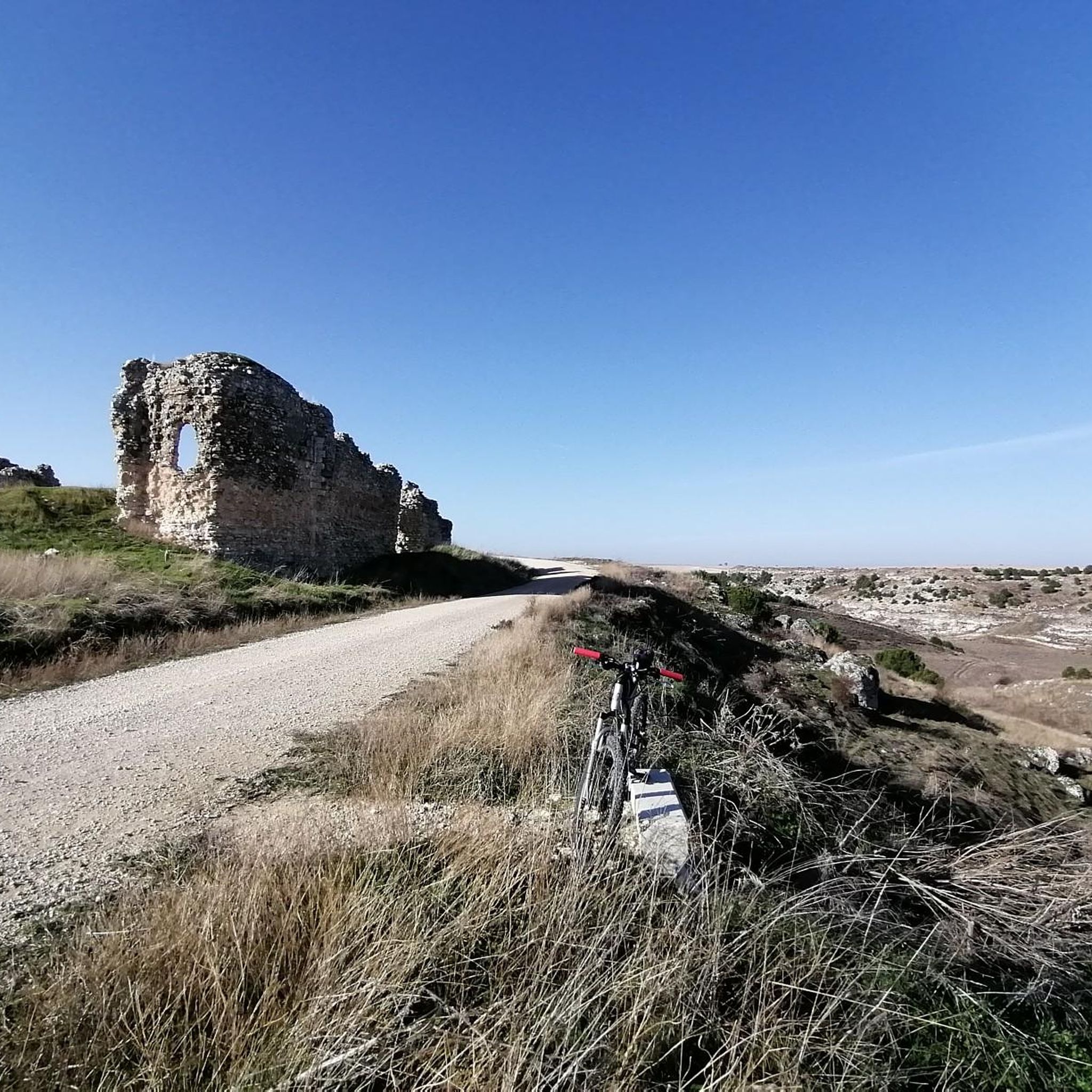
The Monastery of Santa María de la Armedilla was a monastery of the Order of San Jerónimo, today in ruins, located about 3.8 kilometers from Cogeces del Monte. The monastery was founded after the chance discovery by shepherds of an image of the Virgin Mary in a cave excavated in the rock. This gave rise to a Marian cult in the place and the construction of the monastery. The proximity of quarries and plasterworks in the area facilitated its construction, as well as the water supply. 🏰🌿
1
0

Armedilla Convent
0
0

The small rural town of Carrascal del Río is one of the gateways to the Hoces del Río Duratón Natural Park. The most notable monument of the town in addition to the river landscape is the Church of Our Lady of the Assumption. You can rest in the shade of the trees next to the church.
0
0
If you like river sports and adventure, the small town of San Miguel de Bernuy is your place. A great place to explore the Duraton River by bike and on the water.
0
0
Cantalejo, one of the gateways to the Hoces del Río Duratón Natural Park, is a good place to make a stop during the trip. Have a coffee in Plaza España or eat something small.
0
0
As you approach the historic town of Sepúlveda, the spectacular views of the Hoces del Duratón are revealed in their magnificent splendor. Like dominant towers, the rock formations of the surrounding cliffs are a powerful sight.
0
0

Olivares de Duero is a charming town surrounded by vineyards and picturesque landscapes, it retains its traditional charm.
1
0
Catholic temple located at the top of the town of Castrillo de Duero. Built in the 12th century, only the Romanesque head is preserved, while the rest of the building is in the Baroque style. The rectangular on the outside and semicircular on the inside apse has two windows, and the three naves of the temple are separated by pillars with semicircular arches.
1
0
Frequently Asked Questions
How many road cycling routes are available around Membibre De La Hoz?
There are 16 road cycling routes available around Membibre De La Hoz. The majority of these, 15 routes, are rated as moderate, with one route considered easy, catering to various skill levels.
What kind of terrain can I expect on road cycling routes in Membibre De La Hoz?
The region offers varied terrain, characterized by rolling hills, open countryside, and pine forests, typical of the 'Tierra de Pinares' comarca. You'll find mostly well-paved surfaces, ideal for road biking, with elevations around 870 meters above sea level in the village itself. Some routes may include unpaved segments, so it's good to be prepared.
When is the best time of year for road cycling in Membibre De La Hoz?
While the guide doesn't specify a 'best time,' the tranquil rural environment and varied landscapes suggest that spring and autumn would be ideal for road cycling, offering pleasant temperatures and beautiful scenery. Summer can be warm, and winter might bring colder conditions, typical of inland Spain.
Are there any historical landmarks or points of interest to see along the road cycling routes?
Yes, the area is rich in historical sites. You can explore traditional industrial constructions like ancient mills and 'batanes' (fulling mills) along routes such as the 'Ruta del Valle de Hoz'. Notable landmarks include the Romanesque Church of San Martín de Tours, the hermitage of Santa María de Rehoyo, and the ruins of an old castle and palace. Nearby, you can also visit the Castle and village of Fuentidueña and the intriguing Mozarabic Caves of Olmar.
What natural features can I explore while road cycling in Membibre De La Hoz?
The region is known for its natural beauty. You can discover numerous natural springs that feed the Hoz River, creating picturesque valleys with steep slopes and interesting rock formations. The 'Tierra de Pinares' offers scenic pine forests, and the Fuente de Mingaduras is a particularly visited natural spring that eventually flows into the Duratón River, providing attractive natural features along potential cycling paths.
Are there any circular road cycling routes around Membibre De La Hoz?
Yes, several routes are designed as loops. For example, you can try the Ribera del Duero and Armedilla Monastery Loop, a 87.7 km route, or the Peñafiel Castle – Peñafiel Castle loop from Vivar de Fuentidueña, which is 53.0 km. Another option is the Church of San Andrés – Burgomillodo Dam loop from Torrecilla del Pinar, covering 62.6 km.
Are there road cycling routes suitable for families or beginners?
While most routes are rated moderate, there is one easy road cycling route available. The region's tranquil rural environment and generally well-paved surfaces can be suitable for families or beginners looking for less challenging rides, especially on the easier sections or shorter loops. Always check the route details for elevation and distance to ensure it matches your group's ability.
What do other road cyclists enjoy the most about road cycling in Membibre De La Hoz?
The area is highly rated by the komoot community, with an average score of 5.0 stars from 5 reviews. Cyclists often praise the tranquil rural environment, the varied landscapes of rolling hills and pine forests, and the well-maintained roads that make for an enjoyable cycling experience.
Can I find routes that pass through specific towns or villages?
Yes, many routes connect various settlements and offer opportunities to explore local culture. For instance, the Peñafiel Castle – Peñafiel Castle loop from Vivar de Fuentidueña starts near Vivar de Fuentidueña, and the Fuentidueña – Sacramenia loop from Vivar de Fuentidueña connects Fuentidueña and Sacramenia, allowing you to experience different local atmospheres.
Are there any routes that offer views of castles or other significant structures?
Absolutely. The Peñafiel Castle – Peñafiel Castle loop from Vivar de Fuentidueña prominently features the landmark of Peñafiel Castle. Additionally, the wider region includes the ruins of an old castle and palace near Membibre de la Hoz, and the Romanesque walls and castle ruins of Fuentidueña, which can be explored on routes passing through or near these locations.
What is the longest road cycling route available?
The longest road cycling route listed is the Ribera del Duero and Armedilla Monastery Loop, which spans 87.7 km (54.5 miles) and typically takes around 3 hours and 52 minutes to complete.
Are there routes with significant elevation gain for a more challenging ride?
While most routes are moderate, some offer notable elevation gains. For example, the Ribera del Duero and Armedilla Monastery Loop has an elevation gain of approximately 590 meters. The Fuentidueña – Sacramenia loop from Vivar de Fuentidueña also features a significant climb with over 630 meters of elevation gain, providing a good challenge.
What are the typical road conditions for cycling in the Membibre De La Hoz area?
Cyclists can generally expect well-paved surfaces throughout the region, making it suitable for road biking. The tranquil rural environment means traffic levels are typically low, contributing to a pleasant and safe cycling experience. However, as with any rural area, some smaller roads might have varying surface quality or occasional unpaved sections.
Most popular routes around Membibre De La Hoz
Most popular attractions around Membibre De La Hoz

Get inspired with the komoot mobile app


Explore more
Browse the best Road cycling routes in other regions.
