The best road cycling routes around Villarejo De Fuentes
5.0
(1)
27
riders
9
rides
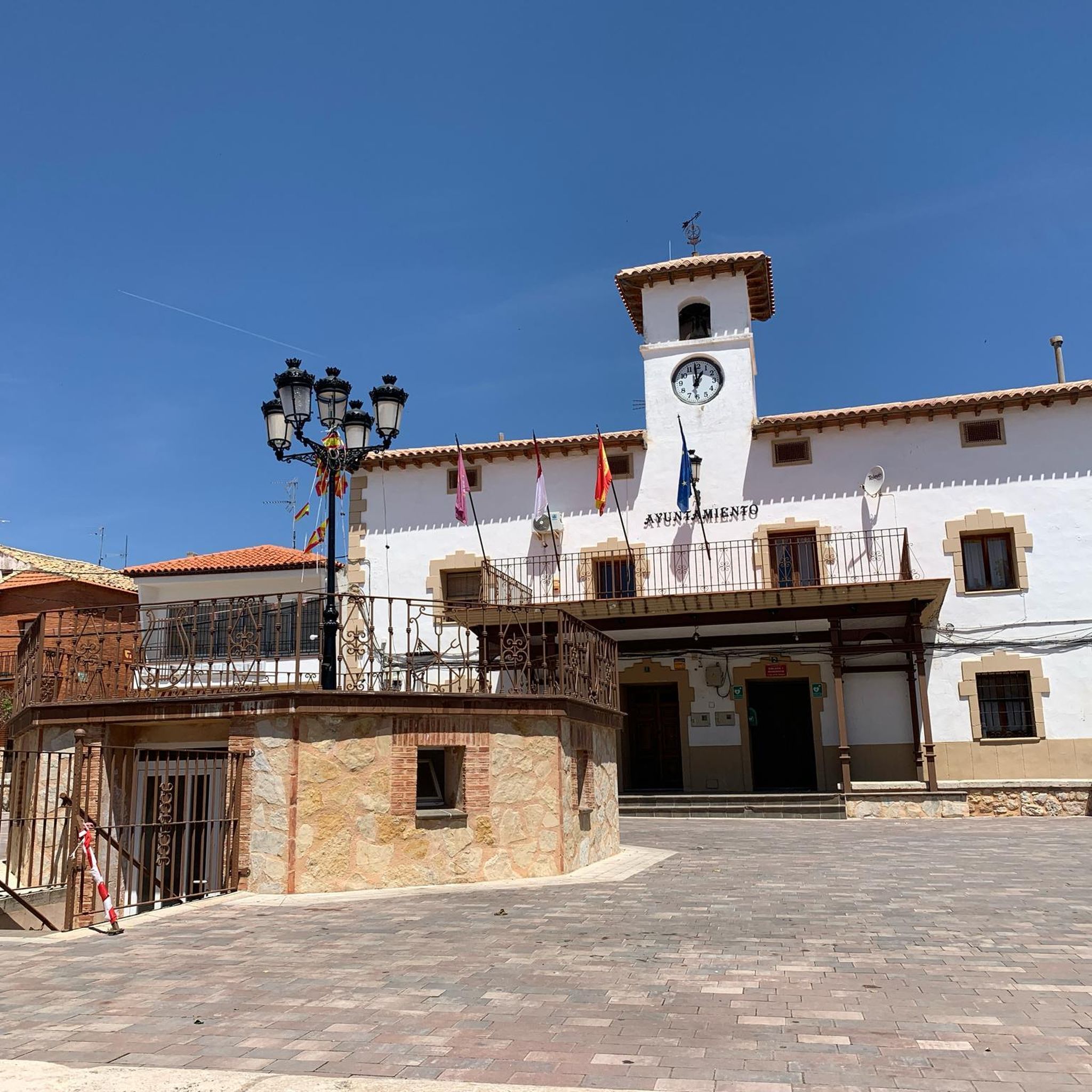
Road cycling around Villarejo De Fuentes, a municipality in the province of Cuenca, offers diverse landscapes for cyclists. The region is situated at an elevation of approximately 860 meters, featuring a mix of cultivated land and natural areas. The Záncara River traverses the area, contributing to its natural beauty and providing pathways along its course. Ancient Roman roads also exist, offering historical routes for exploration.
Best road cycling routes around Villarejo De Fuentes
- The most popular road cycling route is…
Last updated: July 7, 2026
6
riders
A moderate 45.9-mile road cycling route from Almonacid del Marquesado, exploring Laguna del Hito and Villarejo de Fuentes.
1
riders
70.4km
03:11
670m
670m
Cycle 43.7 miles through Cuenca's Castilian countryside, visiting the Monasterio de Uclés and Roman ruins of Segóbriga.

Sign up for free
2
riders
104km
04:29
920m
920m
This difficult 64.4-mile road cycling route from Villarejo de Fuentes features the historic Castillo de Belmonte and scenic La Mancha views.
5.0
(1)
8
riders
Moderate road ride. Good fitness required. Some segments of this route may be unpaved and difficult to ride.
3
riders
Moderate road ride. Good fitness required. Mostly well-paved surfaces and easy to ride.
Get access to more routes and recommendations from other explorers.
Sign up for free
Already have an account?
Our route recommendations are based on thousands of hikes, rides, and runs completed by other people on komoot.
Start today with a free account
Your next adventure awaits.
Login or Signup
Popular around Villarejo De Fuentes


Tips from the Community

A fascinating place where you can travel back to Roman times and explore an authentic ancient city.
0
0

The Monastery welcomes you at the top of the village with a stunning view from the road leading to Uclés. After a long bike ride, it is a good reward.
0
0

The Segóbriga Archaeological Park is a fascinating historical site located in Saelices, in the province of Cuenca, Spain. This park allows visitors to explore the ruins of the ancient Roman city of Segóbriga, which was an important urban center in the region during the 2nd century BC and beyond. Among the most notable archaeological remains are an amphitheater, a theater, thermal baths, aqueducts, homes and other public and private buildings that offer a detailed insight into daily life in Roman times. In addition, the park has an Interpretation Center that provides additional information and historical contexts to enrich the visit. 🌄🚶♀️😎🚴🚵
11
0
Built in the 15th century by order of Don Juan Pacheco, first Marquis of Villena, the castle is a notable example of Gothic-Mudejar architecture. The castle has been restored and turned into a museum, and is now considered a Site of Cultural Interest. In addition to its rich history, the castle is known for events such as the National Medieval Combat Championship, which is held annually.
3
0
The castle was built in 1456 by order of Juan Pacheco, a prominent nobleman during the reign of Henry IV. Its architectural style combines Gothic and Mudejar elements. It has a peculiar triangular plan and a strategic location on the top of a hill. Over the centuries, the castle has witnessed historical events, from visits by the Catholic Monarchs to restorations and cultural events. Today, the castle hosts exhibitions, dramatized tours, medieval combat tournaments and the impressive Trebuchet Park, which displays full-scale siege engines. 😊🏰
4
0

Built by the Order of Santiago, construction began in 1529 while Charles I reigned and was completed in 1735 under the reign of Philip V. Monumental construction that leaves no one indifferent, and that during the civil war was first a hospital for one side and later a prison for the other. You can visit it by paying an entrance fee and it is no longer used as a guest house because only one monk lives there, who possibly does not reside there at the time I write this chronicle.
2
0
This spectacular building built by the Order of Santiago is the end of the route or pilgrimage path that starts from the Church of Santiago in Madrid, and is usually done by numerous pilgrims both on foot and by bike.
1
0
Frequently Asked Questions
How many road cycling routes are available around Villarejo de Fuentes?
There are currently 9 road cycling routes around Villarejo de Fuentes, offering a variety of experiences. These include 1 easy route, 6 moderate routes, and 2 difficult routes, catering to different fitness levels.
What kind of landscapes can I expect to see while road cycling in Villarejo de Fuentes?
The region around Villarejo de Fuentes offers diverse landscapes for road cyclists. You'll encounter a mix of cultivated land, natural areas, and picturesque scenery shaped by the Záncara River. The area also features wells and springs, providing a varied backdrop for your rides.
Are there any historical sites or landmarks to explore along the cycling routes?
Yes, Villarejo de Fuentes is rich in history. Many routes incorporate historical elements, such as ancient Roman roads. For example, the Segóbriga and Uclés Monastery Loop takes you past the ancient city of Segóbriga and the Uclés Monastery. You can also find highlights like the Castle of Villaescusa de Haro and the Church of Santo Domingo de Silos nearby.
What is the best time of year for road cycling in Villarejo de Fuentes?
Villarejo de Fuentes experiences a Mediterranean climate with continental characteristics. The most pleasant times for road cycling are typically spring and autumn, when temperatures are mild and precipitation is more likely. Summers can be warm to hot, while winters are mild to cold.
Are there any challenging routes for experienced road cyclists?
Yes, for experienced cyclists seeking a challenge, the region offers difficult routes with significant climbs. A notable option is the Villarejo de Fuentes to Castillo de Belmonte Loop, which is 64.4 miles (103.7 km) long and includes a substantial ascent towards the Castillo de Belmonte.
Can I find routes that are suitable for families or beginners?
Absolutely. While many routes are moderate, there is at least one easy road cycling route available around Villarejo de Fuentes, making it suitable for families or those new to road cycling. These routes often feature well-paved sections with less challenging elevations.
Are there any circular road cycling routes available?
Yes, many of the road cycling routes around Villarejo de Fuentes are designed as loops, allowing you to start and finish in the same location. Examples include the popular Laguna del Hito and Villarejo de Fuentes Loop from Almonacid del Marquesado and the View of the Monastery of Uclés – Fountain of the Five Spouts loop from Puebla de Almenara.
What do other cyclists say about road cycling in Villarejo de Fuentes?
The road cycling routes around Villarejo de Fuentes are highly regarded by the komoot community, with an average rating of 5.0 stars. Cyclists often praise the diverse landscapes, the combination of natural beauty with historical sites, and the variety of routes available for different skill levels.
Are there any natural features or viewpoints worth seeing on a road bike?
Yes, the region offers several natural features and viewpoints. The El Hito Lagoon is a notable natural highlight, often included in routes like the Laguna del Hito and Villarejo de Fuentes Loop. You can also find scenic spots such as the Views of the Castle of Puebla de Almenara.
How long are the road cycling routes in this area?
The road cycling routes around Villarejo de Fuentes vary in length. For instance, the Laguna del Hito and Villarejo de Fuentes Loop is about 45.9 miles (73.8 km), while the Villarejo de Fuentes to Castillo de Belmonte Loop extends to 64.4 miles (103.7 km). There are also shorter options, like the From Almendros to Casas de Lujan – Segóbriga loop from Puebla de Almenara at 43.6 km.
Are there specific paths or bike lanes designed for cycling to avoid car traffic?
The region around Villarejo de Fuentes is known for having at least 45 safe cycling itineraries, which include paths and bike lanes designed to minimize interaction with car traffic. This focus on dedicated cycling infrastructure helps ensure a more enjoyable and secure riding experience.
Most popular routes around Villarejo De Fuentes
Most popular attractions around Villarejo De Fuentes

Get inspired with the komoot mobile app


Explore more
Browse the best Road cycling routes in other regions.
