Attractions and Places To See around Abades - Top 20
Best attractions and places to see around Abades, a tranquil coastal village on Tenerife's southeastern coast, offers a blend of natural beauty and historical landmarks. The area is known for its peaceful atmosphere and less crowded environment. It features dark sandy beaches, sheltered bays, and opportunities for coastal walks. Abades provides a relaxed setting for unwinding by the ocean or engaging in water activities.
Best attractions and places to see around Abades
- The most popular attractions is Segovia Cathedral, a religious building constructed between the 16th and 18th centuries. It is one of the latest Gothic cathedrals in Spain and Europe, and a historical heritage site.
- Another must-see spot is Alcázar of Segovia, a castle that served as a residence for Castilian kings. This historical site is perched on a rocky outcrop and offers views of the old town.
- Visitors also love Río Moros Cliff, a gorge with walls reaching more than 40 meters high. This natural feature provides views of the Sierra de Quintanar and the Río Moros valley.
- Abades is known for its diverse natural features and historical sites. The region offers a variety of attractions to see and explore, from coastal trails to unique landmarks.
- The attractions around Abades are appreciated by the komoot community, with more than 90 upvotes and over 130 photos shared by visitors.
Last updated: June 24, 2026
Segovia Cathedral
Highlight • Religious Site
Translated by Google •
Tip by

Alcázar of Segovia
Highlight • Castle
Its rooms were the resting place of Alfonso X el Sabio (1221-1284), the astronomer king. From them came out, on December 13, 1474, Isabella the Catholic to be proclaimed. The wake mass for the marriage of Felipe II and Ana de Austria (1570) was celebrated in its chapel.
Translated by Google •
Tip by
Sign up now to discover places like this
Get recommendations on the best single tracks, peaks, & plenty of other exciting outdoor places.
Sign up for free
Old Hontanares de Eresma Station
Highlight • Monument
Translated by Google •
Tip by

Church of the Vera Cruz
Highlight • Religious Site
Translated by Google •
Tip by
Río Moros Cliff
Highlight • Gorge
Translated by Google •
Tip by

Sign up for free to discover even more attractions around Abades.
Sign up for free
Already have an account?
Start today with a free account
Your next adventure awaits.
Login or Signup
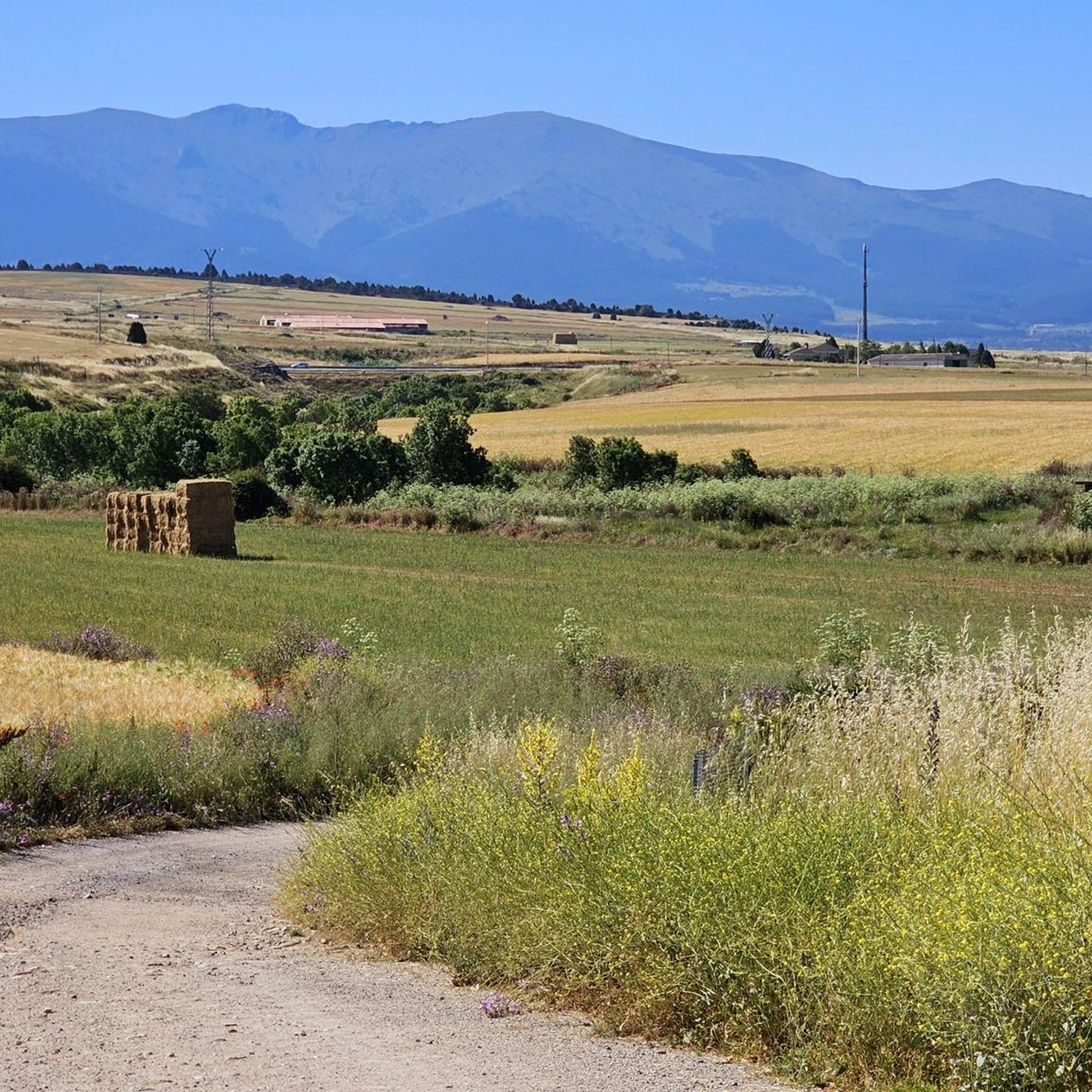
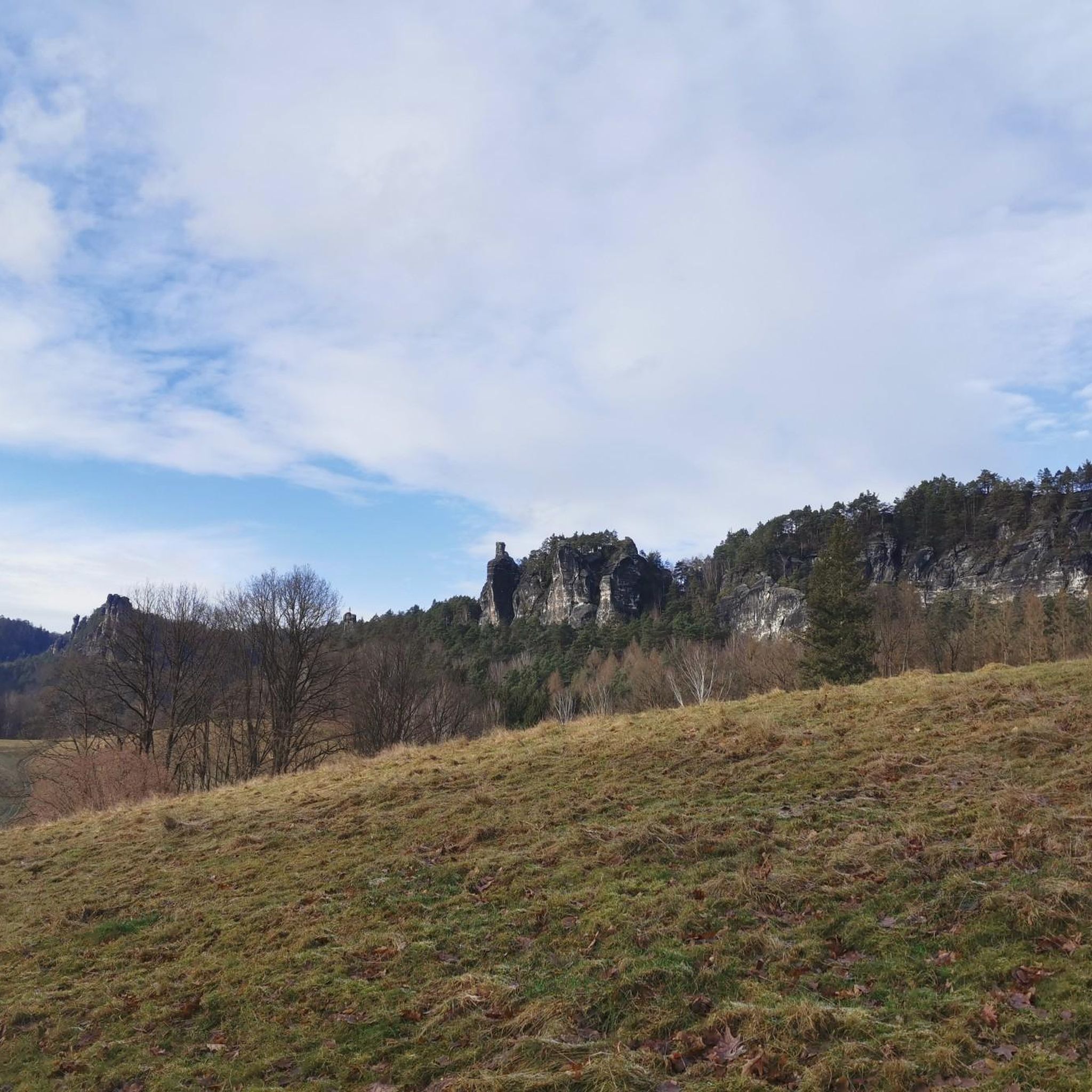
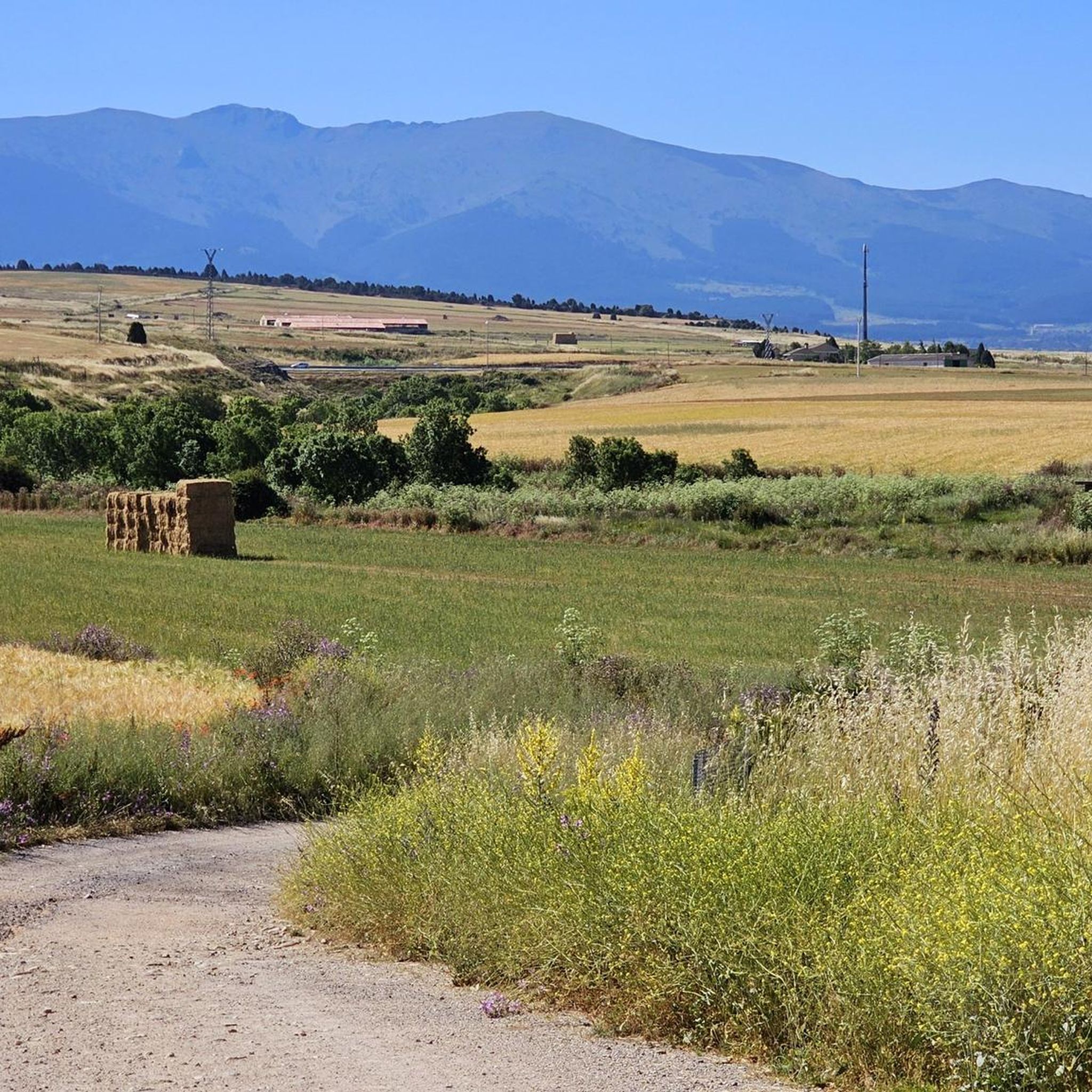
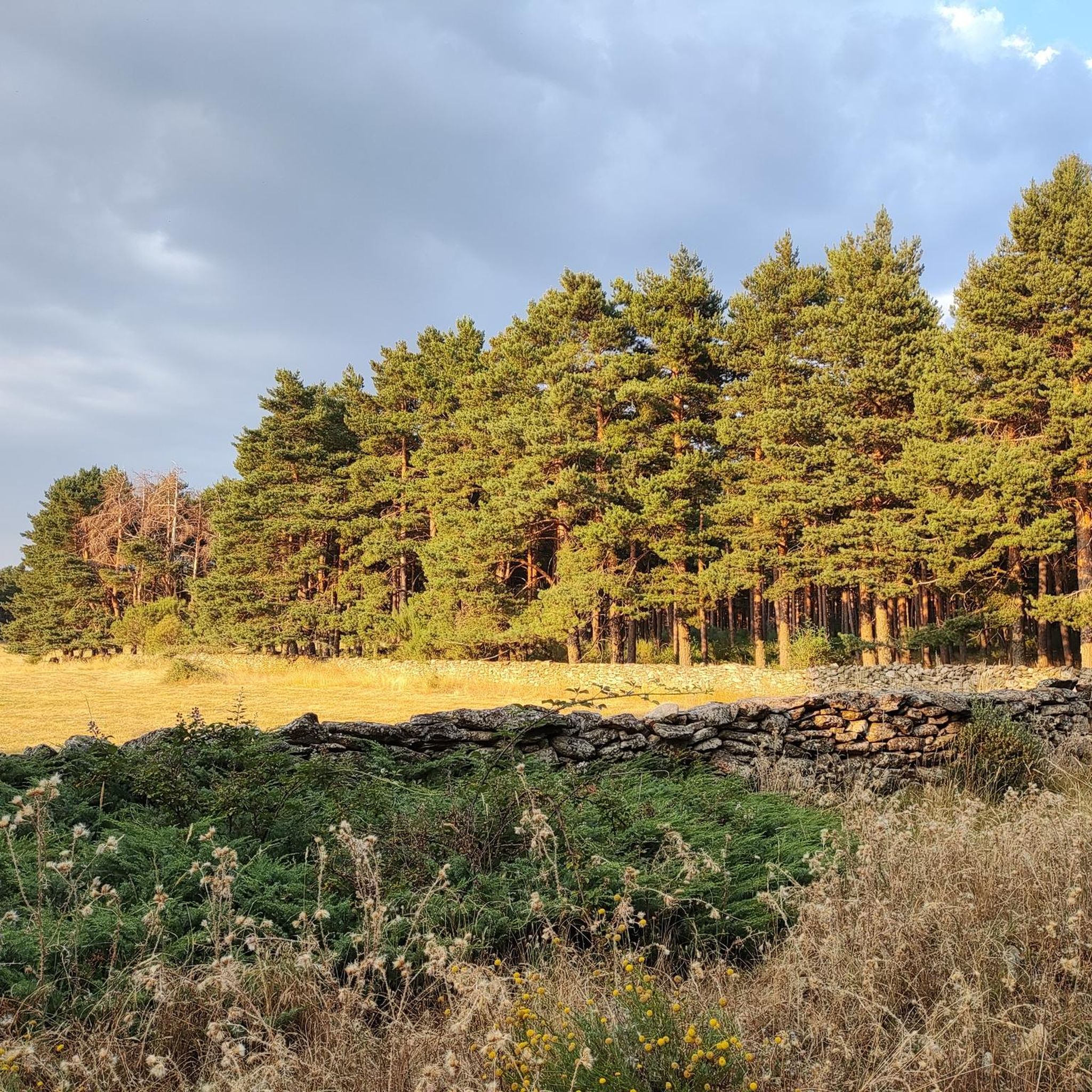


Tips from the Community

The trip, the gardens, and the building itself are worth it.
3
0

This church, which is dedicated to the Holy Cross (Latin “Santa Croce” / Spanish “Santa Cruz”), draws its patronage from the cross on which Jesus Christ died. The veneration of the Holy Cross goes back to a large extent to Saint Helena, who was the mother of Emperor Constantine the Great (who recognized Christianity as a religion after his victory at the “Milvian Bridge” in front of Rome and in the year 312 for a long time the persecution ended with the “tolerance edict” of Milan). In the early fourth century she undertook a pilgrimage to the Holy Land (Israel / Palestine) and from there brought numerous relics with her to Europe, including the “True Cross” (“VERA CRUZ”) on which Jesus Christ was crucified. Helena is therefore often depicted with a cross as an attribute. The church celebrates the festival of the discovery, public presentation and veneration of the Holy Cross – called “Exaltation of the Cross” – on September 14th.
1
0
The patronage of this episcopal church (cathedral) "Nuestra Señora de La Asunción" (sometimes also called "Santa Maria Asunción", in German-speaking countries it is called "Mariä Himmelfahrt") refers to one of the many memorial or feast days in honor of the Mother of God Mary in the church year. It goes back to the feast of her bodily assumption into heaven, which the (Catholic) Church celebrates annually on August 15th. In Orthodox churches, the feast is celebrated under the name "Maria Entschläfung". In more rural areas, it is part of local custom - depending on the region - that on this day bundles of herbs are collected by the population and blessed in the festive service.
3
0

The Cathedral of Segovia is a historical heritage of Spain and an asset of cultural interest. This majestic cathedral, located in the city of Segovia, is a stunning testament to Gothic architecture and a gem that attracts visitors from all over the world.
7
0
Hontanares de Eresma is a charming municipality and town in the province of Segovia, within the autonomous community of Castilla y León. Hontanares de Eresma is mentioned for the first time in 1247 as “Fontanares” and until the 19th century it was simply called “Hontanares”.
2
0

This seemingly charming fairy tale palace is a majestic fortress erected between the Eresma and Clamores rivers, which was inhabited by the kings of Castile for many years. Located in the beautiful and strategic Segovia, its origins can be traced back to Roman times, although it was not until the reign of Alfonso VII when the "alcaçar" was mentioned in a document archived in the cathedral. Residence of Alfonso Favorite residence of the Trastámara family, it was the headquarters of the royal archive, the royal treasury and the royal armory, as well as the coronation of Isabel la Católica. The House of the Austrias, officiated here the marriage between Philip II and Anne of Austria. Later, the castle was a state prison. Carlos III established the Royal College of Artillery there, whose 250th anniversary was the last official act of Juan Carlos I. A mandatory visit if we stop in Segovia, the Herrerian patio, the moat, the keep and its views, the throne room of the Catholic Monarchs, the residence of the Burgoña family, the Galera room, the Royal Chamber, the Weapons room, the Royal College of Artillery museum and the general military archive of Segovia, are rooms that illustrate the historical, Royal, and military importance and cultural of this imposing fortress. Its views from the lower part, to the north, leave everyone who contemplates them breathless, being especially spectacular in the snow season. For information on visiting conditions: https://www.alcazardesegovia.com/
0
0
Located in the city's Plaza Mayor, declared World Heritage by UNESCO in 1985, the Holy Cathedral Church of Our Lady of the Assumption and San Frutos de Segovia, also known as the Lady of the Cathedrals, is a late Gothic temple built between 1525 and 1768. Segovia had three cathedrals: a primitive one on the banks of the Eresma River until the year 516; the old cathedral, located in front of the Alcázar until 1525; and the current one. After the end of the War of the Communities, the secretary of King Carlos I informed the bishop of Segovia of the transfer of the cathedral from in front of the Alcázar to the then Plaza Grande, now Plaza Mayor, above the convent of Santa Clara. The cloister, the choir, the Los Cabrera chapel, the entrance door to the cloister and various sculptures, paintings and grilles were moved from the old cathedral to the new one. Consecrated in 1685, the current chapel of the Santísimo began to be built that year, currently being the baroque exponent of the temple. The 157 Flemish stained glass windows show in detail the mysteries of the life of Christ and the Virgin. For more information about visits, consult: https://catedralsegovia.es/horarios-y-tarifas/
2
0
Frequently Asked Questions
What unique historical sites can I explore in Abades?
Abades is home to the intriguing Abandoned Leprosy Station (Sanatorio de Abona). This historical site, often called a 'ghost town,' was built in 1943 and features ruins of a hospital, crematorium, bungalows, and a large concrete church. It offers a unique and somewhat eerie experience, attracting those interested in offbeat historical sites and even serving as a location for film sets.
Where can I find the best beaches for swimming and relaxation in Abades?
For swimming and relaxation, Playa Abades (also known as Los Abriguitos Beach) is ideal. This beautiful, dark sandy beach offers shallow, calm, and clear waters, making it perfect for swimming, snorkeling, and sunbathing. Its sheltered bay also makes it child-friendly. Another option is Playa Cardones, a smaller, quieter beach located less than 100 meters east of Playa Abades.
Are there opportunities for water sports like diving or snorkeling in Abades?
Yes, Abades is an excellent spot for diving and snorkeling due to its clear waters and diverse marine life. Several scuba diving centers operate in the area. Divers can explore good diving areas near Playa Abades and Playa Cardones, where they might encounter colorful fish species and even barracudas.
What natural viewpoints or scenic spots are there in Abades?
You can enjoy scenic views from the Punta de Abona Lighthouse, located between Abades and Poris de Abona. On clear days, you might even see the neighboring island of Gran Canaria. Additionally, the Ensenada de Abades (Abades Cove) offers stunning views from its crescent-shaped harbor, historically used by fishermen and for shipping red stones.
Can I go for coastal walks or hikes in Abades?
Absolutely. The area around Abades provides opportunities for coastal walks and hikes. These trails offer beautiful views of the sea, the coastal region, and even the unique 'ghost town' of the Abandoned Leprosy Station.
Are there any family-friendly activities or places suitable for children in Abades?
Yes, Playa Abades is considered child-friendly due to its calm, shallow, and clear waters, making it safe for families with children to swim and play. The peaceful village atmosphere also makes it a relaxing destination for families.
What is the best time to visit Abades for outdoor activities?
Abades generally offers a pleasant climate year-round, making it suitable for outdoor activities. The tranquil coastal environment is ideal for unwinding by the ocean or engaging in water activities. For specific weather details, it's always best to check a local forecast closer to your travel dates.
Where can I find amenities like restaurants or shops in Abades?
Abades features a small village square that serves as a central point. Here, you'll find a selection of local restaurants and a mini-market, providing convenient options for dining and basic necessities within the village's relaxed atmosphere.
Are there any less crowded or 'hidden gem' beaches near Abades?
Beyond Playa Abades and Playa Cardones, the region boasts several smaller, almost untouched beaches. These include Playa de Los Abrigos (a nudist bay), Playa Ensenada Piedra de la Sal, Playa de Cayado de Hondo, Playa del Rio, Playa los Tarajales, and Playa del Trambor, offering more secluded spots for relaxation.
What is the significance of the graffiti at the Abandoned Leprosy Station?
The buildings of the Abandoned Leprosy Station are adorned with large, colorful graffiti. While not officially sanctioned art, many visitors find these vibrant murals fascinating. They contribute to the unique and somewhat apocalyptic appearance of the site, enhancing the experience for those exploring the 'ghost town'.
Is Abades a good destination for a peaceful and relaxed holiday?
Yes, Abades is known for its peaceful atmosphere and is a less crowded alternative to Tenerife's more bustling tourist centers. It's an ideal destination for those seeking tranquility, beautiful seascapes, and a relaxed environment, perfect for unwinding by the ocean.
Most popular attractions around Abades

Get inspired with the komoot mobile app


Explore more
Still not found the Highlight you’re looking for? See guides of the top attractions in other regions:
