Attractions and Places To See around Hinojosas De Calatrava - Top 20
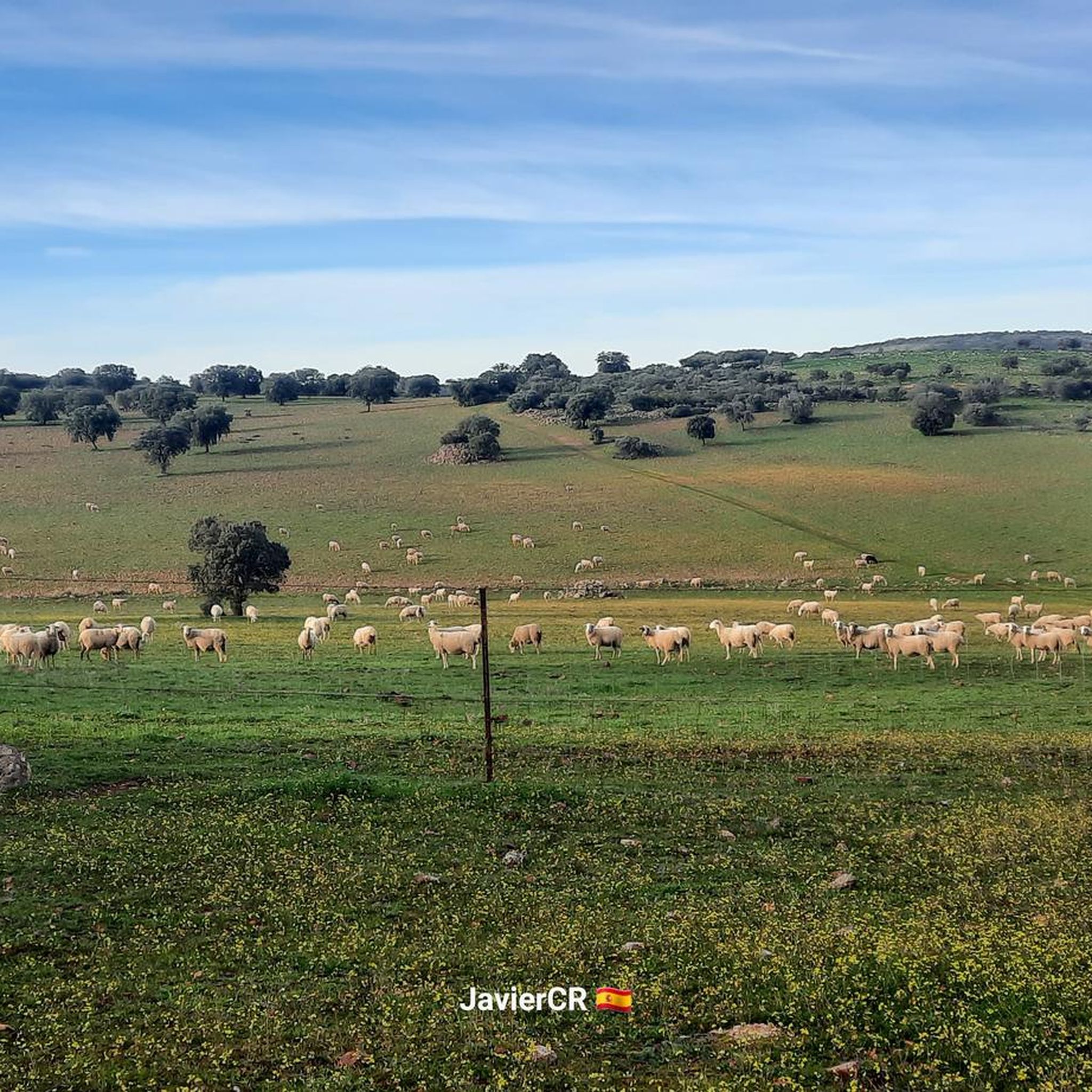
Best attractions and places to see around Hinojosas De Calatrava are found within the Valle de Alcudia in the province of Ciudad Real. This area offers a blend of historical sites, natural landscapes, and local traditions. The town itself is characterized by a medieval urban layout and is situated within the Parque Natural de Valle de Alcudia y Sierra Madrona. Visitors can explore diverse flora and fauna, alongside ancient archaeological sites.
Best attractions and places to see around Hinojosas De…
Last updated: October 18, 2026
Puertollano
Highlight • Settlement
Translated by Google •
Tip by

Batanera Waterfall
Highlight • Waterfall
Translated by Google •
Tip by
Sign up now to discover places like this
Get recommendations on the best single tracks, peaks, & plenty of other exciting outdoor places.
La Batanera Rock Art Site
Highlight • Historical Site
Translated by Google •
Tip by
Peñaescrita Cave Paintings
Highlight • Historical Site
Translated by Google •
Tip by
Las Lastras
Highlight • Waterfall
Translated by Google •
Tip by
Sign up for free to discover even more attractions around Hinojosas De Calatrava.
Already have an account?
Start today with a free account
Your next adventure awaits.


Tips from the Community

The Batanera Waterfall and Shelter is located in the Alcudia Valley and Sierra Madrona Natural Park. Route 10.- LAS LASTRAS- LA BATANERA
16
0

The Sierra Madrona has this, spaces like the Cascada de la Batanera, a river that forms a waterfall full of life and charm, ideal for passing by and cooling off!
2
0
Area where stones appear in the background and where there are a group of rock paintings that show us how old these areas are, already inhabited since time immemorial.
0
1
Located at the foot of the Monument to the Miner, an imposing bronze sculpture, the work of Pepe Noja, which represents the mining history of the city, borders the volcanic area of Campo de Calatrava and in its vicinity is the Valley of Alcudia. Mining activity is of special importance with the Mining Museum, a building that surrounds an old headframe and simulates a coal selection workshop. On its two floors, the museum discourse addresses the transformation of Puertollano into an industrial city due to the discovery of coal. The mining tradition of this town is very present in its different corners, such as the Castillete de Santa María, which welcomes its visitors at the entrance to the city. It is also worth seeing the Monument to the Miner, mentioned above and located on the Cerro de Santa Ana, from which we will obtain a fantastic panoramic view of the city and its surroundings.
7
0

Puertollano is a Spanish town in the province of Ciudad Real, in the autonomous community of Castilla-La Mancha. Traditionally it has been associated with oil shale and coal mining and industry. The area in which Puertollano is located was inhabited since prehistoric times, finding archaeological remains that correspond to Homo heidelbergensis and Homo antecessor. The city was born during the Middle Ages, linked to the repopulation process of Castile during the 13th century. In the 16th century, Puertollano received the rank of town, a privilege granted by Felipe II. At that time Puertollano is an important agricultural and livestock center. The demographic consolidation of the city occurs at the end of the 19th century, with the development of coal mining and the inauguration of the train line between Madrid and Badajoz. Its cultural heritage corresponds mainly to religious buildings, such as the church of Nuestra Señora de la Soledad (14th century), the church of the Virgen de Gracia (15th century) and the church of La Asunción (16th century). There is also a mining museum, and an old medicinal sour water spa, known as the Casa de Baños and which today is a municipal office for citizen assistance.
3
0
A well-known place in the vicinity of Fuencaliente, where in the same place, you can enjoy a beautiful waterfall and shelters with cave paintings, all surrounded by the mountains and nature that characterize the Sierra Madrona.
32
0
La Batanera Waterfall: Route 10 'Las Lastras-La Batanera' (Fuencaliente)
31
0
They are located in the municipality of Fuencaliente and are one of the largest and best preserved groups of schematic cave paintings on the Iberian Peninsula. They appear in quartzite rock shelters located south of Ciudad Real province, in the foothills of Sierra Morena, at 920 meters. of altitude.
30
0
Frequently Asked Questions
What natural attractions can I explore near Hinojosas de Calatrava?
The region is rich in natural beauty. You can visit the stunning Batanera Waterfall, located within the Valle de Alcudia and Sierra Madrona Natural Park. The park itself offers diverse flora and fauna. Another notable spot is the 18th-century
Molino "Flor de Ribera" by the Montoro River, which serves as a starting point for scenic trails.
Are there historical sites or ancient ruins to visit?
Yes, the area is rich in history. You can explore the La Batanera Rock Art Site and Peñaescrita Cave Paintings, both featuring ancient schematic cave paintings. The town of Hinojosas de Calatrava itself has a medieval urban layout, and you can visit the 18th-century Iglesia Parroquial de San Bernardo de Clarava. The Almodóvar Mill also offers a glimpse into the region's past.
Can I find ancient cave paintings in the region?
Absolutely. The area is home to significant archaeological sites with ancient cave paintings. You can visit the La Batanera Rock Art Site, which features one of the largest and best-preserved groups of schematic cave paintings on the Iberian Peninsula. Additionally, the Peñaescrita Cave Paintings display unique zigzag triangular signs and human figures in ritual dances. The Cueva del Castellar is another archaeological site known for its ancient cave paintings.
What kind of outdoor activities can I do near Hinojosas de Calatrava?
The region is ideal for outdoor enthusiasts. You can enjoy hiking, cycling, and wildlife observation within the Parque Natural de Valle de Alcudia y Sierra Madrona. For specific routes, explore the hiking trails around Hinojosas de Calatrava, including moderate options like the Las Lastras and La Batanera Trail. There are also running trails and road cycling routes for various skill levels.
Are there family-friendly attractions or activities?
Many of the natural and historical sites can be enjoyed by families. Exploring the Batanera Waterfall and the trails within the Valle de Alcudia and Sierra Madrona Natural Park offer engaging outdoor experiences. The town of Puertollano, with its mining museum and Monument to the Miner, provides an educational insight into the region's industrial past that can be interesting for older children.
What is the best time to visit Hinojosas de Calatrava for nature activities?
The Valle de Alcudia and Sierra Madrona Natural Park offers stunning landscapes year-round. Spring and autumn are generally ideal for hiking and cycling due to milder temperatures. These seasons also provide excellent opportunities for wildlife observation, as many bird species are active.
What local traditions or festivals can I experience?
Hinojosas de Calatrava celebrates several vibrant festivals. Highlights include San Antón in January with bonfires, San Blas in February with blessed rosquillas, and the Patron Saint Festivities of San Bernardo starting in August, featuring music, traditional figures, and dances. Holy Week also includes a "Living Passion" with representations of Christ's life.
What kind of wildlife can I expect to see in the Valle de Alcudia?
The Valle de Alcudia and Sierra Madrona Natural Park is rich in biodiversity. You can observe diverse flora and fauna, including various amphibians. The area is particularly known for its bird species, such as eagles, owls, and storks, making it a great spot for birdwatching.
What are some unique local dishes or gastronomy to try?
The local gastronomy offers traditional dishes like caldereta de cordero (lamb stew), pisto, asadillo, and migas (fried breadcrumbs). For sweets, try rosquillos, gusanillos, and barculillos. During All Saints' Day, traditional corn or wheat cakes with honey, known as “cagá de perro” and “cagá de gato”, are popular. Olive oil from the Valle de Alcudia is a staple in the local cuisine.
Is there a place to learn about the region's mining history?
Yes, the nearby town of Puertollano has a significant mining heritage. You can visit the Mining Museum, which is built around an old headframe and simulates a coal selection workshop. The Castillete de la Mina de la Simona, an abandoned pyrite mine, also offers a glimpse into the region's mining past.
Are there any easy walking trails suitable for a relaxed stroll?
While many trails are moderate, the natural park offers various paths. For an easier experience, consider shorter sections of the trails around the Molino "Flor de Ribera" or the less strenuous parts of the Valle de Alcudia. Some of the hiking routes, like the Batanera Waterfall – La Batanera Rock Art Site loop from Plaza de toros, are rated as easy.
What is the significance of the town's name, Hinojosas de Calatrava?
The town's name is derived from the abundance of fennel, or "hinojo," in the area. This plant is characteristic of the local flora and has given the town its unique identity.
Most popular routes around Hinojosas De Calatrava
Most popular attractions around Hinojosas De Calatrava

Get inspired with the komoot mobile app


Explore more
Still not found the Highlight you’re looking for? See guides of the top attractions in other regions:
