The best road cycling routes around Ventosa De La Cuesta
102
riders
6
rides
Road cycling around Ventosa De La Cuesta, located within the "Tierra del Vino" region of Valladolid, offers an engaging experience across the Castilian Meseta. The area is characterized by its undulating terrain, with Ventosa de la Cuesta itself standing at approximately 750 meters above sea level. The landscape features extensive vineyards of the Rueda Designation of Origin and vast agricultural fields, providing varied backdrops for rides. Quiet, well-maintained minor roads are prevalent, allowing cyclists to explore the rural environment with…
Last updated: July 11, 2026
5
riders
Moderate road ride. Good fitness required. Mostly well-paved surfaces and easy to ride.
62
riders
85.4km
03:45
770m
770m
Moderate road ride. Good fitness required. Mostly well-paved surfaces and easy to ride.

Sign up for free
19
riders
54.4km
02:25
440m
440m
Moderate road ride. Good fitness required. Mostly well-paved surfaces and easy to ride.
11
riders
Moderate road ride. Good fitness required. Some segments of this route may be unpaved and difficult to ride.
6
riders
29.3km
01:44
130m
130m
Easy road ride. Great for any fitness level. Mostly well-paved surfaces and easy to ride.
Our route recommendations are based on thousands of hikes, rides, and runs completed by other people on komoot.
Start today with a free account
Your next adventure awaits.
Login or Signup
Popular around Ventosa De La Cuesta
Tips from the Community

Stop and take a picture
0
0

Declared a Site of Cultural Interest (BIC) on December 7, 1983, this church is located in the heart of Tordesillas (Valladolid), one of the town's most iconic landmarks and the largest in the entire municipality. It is believed to have been built on the site of the former Tordesillas mosque. The main construction took place between the 16th and 17th centuries, with additions continuing into the 18th century. The church combines Gothic elements (the apse and the lower sections of the tower) with Neoclassical renovations inspired by El Escorial. Today, it serves as the headquarters for several Holy Week brotherhoods, housing processional floats such as the Virgin of Solitude and the Christ of Mercy.
5
0
The Church of Our Lady of the Assumption in Rueda (Valladolid) is a prominent 18th-century Baroque church that, together with its Renaissance tower, shines in the heart of the town. It was designed by the architect Manuel Serrano and built in the mid-18th century; the main portal and altarpiece are attributed to Pedro de Sierra. The five-tiered tower dates from the earlier Renaissance construction and was preserved in the new structure. Declared a Site of Cultural Interest (monument) on October 17, 2013.
2
0

The Plaza Mayor of Tordesillas was built in the 17th century as a perfect square, accessible from four streets. It features arcades, and the houses are two stories high, leaving space on the ground floor for shops, bars, and restaurants. The facades have large windows and balconies, ideally designed for viewing the various performances that have taken place there throughout history. Among other important buildings, the Town Hall is located in the plaza.
9
0
The building, constructed between the 16th and 18th centuries, began in the Gothic style and finished in the Neoclassical. Another striking feature is its tower, the tallest in the city. The Baroque-era organ is considered one of the finest in the region, both for its design and its state of preservation.
6
0
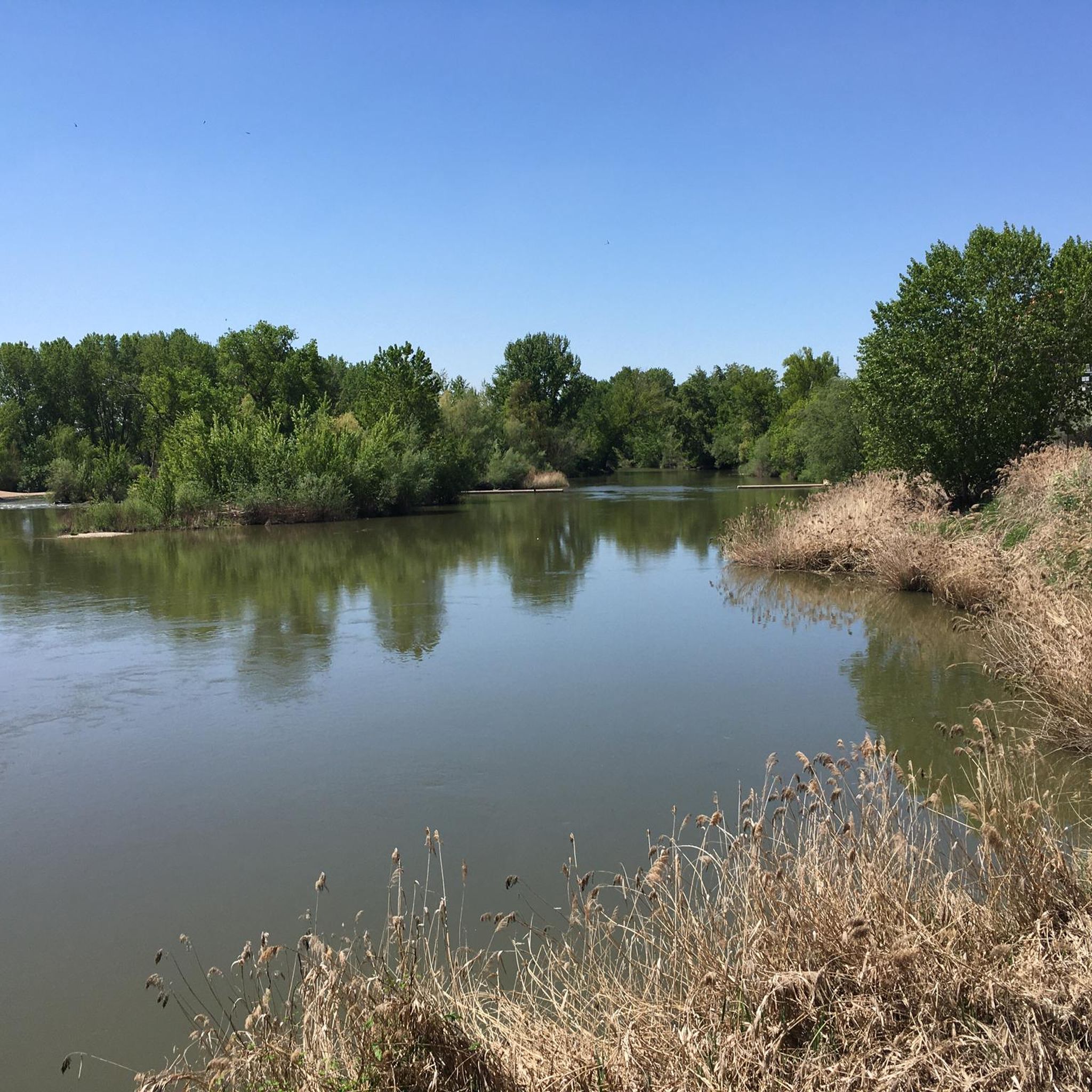
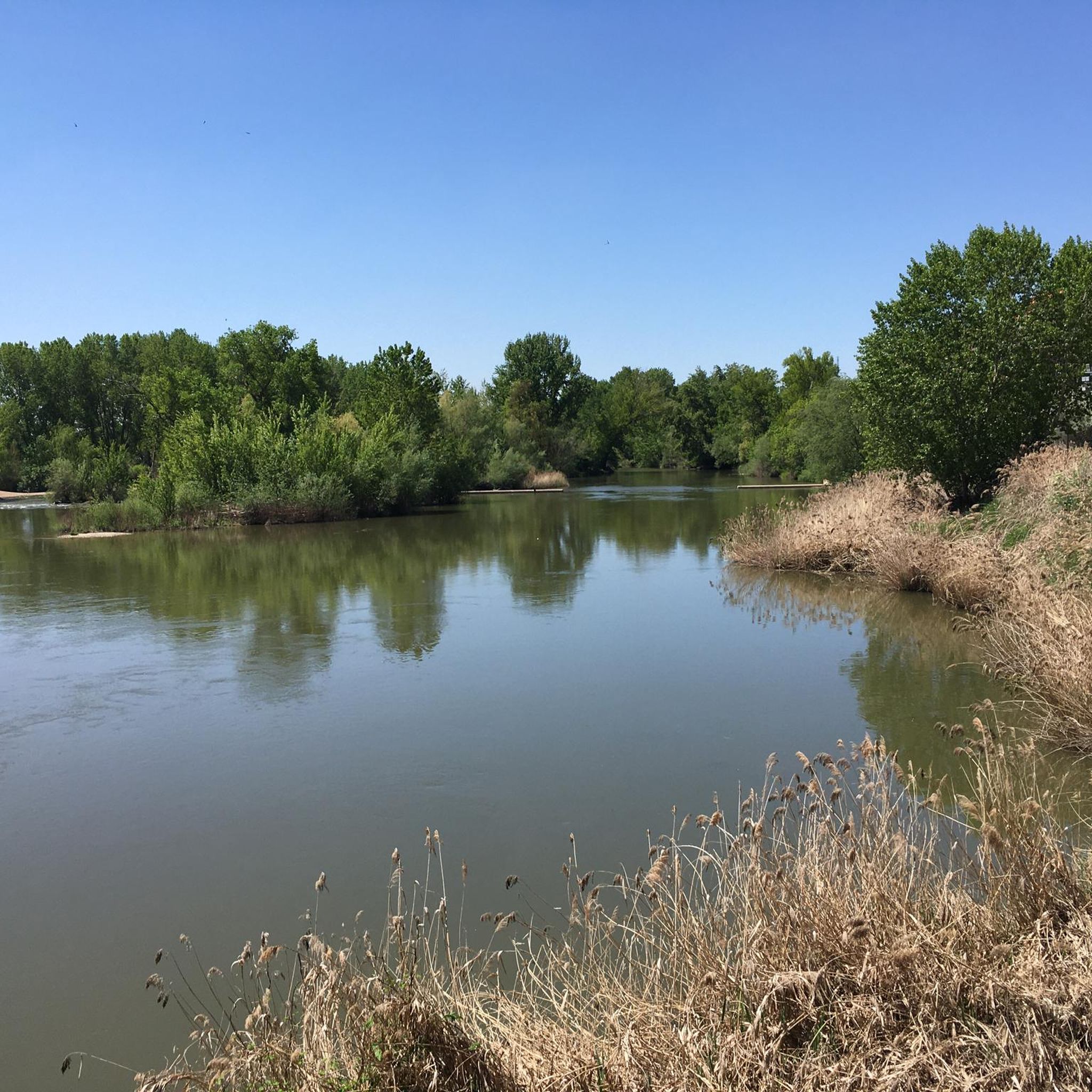
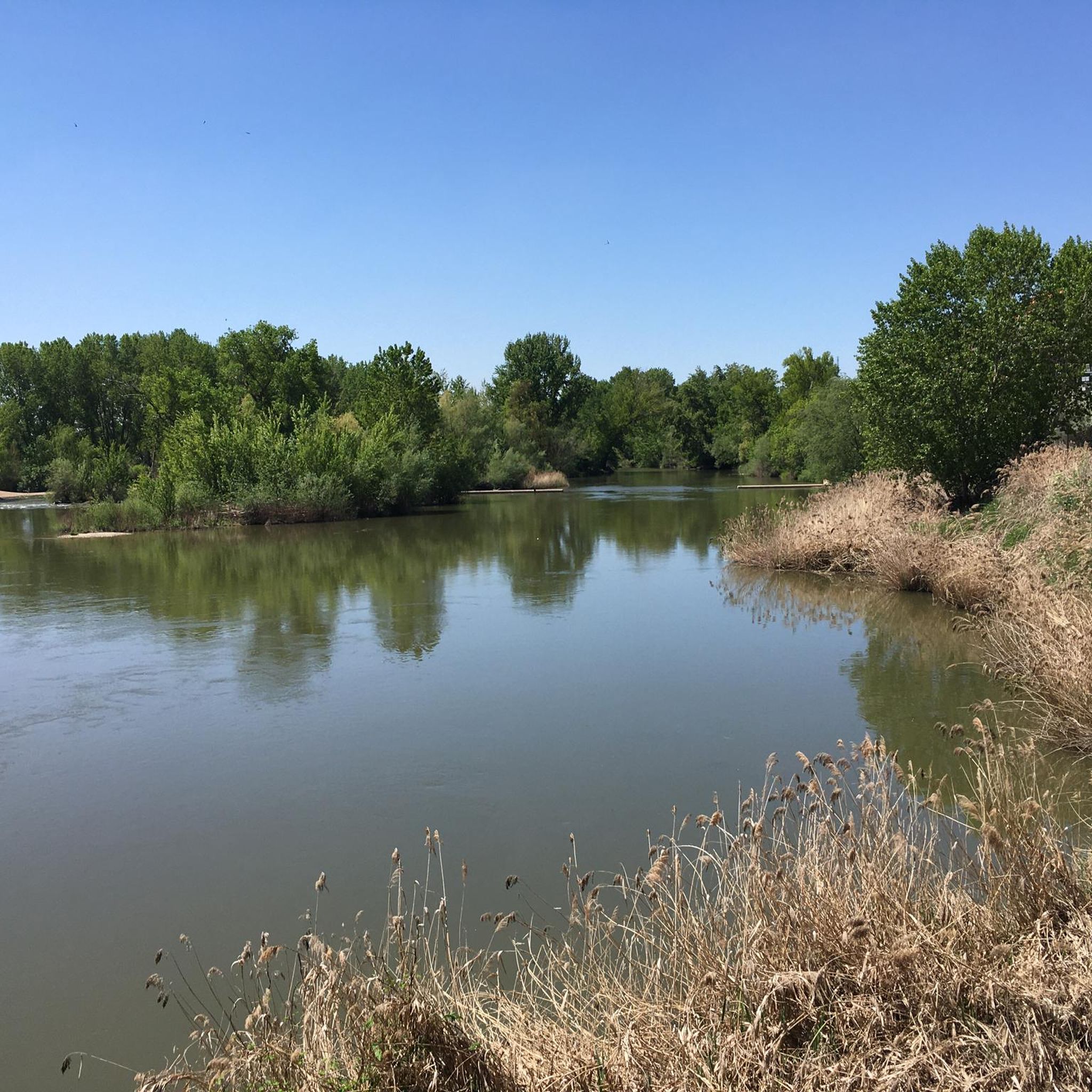
The medieval bridge over the Duero River, with its perfectly aligned arches, connects the historic center to the opposite bank. The monumental skyline of Tordesillas, highlighting the Plaza Mayor, the Casas del Tratado (Houses of the Treaty), and the Monastery of Santa Clara, all framed by reddish rooftops and the silhouette of the Church of San Antolín. The Duero River winds beneath the bridge, its reflections shifting with the changing light, creating a highly photogenic scene. Natural surroundings: riverside vegetation and, in autumn, golden hues that enhance the scenery.
6
0
The view of the Stone Bridge and Tordesillas from the viewpoint on Avenida de Portugal is considered one of the most beautiful panoramas of the town.
6
0

It is an architectural gem. Currently you cannot pass through it because it is under construction, you have to go over the previous bridge.
0
0
Frequently Asked Questions
How many road cycling routes are available around Ventosa De La Cuesta?
There are 6 road cycling routes available around Ventosa De La Cuesta. These include 1 easy route and 5 moderate routes, offering a good range for different fitness levels.
What kind of terrain can I expect when road cycling near Ventosa De La Cuesta?
The terrain around Ventosa De La Cuesta is predominantly undulating, characteristic of the Castilian Meseta. You'll experience a mix of gentle inclines and descents, cycling through expansive vineyards of the Rueda Designation of Origin and vast agricultural fields. This provides varied backdrops without overly strenuous climbs, making for an engaging ride.
When is the best time of year for road cycling around Ventosa De La Cuesta?
Spring offers vibrant green landscapes, while autumn transforms the fields into picturesque ochres and golds, both providing beautiful backdrops for cycling. The region's elevated position means pleasant temperatures for cycling during these seasons, avoiding the peak heat of summer.
Are there any notable landmarks or points of interest along the road cycling routes?
Yes, the routes often pass through areas rich in history and natural beauty. You might encounter the Roman Bridge over the Adaja River or the Weir and Riverside Path at San Miguel del Pino. The region is also known for its wine heritage, with opportunities to see vineyards and traditional bodegas.
Are there any family-friendly road cycling routes in Ventosa De La Cuesta?
While most routes are moderate, there is 1 easy road cycling route available. The undulating terrain generally avoids extreme climbs, making some sections suitable for families with older children or those looking for a less strenuous ride. Always check the route details for specific difficulty and elevation.
Can I bring my dog on the road cycling routes?
Road cycling routes are generally on paved roads and may not be ideal for dogs, especially for longer distances or in areas with traffic. If you wish to cycle with your dog, consider routes with wider shoulders or quieter rural roads, and ensure your dog is accustomed to running alongside a bike or can be safely transported.
What is the longest road cycling route available?
The longest route listed is the Geria Road – Simancas Castle loop from Matapozuelos, which covers approximately 61.1 miles (98.3 km) with an elevation gain of around 536 meters.
Are there circular road cycling routes starting from Ventosa De La Cuesta?
Yes, many of the routes in the area are circular, allowing you to start and end in the same location. An example is the Tordesillas y Rueda desde Valdestillas – circular por Simancas y río Adaja, offering a comprehensive loop through the region.
What is the shortest road cycling route available?
The shortest route is the Roadbike loop from La Seca, which is approximately 18.9 miles (30.4 km) long with an elevation gain of about 132 meters, making it an easy option.
Where can I find parking for road cycling in Ventosa De La Cuesta?
Ventosa De La Cuesta is a small rural village. You can typically find street parking within the village itself, especially near the Church of Nuestra Señora de la Asunción, which also offers a viewpoint. When starting a route from a nearby town like Valdestillas or Matapozuelos, look for designated parking areas or available street parking.
Are there cafes or accommodation options for cyclists in the area?
Ventosa De La Cuesta, being a small village, has limited facilities. However, its location within the 'Tierra del Vino' region means nearby towns and villages often have local cafes, restaurants, and rural accommodations (casas rurales) that cater to visitors, including cyclists. Exploring the broader Valladolid province will offer more options for refreshments and overnight stays.
What is the surface quality like on the road cycling routes?
The region is known for its quiet, well-maintained minor roads. While specific surface quality can vary, these routes are generally suitable for road bikes, offering a smooth experience through the rural landscape and vineyards.
What do other road cyclists enjoy most about road cycling in Ventosa De La Cuesta?
Road cyclists appreciate the region's unique blend of gently undulating landscapes, the rich viticultural heritage, and the network of quiet roads. The panoramic vistas of the Castilian Meseta and the ever-changing scenery of vineyards and agricultural fields are frequently highlighted as key attractions.
Most popular routes around Ventosa De La Cuesta
Most popular attractions around Ventosa De La Cuesta

Get inspired with the komoot mobile app


Explore more
Browse the best Road cycling routes in other regions.
