Top 7 Castles around Agüero
Castles around Agüero offer insights into the region's historical significance and defensive architecture. The area, particularly Agüero in Huesca, is known for its distinctive natural rock formations, the Mallos de Agüero, and its Romanesque churches. While Agüero itself features natural and religious landmarks, the surrounding landscape hosts various historical fortifications. These sites provide a glimpse into medieval history and strategic strongholds in the Aragonese pre-Pyrenees.
Best castles around Agüero
- The most popular castles is Marcuello Castle, a castle that…
Last updated: June 29, 2026
Marcuello Castle
Highlight • Castle
Translated by Google •
Tip by

Marcuello Castle and Hermitages
Highlight • Castle
Translated by Google •
Tip by

Sign up now to discover places like this
Get recommendations on the best single tracks, peaks, & plenty of other exciting outdoor places.
Sign up for free
Biel Castle
Highlight • Castle
Translated by Google •
Tip by
Yéquera Castle
Highlight • Castle
Translated by Google •
Tip by

Vulture Viewpoint (Mirador de los Buitres)
Highlight • Viewpoint
Translated by Google •
Tip by

Sign up for free to discover even more castles around Agüero.
Sign up for free
Already have an account?
Start today with a free account
Your next adventure awaits.
Login or Signup


Tips from the Community

The castle contains elements of Romanesque architecture and has Bien de Interés Cultural status, which indicates its importance to the Spanish architectural heritage.
2
0

Yéquera Castle, also known as Yecra Castle or Lacorvilla Castle, is located in the uninhabited medieval village of Yéquera. Its origins date back to a 10th-century Muslim fortification. In 1093, the Aragonese king Sancho Ramírez ordered the construction of a fortification to secure control of the newly conquered lands.
6
0

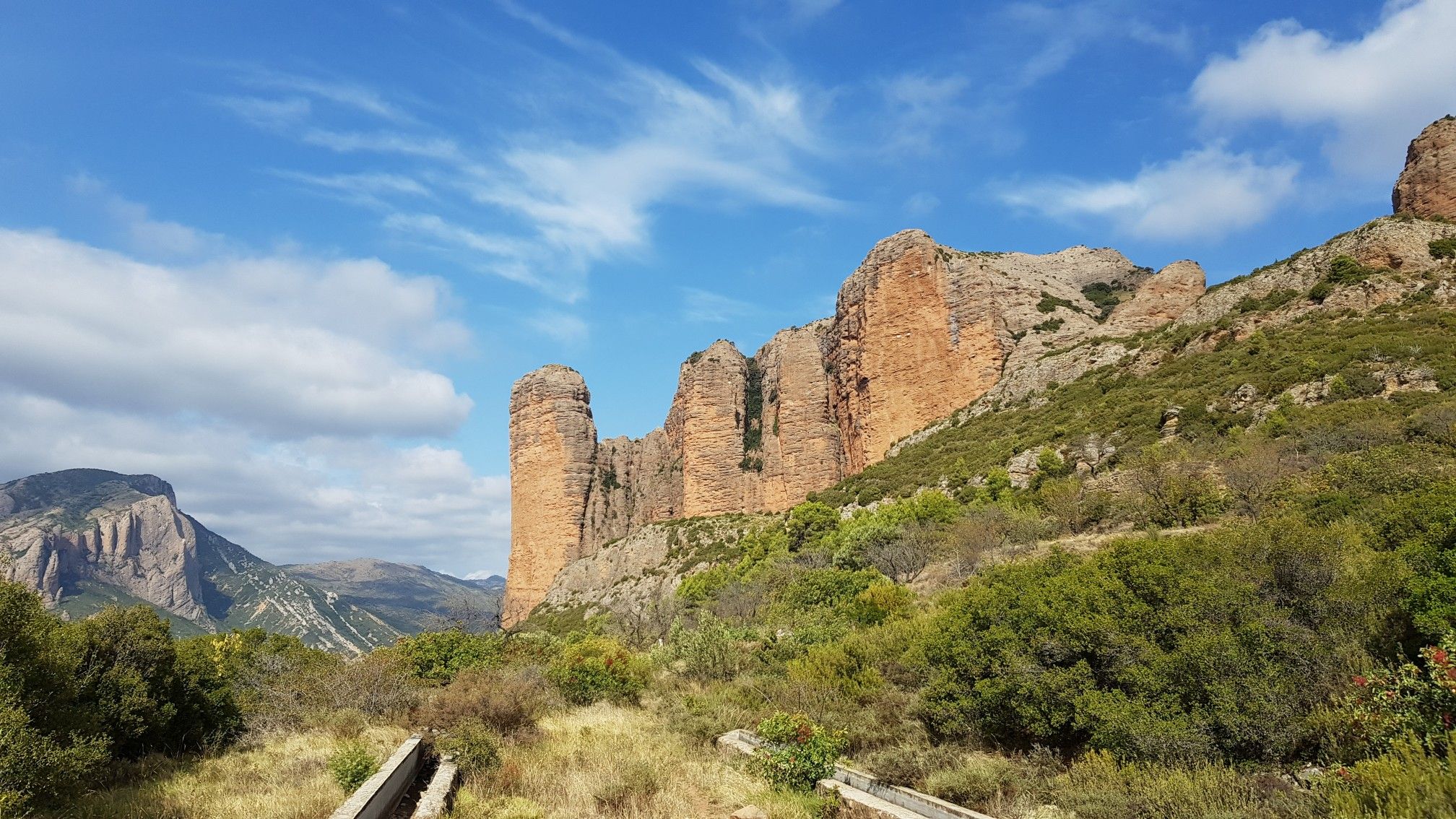
Located in the Marcuello Castle, it offers magnificent views of the area. It is also possible to see an abundant colony of vultures.
0
0

the pleasure of seeing the vultures resting on the ruin of this castle
0
0

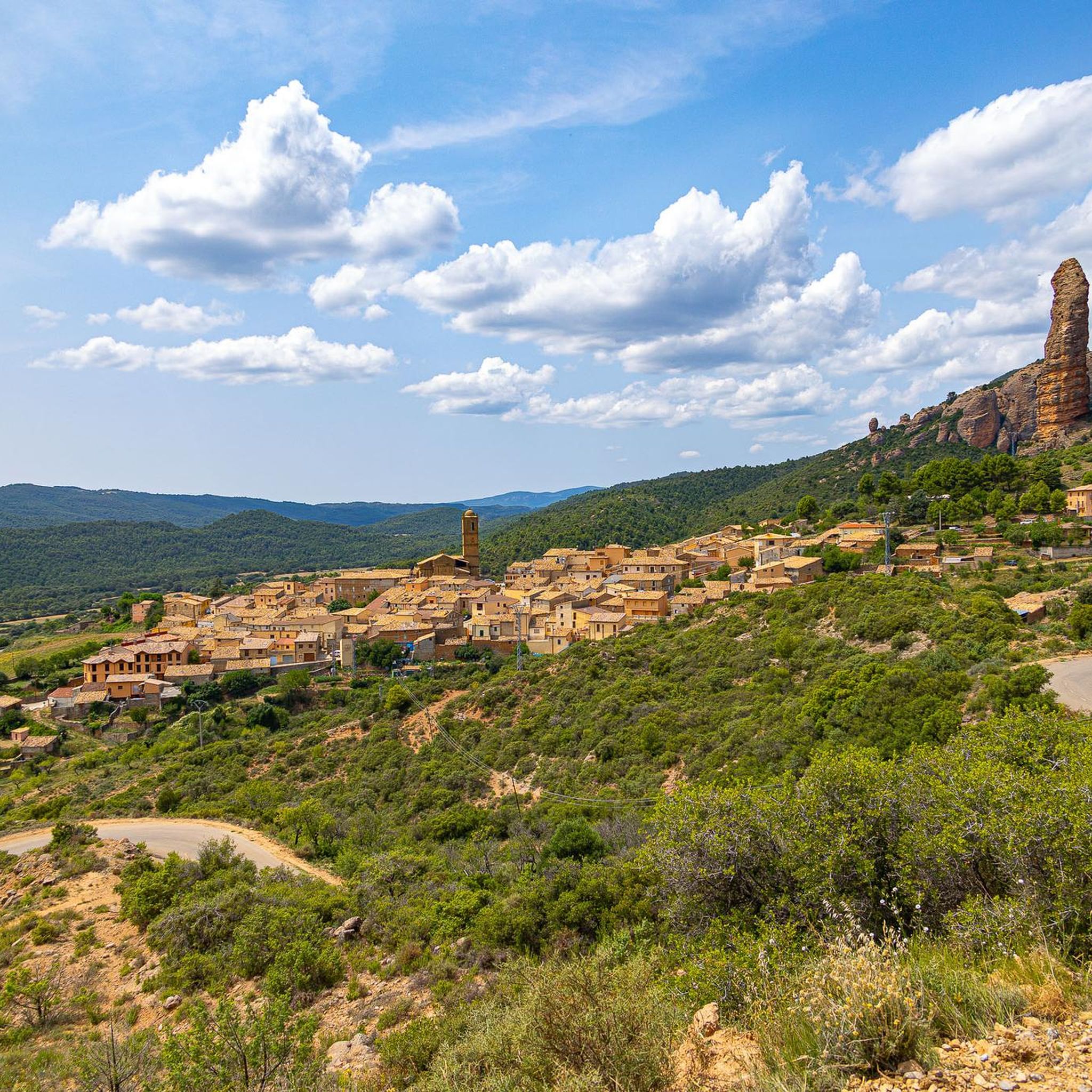
This village does not go unnoticed! In its center, you cannot miss its impressive castle. In the plains of the province of Zaragoza, its imposing keep is indeed visible from afar.
1
0
Here you find the ruins of the castle of Marcuello as well as two hermitages: that of Marcuello, and a little further back that of Saint Michael.
1
0

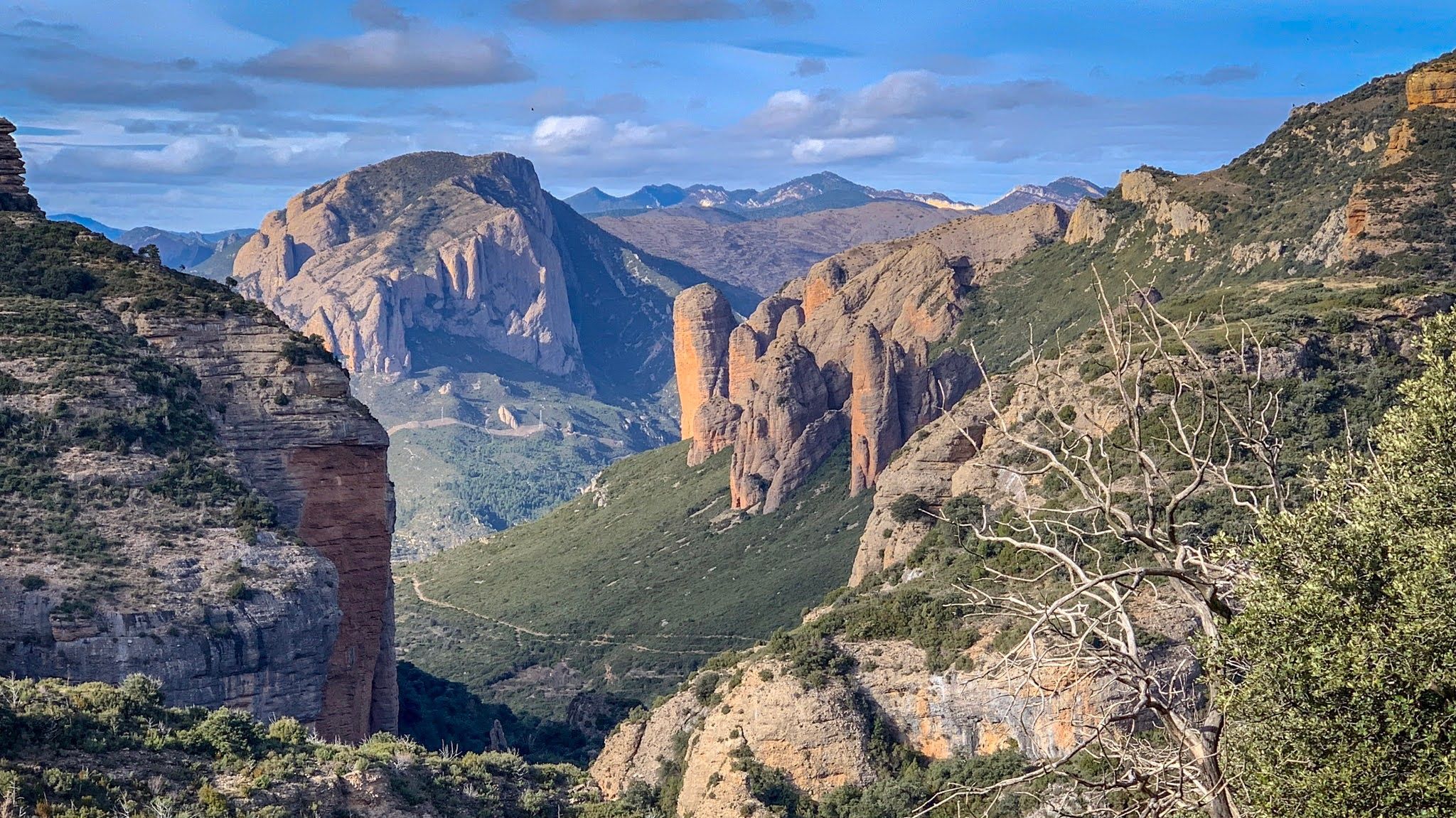
Remains of one of the castles that were within the area of the central pre-Pyrenees. The place can be seen from the track that connects with Sarsamacuello and the panoramic view is especially beautiful. Place that in the s. XII was governed by queen widow Berta. There is no established reasoning about its origin, believing that since the time of Sancho I the work could have begun around 1074. It is known that it was uninhabited around 1610, like Loarre. The place with a privileged position, on a plane the location was with the river Gállego at its feet, and the Mallos behind, allowing a defense from all fronts. To this day, there are remains of what was the fortification tower, as well as two religious spaces from the Romanesque period.
0
0

We are in the old town of Biel, in the Altas Cinco Villas region, together with the church and this imposing castle. The town of Biel has a very interesting history and the natural environment is beautiful. Without a doubt, it is worth getting lost in its streets before starting our route.
1
0
Frequently Asked Questions
What are the most historically significant castles in the Agüero region?
The region boasts several castles with rich histories. While Agüero in Huesca is known for its natural formations, the broader area includes sites like the Castillo de Agüero in Palencia, which was crucial for repopulation efforts in the Valdavia Valley. Another notable site is Yéquera Castle, originating as a 10th-century Muslim fortification and later rebuilt in the 11th century as a border defensive line.
Which castles offer the best panoramic views?
For breathtaking vistas, Marcuello Castle is highly recommended. It provides spectacular views over La Galliguera and the imposing Mallos. Within Marcuello Castle, you'll also find the Vulture Viewpoint (Mirador de los Buitres), offering magnificent views and the chance to observe a large colony of vultures.
Are there any family-friendly castles to visit near Agüero?
While many castles are ruins, the area around Biel Castle offers a pleasant experience. The village of Biel itself has a very interesting history and a beautiful natural environment. You can enjoy magnificent views of the town, its church, and the imposing castle from the View of Biel Castle and Church, which is considered family-friendly.
What kind of outdoor activities can I do near these castles?
The region around Agüero is excellent for outdoor enthusiasts. You can find numerous hiking trails, such as the 'Circular Route of the Mallos de Agüero' or the 'Mallos de Agüero – Al-Foraz Cave loop'. For running, there are routes like the 'Riglos loop'. Cyclists can explore challenging road cycling routes, including the 'Mallos de Riglos – Oroel Pass loop'. You can find more details on these activities in the Hiking around Agüero, Running Trails around Agüero, and Road Cycling Routes around Agüero guides.
What is the history behind the Castillo de Agüero in Palencia?
The Castillo de Agüero in Palencia was a strategic stronghold during the repopulation efforts of Alfonso III of Asturias and Ramiro II of León. It served as a vital center for the Valdavia Valley, protecting its vanguard. Built on a small hill, its sturdy construction included thick walls and possibly a moat. In the 14th century, it came under the control of the Velasco lordship, who sought to control access to northern pastures.
Can you tell me more about Yéquera Castle?
Yéquera Castle, also known as Yecra Castle or Lacorvilla Castle, is located in the uninhabited medieval village of Yéquera. Its origins trace back to a 10th-century Muslim fortification. In 1093, King Sancho Ramírez of Aragon ordered its reconstruction to secure control of newly conquered lands, establishing it as a key border defensive line alongside Obano Castle.
What makes Marcuello Castle a significant site?
Marcuello Castle is significant for its strategic location between Loarre Castle and the Riglos Mallos, offering spectacular views. It contains elements of Romanesque architecture and holds Bien de Interés Cultural status, highlighting its importance to Spanish architectural heritage. Although its ruins continue to deteriorate, it remains a powerful site for historical imagination.
What do visitors particularly enjoy about the castles around Agüero?
Visitors appreciate the historical depth and the stunning natural settings of the castles. Many enjoy the panoramic views, especially from sites like Marcuello Castle, which offers a sense of peace and connection to nature. The opportunity to explore ancient ruins and imagine their past significance, often amidst beautiful landscapes, is a common highlight.
Are there any castles in the Agüero region that are well-preserved?
While many castles in the immediate Agüero area are ruins, sites like Biel Castle feature an impressive, well-preserved keep that is visible from afar. Its imposing structure stands as a testament to medieval architecture in the Altas Cinco Villas region.
What is the best way to experience the historical context of these castles?
To best experience the historical context, consider visiting the sites that played significant roles in medieval history. The vestiges of the Castillo de Agüero in Palencia offer a tangible connection to early medieval settlement patterns. Similarly, exploring Yéquera Castle, with its origins as a Muslim fortification and later Aragonese stronghold, provides insight into the region's defensive past.
Is there an Agüero Castle in Cantabria, and what is its significance?
Yes, there is an Agüero Castle in Cantabria, dating back to the 13th and 14th centuries. While detailed information is less available, its existence underscores the prevalence of fortified structures in the region during the medieval period. It represents a significant piece of medieval architecture and offers insight into the defensive strategies of the time, linked to influential families like the Agüero lineage in Trasmiera.
Most popular attractions around Agüero

Get inspired with the komoot mobile app


Explore more
Looking for the best castles somewhere else? Discover other guides around Agüero:
